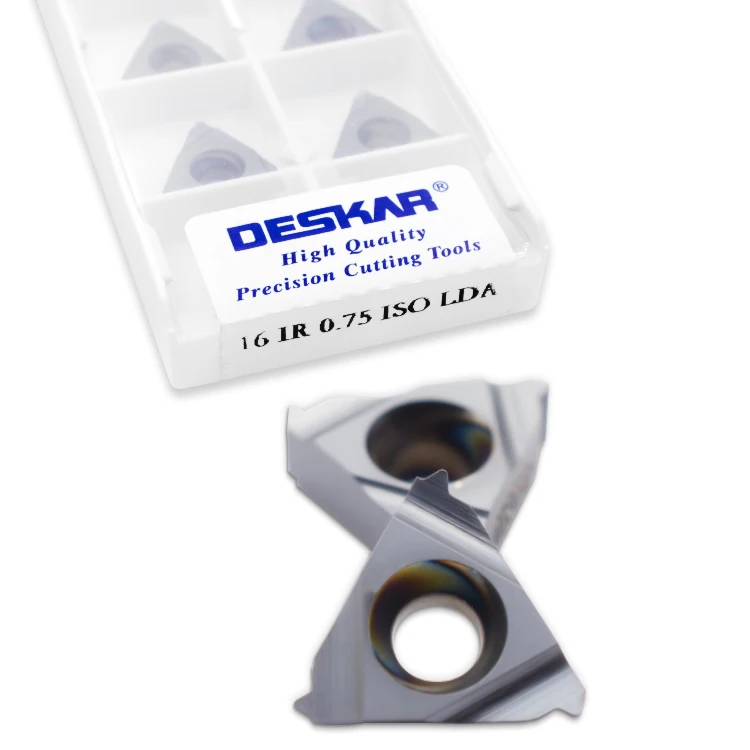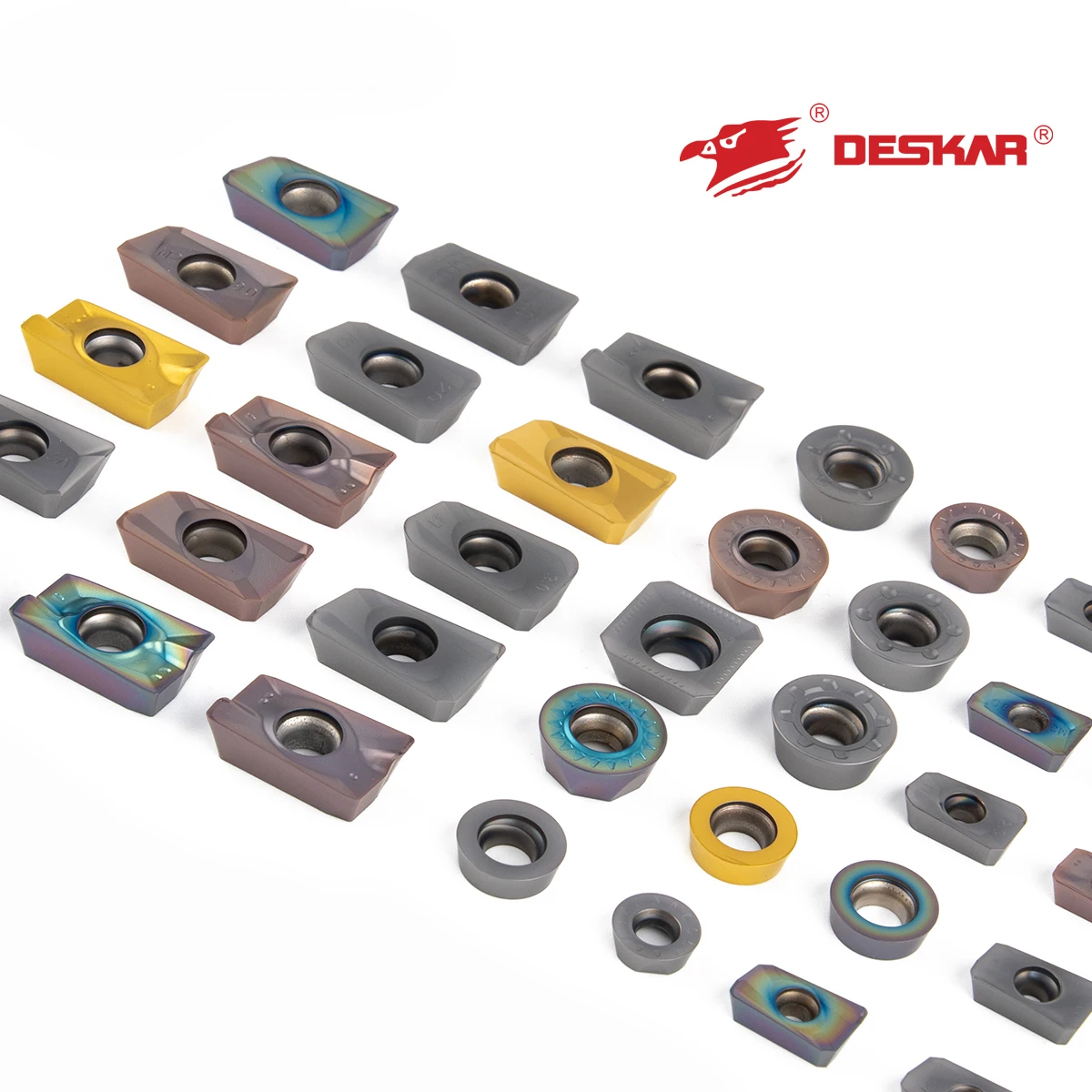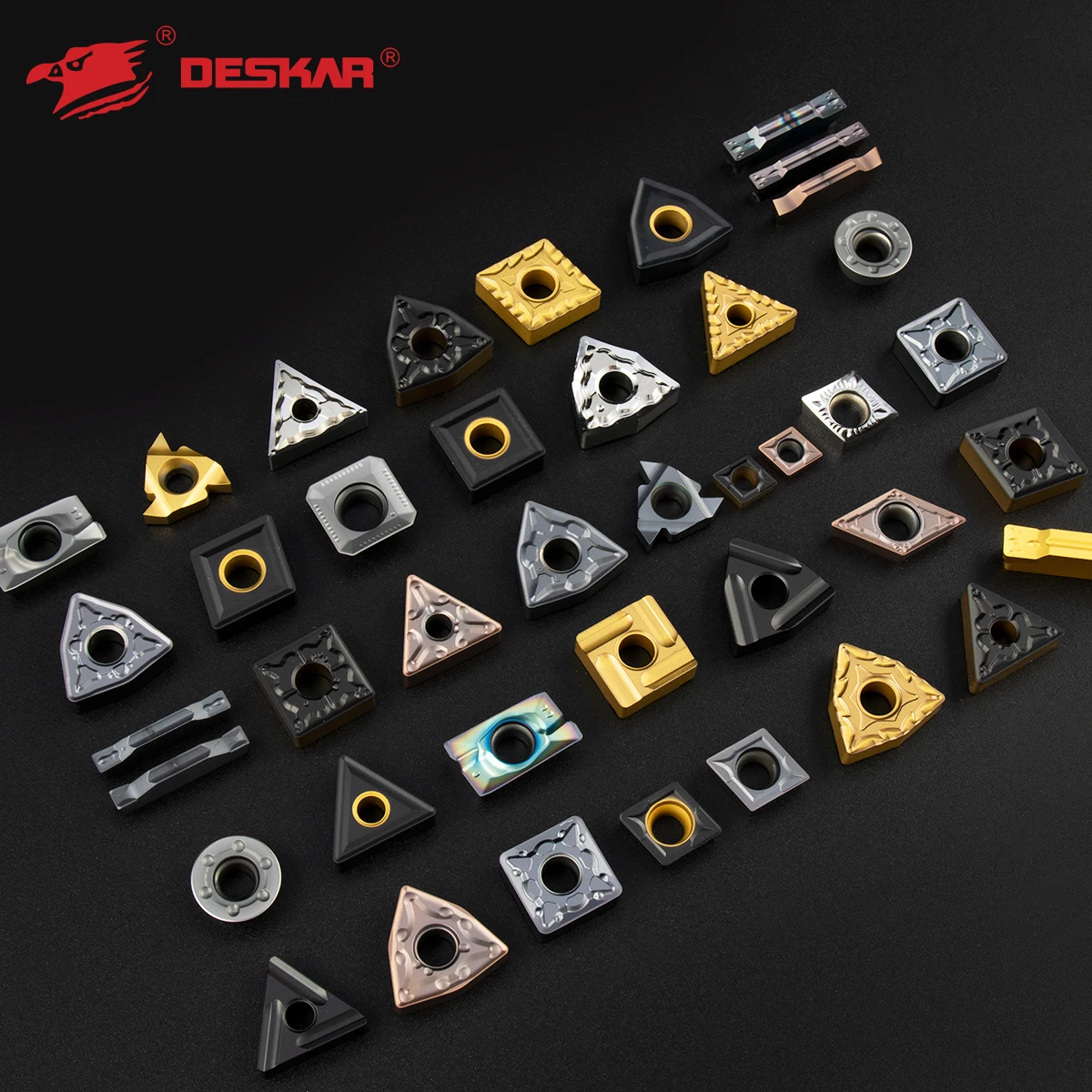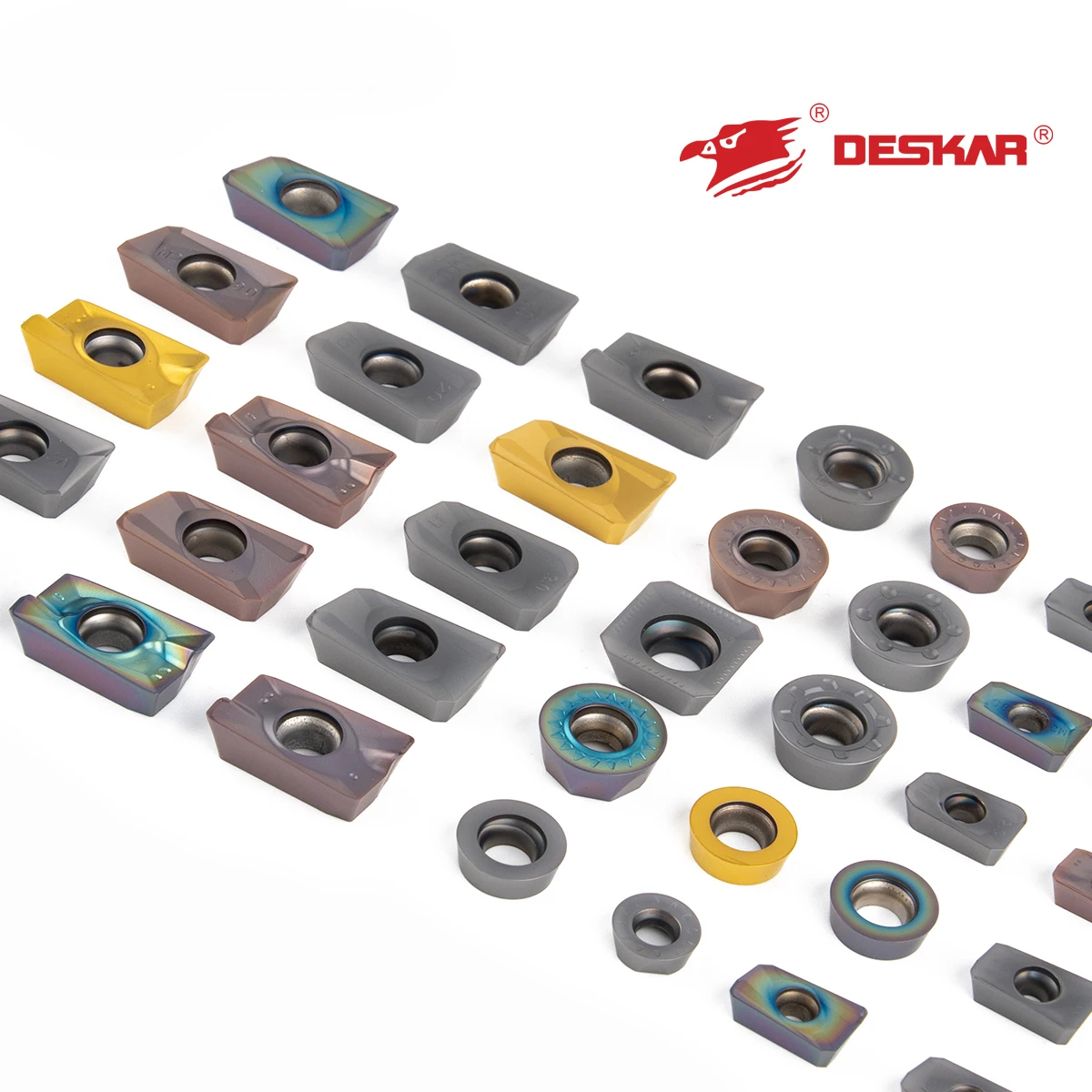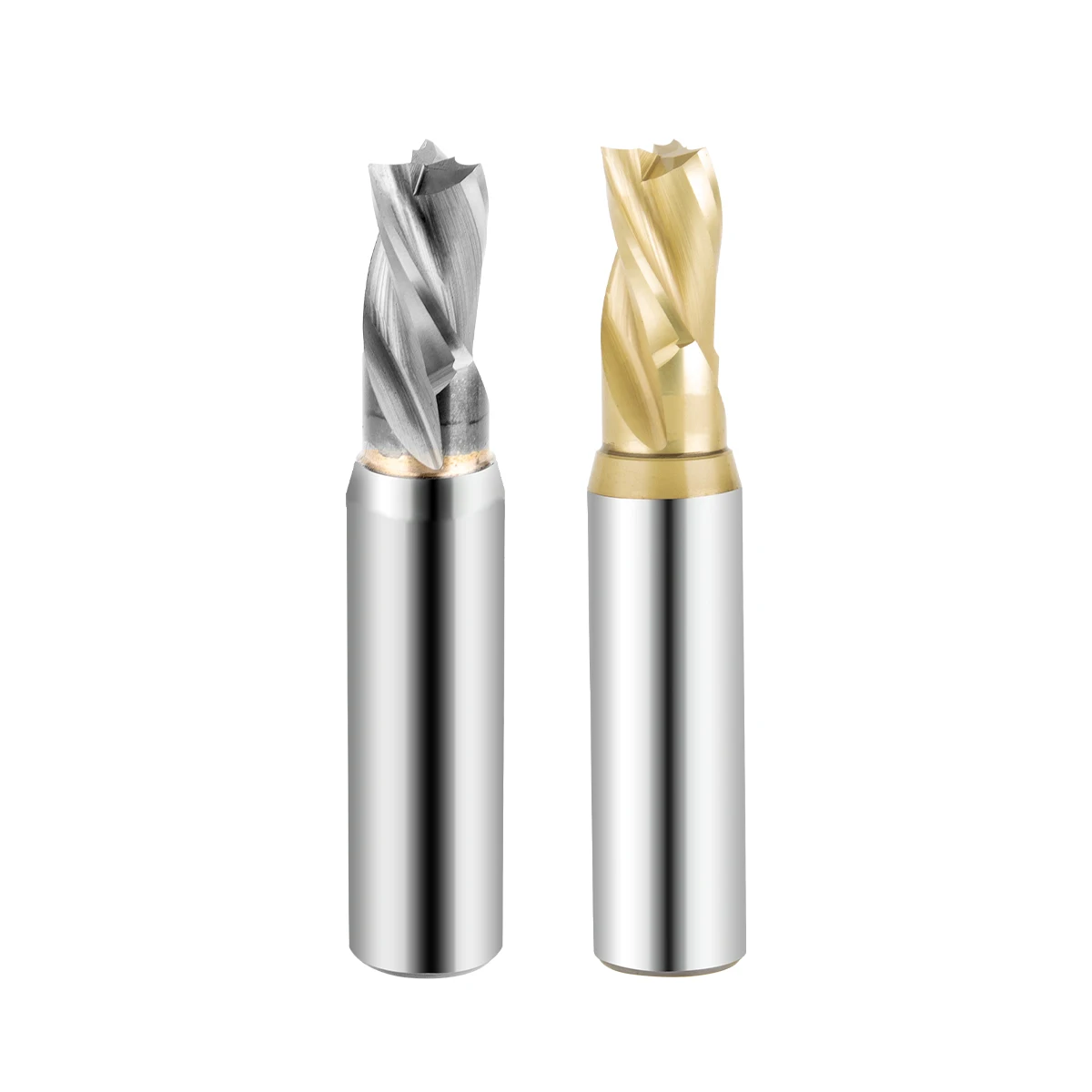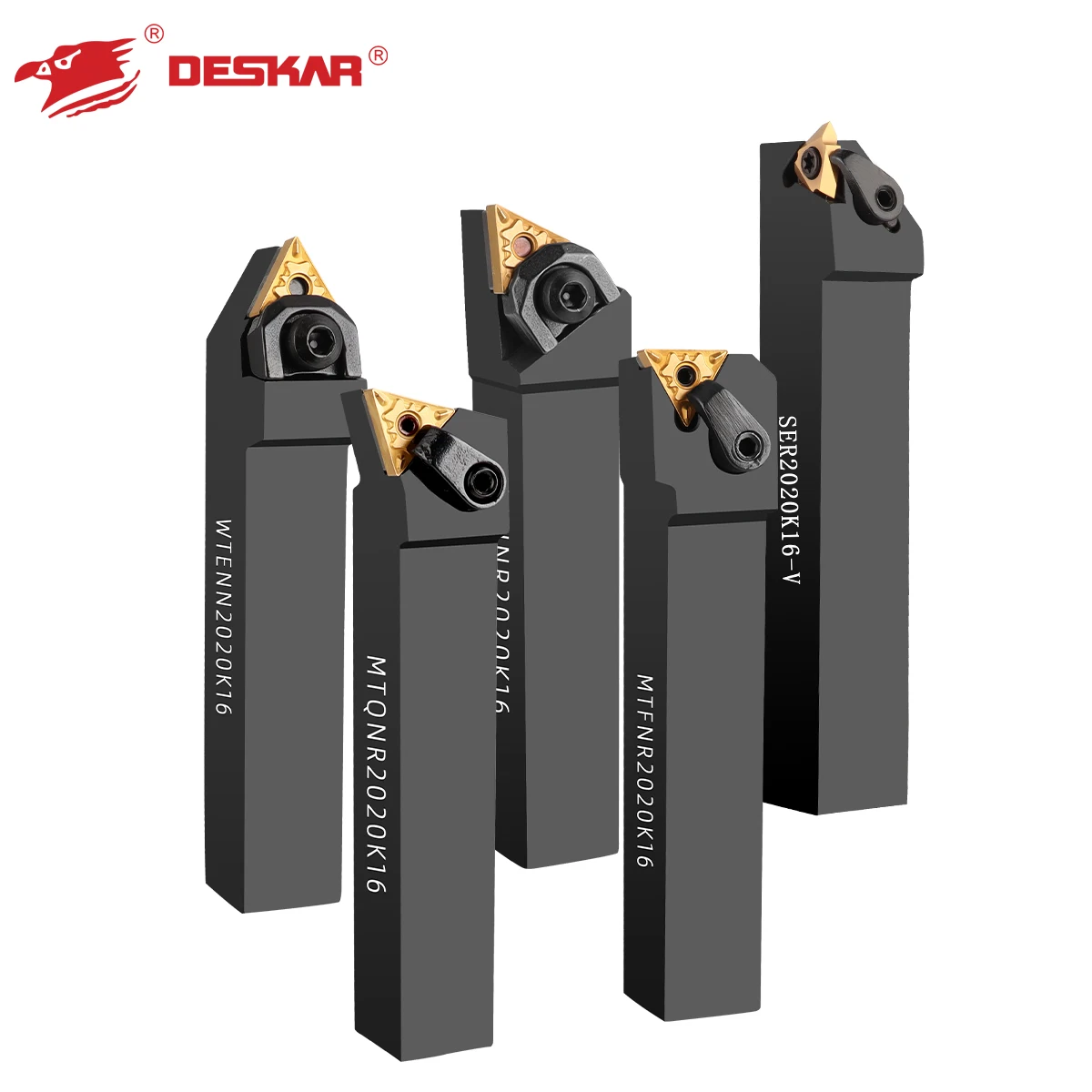
Cutting tools are essential components in various manufacturing processes, enabling precise machining and production in industries such as automotive, aerospace, and mold making. As a B2B buyer, selecting the right milling machine cutters can significantly impact operational efficiency and product quality. This article will explore how to choose the right cutting tools from DESKAR for your project needs, the benefits of high-precision options, and key factors to consider, including coatings and potential issues that may arise during their use.
Selecting the appropriate cutting tools begins with understanding your specific project requirements. Consider the material you will be machining, as different materials require different tool designs and coatings. For example, high-speed steels (HSS) are often suitable for softer materials, while carbide tools are preferred for tougher metals due to their increased durability and heat resistance.
Next, evaluate the machining process—whether it's turning, milling, or drilling. Each process has unique demands, and tools must be compatible with the machinery in use. For example, index able CNC blades are ideal for turning operations, while specialized milling cutters are necessary for milling tasks.
It's also important to consider the tool geometry. Features of DESKAR, such as cutting edge angle, rake angle, and chip breaker design can affect cutting efficiency and surface finish. Discuss these specifications with a trusted supplier like DESKAR. Precision Tools to ensure you receive tools optimized for your application.
When sourcing high-precision cutting tools, opting for a wholesale supplier can lead to significant cost savings and easier procurement. Look for suppliers that offer a wide range of customizable options to meet your specific manufacturing needs. DESKAR precision Tools, for instance, specializes in both standard and non-standard cutting tools and can provide tailored solutions based on your unique requirements.
In addition to customization, consider the supplier's manufacturing capabilities and technology. Advanced production lines and quality control processes ensure that the tools you receive are consistent and reliable. Partnering with a reputable supplier like DESKAR can also help streamline your procurement process, reducing lead times and enhancing supply chain efficiency.
Coatings play a critical role in the performance and longevity of cutting tools. Two of the most common types are Physical Vapor Deposition (PVD) and Chemical Vapor Deposition (CVD).
PVD coatings are generally thinner and provide a high-quality finish, making them ideal for applications requiring precision. They enhance the hardness of the cutting edge and reduce friction, which can improve tool life and surface finish.
On the other hand, CVD coatings are thicker and are often used in high-temperature applications due to their superior thermal stability. They are ideal for heavy-duty machining tasks, particularly in industries such as aerospace and automotive where durability is paramount.
When choosing between PVD and CVD coatings, consider the specific demands of your application, including temperature, material type, and desired tool life. Consulting with a knowledgeable supplier can help clarify which coating is best suited for your cutting tool needs.
Despite their vital role in manufacturing, cutting tools can encounter several issues that can impact performance. Common problems include premature wear, chipping, and breakage. Understanding these challenges can help you implement effective preventive measures.
Premature wear often results from improper machining parameters, such as excessive feed rates or incorrect cutting speeds. Buyers should ensure that their machining parameters align with the tool specifications provided by the manufacturer. Regularly inspecting tools for signs of wear can also prevent performance degradation.
Chipping and breakage can stem from using the wrong tool for a specific application or material. It's crucial to match the tool design and material to the machining operation. For instance, using a tool designed for light machining on heavy-duty tasks may lead to failure.
Maintaining proper lubrication and cooling can also help mitigate these issues, as inadequate cooling can lead to thermal shock and tool damage. By addressing these common challenges, you can extend the life of your fly cutter mill tools and improve overall machining performance.
When purchasing cutting tools in bulk, various factors can influence the overall cost. Material type, tool complexity, and coating options all play significant roles in pricing. For instance, carbide tools typically come at a higher price point than HSS options due to their superior performance characteristics.
Additionally, consider the minimum order quantity (MOQ) set by suppliers. While ordering in bulk can lower unit costs, ensure that the quantity aligns with your production needs to avoid excess inventory.
Lead time is another critical factor. Custom tools may require longer production times, so it’s essential to discuss timelines with your supplier. Lifeng Precision Tools can provide insights on typical lead times based on their manufacturing capabilities, allowing you to plan your procurement strategy effectively.
In summary, understanding the intricacies of cutting tool selection, customization options, and the factors influencing cost can empower B2B buyers to make informed purchasing decisions. By collaborating with a knowledgeable supplier, you can ensure that your chosen fly cutter for mill meet the demands of your specific applications while optimizing performance and cost.