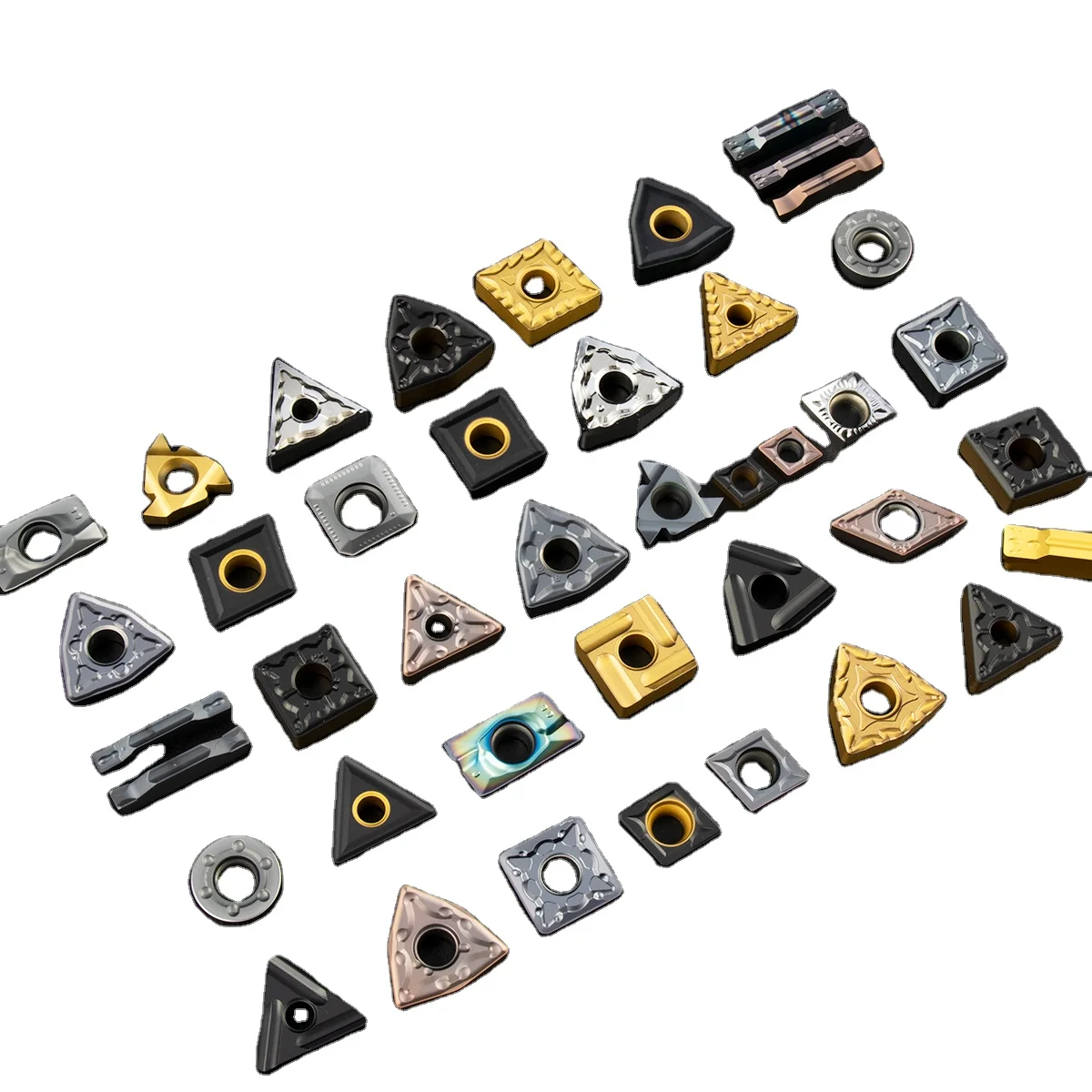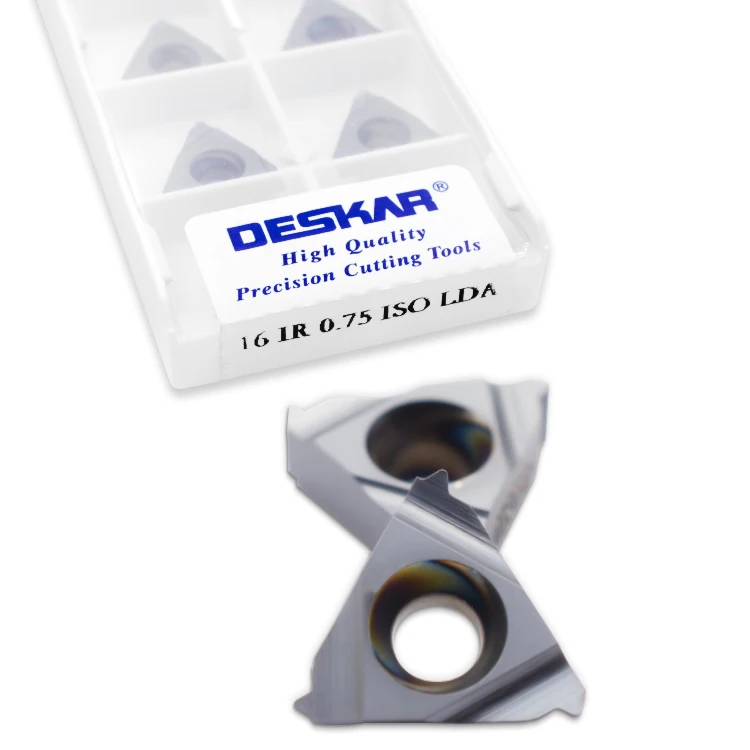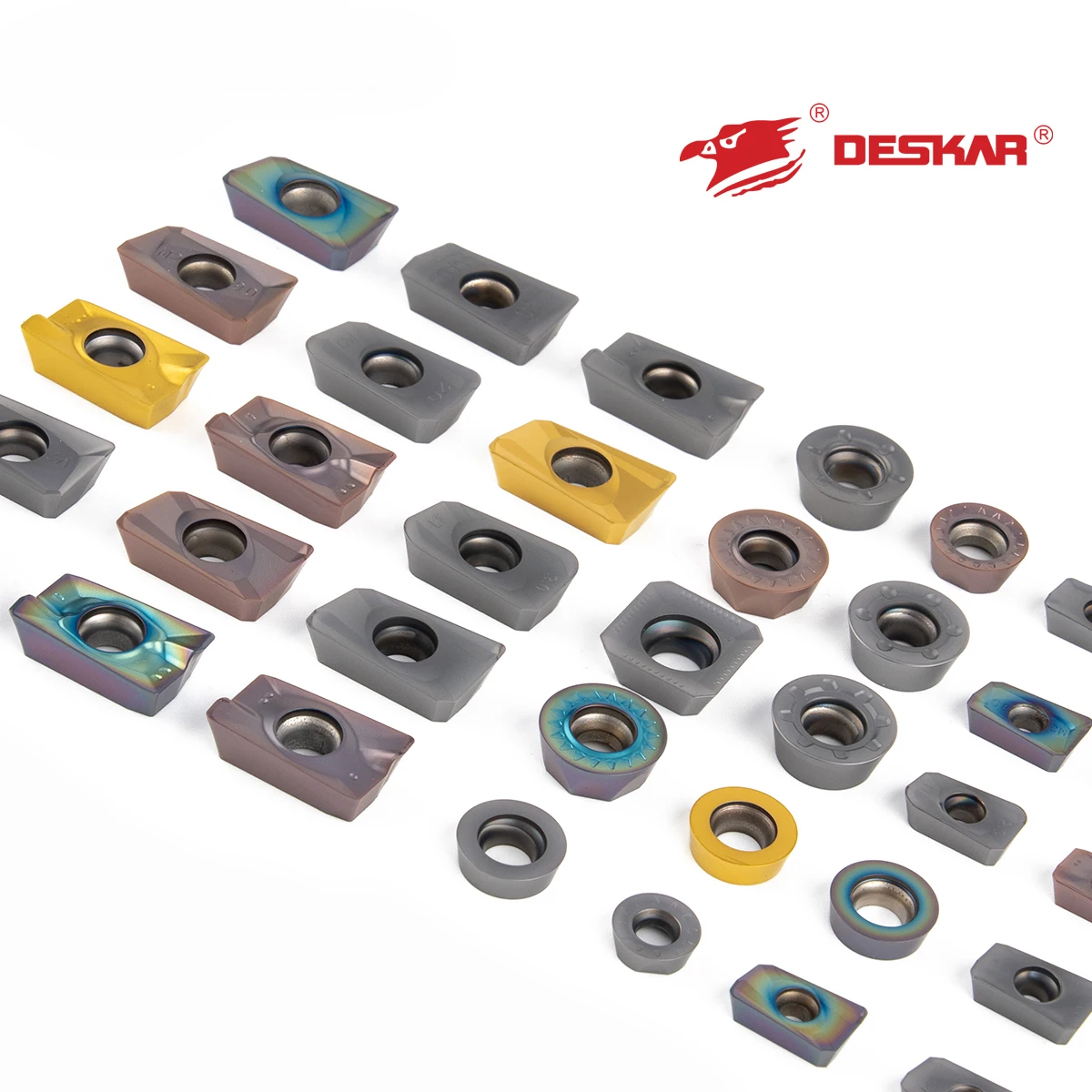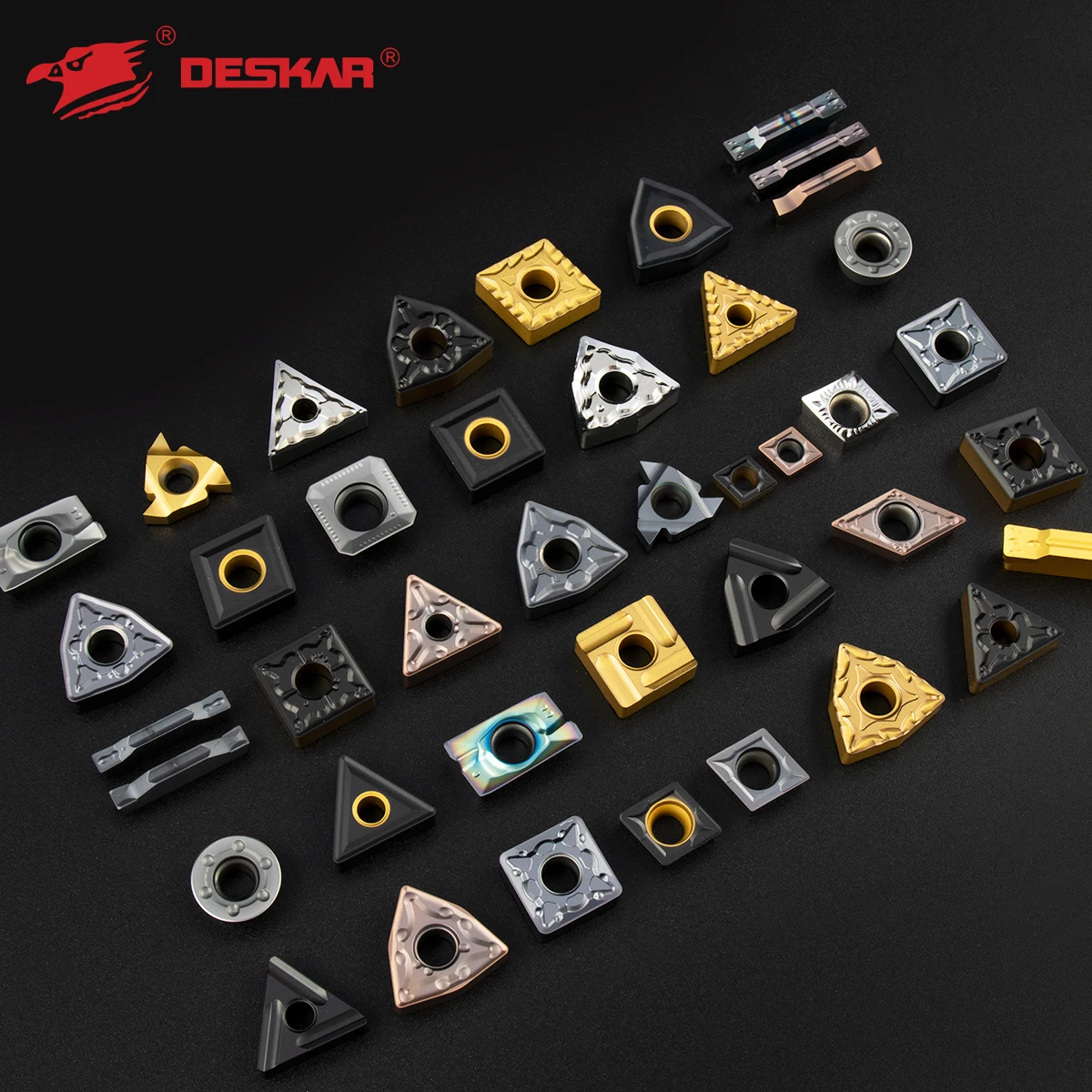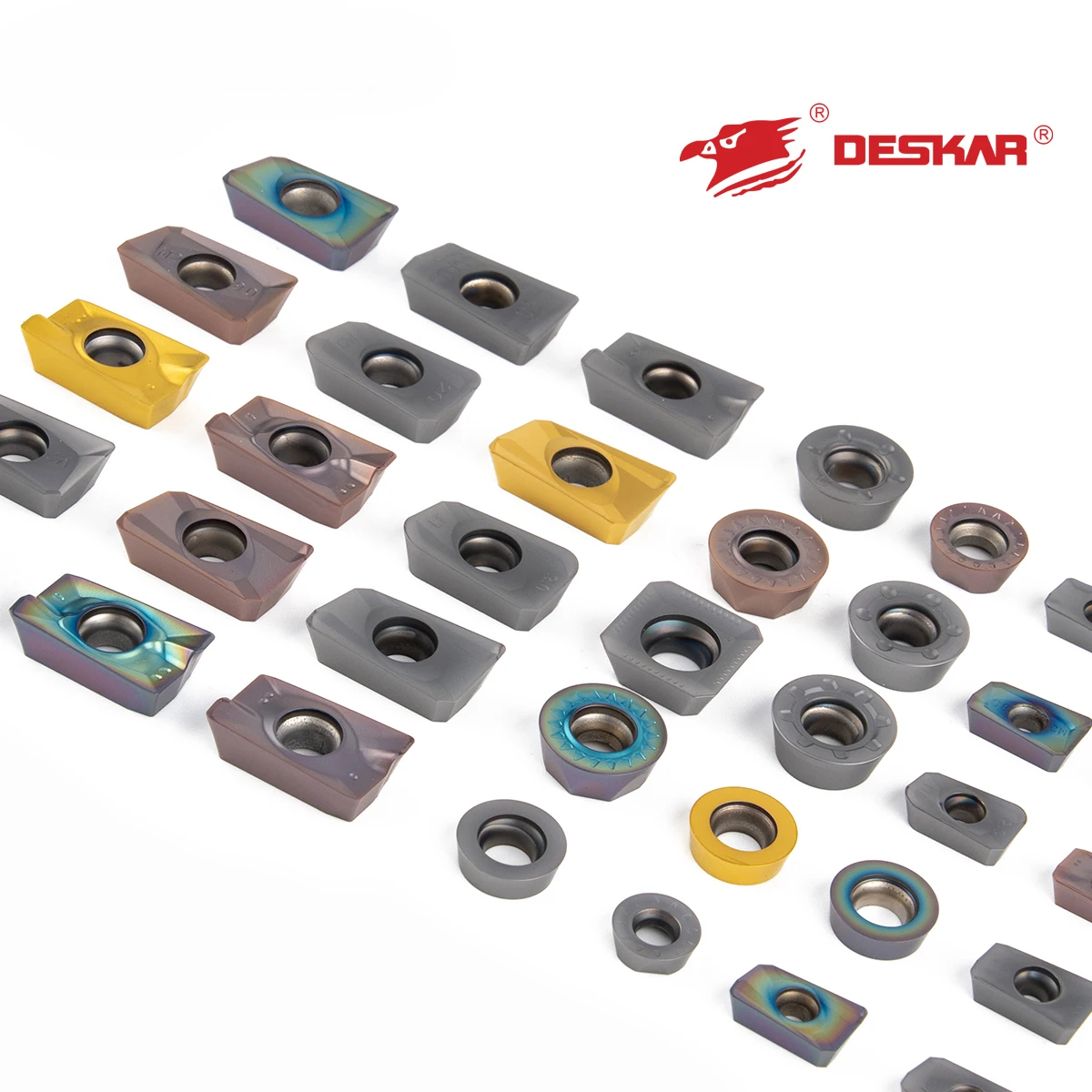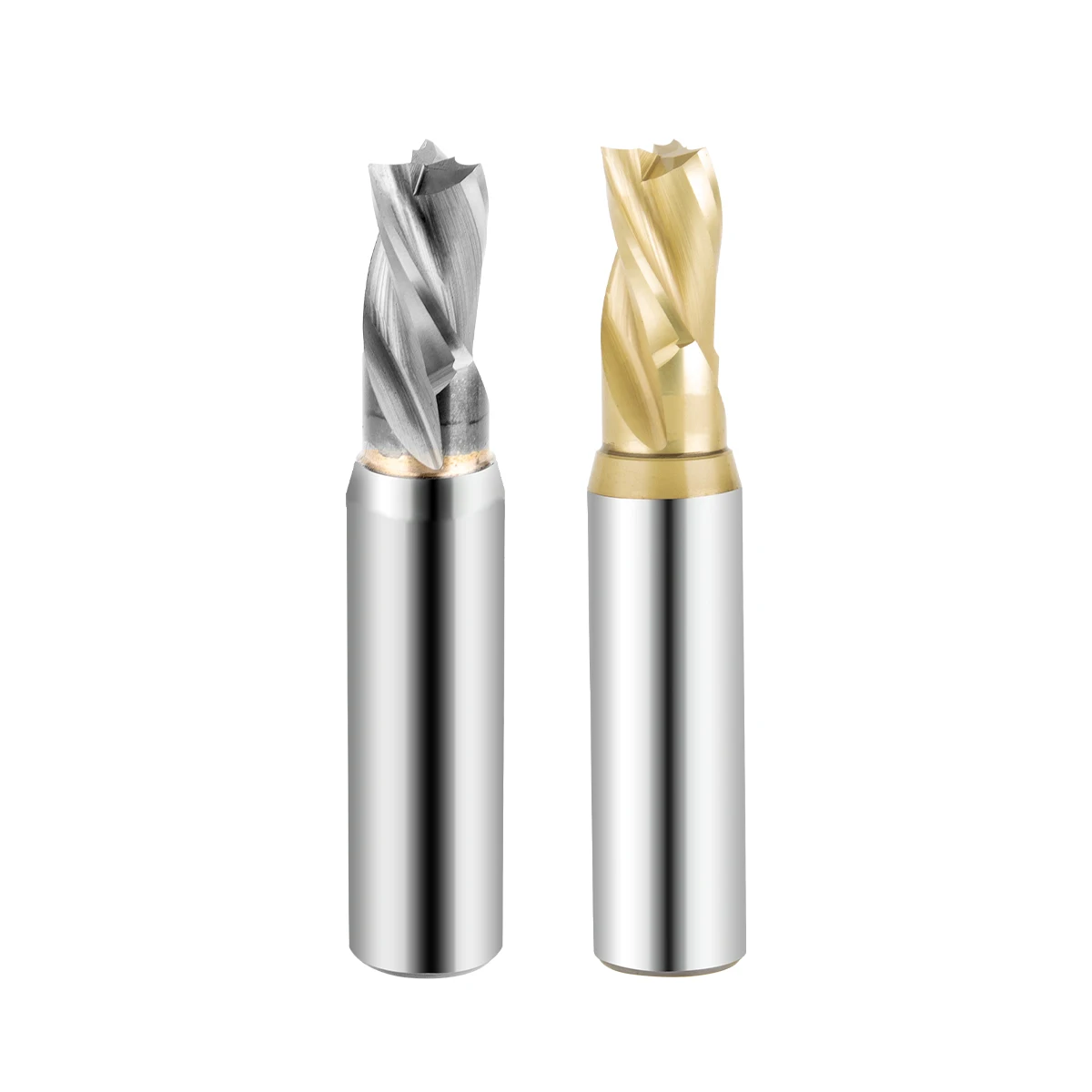
Carbide cutting tools are essential components in various manufacturing processes, particularly in industries such as automotive, aerospace, and mold making. These tools are known for their durability and precision, making them a preferred choice for professionals who seek reliable performance. As a purchasing manager or engineer, understanding the specifications, costs, and suitable applications of milling machine cutting tools is crucial. This article will guide you through the key considerations involved in selecting and utilizing these tools effectively.
Finding a reliable supplier for carbide cutting tools involves evaluating several factors, including manufacturing capabilities, product range, and customer service. Start by researching manufacturers like DESKAR, which specializes in high-precision cutting tools and offers a variety of standard and custom options. Trade shows and industry conferences can also be excellent venues to meet suppliers and assess their products firsthand.
Additionally, consider seeking recommendations from industry peers or exploring online B2B marketplaces that feature verified suppliers. Look for those with a strong reputation in quality control and a commitment to innovation, as this often translates into better product performance. Don’t hesitate to request samples to evaluate the tools' performance before making a bulk order.
When selecting carbide cutting tools, understanding their specifications is vital for ensuring they meet your operational needs. Key specifications include:
Material Composition: Carbide tools are often made from tungsten carbide, known for its hardness and wear resistance. The specific composition will affect performance and suitability for various materials.
Coating Types: PVD (Physical Vapor Deposition) and CVD (Chemical Vapor Deposition) coatings enhance tool life and performance. Different coatings are suited for different applications, so it's essential to match the coating type with the materials you will be cutting.
Geometry and Dimensions: The design and dimensions of the cutting edge play a significant role in the tool's effectiveness. Factors such as rake angle, clearance, and edge radius can influence cutting performance and finish quality.
Evaluating these specifications will help you make informed choices, ensuring that the selected lathe machine cutting tools align with your production requirements.
Cost is a significant factor when purchasing carbide cutting tools, but it’s essential to evaluate more than just the initial price. Key considerations include:
Tool Life: Higher-quality carbide tools may have a higher upfront cost but often provide longer service life, reducing the frequency of replacements and ultimately lowering overall costs.
Volume Discounts: Many manufacturers, including DESKAR, offer discounts for bulk purchases. Understanding your volume needs can significantly impact your budget.
Customization Costs: If your project requires custom solutions, factor in the associated costs. Custom tools may involve higher initial investments but can lead to efficiencies that save money in the long run.
Shipping and Handling: Consider logistics costs, especially if sourcing tools from overseas. Ensure to include shipping fees, customs duties, and potential delays in your budgeting.
By assessing these factors, you can better prepare for a comprehensive purchasing strategy that balances quality and cost.
Proper installation of carbide cutting tools is critical to achieving optimal performance. Here are some guidelines:
Setup and Alignment: Ensure that tools are installed with precise alignment to minimize vibration and wear. Misalignment can lead to uneven cutting and premature tool failure.
Machine Compatibility: Verify that the selected tools are compatible with your machining equipment. Different machines may require specific tool designs or shank types.
Operating Parameters: Refer to the manufacturer’s recommendations for optimal cutting speeds and feed rates. Adjusting these parameters based on the specific material and tool type can enhance performance and prolong tool life.
Testing and Adjustment: After installation, conduct trial runs to monitor performance. Be prepared to make adjustments to speed and feed rates based on the results.
Following these installation guidelines will help ensure that your carbide cutting tools perform effectively across various applications.
For industries with unique requirements, custom carbide cutting tools can provide tailored solutions that off-the-shelf products may not meet. DESKAR specializes in creating both standard and non-standard cutting tools, allowing for flexibility in design.
When considering custom solutions, keep the following in mind:
Application Requirements: Clearly define the specific application and performance requirements. This includes understanding the materials to be cut, desired tolerances, and production rates.
Prototyping: Before finalizing a design, consider requesting prototypes. This allows you to test the tool in real-world conditions, ensuring it meets your needs before committing to a larger order.
Collaboration with Suppliers: Engage closely with your chosen supplier throughout the design process. Their expertise can help refine specifications and optimize tool design for your application.
By investing in metal lathe cutting tools, you can gain significant advantages in efficiency and precision, tailored specifically to your operational needs.
In summary, understanding the nuances of carbide cutting tools—from specifications and costs to installation and customization—is vital for making informed purchasing decisions. With the right knowledge and supplier partnership, you can enhance your manufacturing processes and achieve greater operational success.