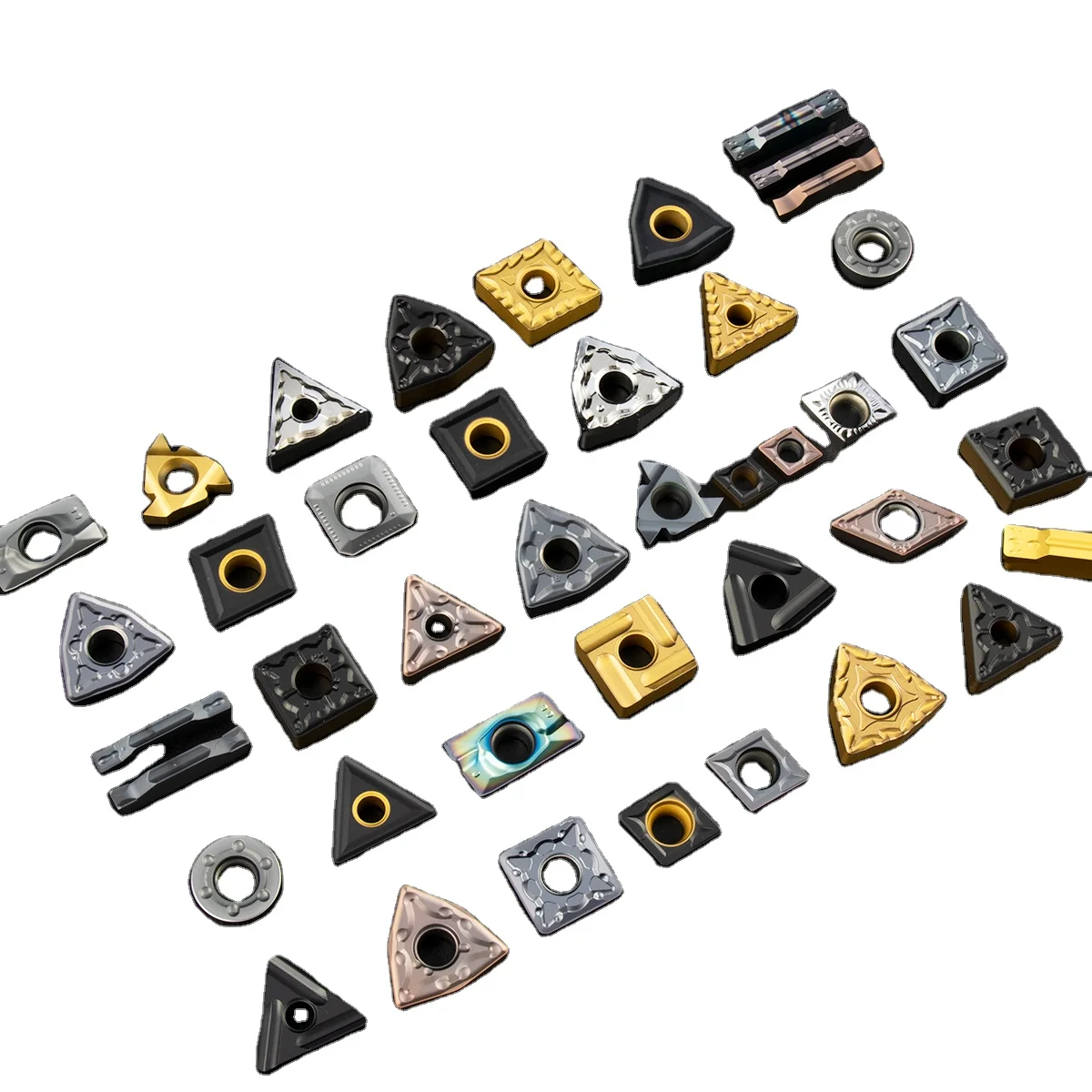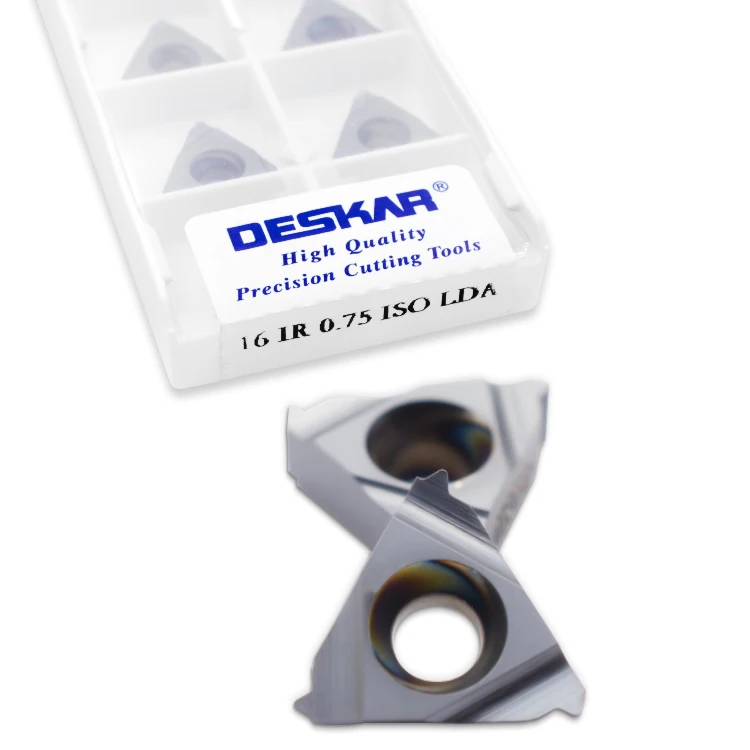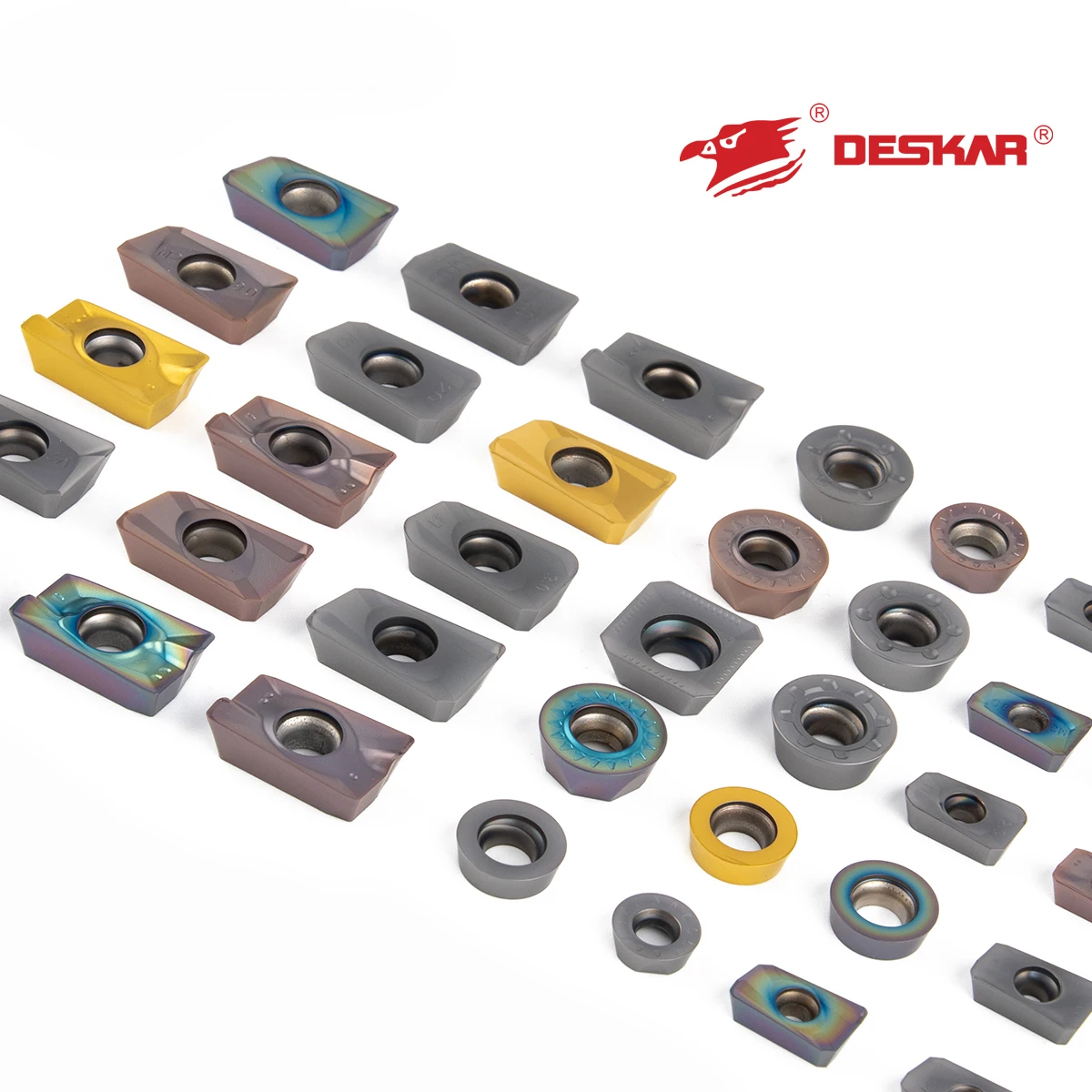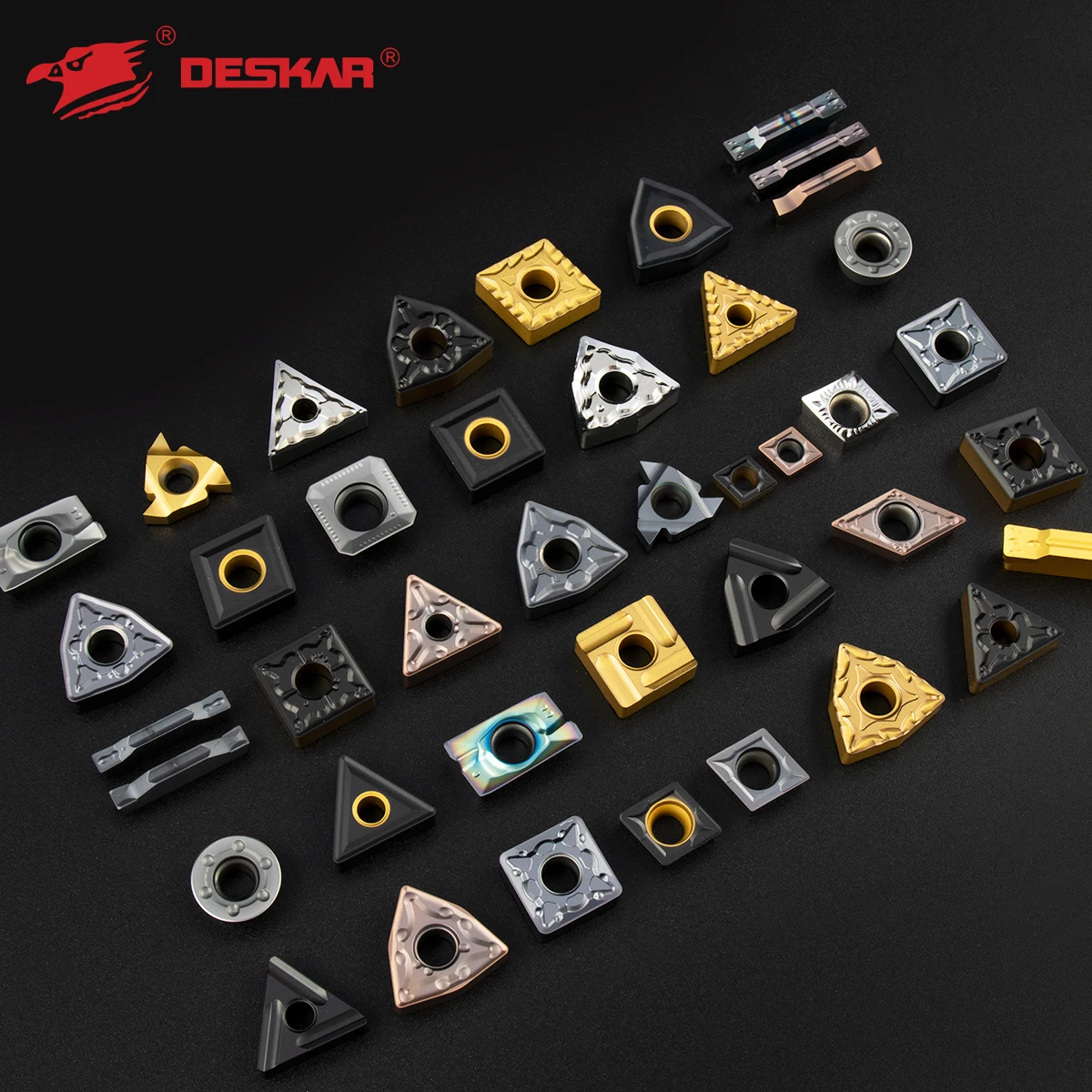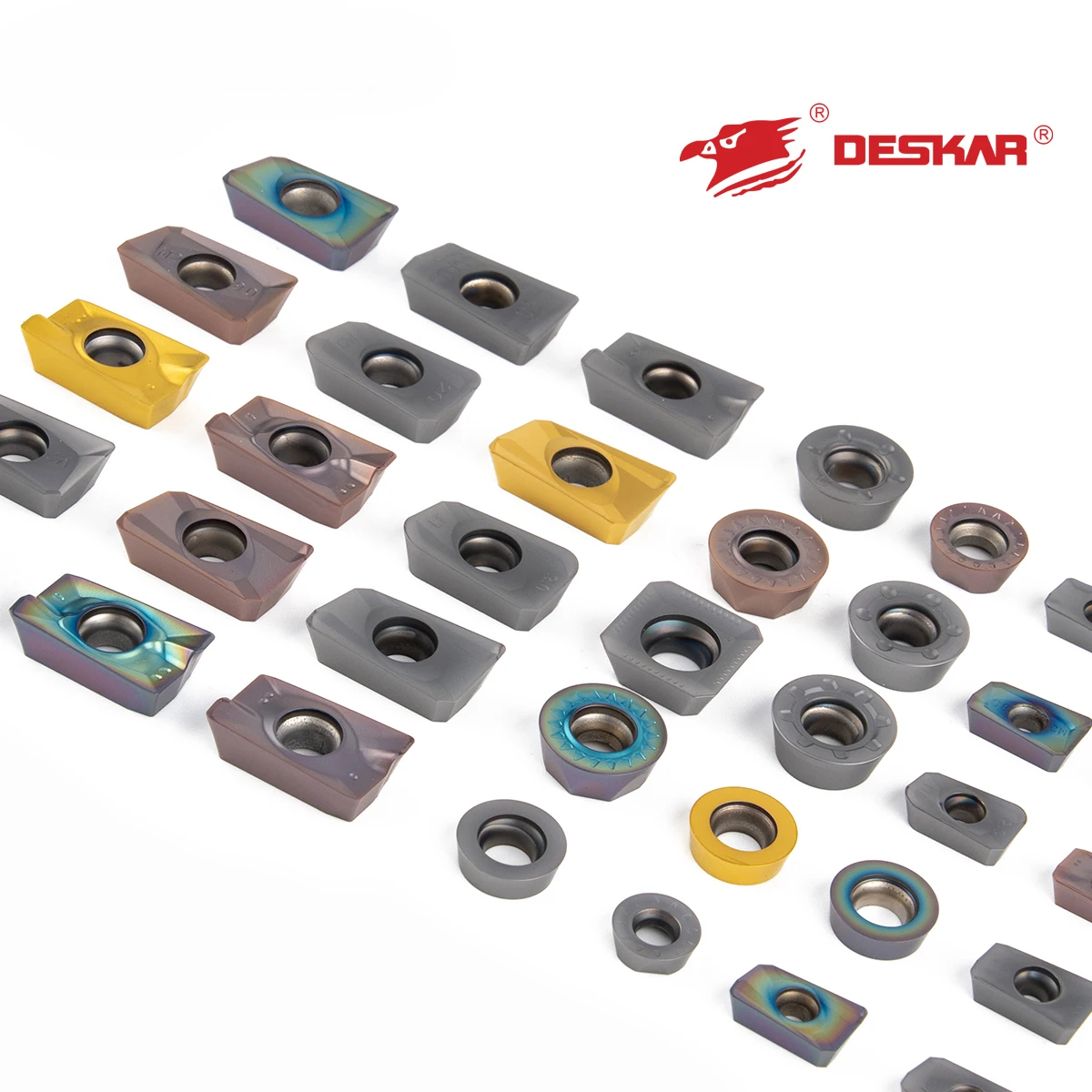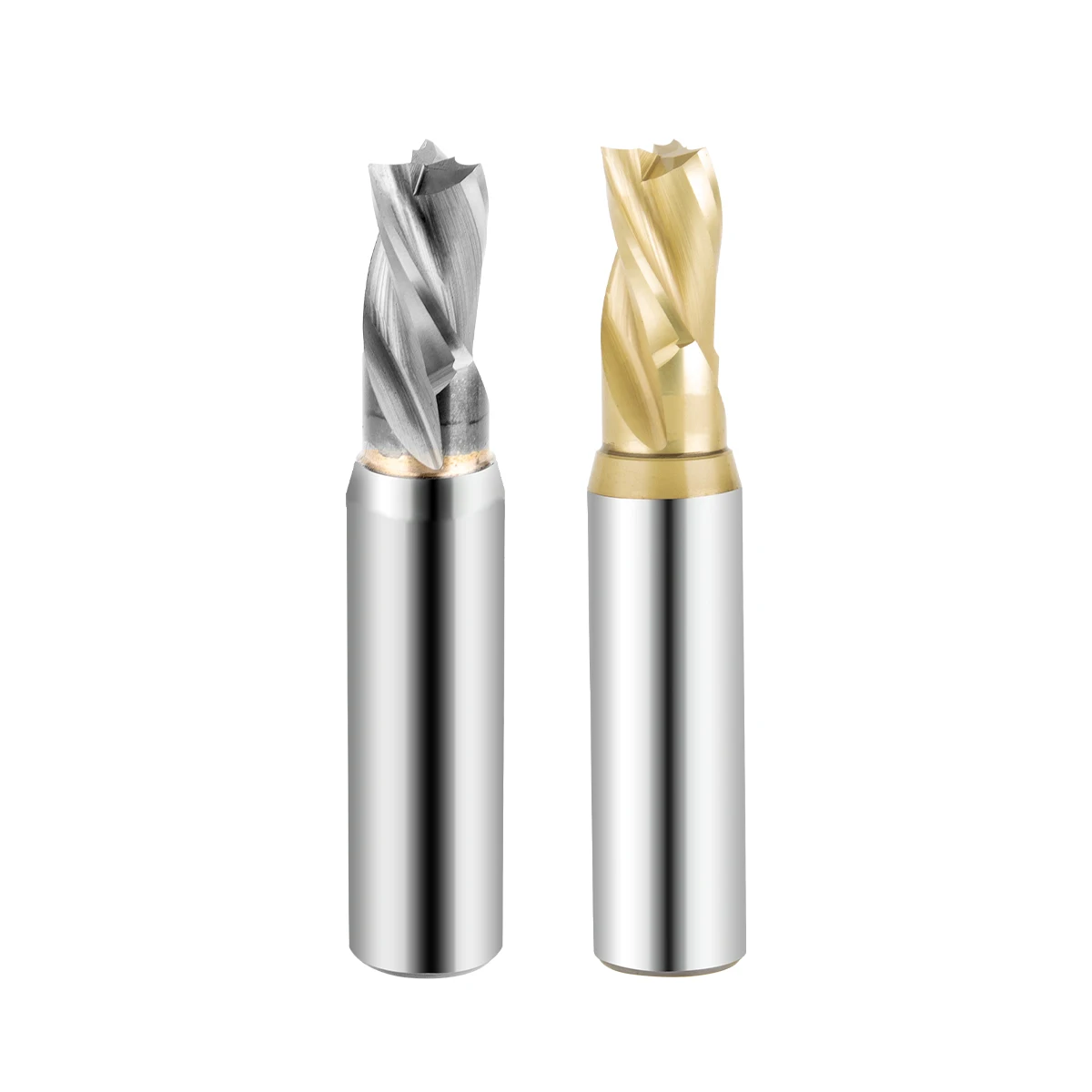
Lathe carbide cutting tools are essential components in precision manufacturing, utilized for turning, milling, and various machining operations. These tools are designed for high performance and longevity, making them a critical investment for industries like mold making, automotive, and aerospace. As a buyer, understanding the specifications, quality indicators, supplier reliability, and application versatility of these mill cutting tools will help ensure optimal performance and cost-effectiveness in your operations. This article will guide you through key aspects of lathe carbide cutting tools to aid in informed purchasing decisions.
Lathe carbide cutting tools are characterized by several key specifications that directly influence their performance. Important specifications include material composition, geometry, coating types, and dimensional accuracy.
Material Composition: The primary material used is tungsten carbide, known for its hardness and wear resistance. Tools may also include cobalt to enhance toughness. Evaluating the specific carbide grade is crucial, as different grades are suited for varying applications and material types.
Geometry: The design of the cutting edge, including rake angle, clearance angle, and tip shape, affects cutting efficiency and chip removal. A sharper cutting edge reduces cutting force and enhances surface finish, while appropriate clearance angles prevent tool damage.
Coating: Coatings such as PVD (Physical Vapor Deposition) and CVD (Chemical Vapor Deposition) improve wear resistance and reduce friction. Choosing the right coating depends on the material being machined and the operational conditions, as different coatings perform better under specific circumstances.
Dimensional Accuracy: Precision in dimensions (diameter, length, and tolerances) is vital for tool compatibility with CNC machines. Buyers should verify that the tools meet specific machining requirements to avoid issues during operation.
Understanding these specifications will help buyers select the right milling machine cutting tools tailored to their machining needs.
Evaluating the quality of DESKAR lathe carbide cutting tools involves several factors that ensure reliability and performance in demanding environments. Here are some essential considerations:
Manufacturing Standards: Look for tools produced under stringent quality control processes. Certifications such as ISO 9001 indicate adherence to international standards, ensuring consistent quality in manufacturing.
Material Verification: Request detailed material specifications and test reports from suppliers. Quality carbide tools should exhibit minimal defects and consistent hardness throughout the tool.
Performance Testing: Many manufacturers conduct performance tests, including wear resistance and cutting efficiency evaluations. Inquire about these tests and any available data to compare tool performance.
User Reviews and Case Studies: Gather feedback from end-users or case studies related to specific tools. Real-world experiences can provide insights into tool longevity and performance under various conditions.
Sample Approval: Before placing a bulk order, request samples to test in your specific application. This allows you to evaluate the tool's performance firsthand and confirm compatibility with your machinery.
By focusing on these quality indicators, buyers can make informed decisions and select lathe carbide cutting tools that meet their operational demands.
Identifying reliable suppliers for lathe carbide cutting tools is critical for ensuring consistent quality and service. Consider the following strategies:
Research and Referrals: Start by researching industry suppliers and seeking referrals from colleagues or industry associations. Networking within your industry can lead to reputable suppliers known for quality products and customer service.
Supplier Credentials: Check the supplier's certifications, experience, and market presence. Established manufacturers often have proven track records and extensive experience, which is crucial for reliability.
Customization Capabilities: Assess the supplier’s ability to provide custom solutions tailored to your specific needs. Suppliers like LIFENG PRECISION TOOLS (ZHEJIANG) CO., LTD, known for custom cutting tools, can meet unique machining requirements.
Customer Support: Evaluate the supplier’s customer service, including responsiveness to inquiries, technical support, and after-sales service. Reliable suppliers should provide comprehensive support throughout the purchasing process and beyond.
Trial Orders: Consider placing small trial orders to evaluate the supplier's product quality and delivery reliability before committing to larger quantities.
By following these steps, buyers can find trustworthy suppliers for lathe carbide cutting tools who can support their manufacturing needs effectively.
Lathe carbide cutting tools are versatile and find applications across various industries due to their durability and precision. Key application areas include:
Mold Making: In mold manufacturing, precise cutting tools are required for creating intricate designs and achieving high-quality finishes. Carbide tools provide the necessary strength and precision for both hard and soft molds.
Automotive Industry: The automotive sector utilizes lathe carbide cutting tools for machining engine components, transmission parts, and other critical components. Their ability to withstand high temperatures and wear makes them ideal for heavy-duty applications.
Aerospace Industry: Aerospace components demand exceptional precision and reliability. Carbide cutting tools are used for machining parts like turbine blades and landing gear, where performance and safety are paramount.
General Manufacturing: Beyond specialized industries, DESKAR lathe machine cutting tools are widely used in general manufacturing for producing a range of components requiring high precision and surface finishes.
Understanding these applications helps buyers ensure that the selected tools are appropriate for their specific manufacturing needs.
Proper installation of DESKAR lathe carbide cutting tools in CNC machines is crucial for maximizing performance and tool life. Here are some essential guidelines:
Tool Holder Compatibility: Ensure that the tool holder is compatible with the selected carbide tool. Check the specifications of both to confirm proper fit and alignment.
Correct Alignment: When installing the tool, ensure it is aligned correctly within the holder. Misalignment can lead to increased wear, poor cutting performance, and even tool breakage.
Set Cutting Parameters: Adjust the CNC machine's cutting parameters, such as speed, feed rate, and depth of cut, based on the tool specifications and material being machined. Refer to the manufacturer's guidelines for optimal settings.
Test Cuts: Before commencing full production, perform test cuts to validate the setup. Monitor the tool’s performance and adjust parameters as necessary to achieve the desired results.
Regular Maintenance: Establish a routine for inspecting and maintaining the tools and machine. Regular checks can prevent issues and ensure consistent quality in production.
By following these installation guidelines, buyers can enhance the performance of lathe carbide cutting tools and achieve optimal results in their machining operations.
understanding the specifications, evaluating quality, finding reliable suppliers, recognizing applications, and ensuring proper installation are vital steps for buyers of lathe carbide cutting tools. By following these best practices, you can enhance your machining processes and achieve greater efficiency in your manufacturing operations.