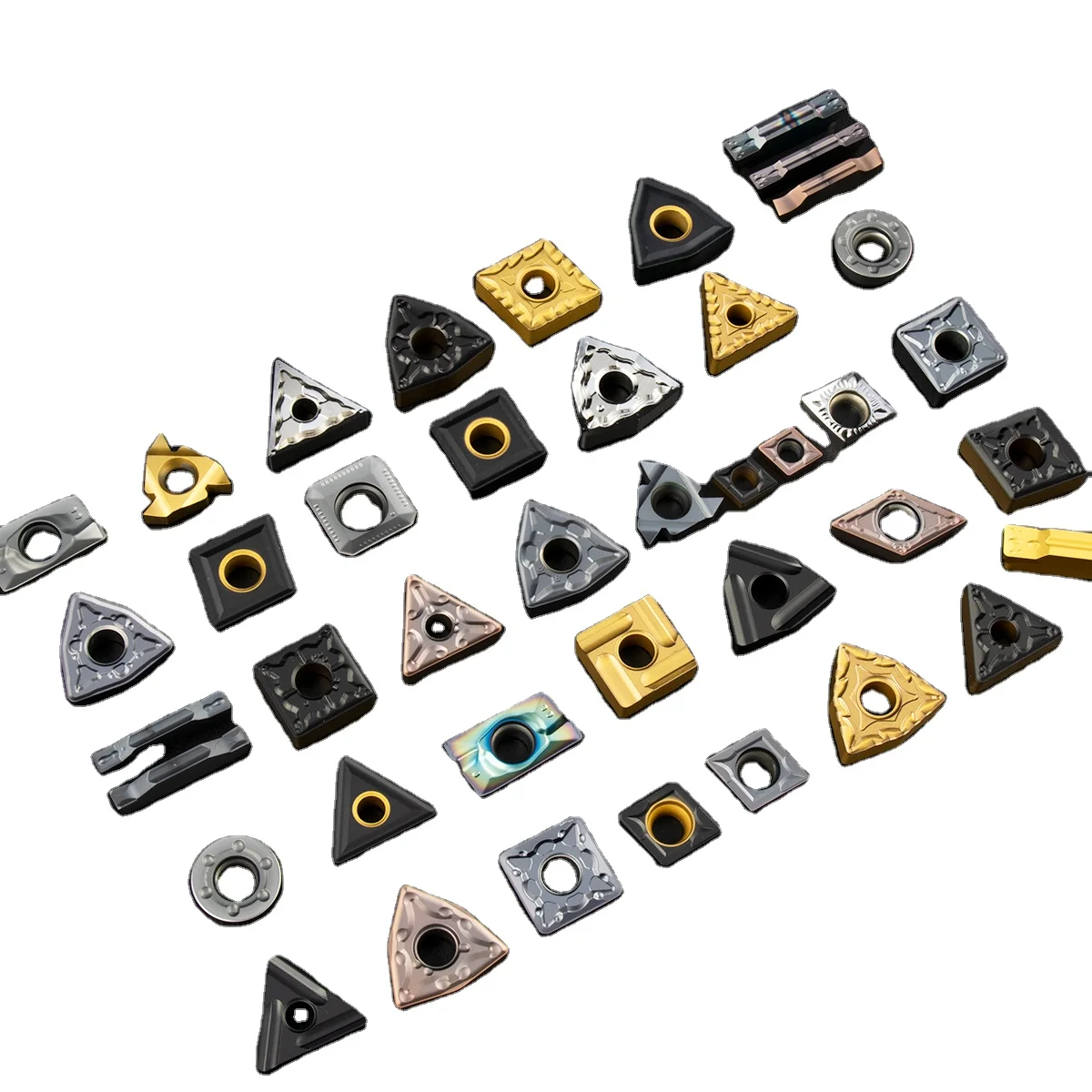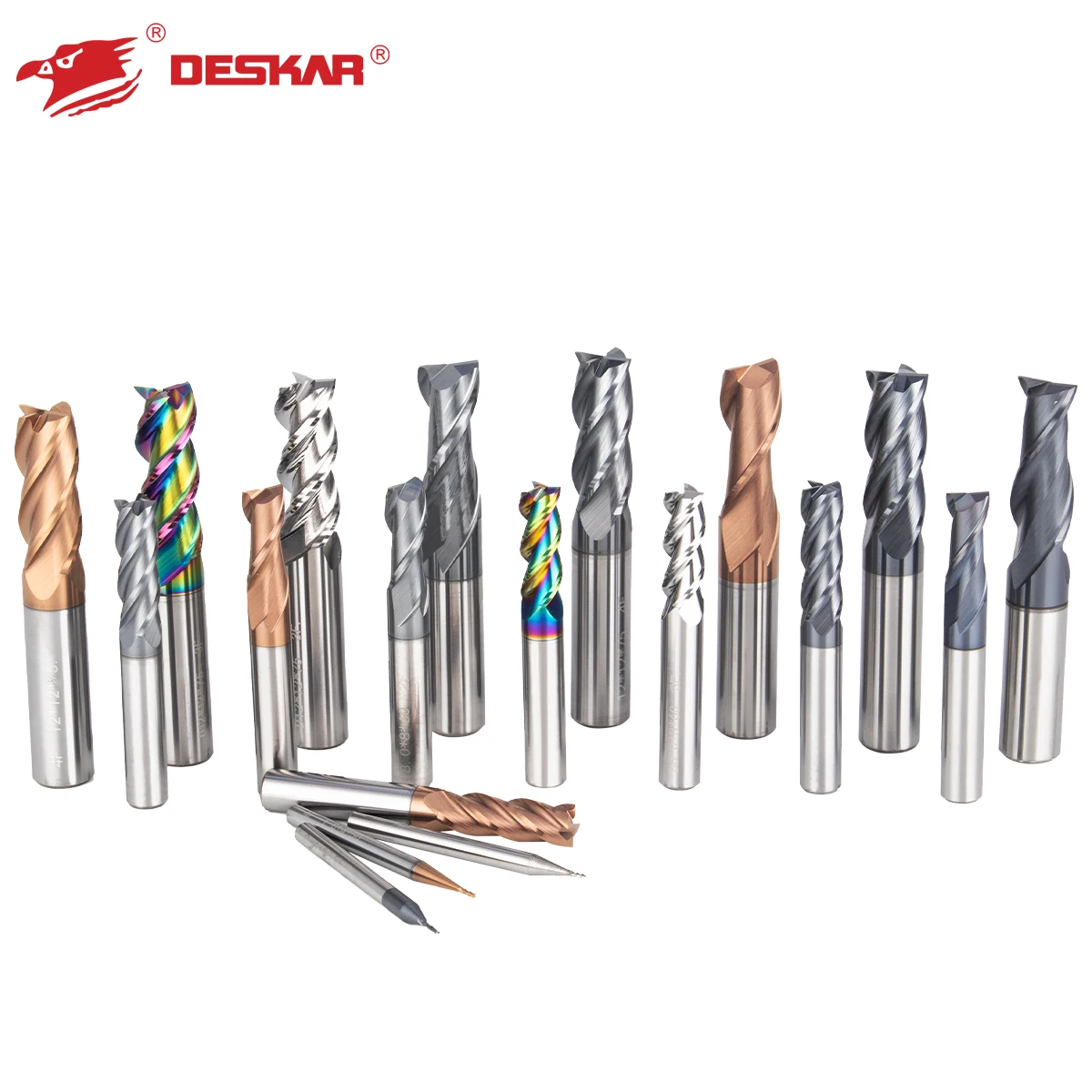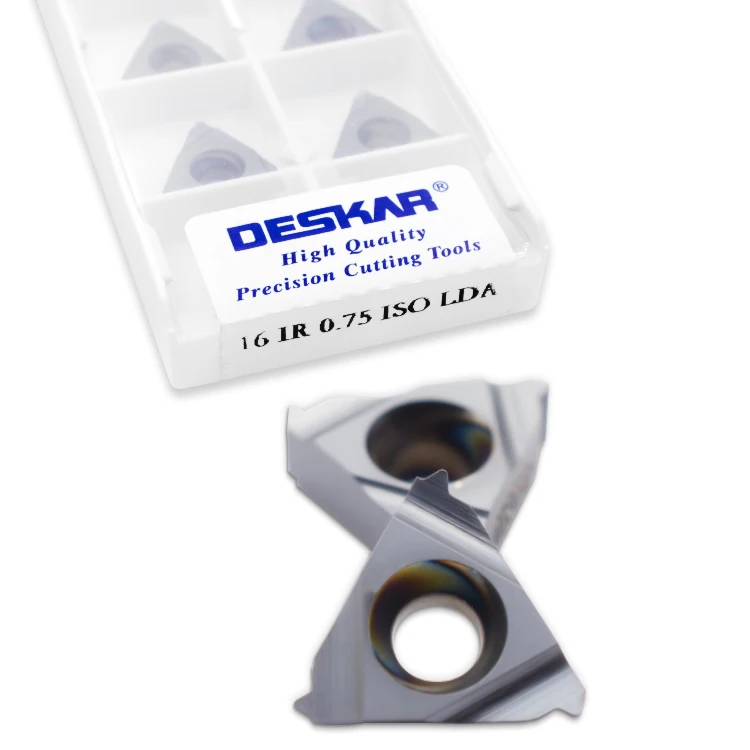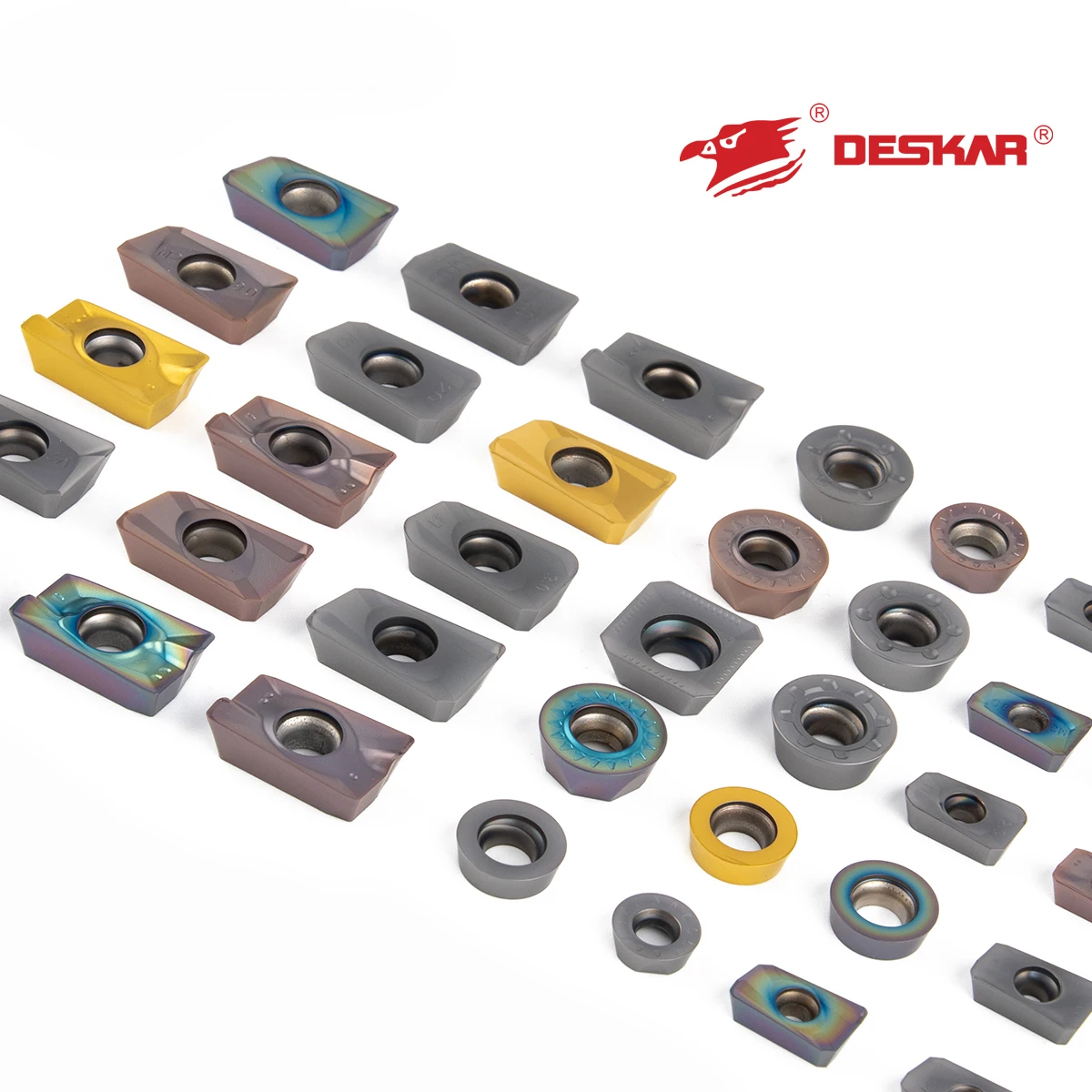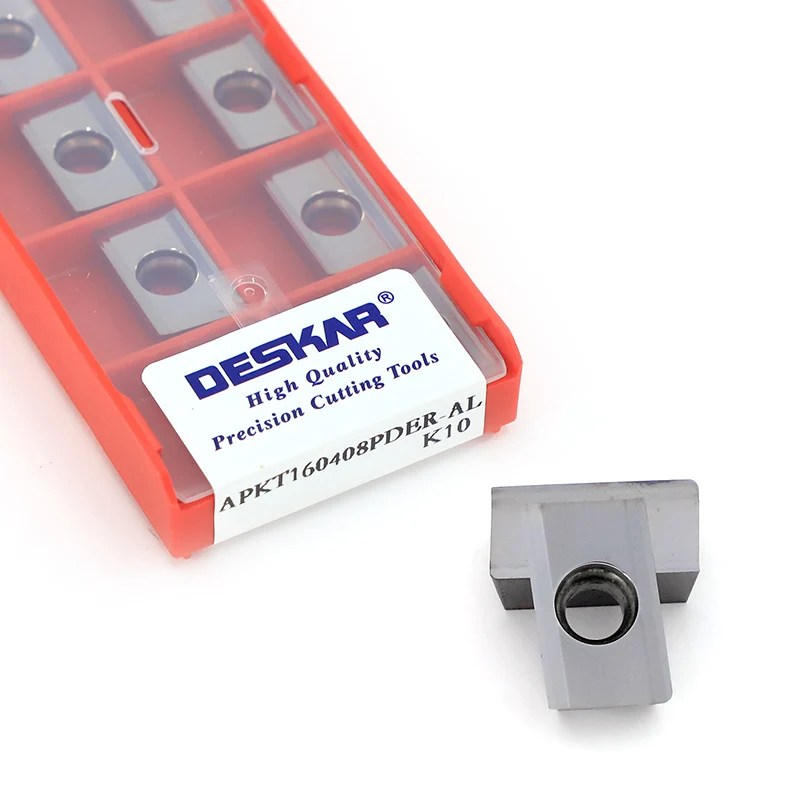
Cutting tools in milling machines are essential components that significantly impact the efficiency and quality of machining processes across various industries, including automotive, aerospace, and mold manufacturing. For purchasing managers and engineers, understanding the specifications and applications of these cutting tools is crucial for making informed decisions. This article will address key specifications, supplier considerations, common challenges, installation guidance, and industry applications to help you navigate the complexities of selecting the right cutting tools for milling machines.
When selecting cutting tools for milling machines, several specifications are critical to ensure optimal performance. These include:
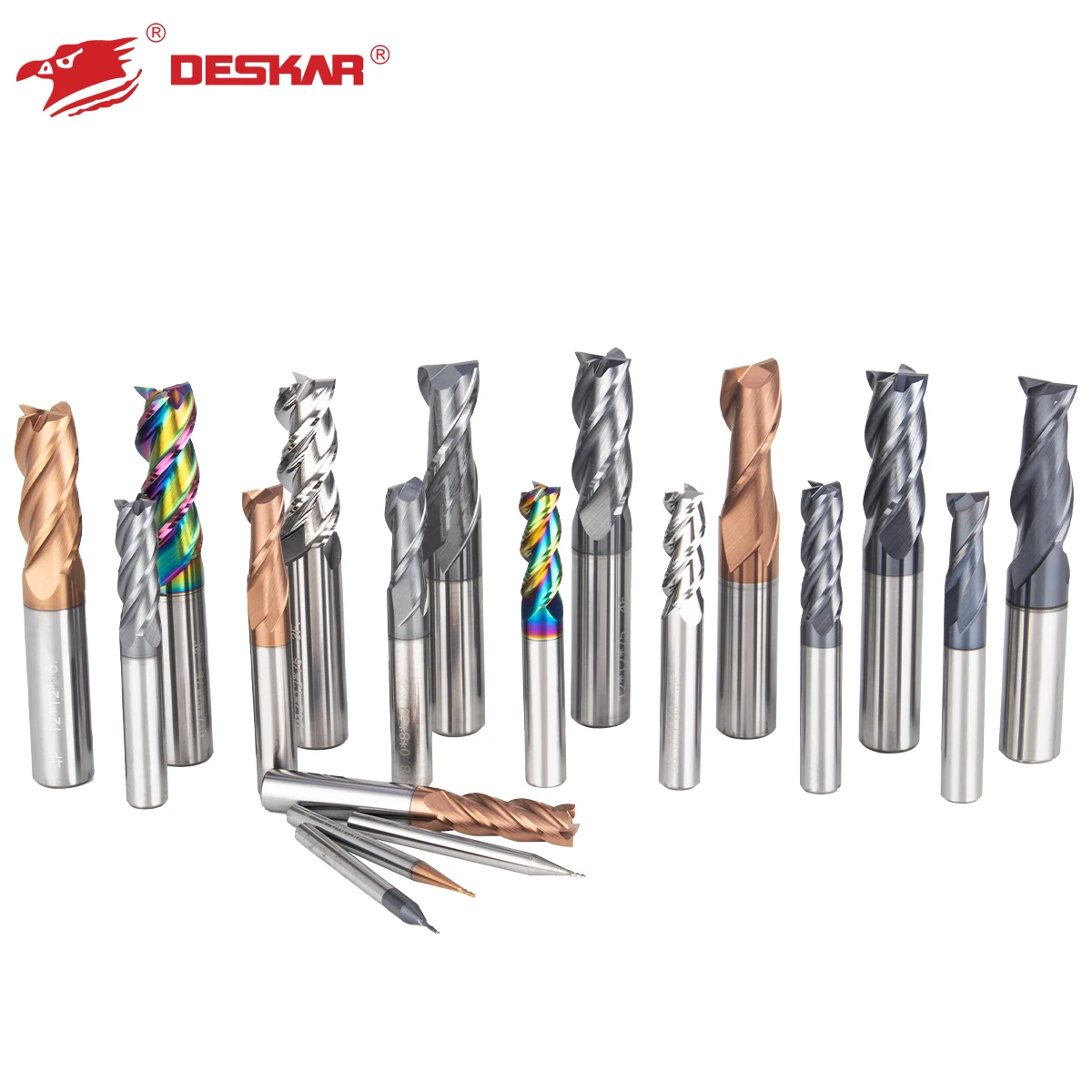
Material Composition: Cutting tools are typically made from high-speed steel (HSS), carbide, or ceramic materials. Carbide tools offer superior hardness and wear resistance, making them suitable for high-speed machining, while HSS tools are more cost-effective for lower-speed applications.
Coating Type: PVD (Physical Vapor Deposition) and CVD (Chemical Vapor Deposition) coatings enhance tool life by providing a protective layer that reduces friction and increases hardness. Choosing the right coating can help optimize the cutting process based on the material being machined.
Geometry: The tool's geometry, including flute design, cutting edge angle, and chip removal capabilities, affects the cutting efficiency and surface finish. A well-designed tool will minimize vibration and improve chip evacuation.
Dimensions: Tool diameter, length, and shank size are essential for compatibility with the milling machine and the specific application. Ensuring the correct dimensions prevents operational issues and maximizes machining accuracy.
Tolerance and Finish: High precision tolerances are crucial in applications where component fit and finish are paramount. Buyers should verify the tolerance levels required for their specific projects.
By understanding these specifications, buyers can better evaluate cutting tools in milling machines to meet their operational needs.
Identifying trustworthy suppliers for cutting tools is vital for maintaining production efficiency. Here are key factors to consider when evaluating potential suppliers:
Manufacturing Capabilities: Look for suppliers with advanced manufacturing processes, such as CNC machining and quality control systems. A company like LIFENG PRECISION TOOLS (ZHEJIANG) CO., LTD, which specializes in high-precision standard and non-standard cutting tools, can provide insights into their capabilities and production processes.
Experience and Expertise: Suppliers with extensive experience in the industry are more likely to understand the specific requirements of your applications. Assess their track record in providing tools for similar industries, such as automotive and aerospace.
Customization Options: The ability to provide tailored solutions is a significant advantage. Suppliers should be willing to work with you to develop custom cutting tools that meet your unique specifications.
Certifications: Ensure that the supplier adheres to relevant industry standards and possesses the necessary certifications. This can be an indicator of their commitment to quality and reliability.
Customer Support: Evaluate the level of customer service offered by the supplier. Prompt communication and support can significantly impact your purchasing experience and after-sales service.
By focusing on these factors, buyers can establish strong relationships with suppliers who can meet their cutting tool needs effectively.
While using cutting tools in milling machines, several common issues may arise. Understanding these problems can help buyers address them proactively:
Tool Wear: Excessive tool wear can lead to poor surface finish and dimensional inaccuracies. Factors contributing to wear include improper feed rates, cutting speeds, and inadequate cooling. Regularly monitoring tool performance and adjusting machining parameters can mitigate this issue.
Chipping and Cracking: Tools made from brittle materials may chip or crack under excessive stress or improper handling. To prevent this, ensure that the selected tool is suitable for the material being machined and that appropriate machining conditions are maintained.
Vibration and Deflection: Vibration during the milling process can impact the quality of the lathe machine cutting tools part. Ensuring that the tool is properly secured and that the milling machine is well-maintained can minimize these issues.
Poor Chip Removal: Inadequate chip removal can lead to tool clogging and overheating. Selecting tools with appropriate flute designs and ensuring proper coolant application can enhance chip evacuation.
By addressing these common problems, buyers can improve the longevity and performance of cutting tools in milling machines.
Proper installation of cutting tools in milling machines is crucial to ensure optimal performance and minimize operational issues. Here are some guidelines for effective installation:
Cleanliness: Before installation, ensure that both the tool and the machine spindle are clean and free of debris. Contaminants can affect tool performance and lead to inaccuracies.
Secure Mounting: Use the appropriate tool holder for the cutting tool, ensuring it is securely tightened. This helps prevent tool deflection during operation, which can compromise precision.
Correct Tool Alignment: Properly align the cutting tool with the milling machine cutting tools axis. Misalignment can lead to uneven wear and reduced tool life. Utilize alignment tools or indicators to achieve accurate positioning.
Initial Testing: After installation, conduct a test run at reduced speeds to verify the setup before full production. Monitor the cutting performance and make necessary adjustments to speed and feed rates.
Following these installation guidelines can significantly enhance the efficiency and effectiveness of cutting tools in milling machines.
Cutting tools in milling machines have diverse applications across various industries. Understanding these applications can help buyers select the right tools for their needs:
Automotive Industry: Cutting tools are extensively used in machining engine components, transmission parts, and other critical automotive elements. The demand for precision and speed in this sector necessitates high-performance cutting tools.
Aerospace Sector: In aerospace applications, cutting tools must meet stringent tolerances and material requirements. Tools designed for machining lightweight composites and titanium alloys are essential in this industry.
Mold and Die Manufacturing: The mold industry relies heavily on mill cutting tools for producing high-precision molds. Customized solutions are often required to meet the specific geometry and surface finish requirements of different molds.
General Manufacturing: Beyond specialized industries, cutting tools are fundamental in general manufacturing processes for various components. Versatility in tool design allows for a broader range of applications.
Understanding the specific applications of cutting tools can guide purchasing managers and engineers in selecting the most appropriate tools for their operational needs, ensuring efficiency and quality in production processes.