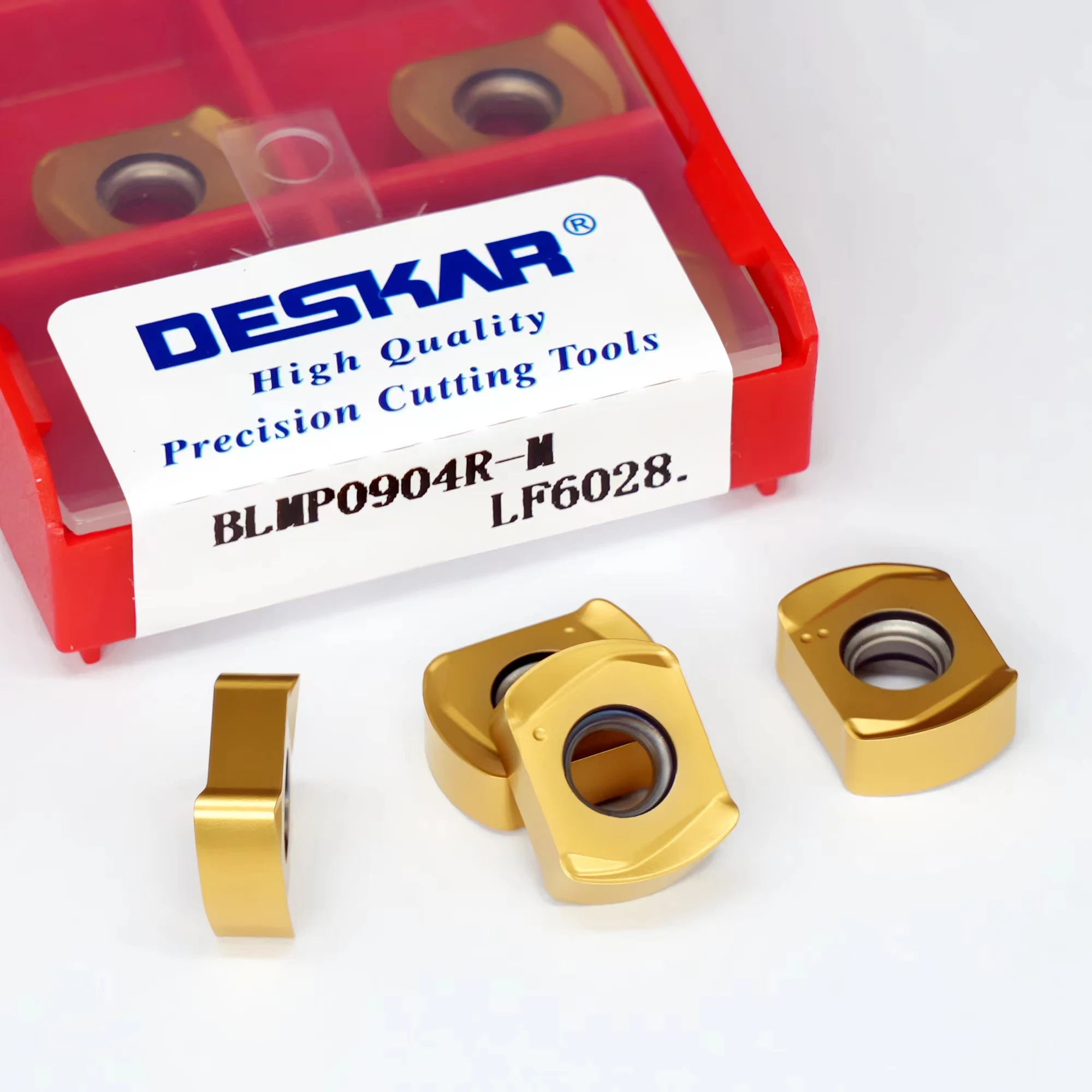
CNC milling cutting tools are essential components in the manufacturing process, particularly in sectors like automotive, aerospace, and mold-making. These tools are designed to remove material from a workpiece to achieve precise shapes and dimensions. For B2B buyers, selecting the right CNC milling cutting tools involves understanding product specifications, materials, and their respective applications. This article will guide you through the key considerations for choosing these tools, comparing suppliers, understanding cost factors, and addressing common issues that may arise during their usage.
When selecting CNC milling cutting tools, consider the specific requirements of your project. Key specifications include the tool's material, coating, geometry, and dimensions.
Material Selection: Common materials for CNC milling bits include high-speed steel (HSS), carbide, and cobalt. Carbide tools, for instance, offer superior hardness and wear resistance, making them ideal for high-speed applications. HSS tools, while less expensive, may not perform as well under high temperatures and pressures.
Coating Options: Tools are often treated with coatings such as PVD (Physical Vapor Deposition) or CVD (Chemical Vapor Deposition) to enhance performance. These coatings improve wear resistance and reduce friction, which is vital for maintaining tool life and achieving a better surface finish.
Tool Geometry: The design of the tool affects its cutting efficiency. Factors such as the number of flutes, helix angle, and cutting edge geometry must align with your material and machining conditions. For example, tools with fewer flutes can remove material faster but may not produce as fine a finish as those with more flutes.
Dimensions and Tolerance: Ensure that the tool dimensions match the specifications of your CNC machine and the intended operation. Accurate tolerances are critical for achieving the desired fit and finish in your projects.
Evaluating suppliers is crucial to ensuring you receive high-quality CNC milling cutting tools that meet your standards. Here are some key factors to consider:
Manufacturing Capabilities: Assess the supplier's manufacturing process and equipment. Advanced production lines, like those at LIFENG PRECISION TOOLS, can produce both standard and non-standard tools, which is essential for specialized applications.
Quality Control Processes: Inquire about the supplier's quality assurance measures. Look for certifications or compliance with international standards, which indicate a commitment to quality. Effective quality control should include inspection of raw materials, in-process checks, and final product testing.
Customization Options: If your project requires specific tools, ensure the supplier can offer customization. This includes variations in size, coating, and geometry tailored to your needs.
Customer Support: A reliable supplier will provide robust customer support, including technical assistance and post-sales service. This support can be invaluable when troubleshooting issues or seeking advice on tool selection.
For distributors, understanding the market demand and product variety is essential. Consider the following:
Product Range: Stock a diverse range of CNC milling cutting tools, including different materials, coatings, and sizes. This variety allows customers to find the right tool for their specific applications.
Pricing Strategies: Competitive pricing is vital. Understand the cost factors involved in acquiring these tools, such as raw material costs, manufacturing processes, and shipping. Building relationships with manufacturers like LIFENG can help negotiate better pricing.
Marketing and Education: Provide educational resources to your customers about the advantages and applications of different lathe cutting tools. This can help them make informed purchasing decisions and foster loyalty to your brand.
Logistics and Supply Chain Management: Efficient logistics are crucial for timely delivery. Ensure you have reliable shipping partners and a robust inventory management system to meet customer demands promptly.
Several factors influence the cost of CNC milling cutting tools, which buyers must understand to manage their budgets effectively:
Material Costs: The choice of material plays a significant role in the overall cost. Carbide tools, while more expensive upfront, may offer lower long-term costs due to their durability and performance.
Manufacturing Complexity: Tools that require intricate designs or advanced manufacturing processes will generally have higher costs. Consider the trade-off between price and performance when selecting tools for your projects.
Volume Discounts: Purchasing in larger quantities often leads to significant cost savings. Discuss minimum order quantities (MOQs) with suppliers to take advantage of bulk pricing.
Shipping and Handling: Factor in shipping costs, especially for international orders. Understanding the logistics can help you avoid unexpected expenses.
CNC milling tools can encounter several issues during use, which can affect performance and production efficiency. Here are common problems and their solutions:
Tool Wear: Over time, CNC milling tools can experience wear, affecting their cutting ability. To mitigate this, regularly inspect tools for signs of wear and replace them as necessary. Using the right coatings can also extend tool life.
Poor Surface Finish: A rough surface finish may result from incorrect tool selection or settings. Ensure the tooling parameters are set according to the material and desired finish. Adjusting the feed rate and spindle speed can often resolve this issue.
Chatter and Vibration: Chatter can lead to poor machining results and tool damage. Ensure that the tool is properly secured, and consider using dampened tooling or adjusting the feed rate and depth of cut to reduce vibration.
Material Build-Up: This can occur when machining materials like aluminum. Using appropriate cutting fluids and selecting tools designed for specific materials can help reduce build-up and improve performance.
By understanding these common challenges and implementing effective solutions, buyers can enhance their machining operations and optimize tool performance.
In summary, selecting the right CNC milling tools requires careful consideration of various factors, from material and coating choices to supplier evaluation and cost management. By following these guidelines, B2B buyers can make informed decisions that enhance their manufacturing processes and ultimately lead to better project outcomes.