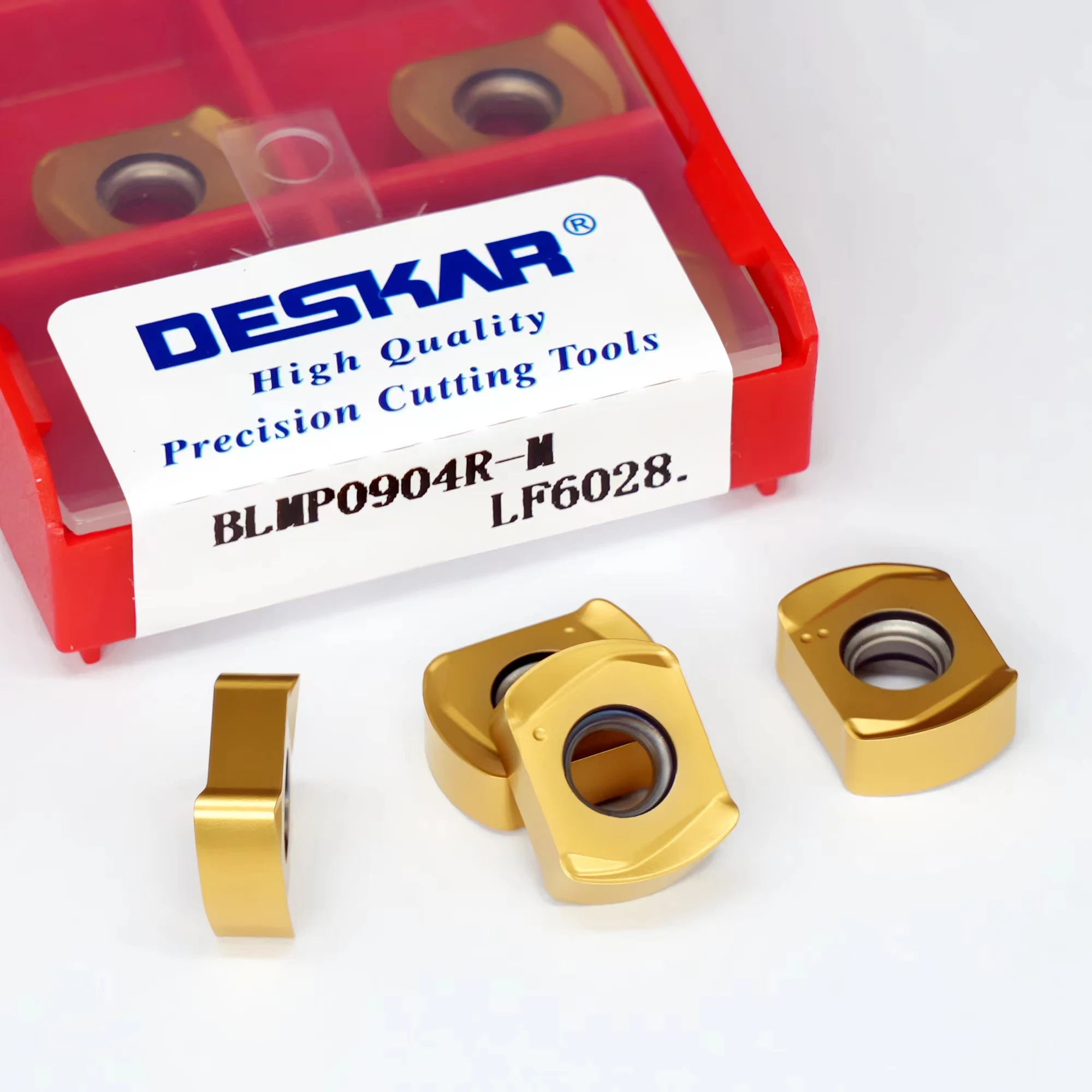
CNC milling cutters are essential tools in the manufacturing process, designed to precisely remove material from a workpiece to achieve desired shapes and dimensions. For purchasing managers and engineers, understanding the specifications and application suitability of these tools is crucial. This article will guide you through key considerations when sourcing cnc milling tools, helping you make informed decisions that align with your production needs.
When evaluating CNC milling cutters, several key specifications should be taken into account to ensure optimal performance. First, consider the cutter geometry, which includes the number of flutes, cutting edge angles, and overall shape. The geometry directly affects the cutter's ability to remove material efficiently and can influence surface finish quality.
Another critical specification is the material of the cutter itself. Common materials include high-speed steel (HSS), carbide, and cobalt, each offering different levels of durability and performance. For instance, cnc milling insert are known for their hardness and wear resistance, making them suitable for high-speed applications.
Coatings such as PVD (Physical Vapor Deposition) and CVD (Chemical Vapor Deposition) can enhance cutter performance by reducing friction and increasing wear resistance. These coatings are especially beneficial in demanding applications, such as those found in the aerospace and automotive industries.
Lastly, it's essential to verify compatibility with your CNC machine. This includes checking shank sizes and collet compatibility to avoid operational issues during production.
When sourcing CNC milling cutters, buyers should focus on several critical factors:
Quality Control: Look for manufacturers with robust quality control processes. This might include in-house testing of cutting tools for durability and precision. A well-established company like DESKAR, for example, may have advanced quality assurance measures in place, ensuring that each cutter meets industry standards.
Customization Options: Depending on specific project requirements, custom tools may be necessary. Engage suppliers who offer customization capabilities, allowing you to specify dimensions, coatings, and geometries tailored to your needs.
Production Capacity: It's vital to understand a supplier's production capabilities. This includes lead times for standard and custom orders, as well as their ability to handle large volume requests. Suppliers with advanced manufacturing lines can often meet tight deadlines without sacrificing quality.
Technical Support: Ensure that your supplier provides adequate technical support and expertise. This includes guidance on tool selection, usage, and maintenance, which can significantly impact tool performance and longevity.
Finding reliable suppliers of CNC milling cutters requires a strategic approach. Start by exploring industry-specific trade shows and exhibitions where manufacturers showcase their products. This is an excellent opportunity to meet suppliers, evaluate their offerings firsthand, and discuss your requirements in detail.
Online platforms such as industry directories, B2B marketplaces, and professional networks can also be valuable resources. Look for suppliers with positive reviews and a proven track record in your specific industry.
When evaluating potential suppliers, prioritize those with relevant certifications, such as ISO 9001, which indicates a commitment to quality management systems. Additionally, consider suppliers that have experience serving specific sectors, such as mold making or aerospace, as they will have a better understanding of the specific requirements and challenges within those fields.
CNC milling cutters find applications across diverse industries, each requiring unique specifications and performance characteristics.
Aerospace: In the aerospace sector, precision is paramount. The cnc milling cutting tools are used to manufacture complex components from high-performance materials like titanium and aluminum alloys. The ability to maintain tight tolerances is critical in ensuring the safety and efficiency of aircraft.
Automotive: Automotive manufacturers utilize CNC milling cutters for producing engine components, transmission parts, and various fixtures. Here, the speed of production and the ability to handle high-volume runs are essential, often requiring cutters made from durable materials with effective coatings.
Mold Making: In mold making, CNC milling cutters are essential for creating molds with intricate designs. The choice of cutter geometry and material directly affects the mold's surface quality and its lifespan, making it crucial to select the appropriate tools.
Medical: CNC milling cutters are increasingly used in the medical industry for manufacturing surgical instruments and implants. The materials used must meet stringent cleanliness and precision standards, requiring specialized cutting tools that can deliver consistent results.
To maximize the performance and lifespan of CNC milling cutters, consider the following best practices:
Regular Maintenance: Implement a routine maintenance schedule for your CNC equipment, including regular inspection of milling cutters. This ensures that any wear or damage is identified early, preventing costly downtime.
Proper Tool Selection: Choose the right cutter for the material and application. Factors such as cutting speed, feed rate, and depth of cut should be optimized based on the cutter’s specifications and the workpiece material.
Sample Testing: Before mass production, always conduct sample testing of the milling cutter on the actual workpiece material. This helps verify that the cutter performs as expected in real-world conditions and allows for adjustments if necessary.
Documentation: Maintain thorough documentation of your tools, including specifications, usage history, and performance metrics. This can aid in future purchasing decisions and help identify trends in tool performance.
By adhering to these best practices, you can ensure that your CNC milling cutters perform optimally, thereby enhancing your manufacturing processes and product quality.