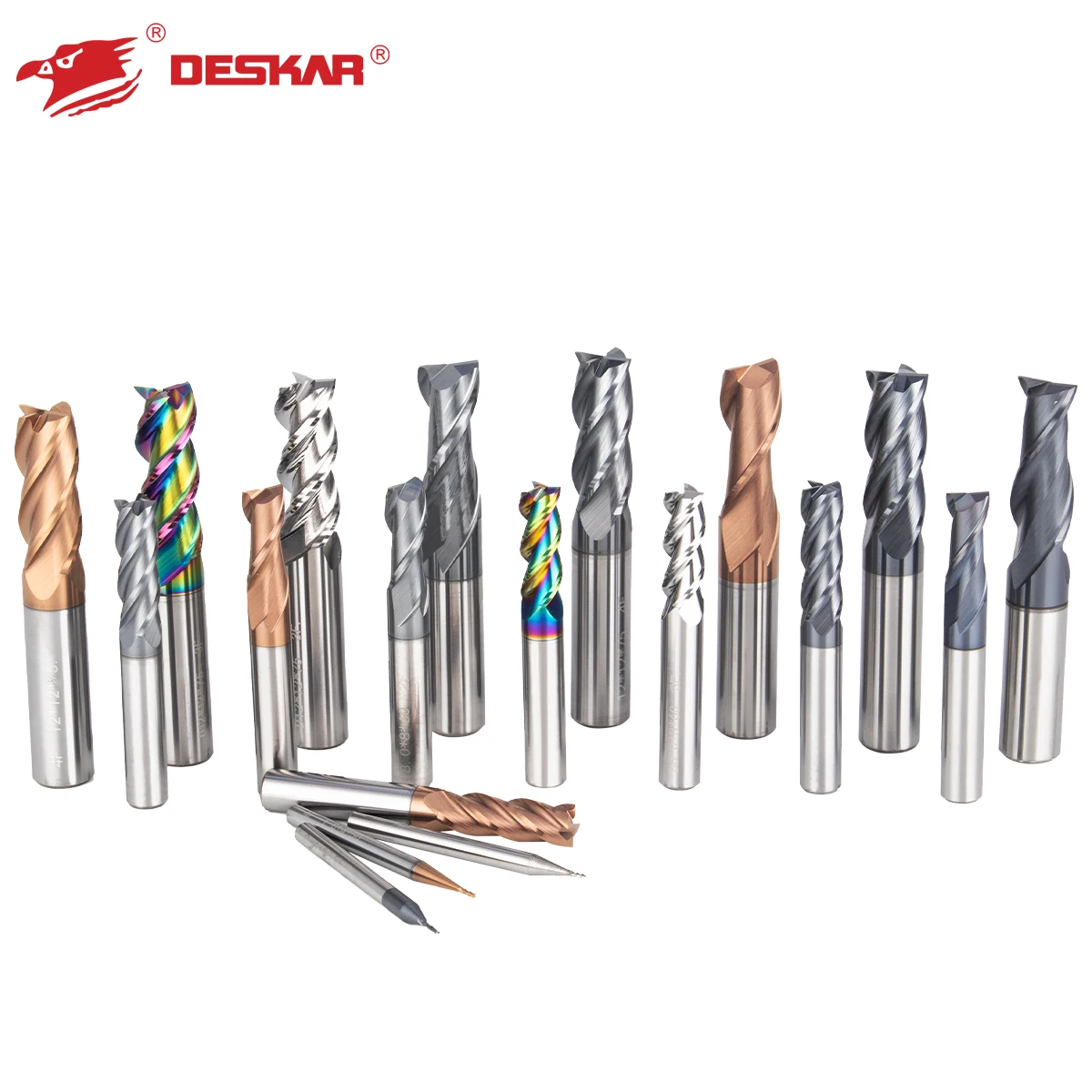
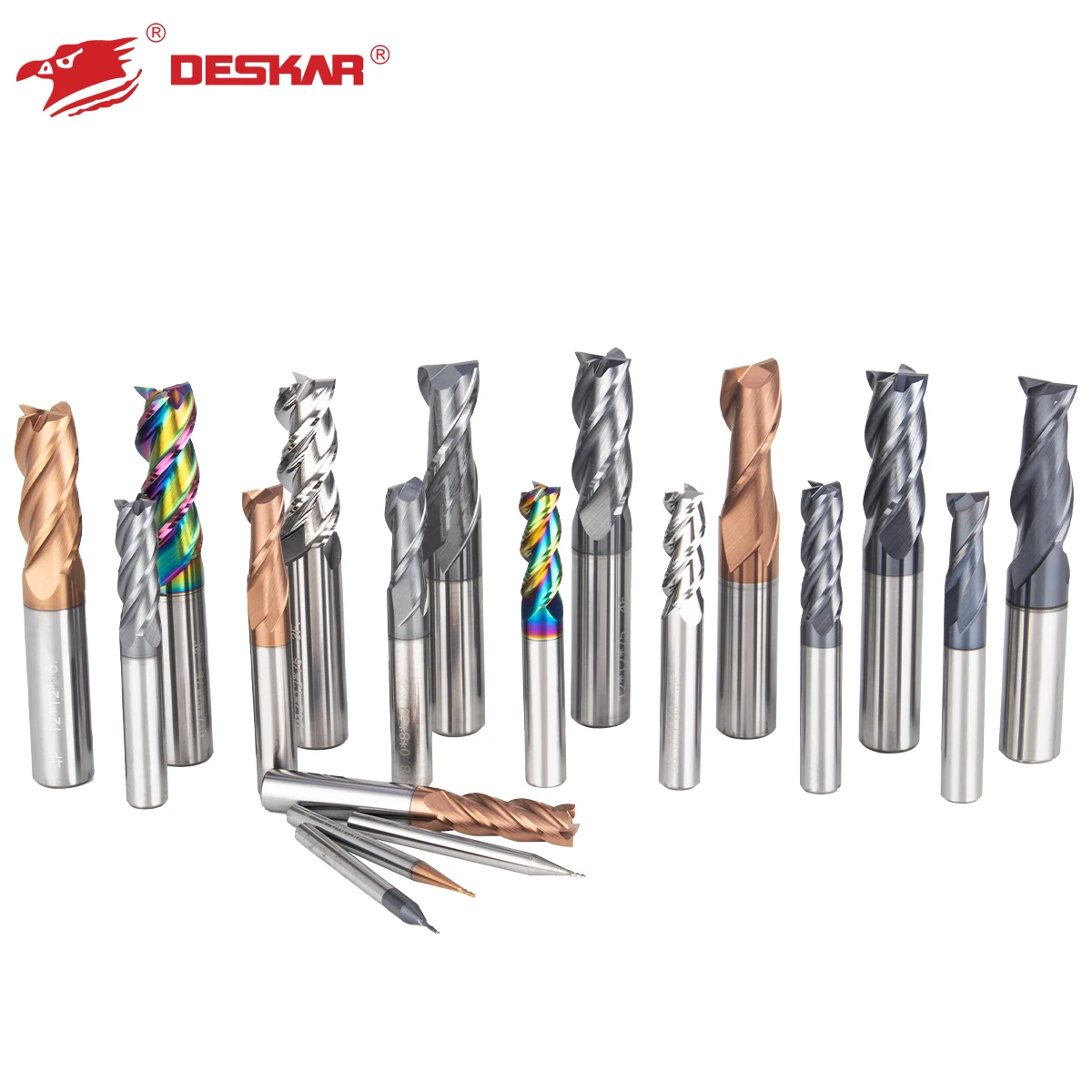
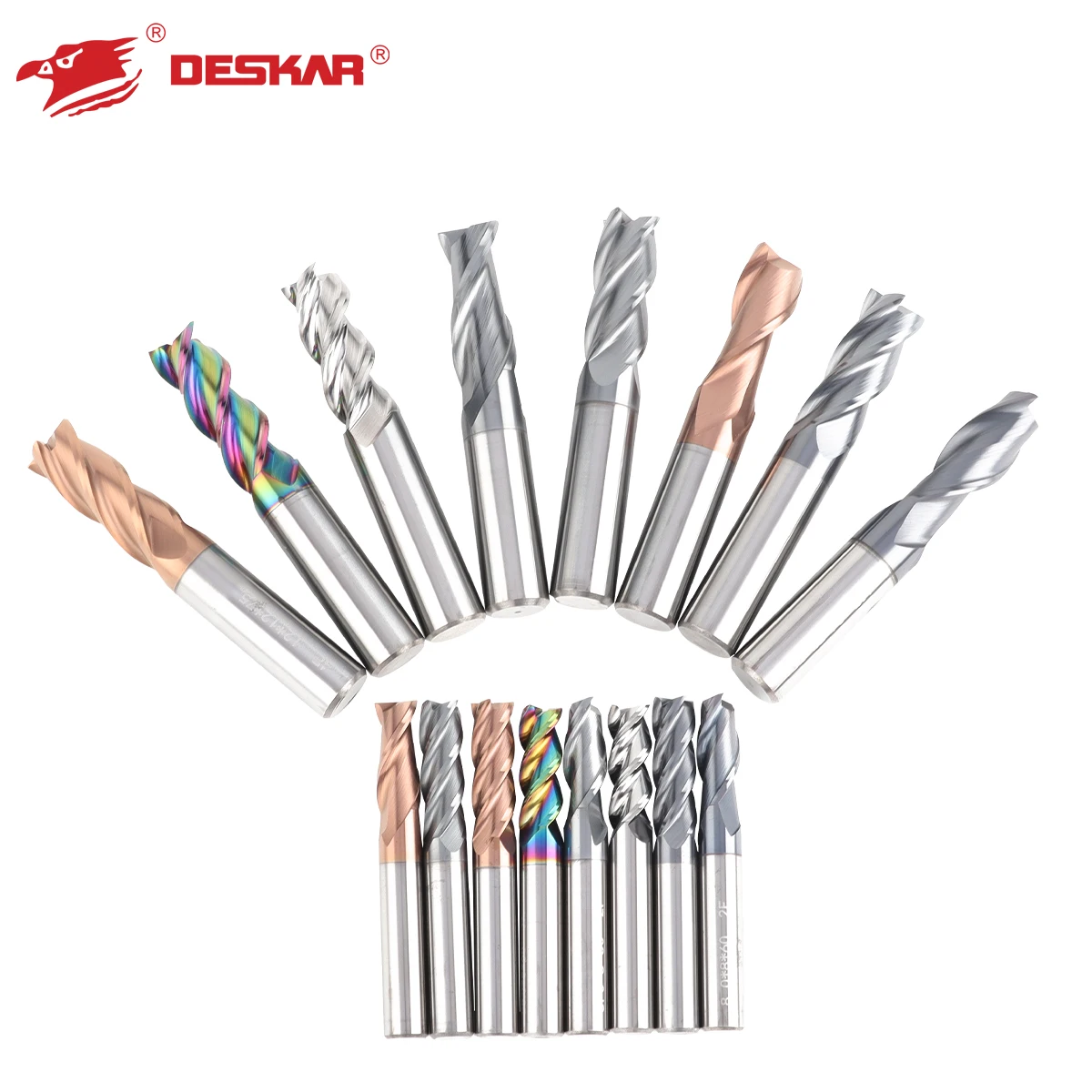
When selecting a CNC milling insert, it's crucial to understand its design and application to ensure optimal performance in your manufacturing processes. CNC milling inserts are cutting tools used in various machining operations, particularly in the mold, automotive, and aerospace industries. This article addresses common buyer concerns, such as material selection, compatibility with existing machinery, and specific application requirements. By exploring the key factors in choosing the right CNC milling insert, you can make informed purchasing decisions that enhance efficiency and product quality.
Choosing the right CNC milling insert starts with understanding the specific requirements of your project. Key considerations include the material to be machined, the type of operations (roughing, finishing), and the desired surface finish.
Material Compatibility: Different materials require different insert types. For instance, high-speed steel (HSS) inserts are suitable for softer materials, while carbide inserts are better for harder materials due to their durability and heat resistance.
Insert Geometry: The geometry of the insert affects cutting performance. Inserts are available in various shapes, such as square, round, or triangular, each tailored for specific applications. For example, a round insert may be ideal for finishing operations due to its smooth cutting action.
Coatings: Coatings like PVD (Physical Vapor Deposition) and CVD (Chemical Vapor Deposition) enhance insert performance by reducing friction, improving heat resistance, and extending tool life. Choosing the right coating based on your machining environment is crucial.
Application Type: Different applications may call for unique insert designs. For example, inserts designed for high feed rates are optimized for rapid material removal, while those for precision finishing focus on achieving a smooth surface.
By analyzing these factors, buyers can select inserts that match their operational needs and optimize machining performance.
CNC milling inserts come with various features that enhance their performance in industrial applications. Here are some key features and their benefits:
Durability: High-quality materials and advanced coatings contribute to the durability of CNC milling inserts. This durability translates to longer tool life, reducing the frequency of replacements and downtime.
Precision Cutting: Inserts are designed to maintain tight tolerances, ensuring precise cuts and high-quality finishes. This accuracy is essential in industries like aerospace, where precision is critical.
Versatility: cnc milling bits can be used across diverse materials and applications, making them a versatile choice for manufacturers. This flexibility allows companies to streamline their tooling inventory.
Cost Efficiency: While the initial investment in high-quality inserts may be higher, the long-term savings in reduced tool wear, fewer replacements, and improved machining efficiency can lead to significant cost benefits.
Customization: Many manufacturers, including LIFENG PRECISION TOOLS, offer customization options for inserts tailored to specific applications. This capability can significantly enhance performance in unique machining environments.
Understanding these features helps buyers appreciate the value of investing in quality CNC milling inserts.
The cost of CNC milling inserts can vary significantly based on several factors:
Material Type: Inserts made from high-speed steel typically cost less than carbide inserts, but the latter provide better performance and longevity, which can justify the initial expense.
Coating Options: The choice of coatings also influences cost. While uncoated inserts are cheaper, coated options can enhance performance and reduce wear, leading to lower overall costs due to extended tool life.
Order Quantity: Volume discounts may be available for bulk purchases, making it more economical to source larger quantities. Understanding minimum order quantities (MOQ) is essential when negotiating prices.
Supplier Reputation: Established suppliers with a strong track record may charge a premium, but this often guarantees higher quality and better customer support, which can save costs in the long run.
Lead Time: Custom cnc end mill inserts may require longer lead times, impacting project timelines. Buyers should balance the need for customization with the urgency of their projects.
By considering these cost factors, buyers can better evaluate supplier options and negotiate terms that align with their budgets.
Finding reliable suppliers for CNC milling inserts involves several steps:
Industry Research: Start by conducting thorough research on manufacturers and distributors in the CNC tooling sector. Look for those with a proven track record in your specific industry, such as aerospace or automotive.
Trade Shows and Expos: Attend industry trade shows and expos to meet suppliers, view products first-hand, and establish relationships. This face-to-face interaction can provide valuable insights into the supplier's capabilities.
Online Directories: Utilize online platforms and directories that list manufacturers and suppliers. Websites like ThomasNet and industry-specific forums can provide reviews and ratings from other buyers.
Quality Certifications: Ensure that potential suppliers possess relevant quality certifications, such as ISO 9001, which indicates adherence to quality management standards. This can be a strong indicator of their reliability and product quality.
Request Samples: Before making a large purchase, request samples to assess the quality and performance of the inserts. This step is critical in verifying that the supplier meets your expectations.
By following these guidelines, buyers can identify trustworthy suppliers that meet their specific cnc mill small needs.
CNC milling inserts are available in various materials, each offering distinct advantages:
Carbide: Known for its hardness and heat resistance, carbide is ideal for high-speed machining and tough materials. Its longevity and performance make it a popular choice for many industrial applications.
High-Speed Steel (HSS): HSS inserts are less expensive and effective for softer materials. They are easier to sharpen, making them suitable for lower production runs where cost efficiency is paramount.
Cermet: Combining ceramic and metallic properties, cermet inserts provide excellent wear resistance and are often used in finishing operations where a fine surface finish is required.
Coated Options: Coatings such as TiN (Titanium Nitride) or TiAlN (Titanium Aluminum Nitride) enhance hardness and thermal stability, making coated inserts a valuable option for demanding machining tasks.
Custom Materials: Suppliers like LIFENG PRECISION TOOLS offer custom solutions that can tailor materials to specific applications, enhancing performance and tool life.
Selecting the right material for CNC milling inserts based on application requirements can significantly affect machining efficiency and product quality.