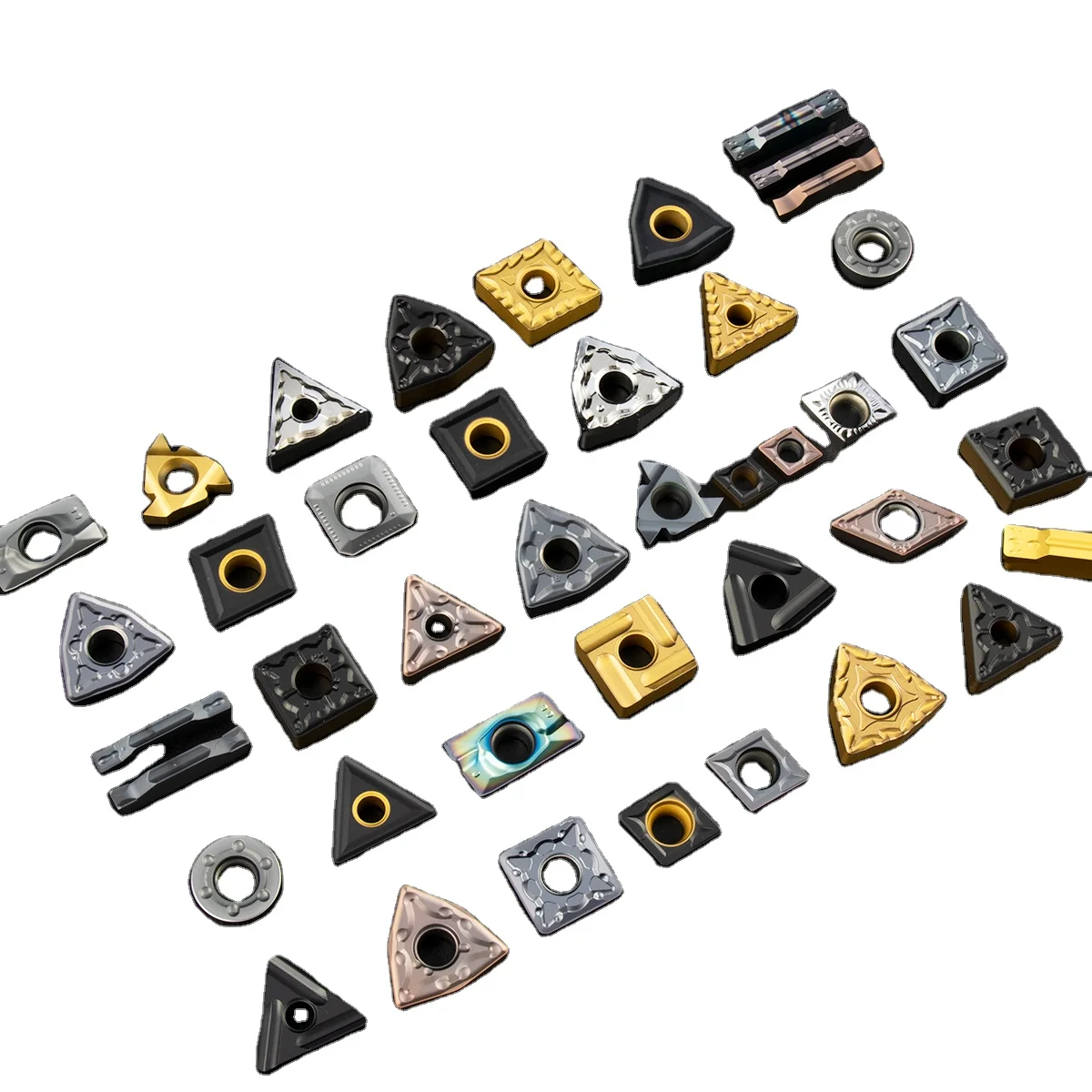
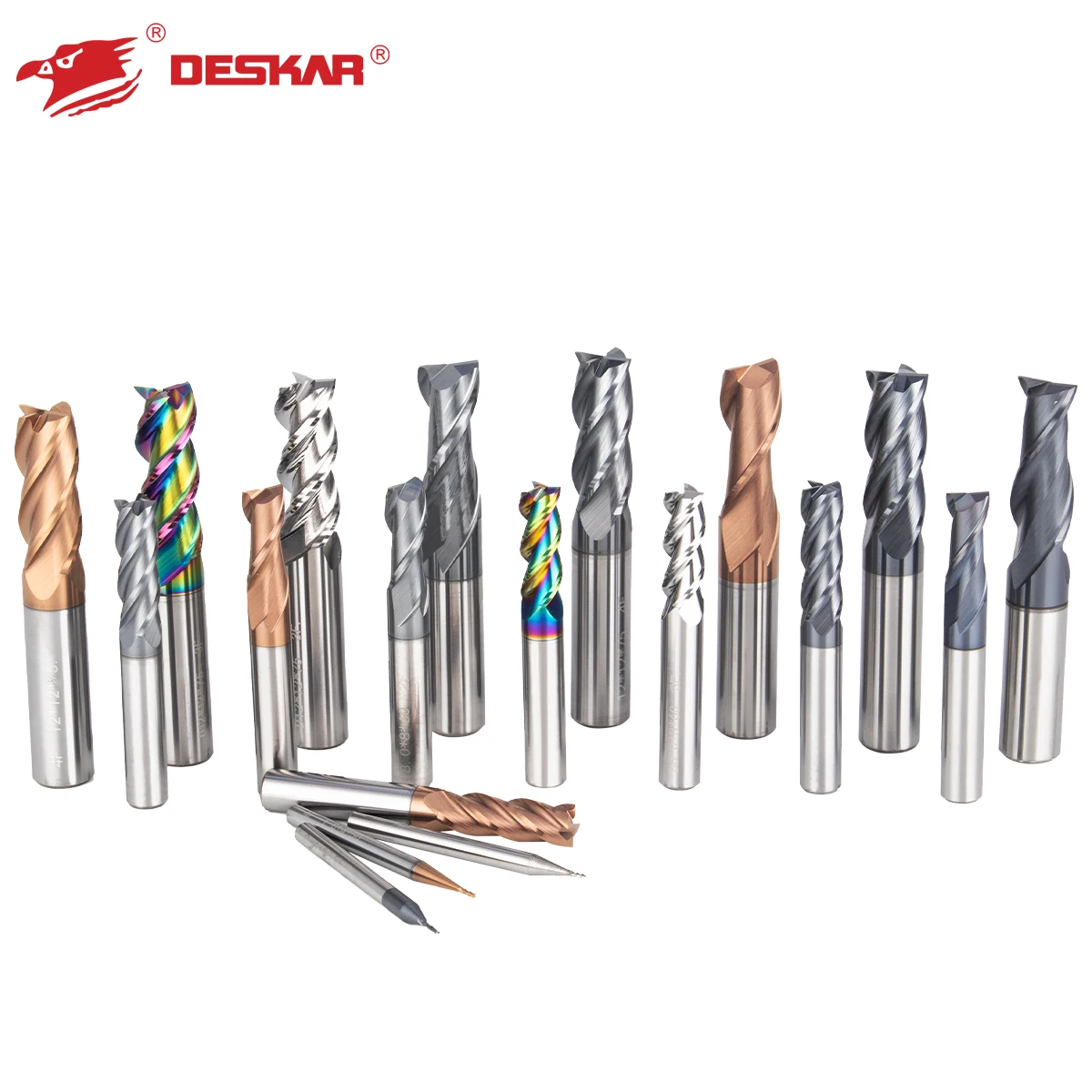
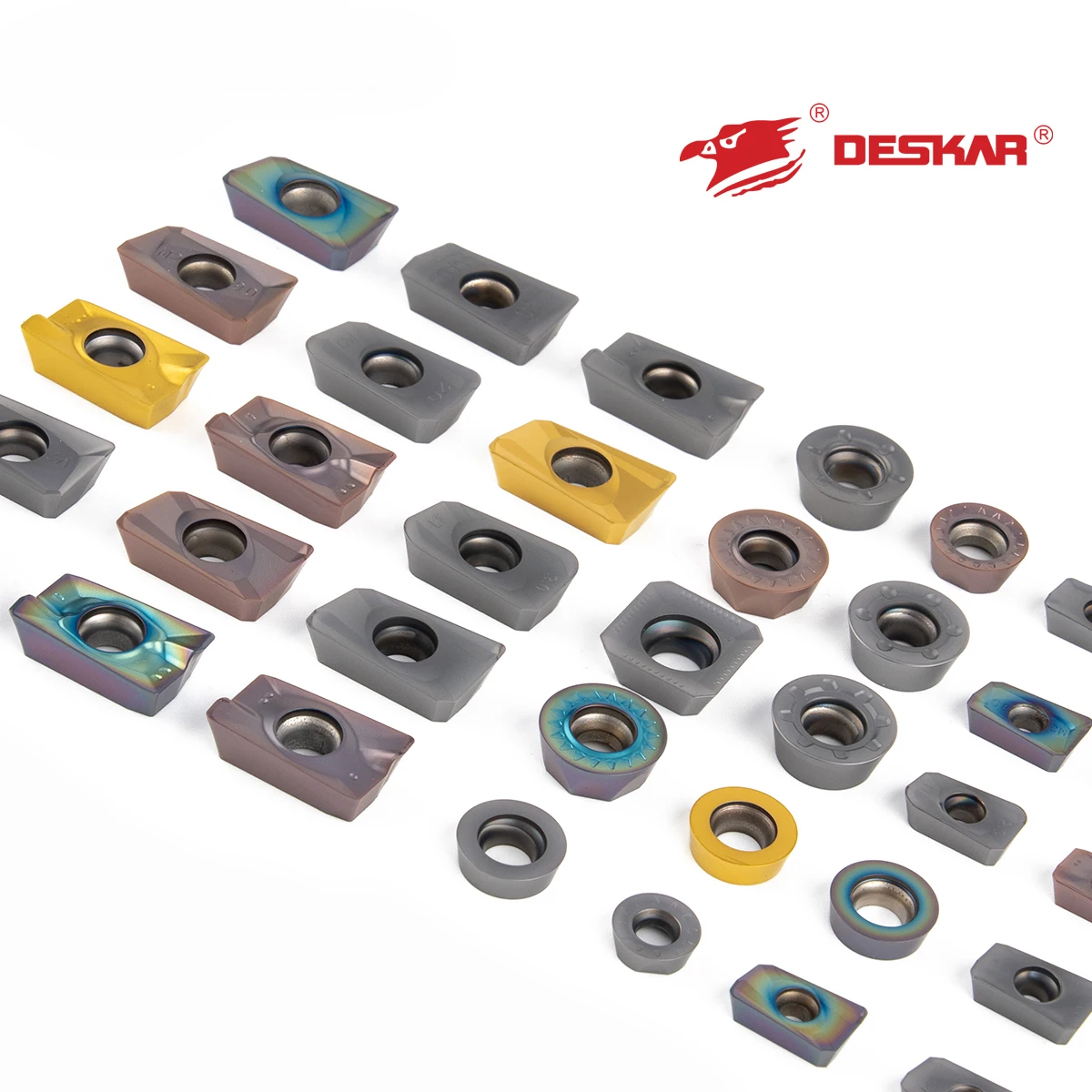
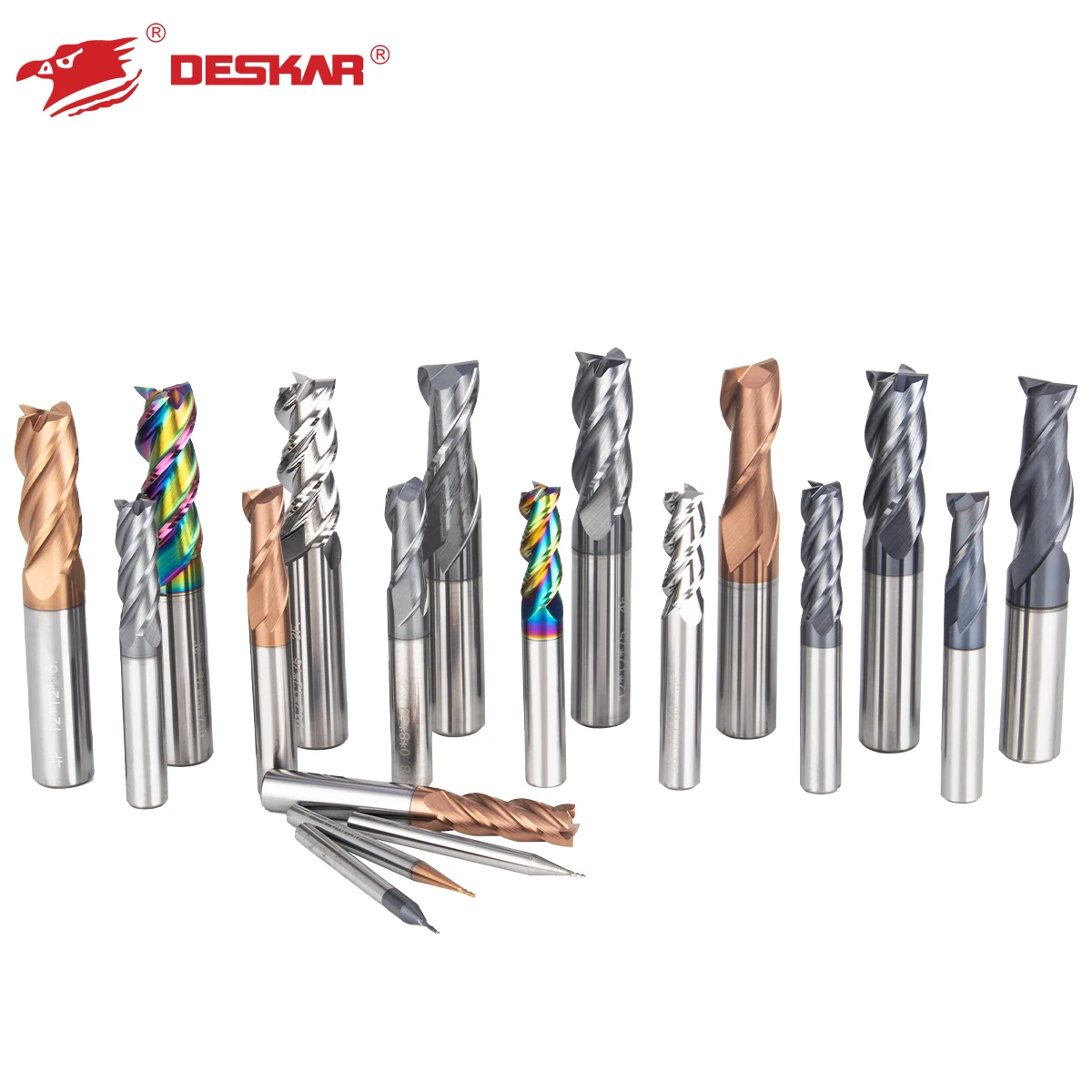
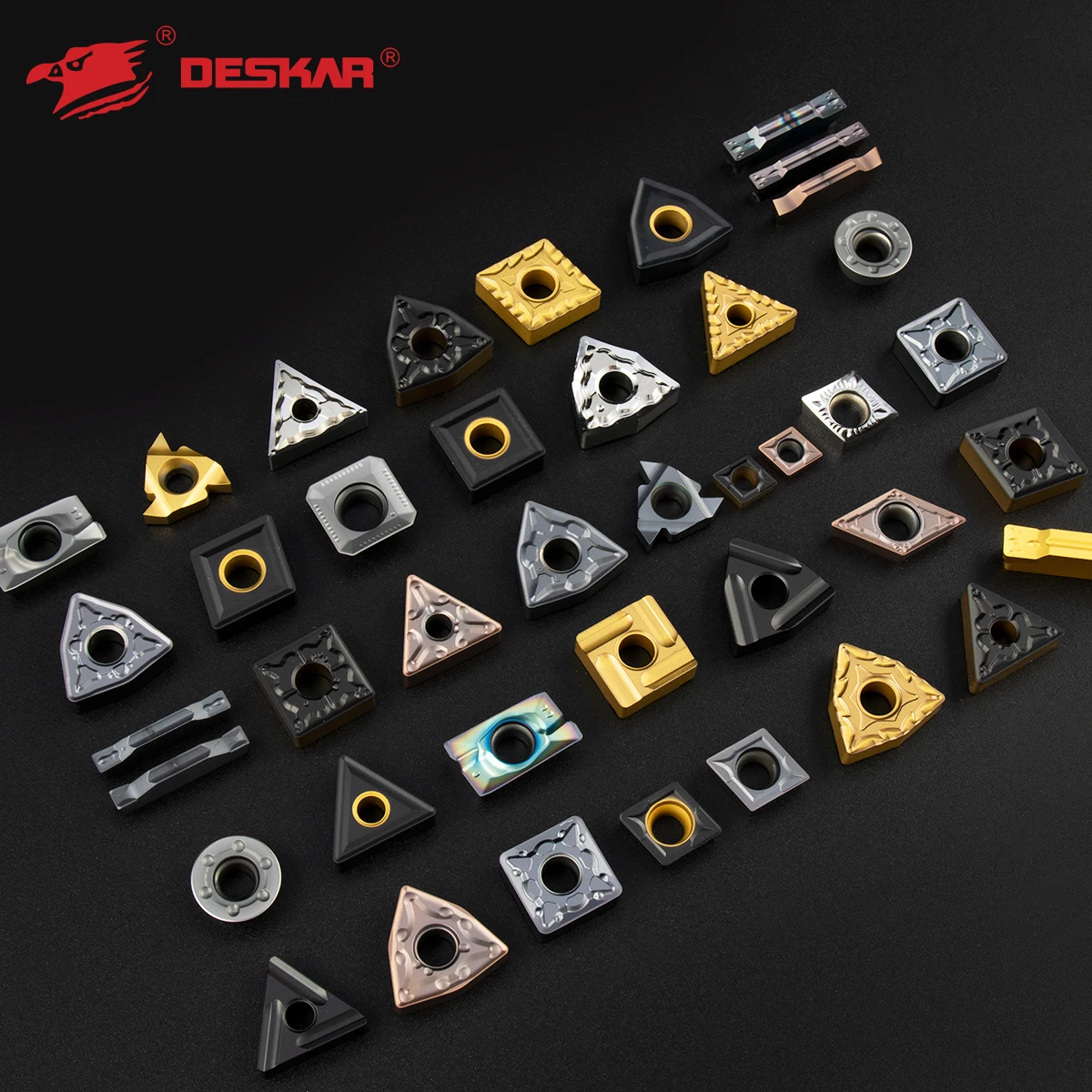
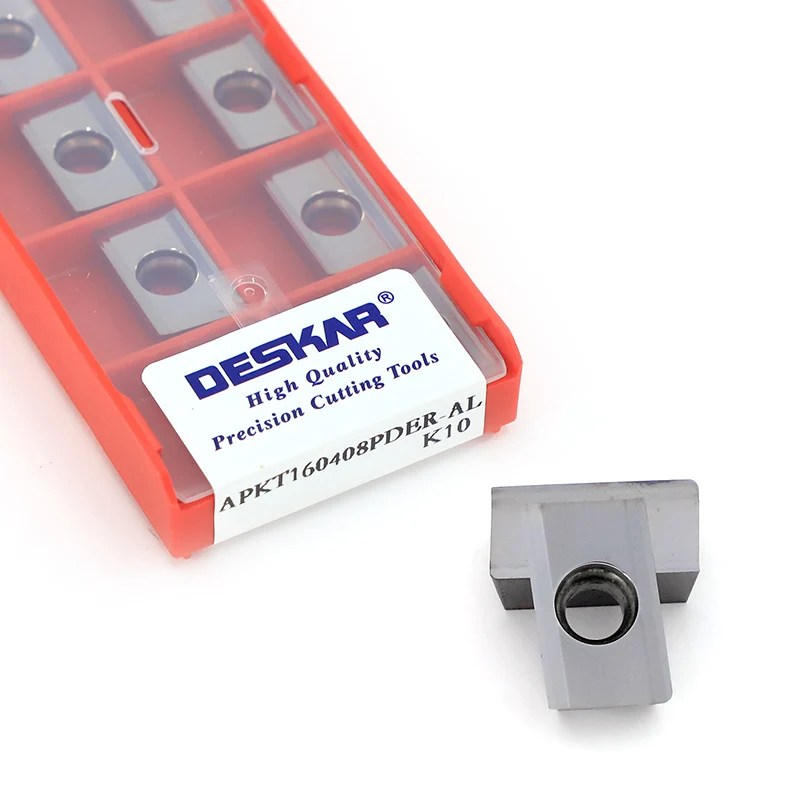
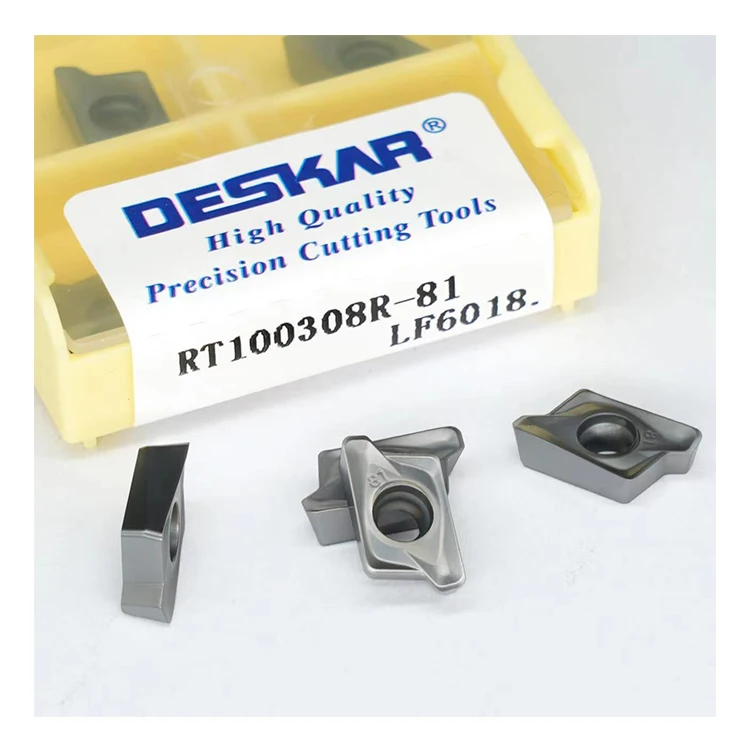
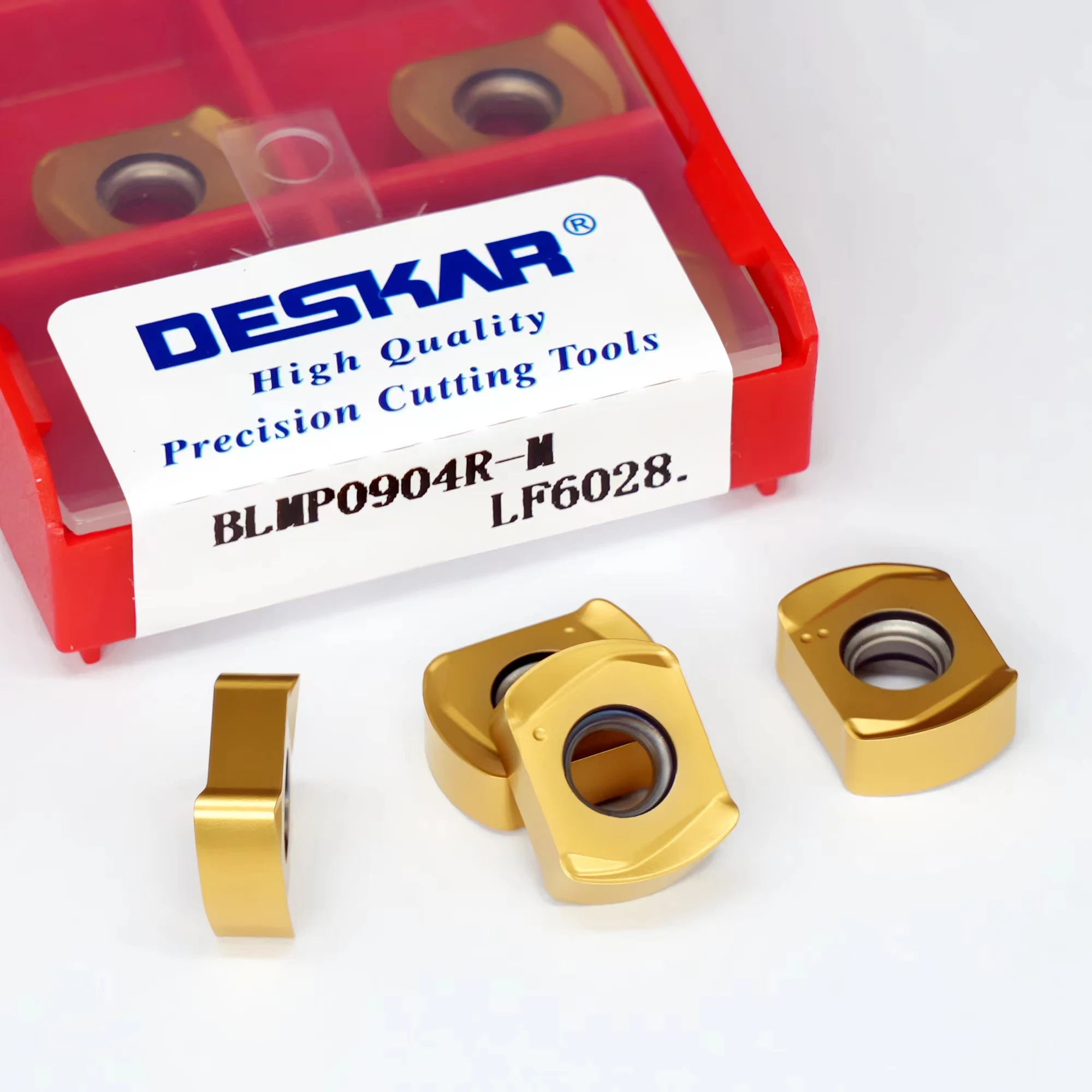
CNC milling tools are essential for various machining processes, enabling precision cutting and shaping of materials in industries such as aerospace, automotive, and mold manufacturing. As a B2B buyer, understanding how to select the right tools is crucial to ensure optimal performance and cost-effectiveness. This article will guide you through choosing the best milling tools for your projects, addressing common concerns, and outlining best practices to enhance your purchasing decisions.
Selecting the appropriate CNC milling tools involves several critical factors. First, consider the material you'll be working with, as different materials require specific cutting tool characteristics. For instance, high-speed steel (HSS) is suitable for softer materials, while carbide tools are better for harder materials due to their increased wear resistance.
Next, evaluate the tool geometry, including the number of flutes, cutting angles, and overall design. Tools with fewer flutes can remove material faster but may produce a rougher finish. Conversely, tools with more flutes often yield a smoother finish but may require slower feed rates. Understanding the balance between speed and finish quality is essential for your application.
Additionally, consider the tool coating. PVD (Physical Vapor Deposition) and CVD (Chemical Vapor Deposition) coatings can significantly enhance tool life and performance by reducing friction and wear. Choosing a coating that complements your specific machining conditions can lead to improved efficiency and reduced downtime.
Lastly, assess the compatibility of the tools with your DESKAR CNC machine. Ensuring that the tool dimensions and shank types align with your equipment specifications is critical for seamless operation.
When purchasing CNC milling tools, buyers should be aware of several key aspects. First, always verify the manufacturer's capabilities. DESKAR, for instance, offers a range of high-precision standard and custom tools, backed by strong research and development capabilities. Understanding the manufacturer’s experience in your industry can provide insights into their expertise and reliability.
Another crucial factor is the minimum order quantity (MOQ) and lead times. Be sure to discuss these details upfront, as different manufacturers may have varying requirements that could impact project timelines.
It is also advisable to request samples before committing to a large order. Testing a sample tool under actual operating conditions can help you assess its performance and compatibility with your specific processes.
CNC milling tools can encounter several common issues that may affect their performance. One prevalent problem is tool wear, which can lead to reduced cutting efficiency and compromised product quality. Regularly monitoring tool wear and implementing a proactive tool replacement schedule can mitigate this issue.
Another challenge is chip buildup, which can occur during the milling process. This buildup can lead to tool damage and poor surface finishes. To combat this, ensure proper coolant use and optimize cutting parameters to facilitate effective chip removal.
Furthermore, vibration during machining can significantly impact tool performance and surface quality. To minimize vibrations, consider using tools with appropriate rigidity and ensuring proper machine setup. Regular maintenance of your DESKAR CNC equipment can also help reduce vibrations and extend tool life.
To ensure a successful procurement process for CNC milling tools, follow these best practices:
Define Your Specifications: Clearly outline your project requirements, including material types, dimensions, and desired finishes. This information will guide your selection process and facilitate clearer communication with suppliers.
Engage with Suppliers: Don’t hesitate to discuss your needs with the manufacturer. A knowledgeable supplier can provide valuable insights into tool selection, customization options, and potential performance improvements.
Conduct Quality Inspections: Before mass production, conduct thorough inspections of samples to verify that they meet your specifications. Check for dimensions, surface finish, and overall performance under actual operating conditions.
Review Technical Support: Ensure that your supplier offers adequate technical support. This can be crucial if you encounter issues during the milling process, as timely assistance can help you resolve problems quickly.
Stay Informed on Innovations: The machining industry continually evolves, with new technologies and materials emerging regularly. Stay updated on the latest advancements in milling machine cutters and practices to ensure you are using the best solutions for your projects.
Before making a purchase, there are several key factors to consider:
Material Specifications: Confirm the material composition of the tools and ensure it aligns with your application requirements. Tools designed for specific materials often perform better and have a longer lifespan.
Tool Compatibility: Verify that the tools are compatible with your existing CNC machinery. This includes checking shank sizes, tool holder types, and any specific operational requirements.
Customization Capabilities: If your project requires unique specifications, inquire about the manufacturer’s ability to customize tools to meet your needs. Customization can improve performance and reduce production costs.
Quality Control Processes: Understand the quality assurance measures in place at the manufacturing facility. A robust quality control system ensures that products meet industry standards and minimizes the risk of defects.
Delivery and Packaging: Discuss packaging methods and delivery timelines with your supplier. Proper packaging is essential for preventing damage during transit, while clear delivery timelines help you plan your project schedule efficiently.
By considering these factors, you can make informed decisions that enhance the efficiency and effectiveness of your CNC milling operations.
Incorporating these insights into your purchasing strategy will not only help you select the right milling cutter but also contribute to smoother operations and better outcomes in your machining projects.