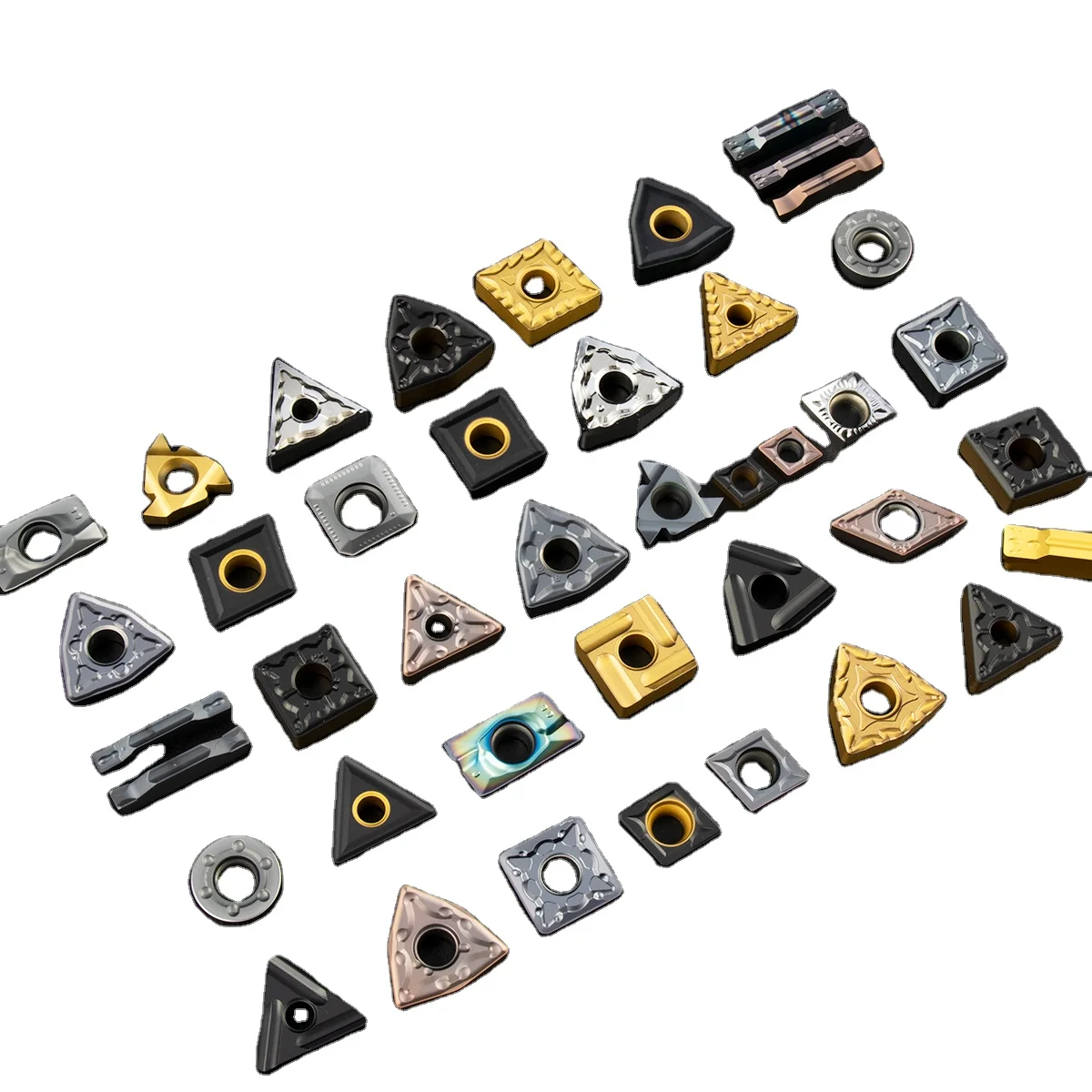
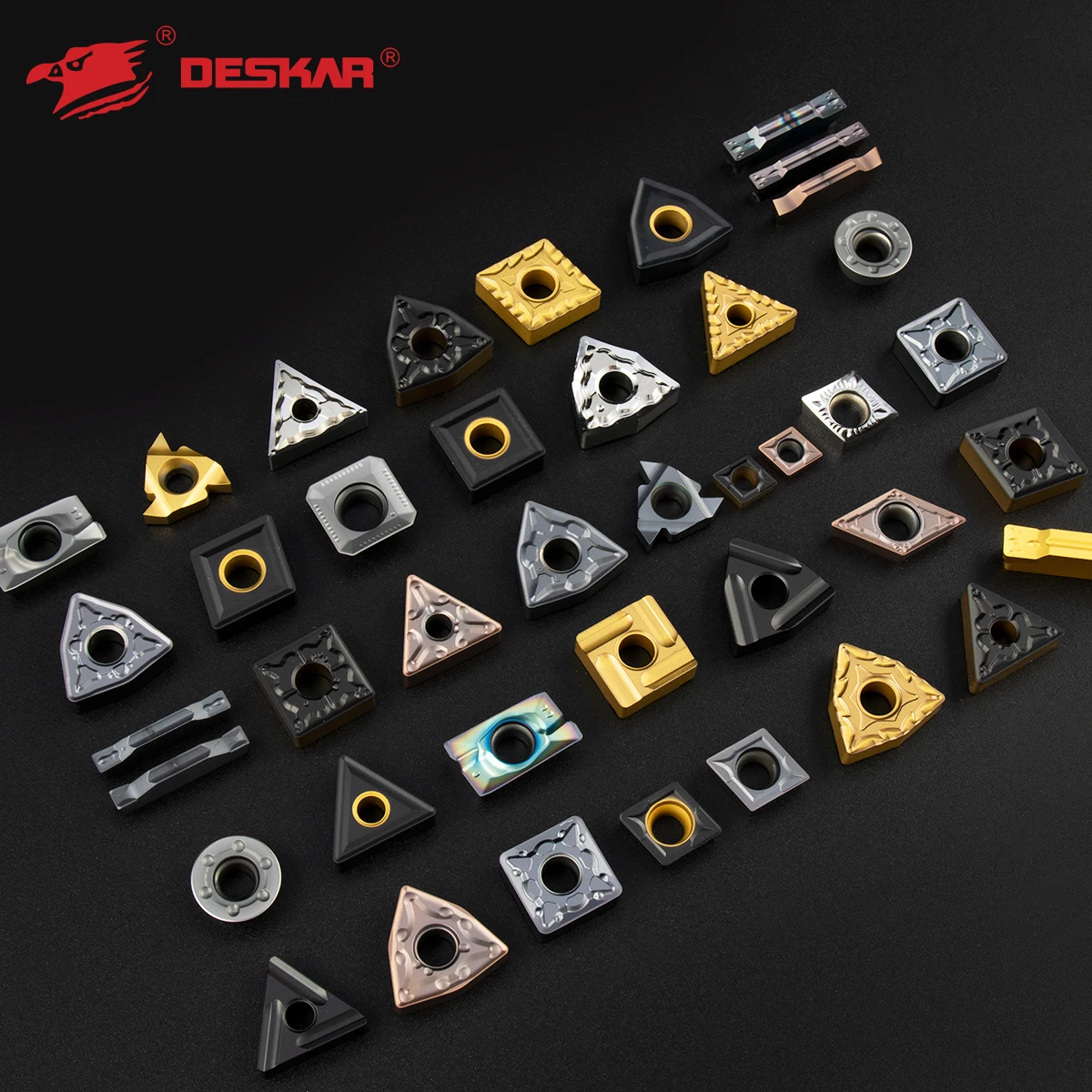
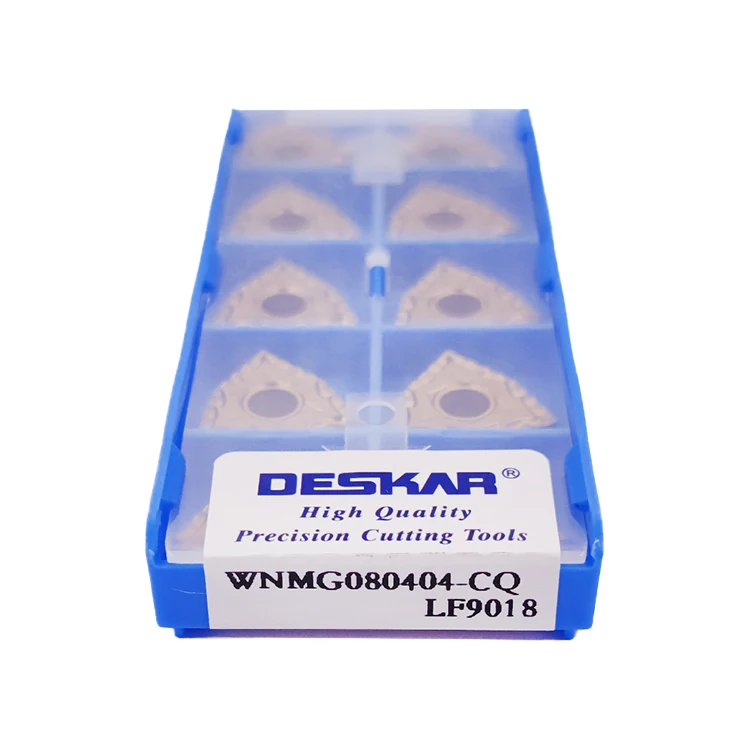
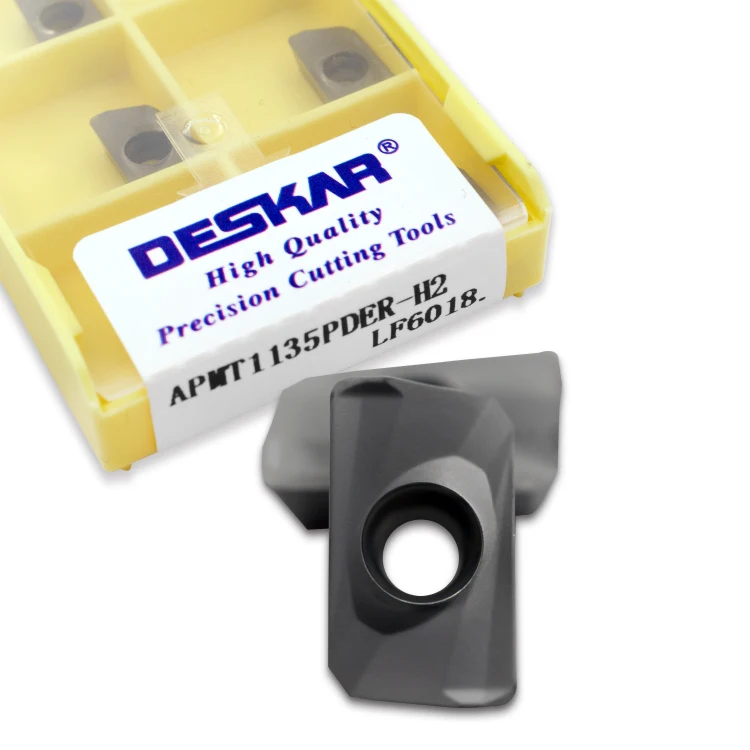
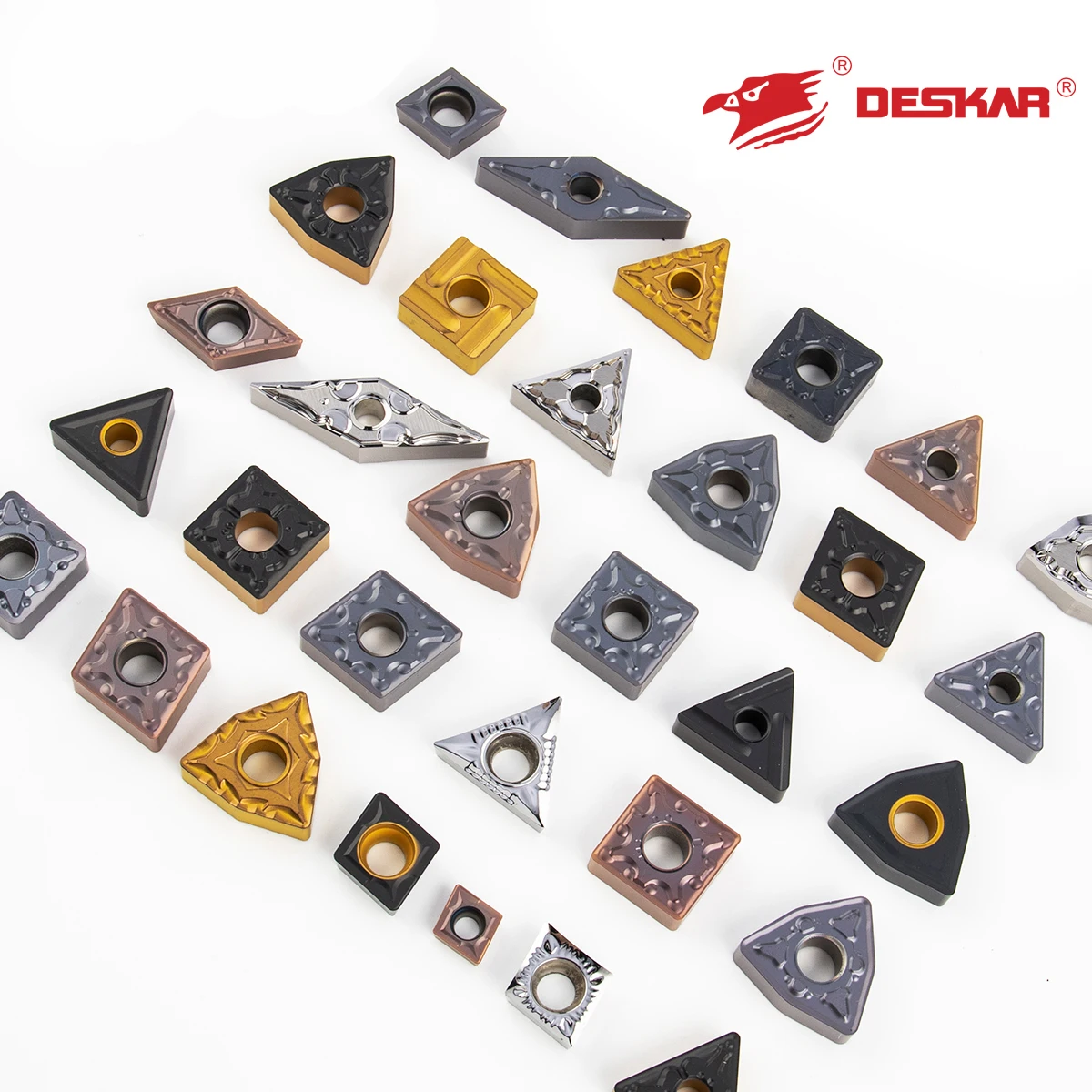
CNC inserts are precision cutting tools widely used in various machining processes, including turning and milling. They play a crucial role in achieving high-quality surface finishes and maintaining dimensional accuracy. As a B2B buyer, understanding the intricacies of CNC inserts, including their costs, installation issues, and material advantages, is essential for making informed purchasing decisions. This article will help you navigate these key areas, ensuring you select the right cnc tool insert for your projects.
When assessing the cost of CNC inserts, it's important to consider not just the purchase price but the overall value they provide in terms of performance and longevity. Higher-quality inserts may have a higher upfront cost but can lead to significant savings in the long run by reducing tool changeovers and enhancing machining efficiency. Factors influencing the cost include the material composition, coating types (such as PVD/CVD), and the insert's geometry, which can affect cutting performance.
To evaluate the value of CNC inserts, consider their impact on production efficiency. Inserts that maintain sharpness longer will reduce downtime and improve cycle times. For example, a carbide insert with a PVD coating may provide superior wear resistance compared to a standard uncoated insert, leading to fewer replacements over time. As a buyer, you should analyze the total cost of ownership, factoring in aspects like tool life, machining speed, and part quality.
Installing CNC inserts correctly is crucial for optimal performance, yet several common issues can arise during this process. One frequent problem is improper alignment, which can lead to uneven wear or tool failure. To mitigate this, ensure that the cnc milling insert is seated properly in the holder and that the holder is compatible with the insert's design and specifications.
Another issue can be related to the cutting conditions used during machining. If the feed rate or cutting speed is too high for the insert type, it can lead to chipping or premature wear. It’s essential to consult the insert manufacturer's guidelines to determine the recommended operating parameters based on the specific application.
Furthermore, inadequate coolant supply can also affect the performance of CNC inserts. Insufficient lubrication may lead to increased friction and heat, causing the insert to wear out quickly. Ensure that the cooling system is properly set up and that the coolant type is suitable for both the material being machined and the cnc inserts being used.
The material of a CNC insert significantly influences its performance in various applications. Common materials include carbide, ceramic, and cermet, each having distinct advantages suitable for specific machining environments.
Carbide inserts are widely favored for their toughness and wear resistance, making them ideal for general-purpose machining. Their ability to withstand high temperatures also allows them to maintain sharpness over extended periods, particularly in high-speed machining applications.
Ceramic inserts, on the other hand, are suitable for high-speed operations and hard materials due to their excellent hardness and thermal stability. However, they are more brittle and can be prone to chipping, making them less suitable for interrupted cuts.
Cermet inserts combine the best of both worlds, offering hardness akin to ceramics while retaining some of the toughness of carbide. They are a versatile option for finishing operations where a high-quality surface finish is required.
When selecting inserts, consider the material compatibility with the workpiece and the specific machining requirements. For instance, using a ceramic insert for machining soft materials may lead to premature wear, while carbide inserts may be more appropriate for such tasks.
Evaluating supplier reliability is essential to ensure consistent quality and performance of CNC inserts. Start by examining the supplier’s manufacturing capabilities and quality control processes. A reputable supplier, such as LIFENG PRECISION TOOLS (ZHEJIANG) CO., LTD, will typically have advanced production lines and a robust quality management system in place.
Look for certifications that demonstrate adherence to international quality standards. This can include ISO certifications, which indicate the supplier's commitment to quality assurance and continuous improvement. Additionally, inquire about their testing procedures for inserts, such as wear resistance tests and performance evaluations.
Customer feedback and case studies can also provide insight into a supplier’s reliability. Reach out to current or past customers to understand their experiences regarding product quality, delivery times, and customer service. A supplier with a strong track record of meeting deadlines and addressing customer concerns is likely to be more reliable.
Finally, consider their ability to provide customization options. A supplier that can tailor inserts to specific applications demonstrates flexibility and a commitment to meeting unique client needs, which is a hallmark of a trustworthy partner.
CNC inserts are utilized across various industries, including automotive, aerospace, and mold manufacturing, each with unique demands and challenges. In the automotive sector, for example, high-volume production requires inserts that can withstand repetitive cycles while maintaining dimensional accuracy. Inserts used in this industry often feature specialized coatings to enhance performance under high-speed conditions.
In aerospace, the emphasis is on precision and reliability due to strict safety standards. Inserts designed for machining aerospace components must exhibit exceptional toughness and resistance to wear, often requiring advanced materials and coatings to meet these rigorous requirements.
Mold manufacturing presents its own challenges, where inserts must produce intricate features and achieve fine surface finishes. Custom inserts that cater to specific mold designs can greatly enhance machining efficiency and quality. Suppliers that understand the diverse applications of CNC inserts, like LIFENG PRECISION TOOLS, can provide tailored solutions that meet industry-specific requirements.
By understanding the varying applications of CNC inserts across different sectors, buyers can make more informed decisions that align with their operational needs and expectations.