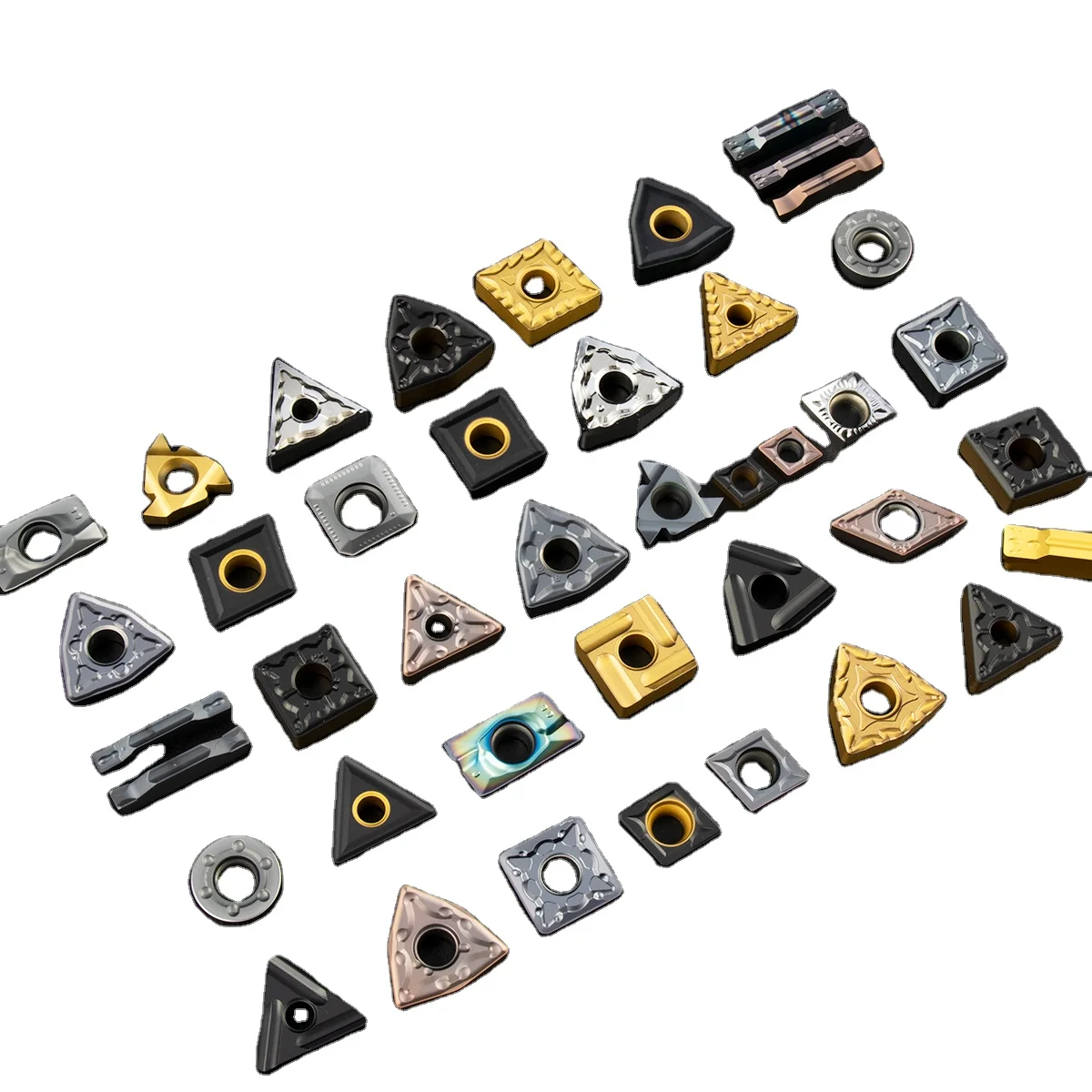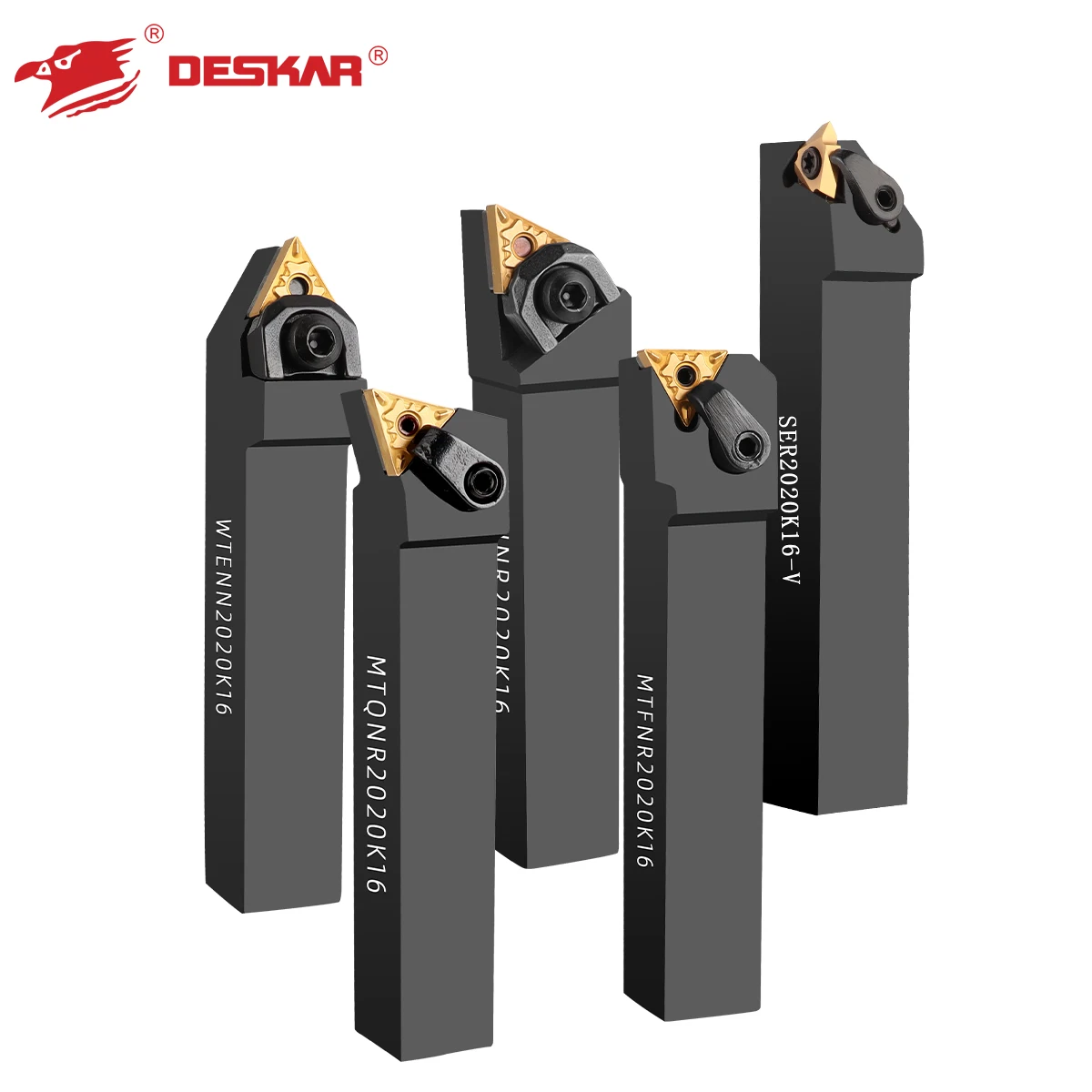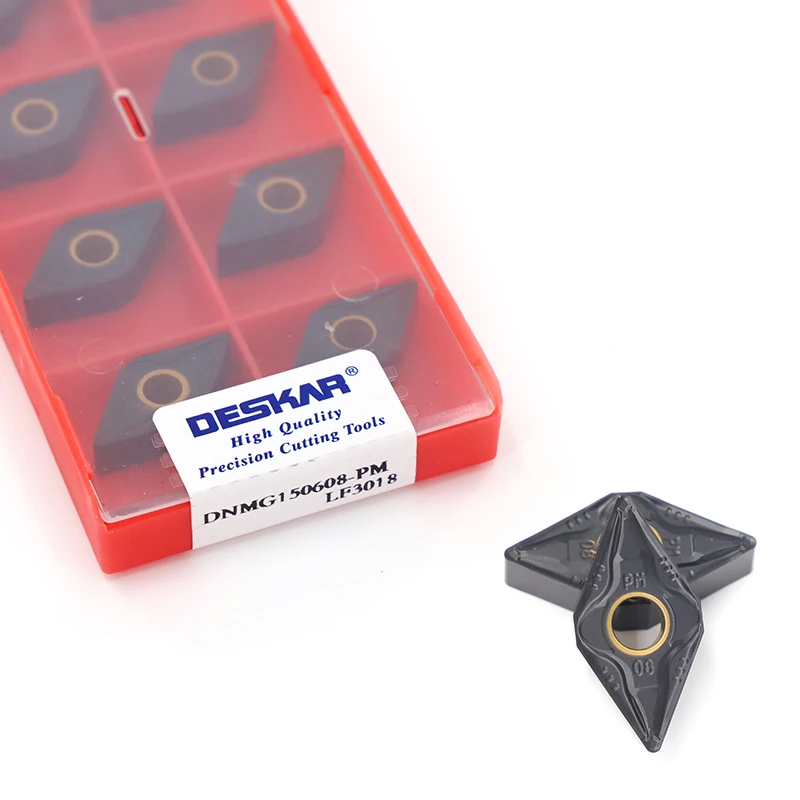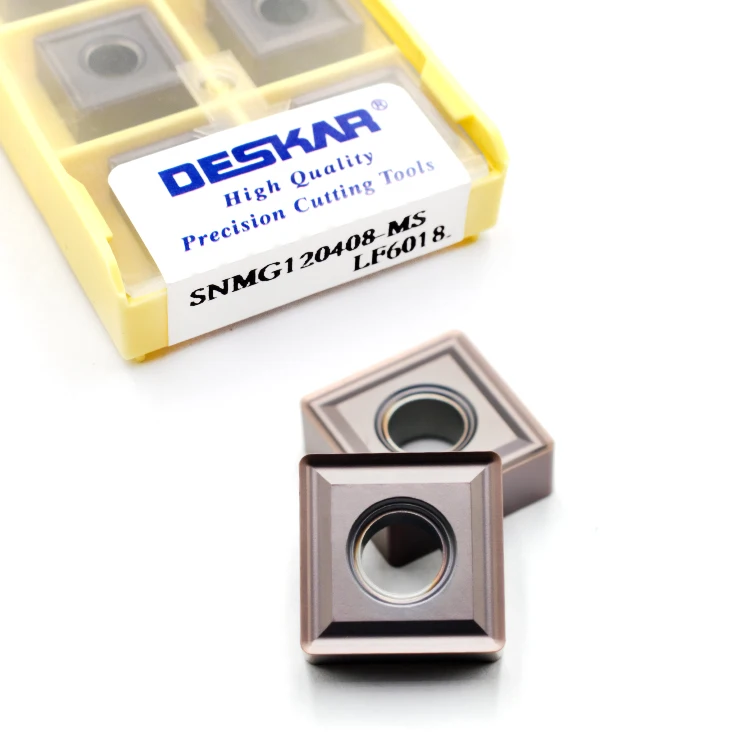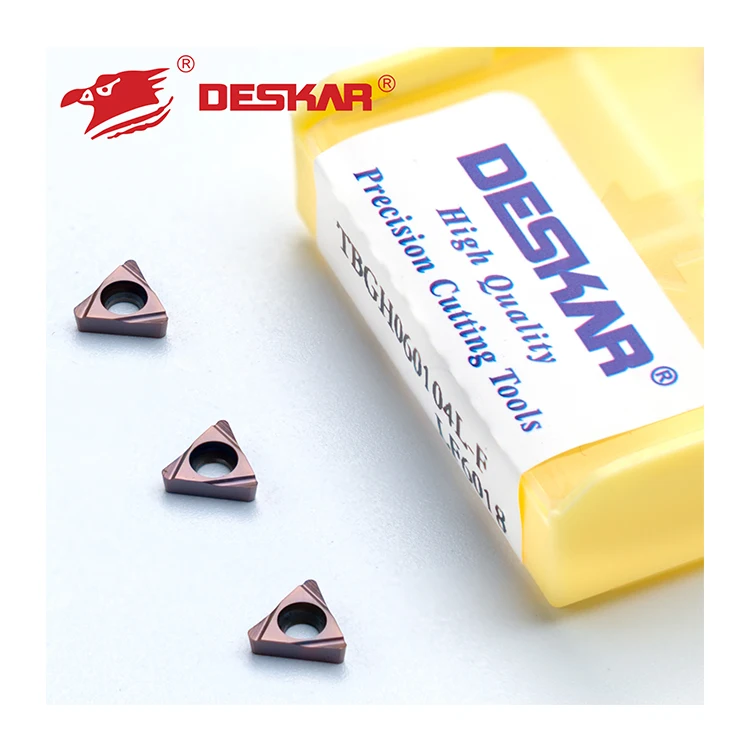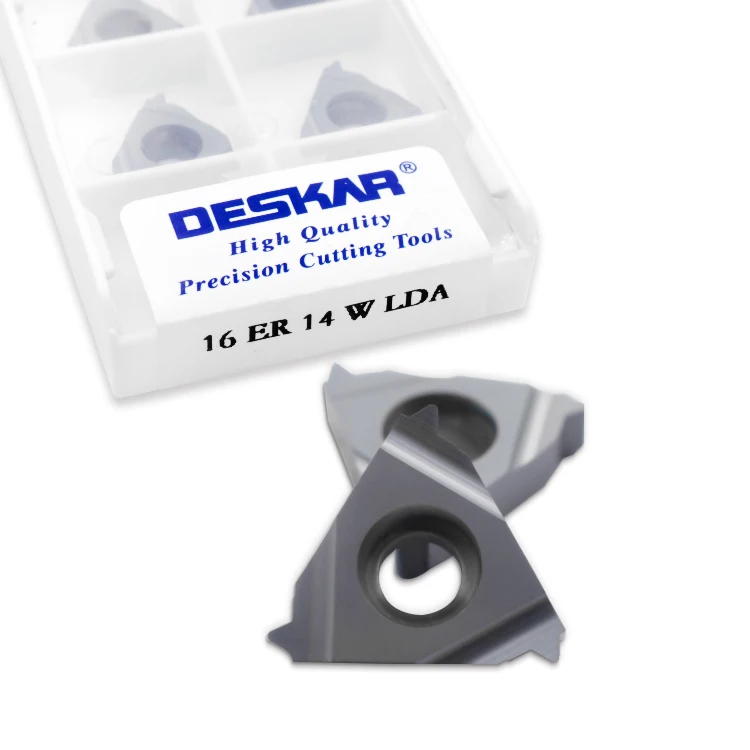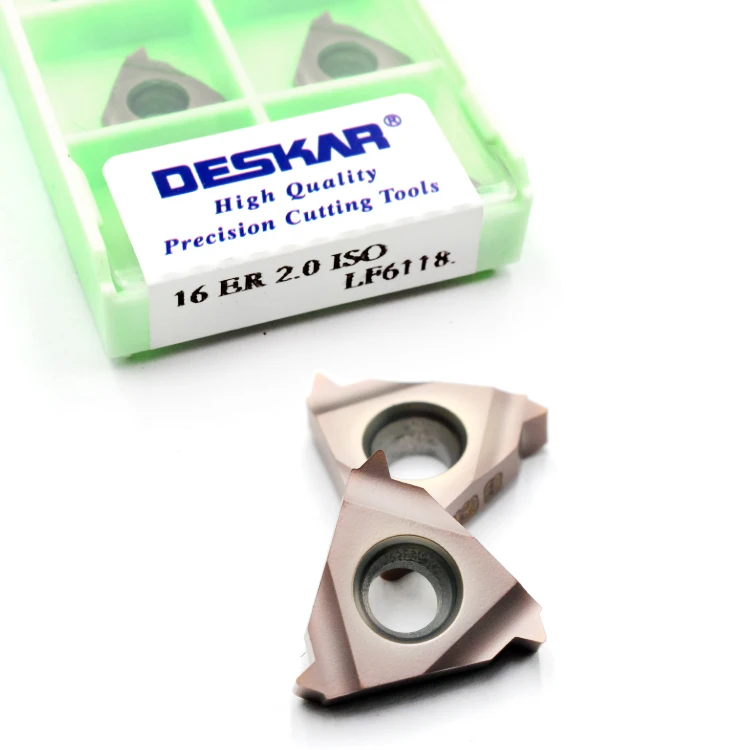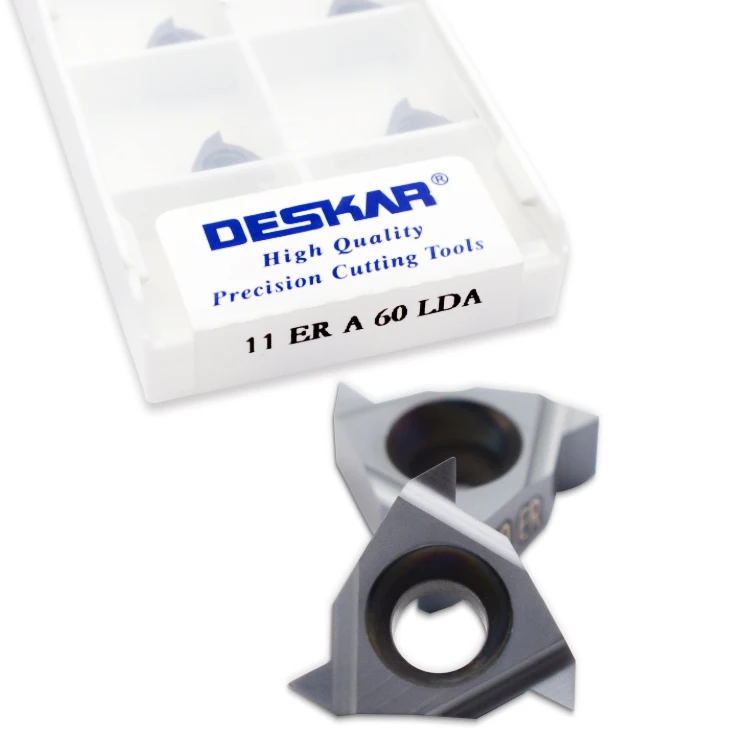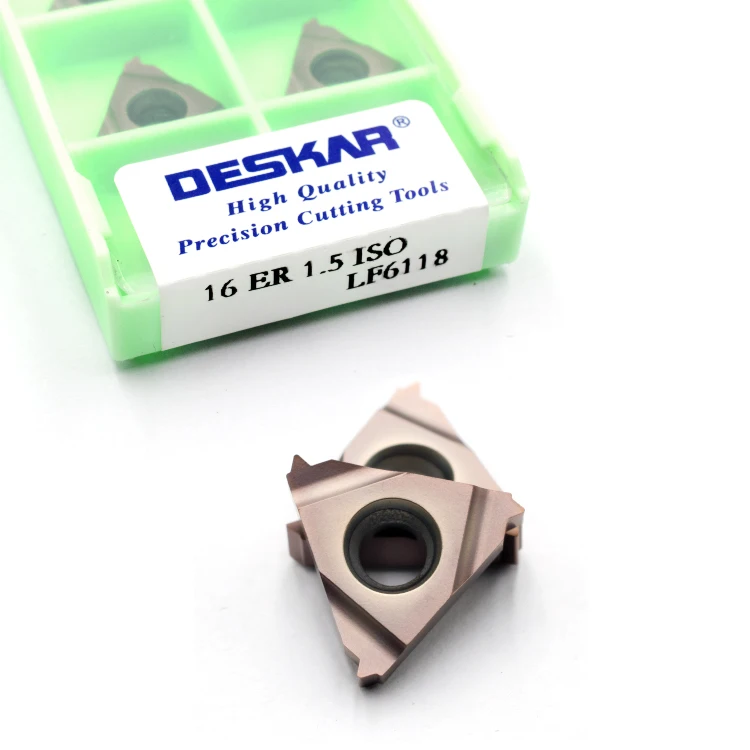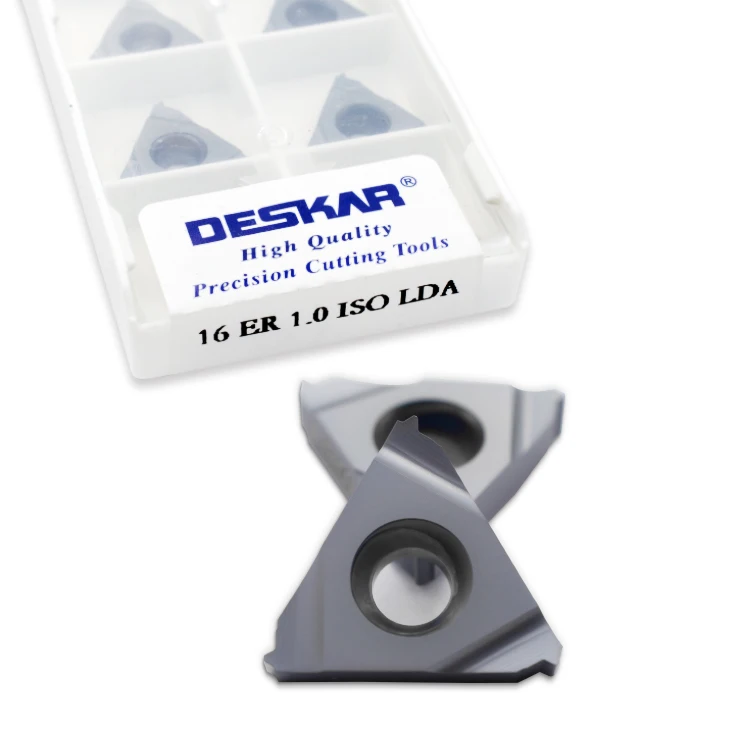
CNC tool inserts are precision components used in machining operations, particularly in turning and milling processes. These inserts play a critical role in the performance of cutting tools, affecting factors such as milling tools life, surface finish, and machining efficiency. For purchasing managers and engineers in industries like automotive and aerospace, selecting the right CNC tool insert is essential. This article will address key concerns regarding sourcing, common issues, cost considerations, application suitability, and product comparisons to help you make informed decisions.
Sourcing high-quality suppliers for CNC tool inserts involves evaluating several critical factors. Start by assessing the manufacturer’s expertise and experience in the industry. A reputable supplier should have a strong research and development (R&D) background, which indicates their capability to innovate and meet specific industry needs.
Additionally, understanding the supplier's manufacturing capabilities is vital. Look for companies equipped with advanced production lines, such as those offering indexable CNC blades and NC Arbors. Certifications and quality control processes are also essential; ensure that the supplier adheres to industry standards that guarantee precision and reliability in their products.
Establishing a good relationship with suppliers can lead to better pricing, customized solutions, and more reliable delivery times. Request samples to evaluate the quality of their CNC thread milling tool before committing to larger orders.
Common problems associated with CNC tool inserts include premature wear, chipping, and incorrect insert fitment. These issues can significantly impact machining efficiency and product quality.
To address premature wear, consider the coating used on the inserts. PVD (Physical Vapor Deposition) or CVD (Chemical Vapor Deposition) coatings enhance durability and resistance to heat and wear. Selecting the appropriate coating based on the material being machined is crucial.
Chipping can often be prevented by ensuring proper alignment and fitment of the inserts within the mills tools holder. Regular maintenance and inspection of tool holders can help identify potential issues before they lead to more significant problems.
For incorrect fitment, always verify the technical specifications, including dimensions and tolerances, against your machine’s requirements. Proper training for operators on insert handling and installation can also reduce these common issues.
When purchasing CNC tool inserts in bulk, several cost factors must be considered to ensure you are making a financially sound decision. The unit price of inserts can vary significantly based on material, coating, and design complexity.
Additionally, consider the total cost of ownership, which includes not only the purchase price but also the expected tool life, maintenance costs, and production downtime. A higher-quality insert may have a higher upfront cost but could lead to savings over time due to longer life and reduced machine downtime.
Minimum order quantities (MOQs) also affect pricing. Suppliers like LIFENG PRECISION TOOLS may offer favorable pricing for larger quantities, but ensure that the quantity aligns with your production needs to avoid excess inventory.
Shipping and handling costs should not be overlooked, especially when importing from international suppliers. Compare shipping options and times to find the most economical solutions that meet your delivery requirements.
CNC tool inserts are crucial in the automotive and aerospace industries, where precision and reliability are paramount. In automotive manufacturing, these inserts are used for high-speed machining of components such as engine blocks, transmission parts, and suspension systems. The ability to maintain tight tolerances and achieve superior surface finishes directly affects the performance and safety of automotive products.
In the aerospace sector, CNC tool inserts must meet stringent quality standards due to the critical nature of components like turbine blades and structural parts. The use of specialized materials and coatings designed to withstand extreme temperatures and stresses is essential.
Both industries benefit from custom solutions that cater to specific machining requirements, such as unique geometries or specialized coatings that enhance performance. Working with a supplier that understands these applications can provide significant advantages in terms of product development and operational efficiency.
When comparing different CNC tool inserts, start by assessing the material used in their construction. Common materials include carbide, ceramic, and high-speed steel, each with distinct performance characteristics. For example, carbide inserts are favored for their hardness and wear resistance, making them suitable for high-speed applications.
Next, evaluate the insert geometry. Different shapes and cutting edge designs can impact chip removal, surface finish, and tool life. Understanding the specific machining operation you will perform is crucial for selecting the right geometry.
Coating technology is another vital comparison point. Coatings like PVD and CVD enhance the performance of the inserts under various machining conditions. Look for inserts that are specifically designed for the materials you will be machining to ensure optimal performance.
Lastly, consider the supplier’s reputation and the support they offer. A reliable supplier should provide technical assistance and guidance in selecting the most suitable inserts for your applications. This partnership can be invaluable in ensuring you achieve the best possible outcomes in your machining operations.
By addressing these key aspects when selecting CNC tool inserts, you can significantly enhance your machining efficiency and overall product quality.