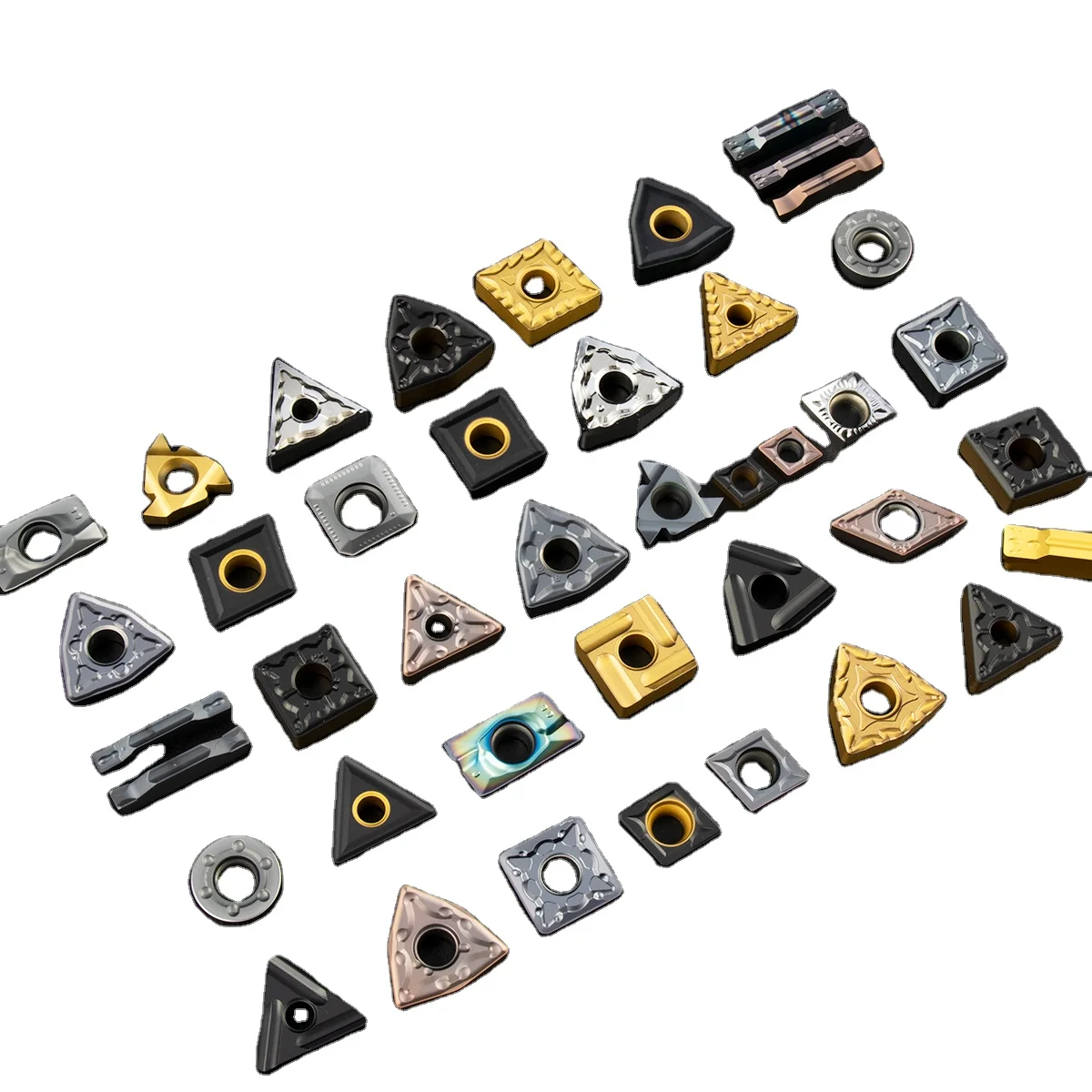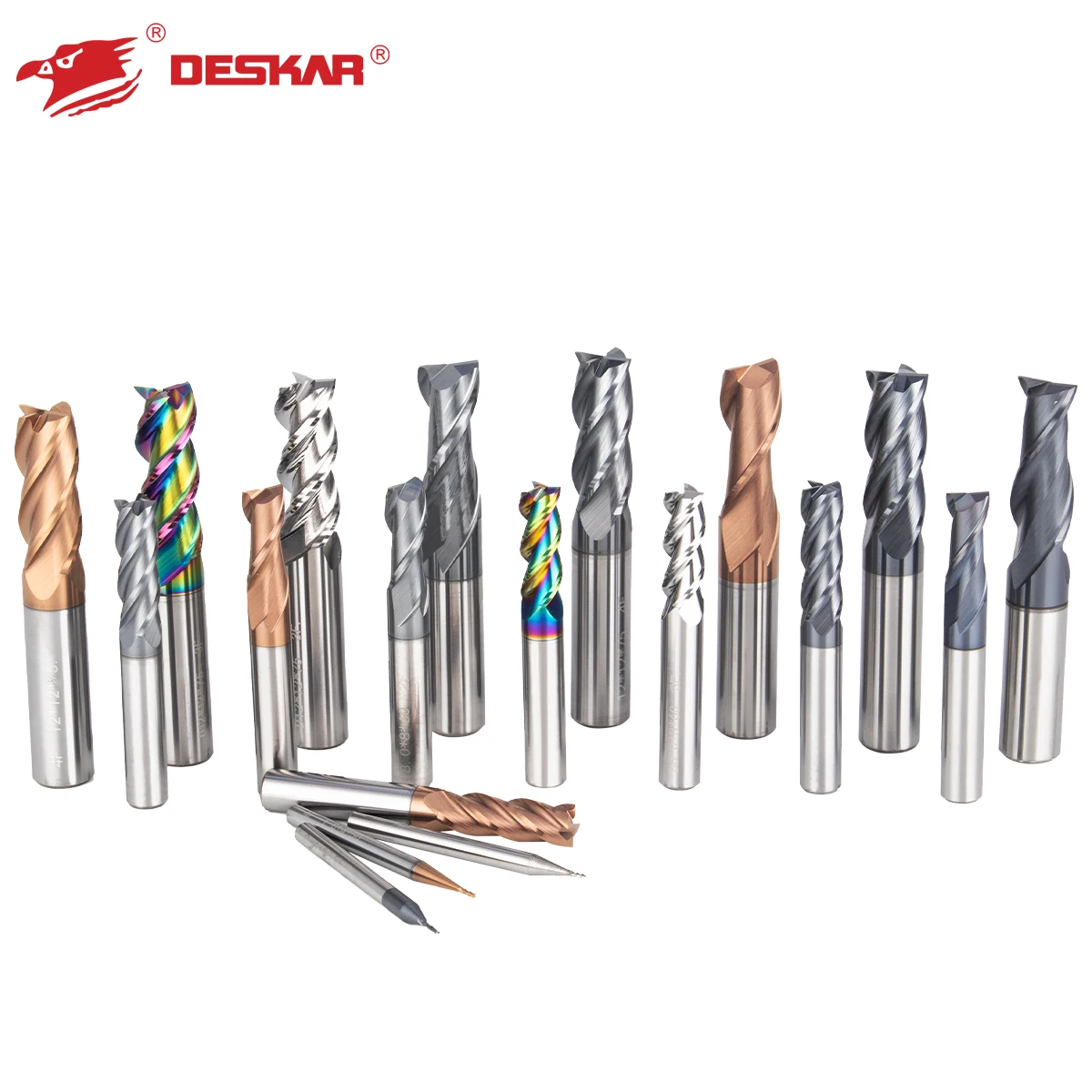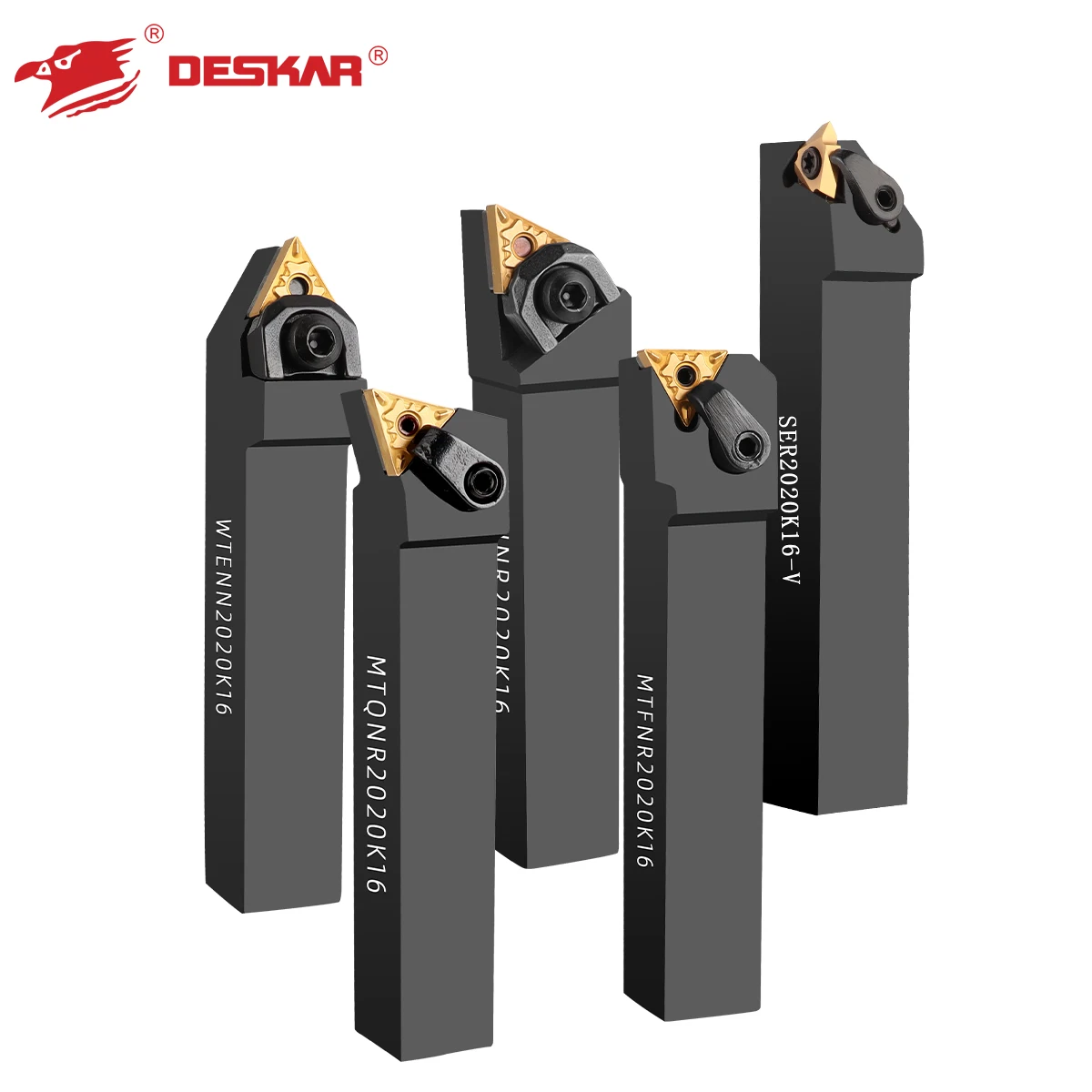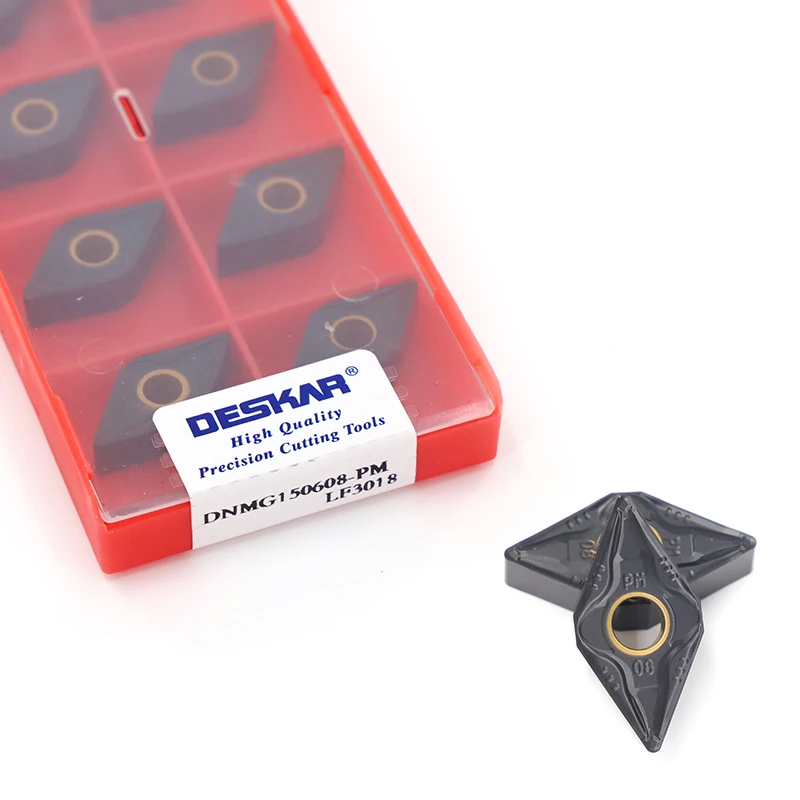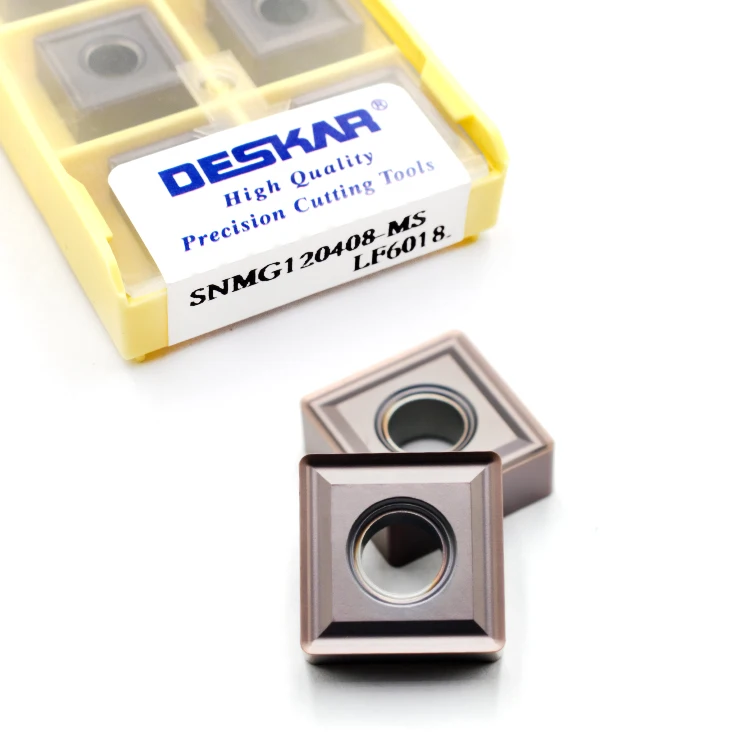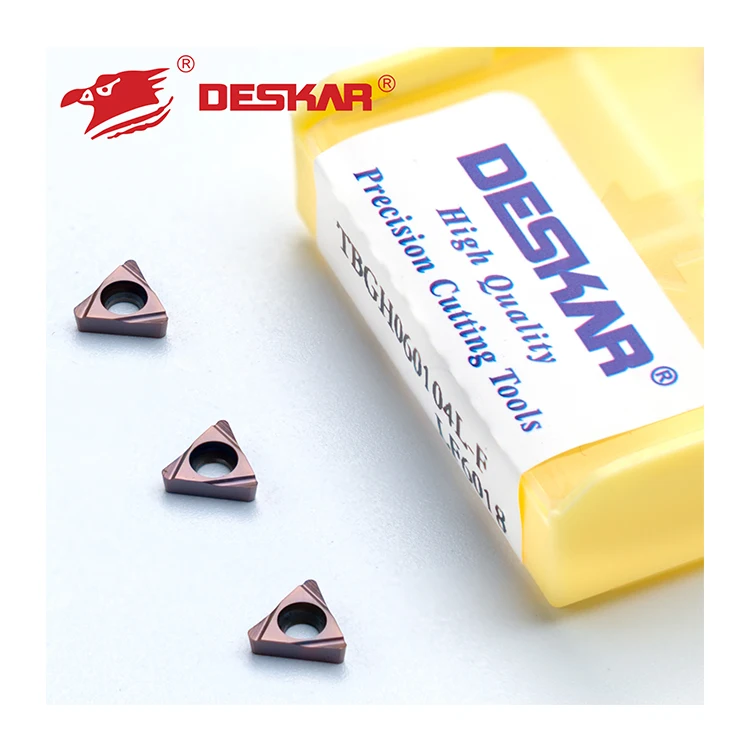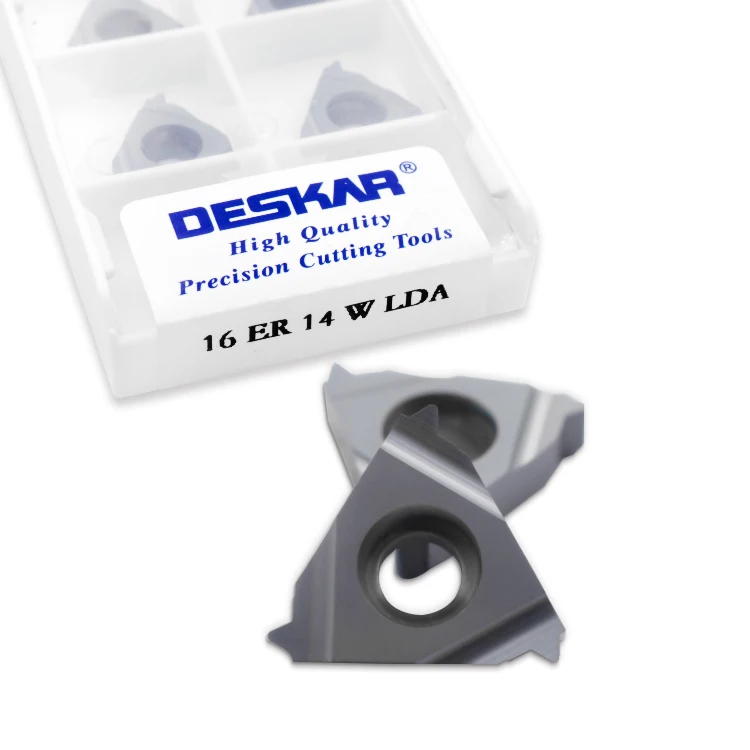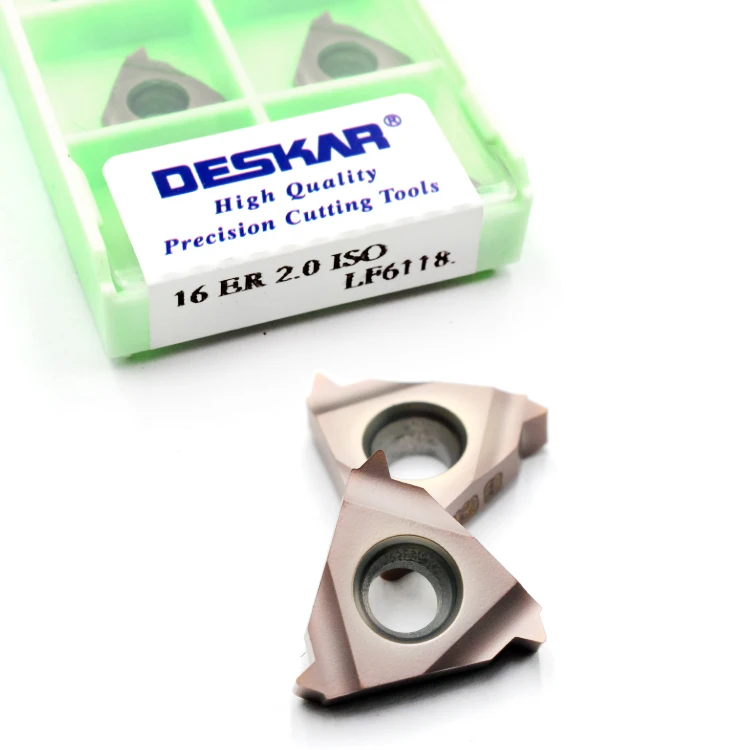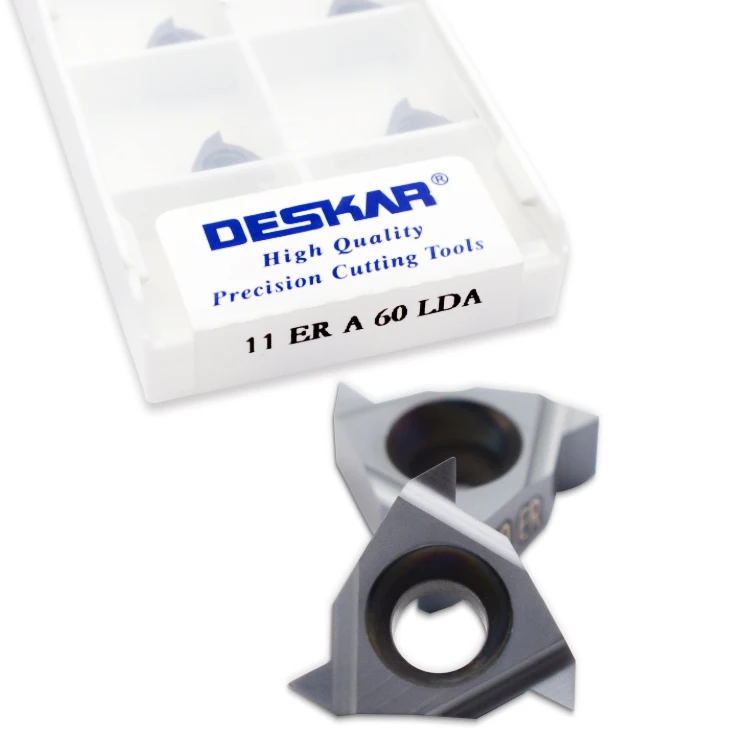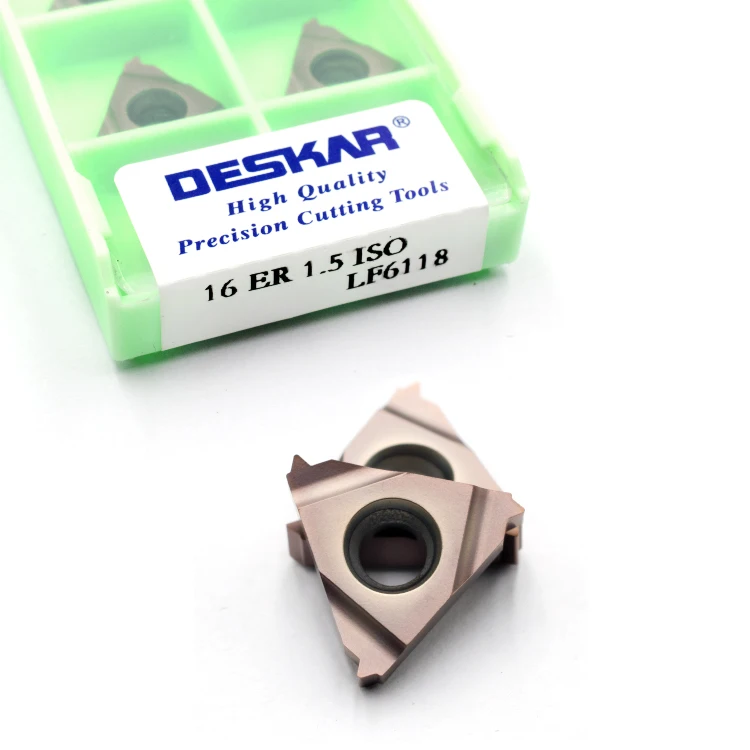
CNC inserts are vital components in the machining process, allowing for precision and efficiency in various applications, including mold making, automotive, and aerospace industries. B2B buyers, such as purchasing managers and engineers, often face challenges in selecting the right CNC inserts due to their specifications, material compatibility, and overall performance. This article aims to provide practical insights into sourcing high-quality CNC inserts, comparing specifications, understanding buyer considerations, addressing common issues, and identifying trustworthy vendors.
When sourcing CNC inserts for bulk orders, identifying reliable manufacturers is crucial. Look for suppliers with a strong reputation and proven track record in the industry. LIFENG PRECISION TOOLS (ZHEJIANG) CO., LTD, based in Wenling, Zhejiang, is known for its advanced CNC lathe inserts tooling solutions, including high-precision standard and non-standard cutting tools with PVD/CVD coatings. Buyers should inquire about the company’s manufacturing capabilities, including their production equipment, quality control processes, and certifications
Additionally, consider factors such as minimum order quantities (MOQ), lead times, and customization options. A capable supplier should be able to accommodate unique requirements, whether it involves specific dimensions, coatings, or special materials. Establishing direct communication with manufacturers can also provide clarity on pricing structures and shipping methods, ensuring that you receive the best value for your investment.
Understanding CNC insert specifications is critical for optimizing machining performance. Key specifications to consider include material type, coating, geometry, and dimensions
Material Type: Common materials for CNC inserts include carbide, ceramic, and cermet. Carbide inserts are favored for their high hardness and wear resistance, making them suitable for a range of applications. In contrast, ceramic inserts excel in high-speed machining but may be more brittle
Coating: Coatings like PVD (Physical Vapor Deposition) and CVD (Chemical Vapor Deposition) enhance durability and reduce friction. The choice of coating should align with the intended application, as it can significantly impact wear resistance and chip management
Geometry: The shape and geometry of the insert, such as cutting edge angle and rake angle, influence cutting efficiency and surface finish. Buyers should select geometries that are compatible with their specific machining operations
Dimensions: Ensure that the insert dimensions match the tool holder specifications and that they fit the machine's capabilities. Misalignment can lead to reduced performance or even equipment damage
By carefully comparing these specifications, buyers can select CNC inserts that not only meet their operational needs but also enhance productivity and reduce tool wear
B2B buyers should be well-informed about several critical aspects before purchasing CNC inserts. Here are some essential considerations
Application Suitability: Understand the specific machining application to select the most appropriate insert type. Different materials and coatings are designed for varying applications, whether it's roughing, finishing, or high-speed machining
Quality Control: Inquire about the manufacturer's quality control protocols. Reliable suppliers will have stringent processes in place to ensure that each insert meets predefined quality standards, minimizing the risk of defects
Customization Capabilities: If standard inserts do not meet your requirements, check if the supplier offers customization options. Custom solutions can provide a significant advantage, particularly in specialized applications
Technical Support: Assess whether the supplier offers technical assistance or tooling expertise. Having access to knowledgeable support can help resolve issues quickly and optimize machining processes
Sample Approval: Before committing to a bulk order, it’s advisable to request samples. Testing these samples under actual working conditions can reveal their performance and compatibility, ensuring they meet your standards
Buyers may encounter several common issues with CNC carbide insert, which can impact their machining operations. Here are some typical problems and their solutions
Chipping and Breakage: Inserts can chip or break due to incorrect application or material mismatch. To mitigate this, ensure that the selected insert is appropriate for the material being machined and that the cutting parameters are optimized. Additionally, using a reliable insert with proper geometry can enhance durability
Poor Surface Finish: If the surface finish is not satisfactory, the insert geometry or the cutting speed may need adjustment. Testing different geometries or coatings can also yield improved results
Inconsistent Tool Life: Variability in tool life can arise from factors such as improper cooling, incorrect feed rates, or poor insert quality. Implementing consistent machining practices and ensuring adequate cooling can help maintain tool life
Difficult Chip Removal: If chips are not clearing effectively, it may indicate that the insert is not suited for the cutting parameters. Consider inserts with chip-breaking designs or review the cutting speed and feed rate settings
Identifying and addressing these issues early can prevent costly downtime and enhance overall machining efficiency
Selecting a reliable vendor for CNC inserts is essential for ensuring quality and consistency in your machining operations. Here are some tips to identify trustworthy vendors
Reputation and Reviews: Research the vendor's reputation in the industry. Look for customer reviews, testimonials, and case studies that highlight their experience and product performance
Certifications: Check for industry certifications that indicate adherence to quality standards, such as ISO certifications. These credentials can provide assurance regarding the vendor's commitment to quality control
Technical Expertise: A credible vendor should demonstrate strong technical knowledge about their products. They should be able to provide detailed specifications and support for product selection
Customer Service: Evaluate the level of customer service provided. Responsive and knowledgeable support can greatly enhance the purchasing experience and facilitate problem resolution
Sample Policy: A vendor that offers samples allows buyers to test products before making a bulk purchase, which is a good sign of confidence in their product quality
By following these guidelines, buyers can make informed decisions and establish long-term partnerships with reliable ball nose CNC insert suppliers, ultimately enhancing their machining efficiency and productivity