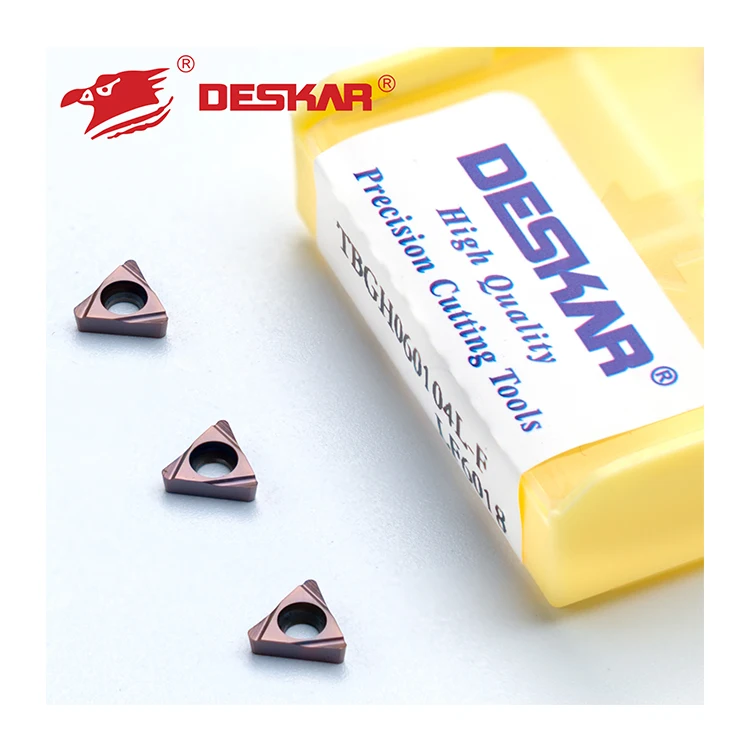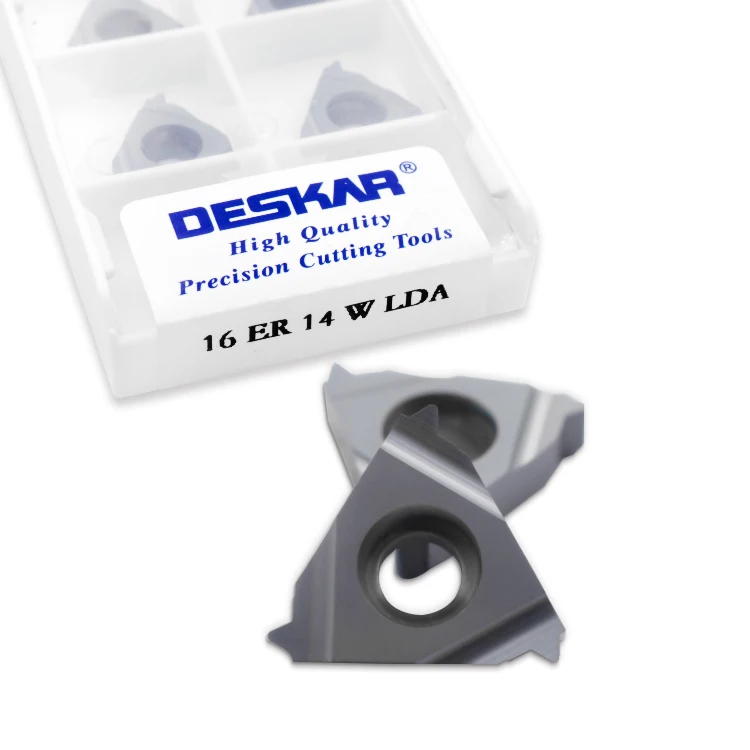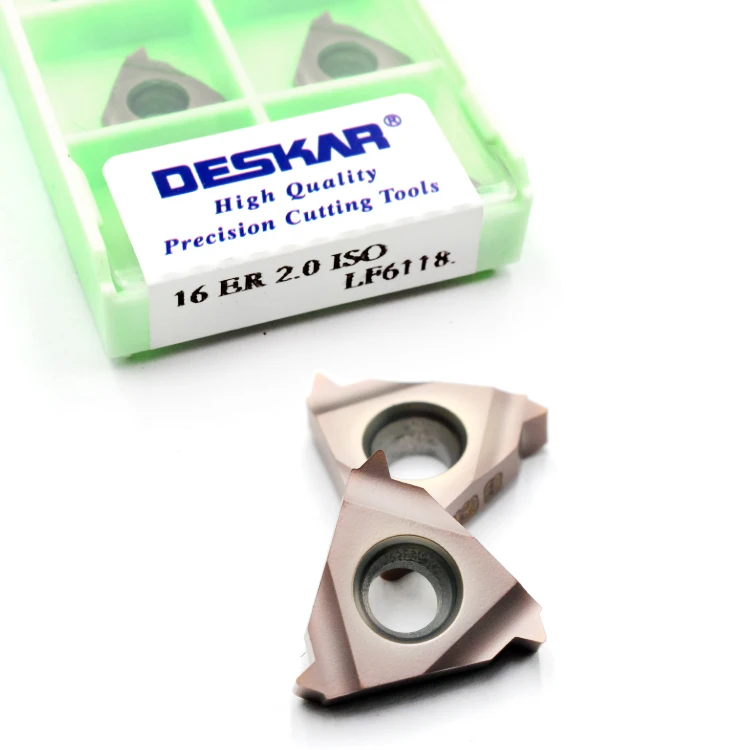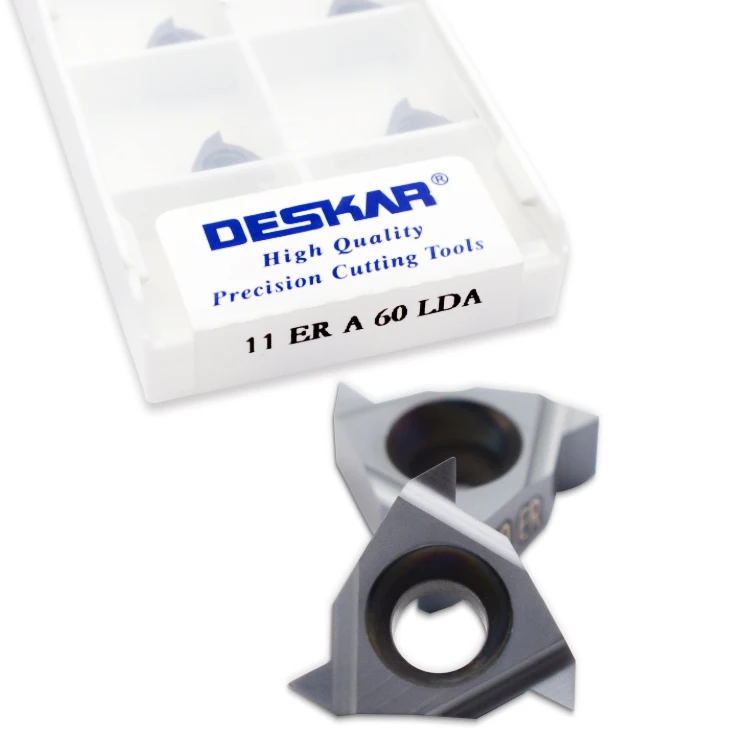
Choosing the right CNC lathe and milling machine is crucial for manufacturers focused on precision and efficiency. This article will explore essential aspects of these machines, helping B2B buyers such as purchasing managers, engineers, and product managers understand the practical considerations involved in selecting the right equipment. We will discuss key differences between CNC lathes and milling machines, common installation issues, and how to effectively compare options to meet project requirements.
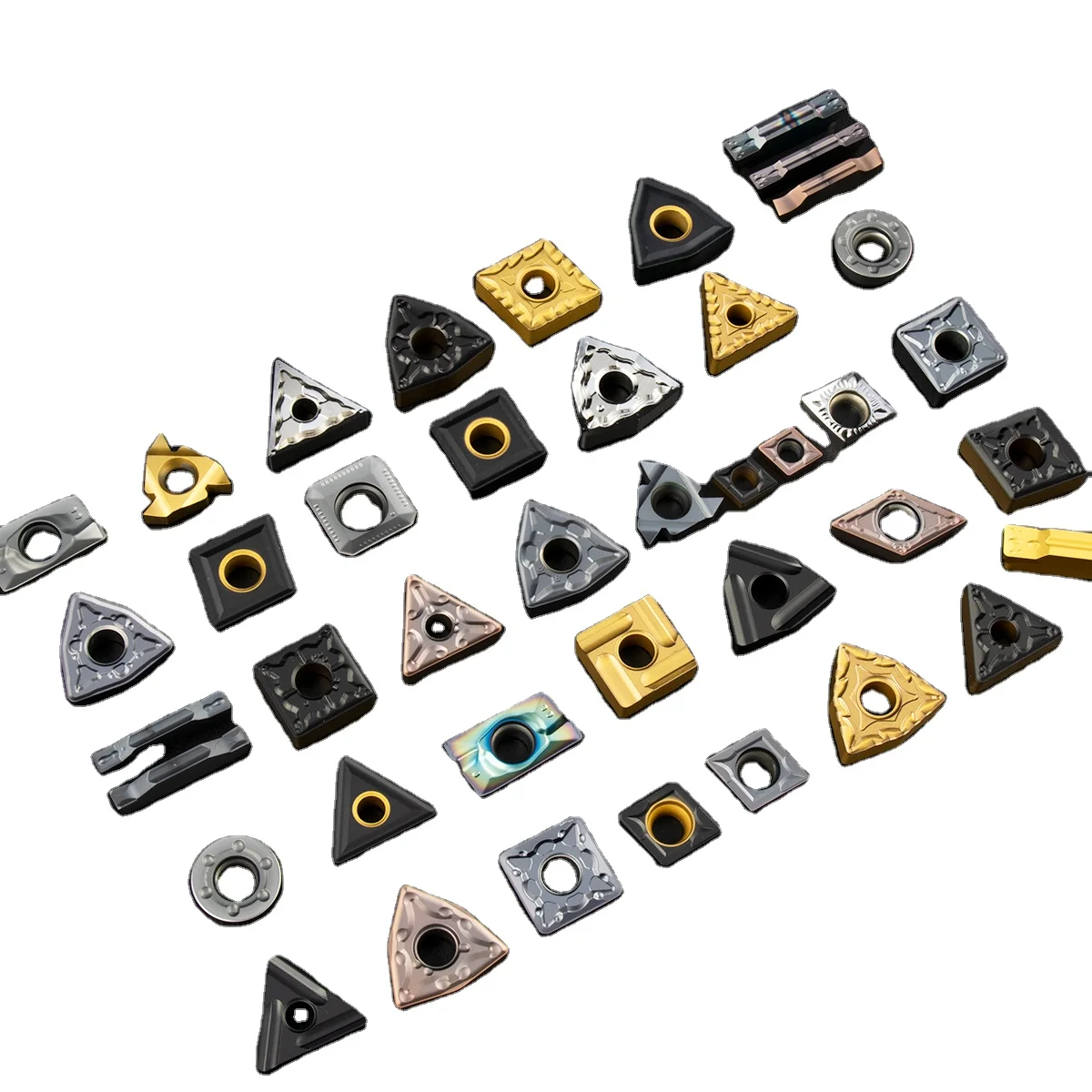
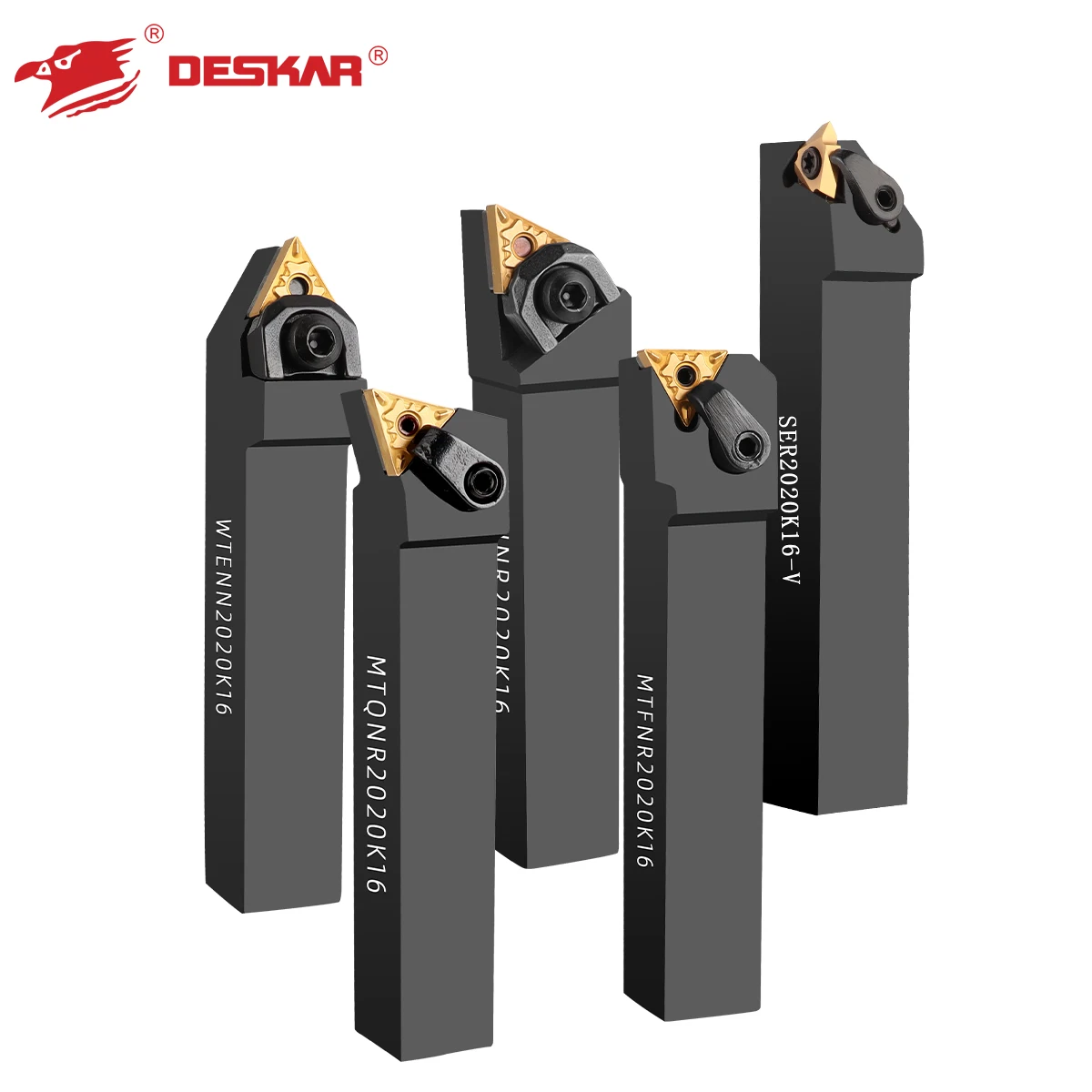
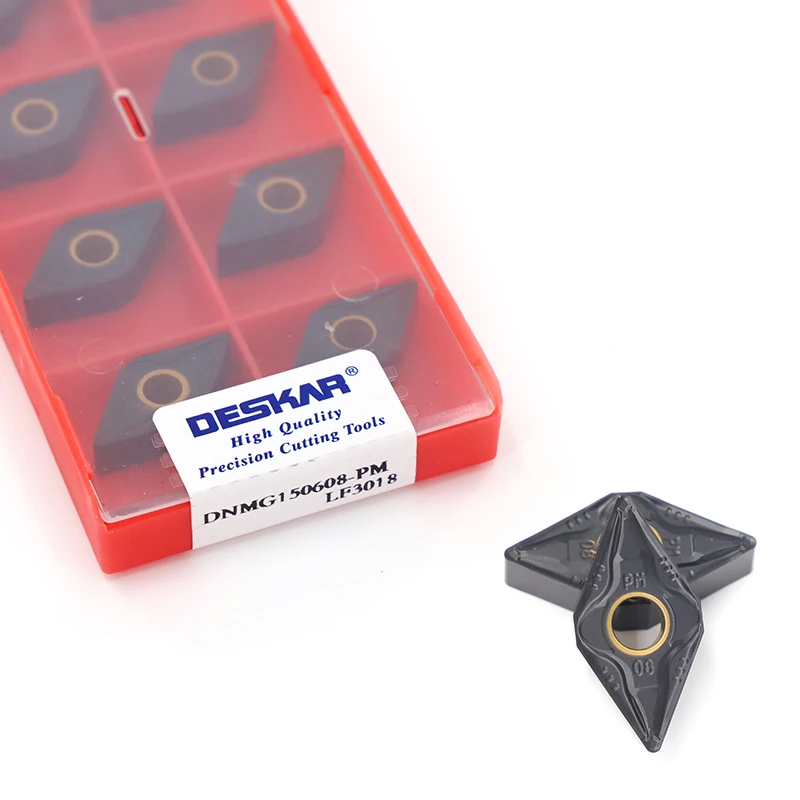
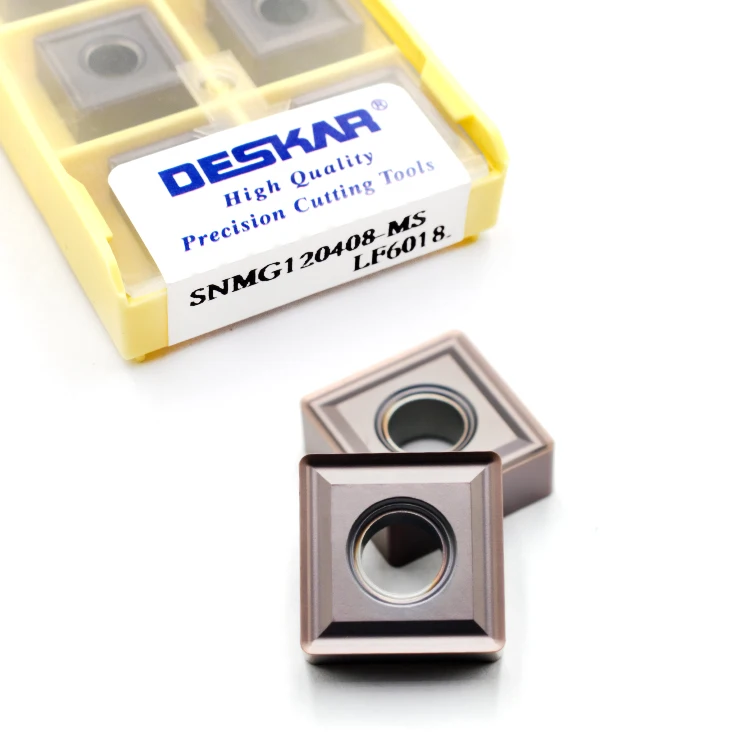
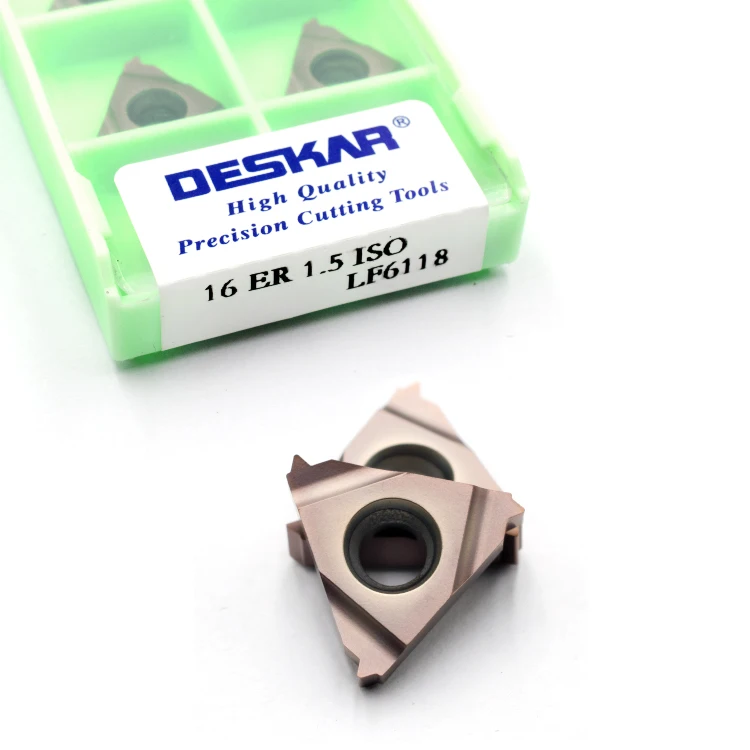
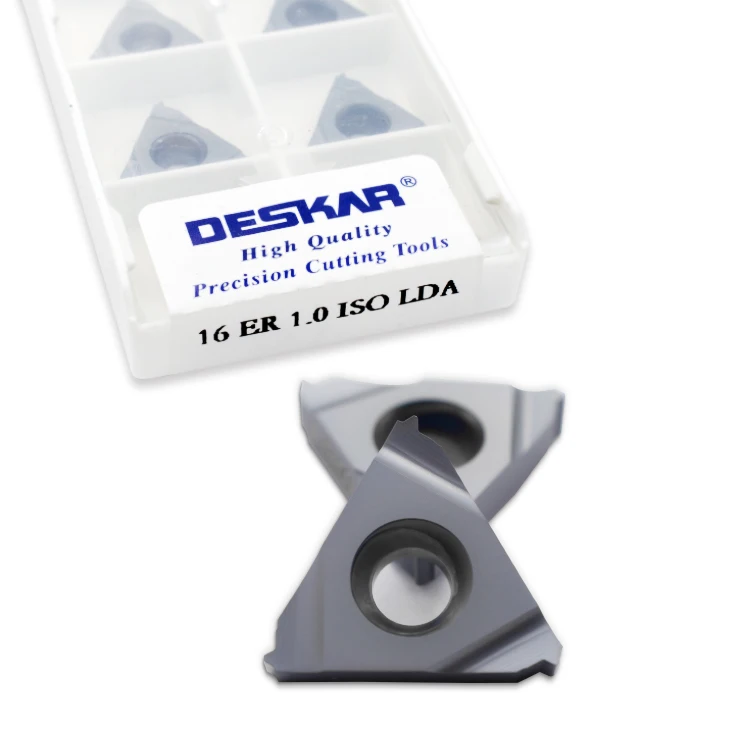
When selecting CNC lathe and milling insert, several factors must be taken into account to ensure optimal performance and suitability for your specific applications. Key considerations include:
Material Compatibility: Different machines are designed to handle various materials, such as metals, plastics, and composites. Understanding the material types you will be working with is essential, as it influences the machine's cutting capabilities and tool selection.
Precision and Tolerances: The level of precision required for your projects plays a significant role in machine selection. Higher precision machines may be necessary for industries like aerospace or medical device manufacturing, where tolerances can be tight.
Production Volume: Consider the expected production volume. High-throughput environments may require machines with faster cycle times and greater automation capabilities, while lower-volume applications might benefit from versatile machines that can handle multiple tasks.
Customization Needs: Some projects may require custom tooling or fixtures. Ensure the supplier can accommodate these needs, as customization can significantly impact efficiency and product quality.
Technical Support and Service: Evaluate the manufacturer's support capabilities. Reliable technical assistance and maintenance services are vital for minimizing downtime and keeping operations running smoothly.
By factoring in these considerations, manufacturers can make informed decisions that enhance productivity and product quality.
Understanding the fundamental differences between CNC lathes and milling machines is critical for selecting the right equipment for your application.
CNC Lathe: This machine primarily rotates the workpiece against a stationary cutting tool. CNC lathes are ideal for producing cylindrical parts, such as shafts, bushings, and fittings. They excel in operations like turning, threading, and boring. The design allows for high-speed machining and precision, making them suitable for industries requiring efficient production of round components.
CNC Milling Machine: Unlike lathes, milling machines utilize a rotating cutting tool to remove material from a stationary workpiece. This versatility allows for a wider range of shapes and sizes, including complex three-dimensional geometries. CNC milling machines are often used for producing parts like brackets, housings, and intricate molds. They can handle a variety of materials and are known for their adaptability in various manufacturing settings.
When choosing between the two, consider the specific shapes and sizes of the components you need to produce, as well as the required production methods.
Installing CNC lathe and milling machine cutters can present challenges that, if not addressed, may affect performance and accuracy. Common issues include:
Alignment and Leveling: Proper alignment and leveling of the machine are crucial for ensuring accurate machining. If not installed correctly, it can lead to misalignment, resulting in poor quality and increased wear on tools.
Electrical Requirements: Ensure that the electrical supply meets the machine's specifications. Insufficient power or incorrect voltage can result in machine malfunctions or damage.
Cooling and Lubrication Systems: Proper setup of cooling and lubrication systems is essential to prevent overheating and ensure the longevity of the machine. Inadequate cooling can lead to thermal expansion, compromising precision.
Training and Familiarization: Operators must be adequately trained on the specific machine's capabilities and programming. Lack of knowledge can lead to operational errors and increased production times.
Addressing these installation issues early on can help ensure that the machines operate efficiently and effectively.
When comparing CNC lathe and milling machine options, consider establishing a clear set of criteria based on your project requirements. Key factors to assess include:
Specifications and Capabilities: Review technical specifications such as spindle speed, feed rates, and tooling options. Ensure these align with your production needs.
Automation Features: Evaluate the level of automation available. Machines with advanced features such as automatic tool changers or integrated inspection systems can enhance efficiency and reduce labor costs.
Cost of Ownership: Analyze not only the initial purchase price but also the total cost of ownership, including maintenance, tooling, and operational costs. A cheaper machine may result in higher long-term expenses if it requires frequent repairs or replacement parts.
Supplier Reputation: Research potential suppliers, considering their experience, customer reviews, and support services. A reputable supplier can provide valuable guidance and assistance throughout the purchasing and operational phases.
Customization Options: Determine if the supplier can tailor machines to meet specific project needs, such as custom tooling or unique operational requirements.
By thoroughly evaluating these aspects, buyers can make well-informed decisions that align with their project goals.
CNC lathe and milling machine operations can encounter various challenges that may hinder productivity and quality. Here are some common problems and potential solutions:
Tool Wear and Breakage: Frequent tool wear can lead to increased production costs and compromised product quality. Regularly monitor tooling performance and implement a preventive maintenance schedule to replace tools based on usage patterns.
Dimensional Inaccuracies: If parts do not meet specified tolerances, it could stem from machine misalignment or improper setup. Regular calibration and verification against known standards can help maintain accuracy.
Chip Removal Issues: Poor chip removal can lead to tool overheating and compromised part quality. Ensure that the machine's chip management system is functioning correctly, and consider the use of high-pressure coolant systems if necessary.
Software and Programming Errors: Improper programming can result in machining errors. Invest in operator training and consider utilizing simulation software to validate machining paths before production begins.
By proactively addressing these common problems, manufacturers can enhance the reliability and efficiency of their CNC lathe and CNC milling insert machine operations, ultimately improving overall productivity.