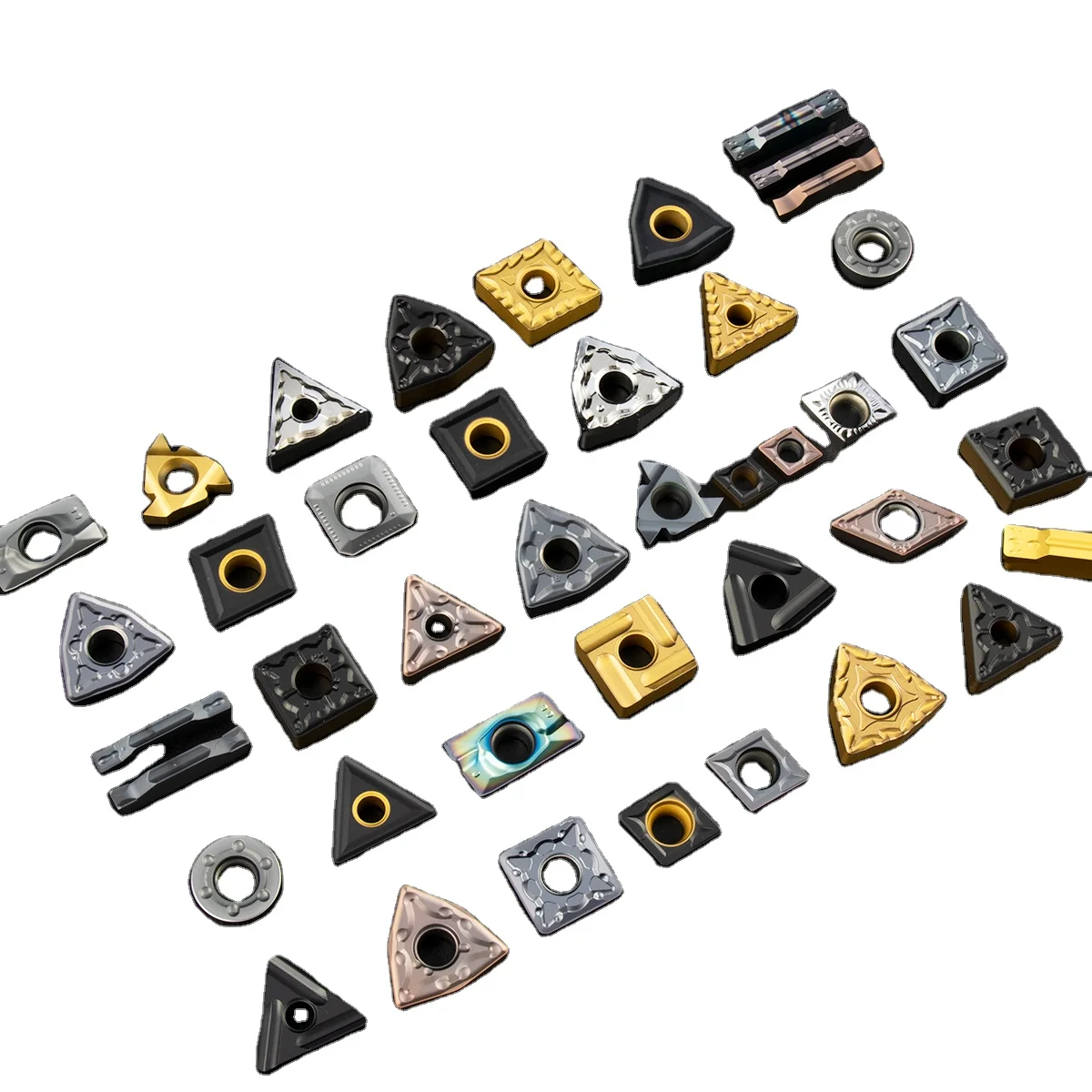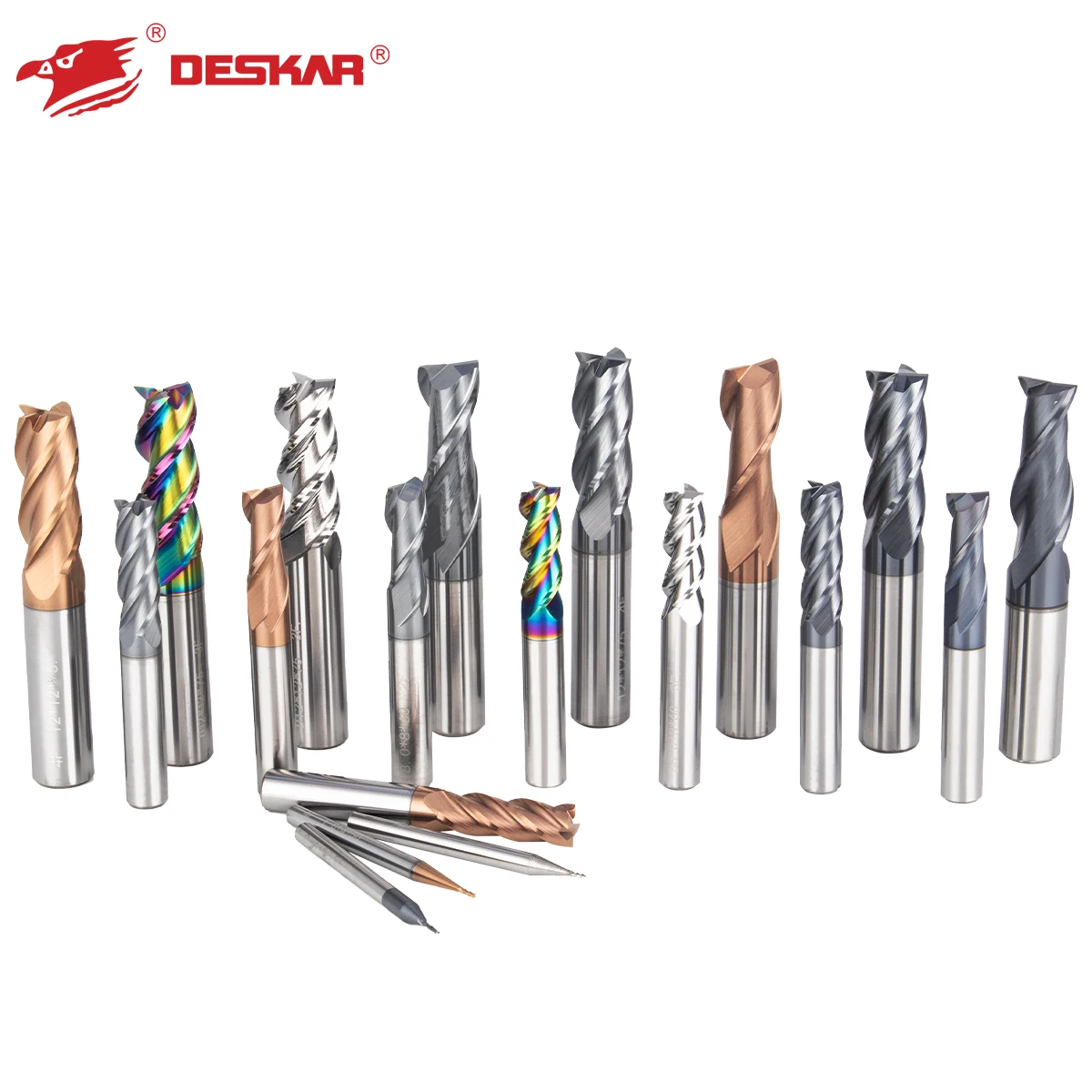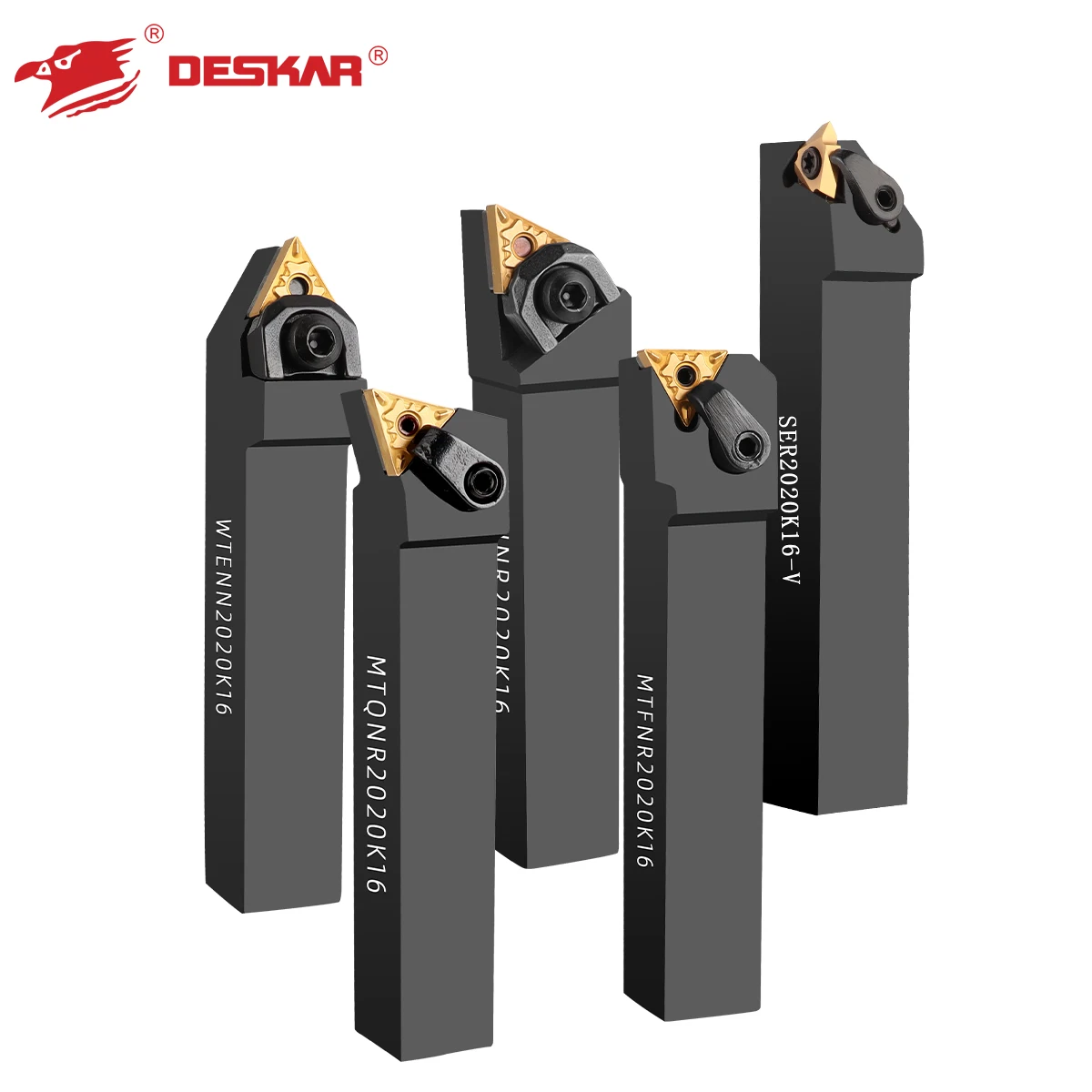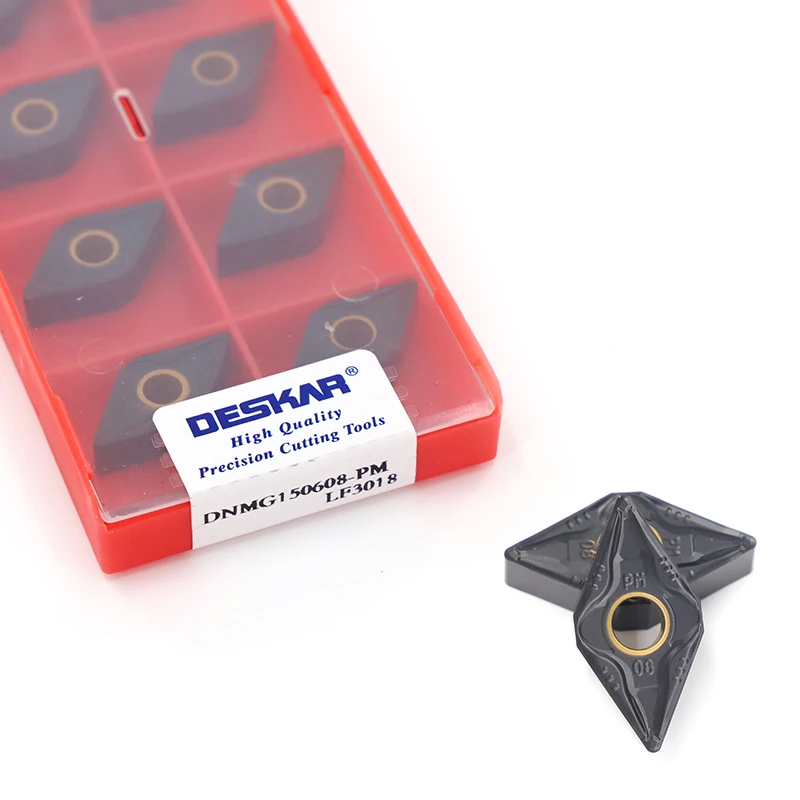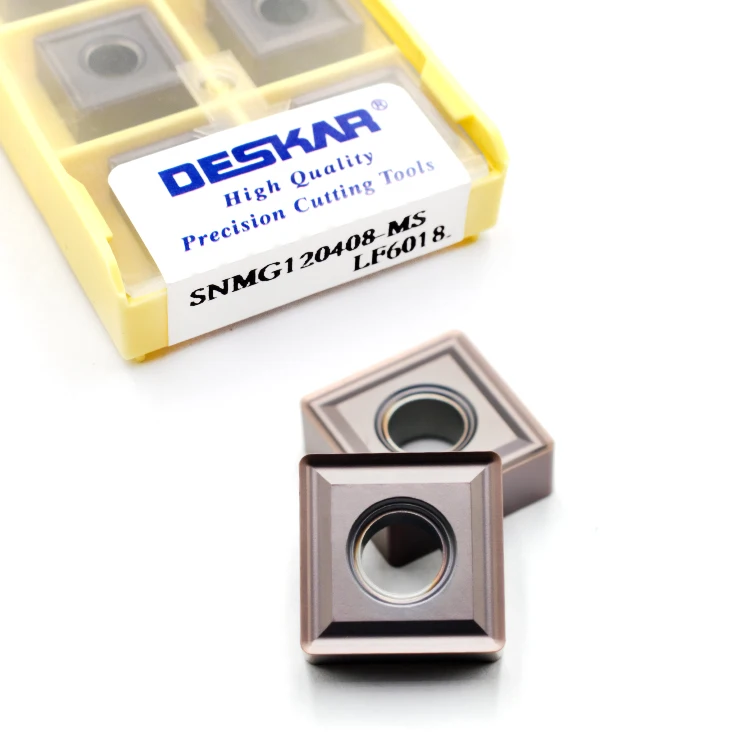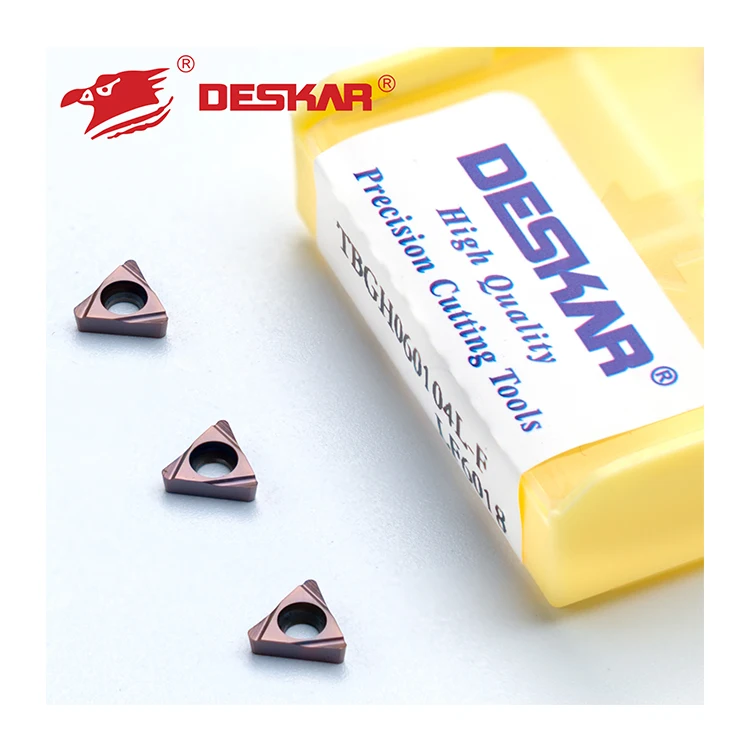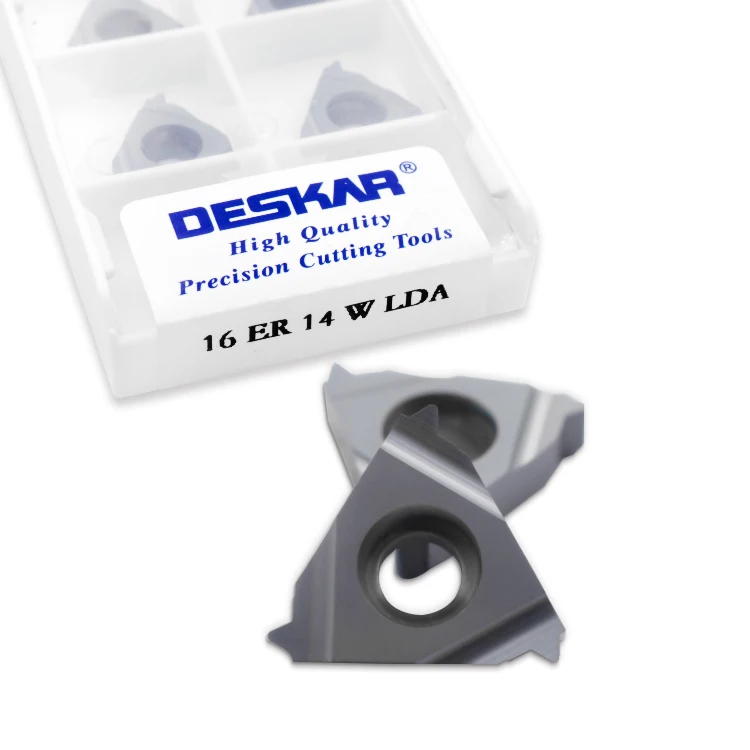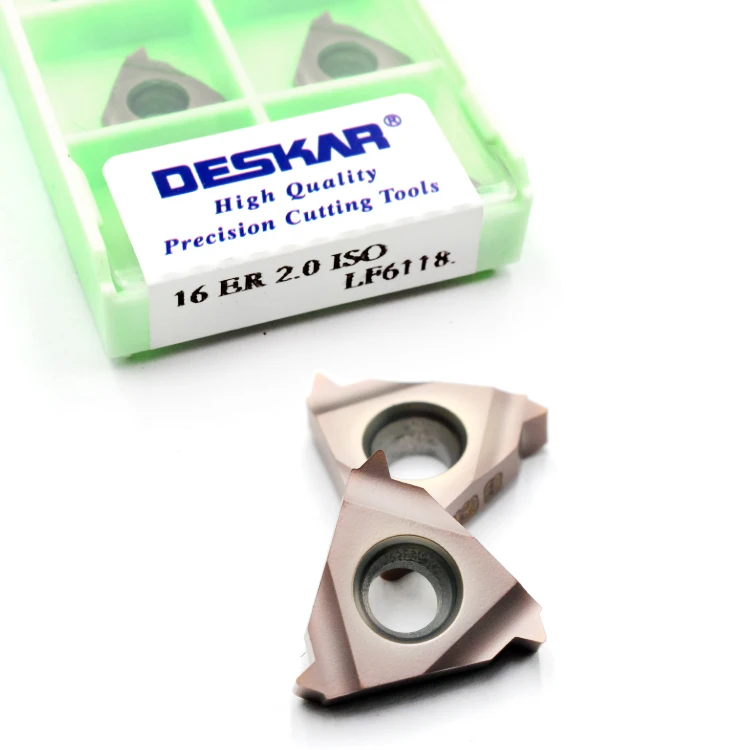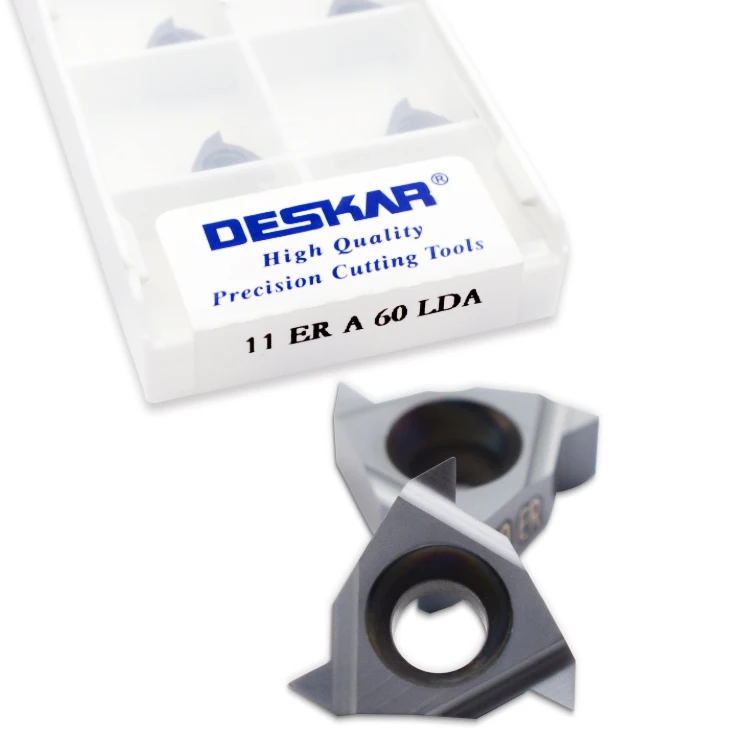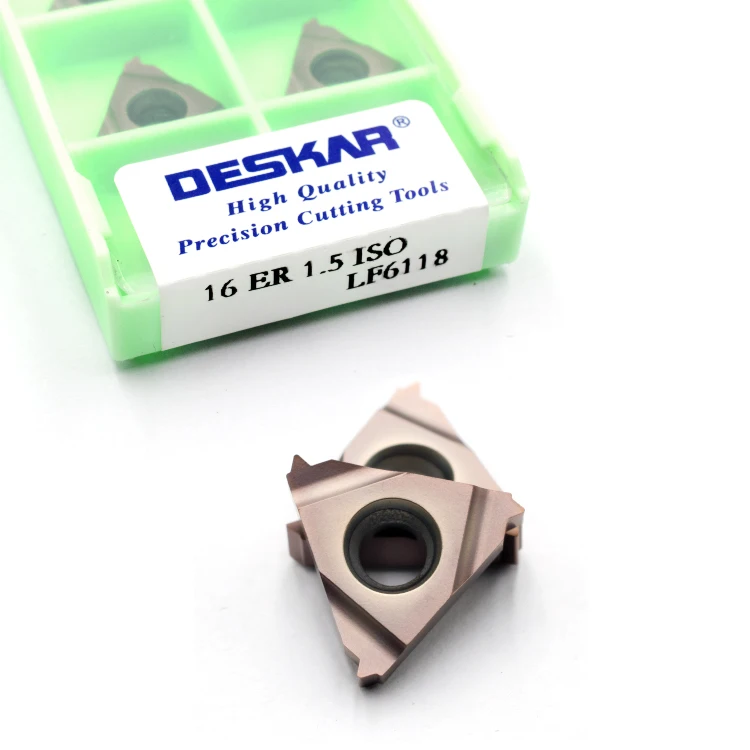
Milling inserts are essential cutting tools used in various machining applications, particularly in manufacturing sectors such as automotive, aerospace, and mold-making. They play a critical role in shaping materials and achieving precise dimensions in finished products. For B2B buyers, selecting the right milling insert involves understanding its specifications, applications, and the factors that influence its performance and cost. This article will guide you through the key considerations in choosing milling inserts, helping you make informed purchasing decisions. DESKAR, a brand of LIFENG PRECISION TOOLS (ZHEJIANG) CO., LTD, provides precision cutting tools and CNC machining solutions for different manufacturing applications. The company has a research and development team and production lines for Indexable CNC inserts, CNC tool holders, solid carbide end mills, and PVD coatings. Its product range includes standard and non-standard cutting tools with PVD and CVD coatings, cemented carbide, cermet, and aluminum options for turning, milling, drilling, grooving, cutting, and Indexable thread machining. DESKAR also provides cutting tools for mold-making, automotive, and aerospace applications, with solutions developed according to different machining requirements. The company states that it operates under an ISO 9001 quality management system and exports its products to international markets.
When selecting a milling insert, consider the material you will be machining. Different materials, such as aluminum, steel, or titanium, require specific insert geometries and coatings to optimize cutting performance. For instance, inserts designed for aluminum machining typically have a sharper cutting edge, while those for harder materials may feature reinforced edges to withstand higher wear
It is also vital to assess the insert's geometry—such as the shape and size of the cutting edge. The correct geometry can significantly affect cutting efficiency and surface finish. Additionally, consider the insert's coating. PVD (Physical Vapor Deposition) and CVD (Chemical Vapor Deposition) coatings enhance durability and reduce friction, which can improve tool life and reduce downtime for replacements
Lastly, evaluate the compatibility of the inserts for milling with your existing CNC machines. Confirm that the insert fits the tool holder and is capable of delivering the necessary cutting speeds for your specific applications.
When sourcing milling inserts, several key specifications must be evaluated to ensure optimal performance:
Material Composition: The substrate material of the insert is crucial for durability and performance. Common materials include carbide, ceramic, and high-speed steel. Each has unique properties that influence hardness, wear resistance, and thermal stability
Insert Geometry: The geometry of the insert, including the rake angle and clearance angle, affects how the insert interacts with the workpiece. A positive rake angle can reduce cutting forces and improve chip formation, while a negative rake angle is better suited for tougher materials
Coating Type: The type of coating applied to the insert can enhance its performance. PVD coatings provide excellent resistance to wear and oxidation, while CVD coatings offer better hardness at high temperatures
Dimensions and Tolerances: Ensure that the insert dimensions, including thickness and diameter, meet the specifications of your tool holder. Tolerances should also be checked to avoid misalignment during machining
Chip Formation: Evaluate the insert's design for optimal chip evacuation. This is critical for maintaining cutting efficiency and preventing tool wear
Understanding these specifications will help you select an insert milling that meets your operational requirements and enhances productivity.
For businesses looking to purchase milling inserts in bulk, wholesale options can provide significant cost savings. Many manufacturers, including LIFENG PRECISION TOOLS, offer competitive pricing on bulk orders, which can be beneficial for companies with large-scale production needs
When considering wholesale purchases, it’s important to discuss minimum order quantities (MOQs) with suppliers. Understanding the MOQ will help you plan your inventory and production schedules more effectively. Additionally, inquire about packaging options—bulk packaging can reduce shipping costs and make handling easier
Another advantage of wholesale purchasing is the opportunity for customization. Many manufacturers offer tailored solutions, such as specific coatings or geometries, to meet unique application requirements. Ensure that you communicate your specific needs to the supplier to receive the best options available.
The cost of milling inserts can vary widely based on several factors. Understanding these factors can help you manage your budget effectively:
Material Cost: The type of material used for the insert plays a significant role in its price. Carbide inserts are generally more expensive than high-speed steel due to their superior performance and durability
Coating and Treatment: Additional coatings, such as PVD or CVD, can increase the cost but often lead to longer tool life and reduced overall machining costs
Complexity of Geometry: More complex insert geometries that enhance performance or allow for specific applications may come with a higher price tag. However, these can lead to better machining efficiency and lower operational costs in the long run
Volume Discounts: Purchasing in larger quantities can yield discounts, so consider your projected usage to optimize cost savings while ensuring you have adequate supplies
Supplier Reputation: Established suppliers may charge more for their products due to their reliability, quality assurance, and customer service. Investing in reputable brands can minimize risks associated with product failure
Being aware of these cost factors will help you negotiate better pricing and make informed decisions when selecting milling inserts.
At LIFENG PRECISION TOOLS, we leverage advanced manufacturing capabilities and extensive research and development to produce high-precision milling inserts. Our expertise in cutting tool design ensures that our products meet the rigorous demands of various industries, including automotive and aerospace
Our manufacturing process employs state-of-the-art CNC machining and quality control measures to guarantee that every insert meets strict tolerances and performance criteria. Each insert undergoes comprehensive testing to assess its cutting efficiency and durability under real-world conditions
Moreover, our commitment to innovation allows us to offer custom solutions tailored to meet specific customer needs. Whether you require unique geometries, specialized coatings, or specific material compositions, our technical team is equipped to assist you in finding the right solution for your applications
In summary, understanding the key specifications, sourcing options, cost factors, and the technical expertise behind milling inserts is crucial for B2B buyers looking to optimize their purchasing decisions. By considering these factors, you can select high-quality milling inserts that enhance your manufacturing processes and drive overall efficiency.