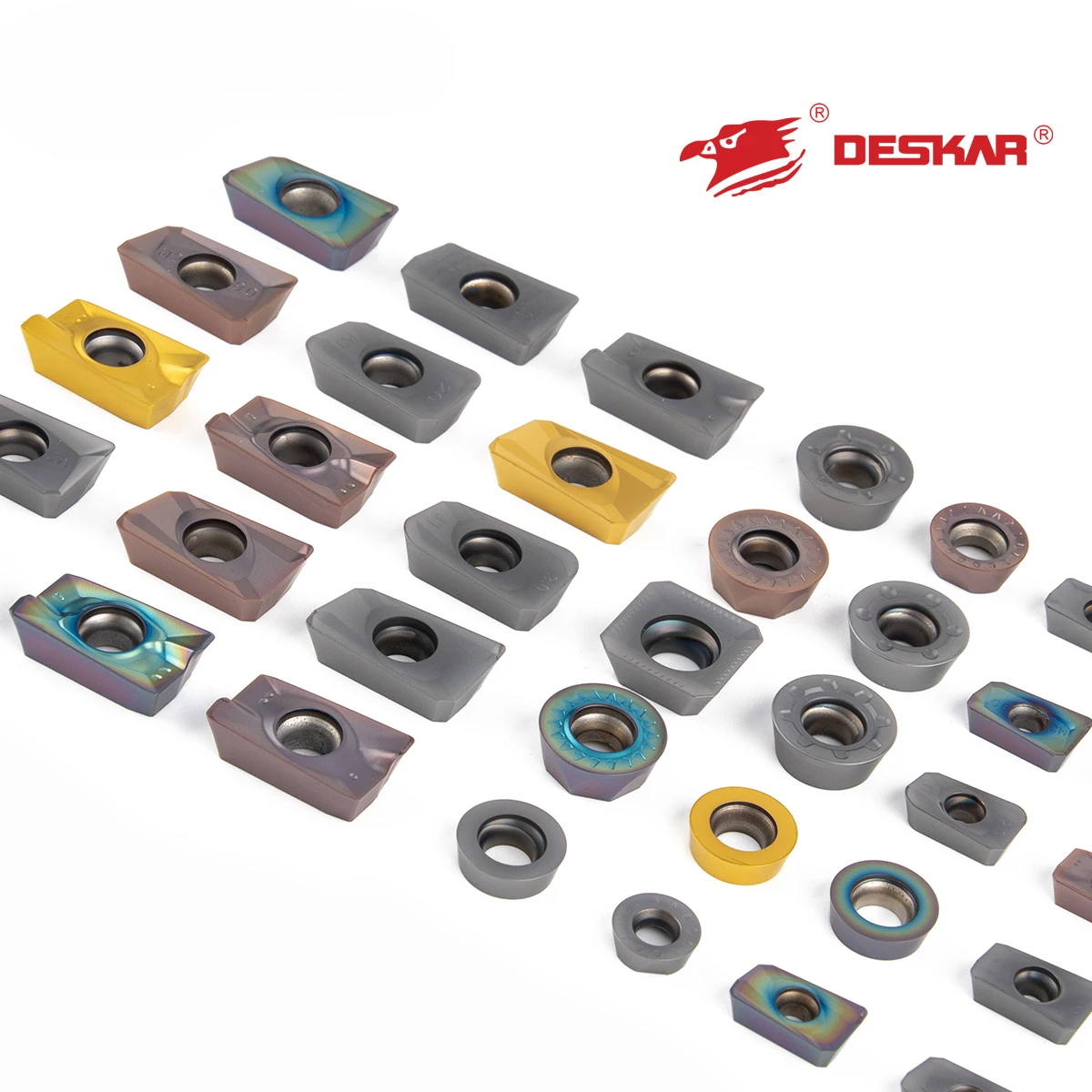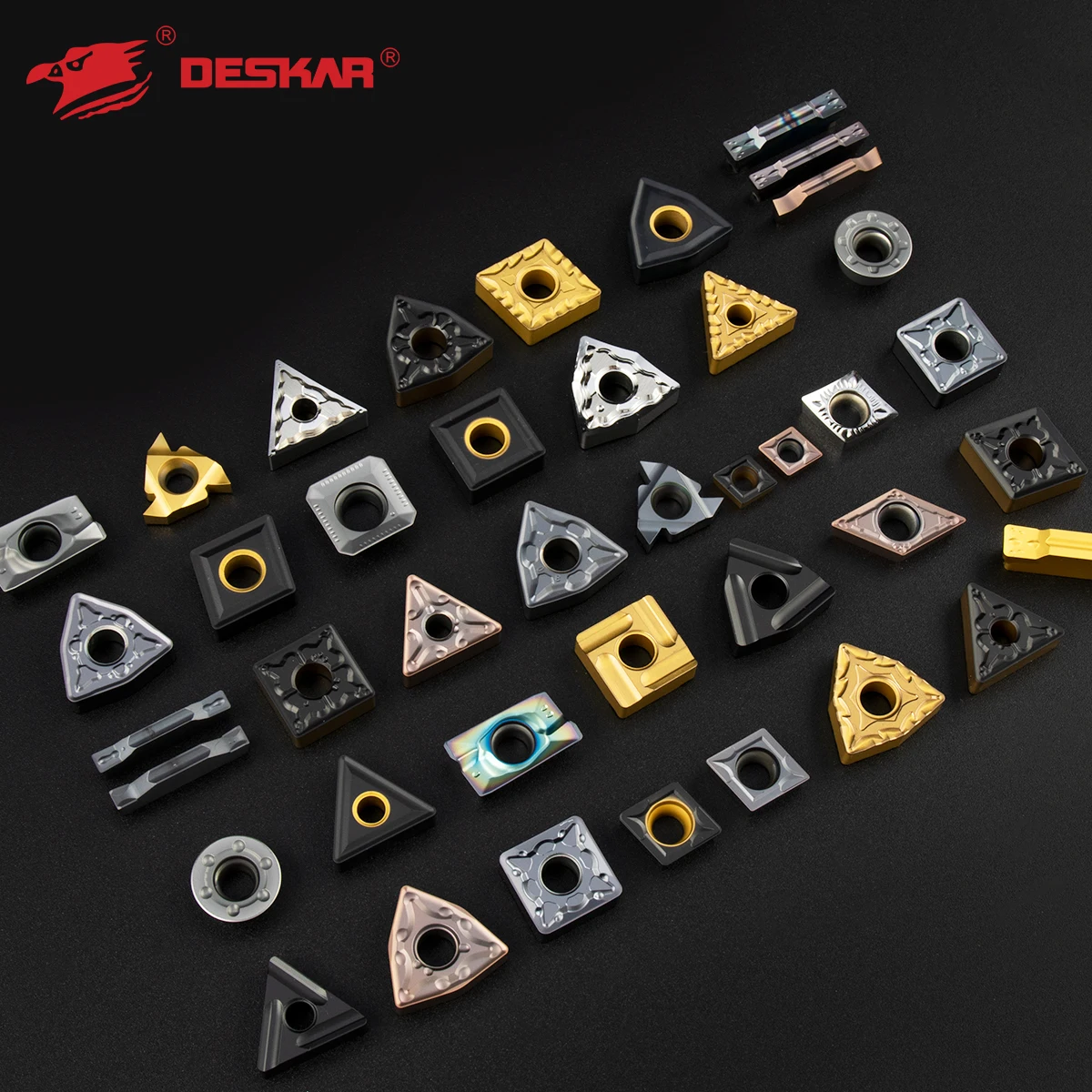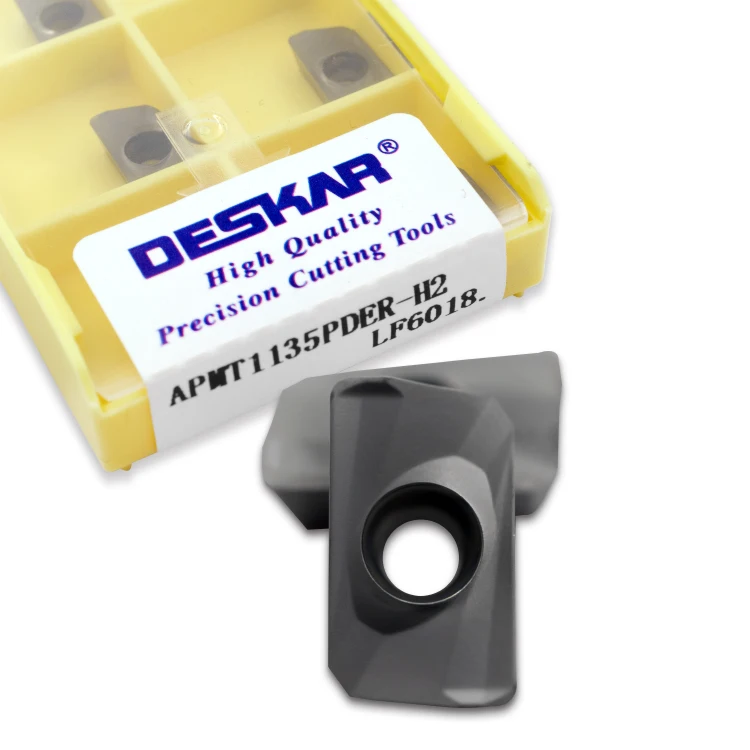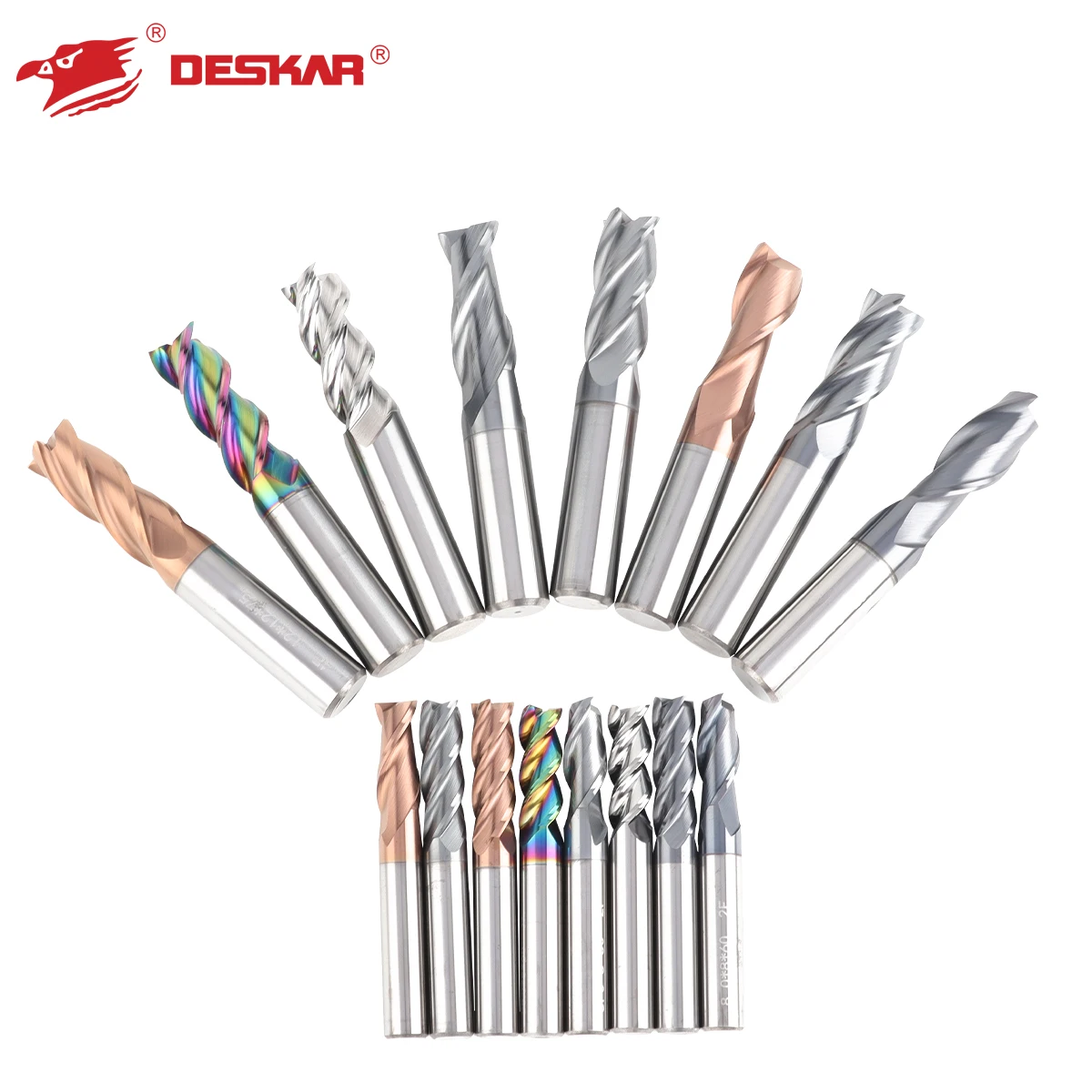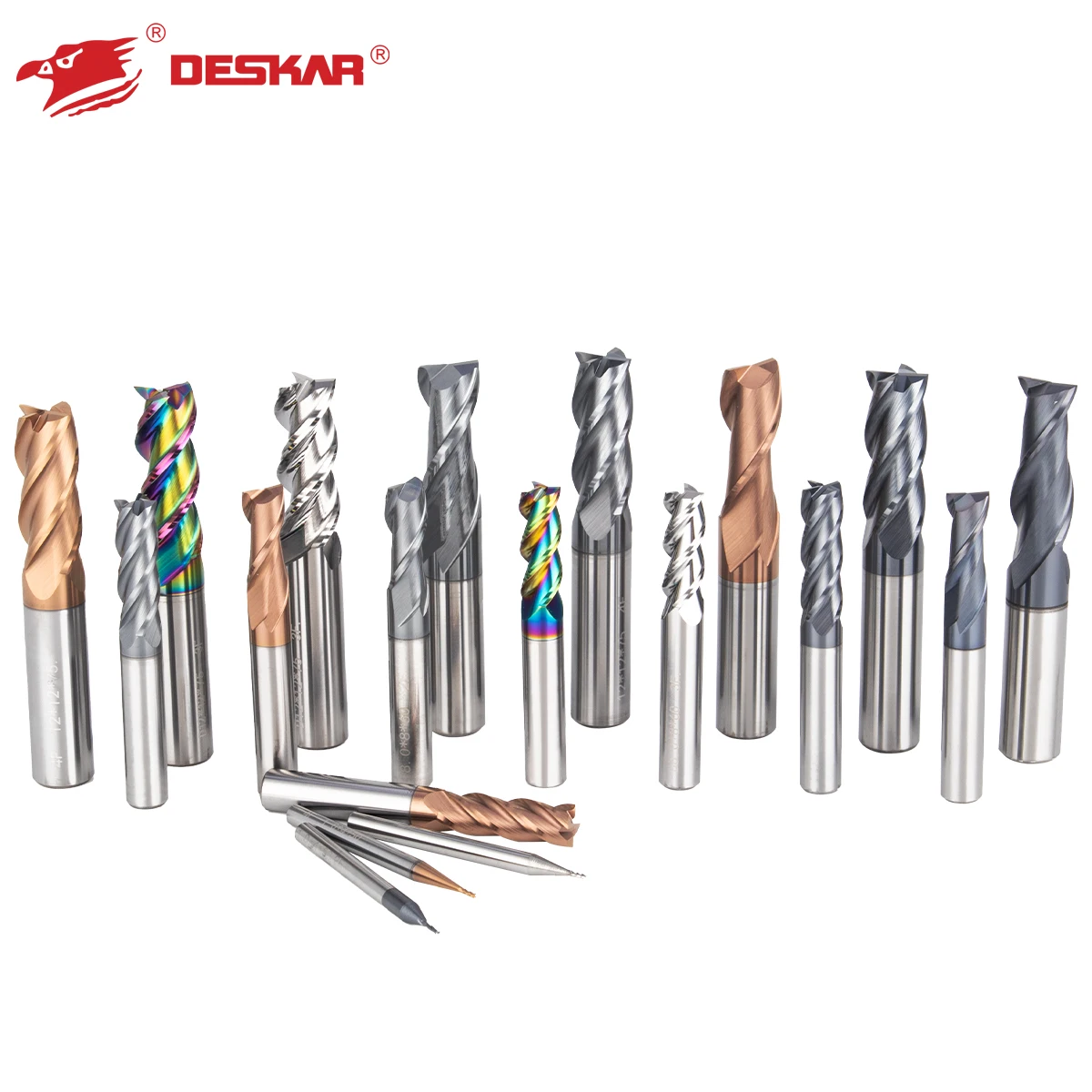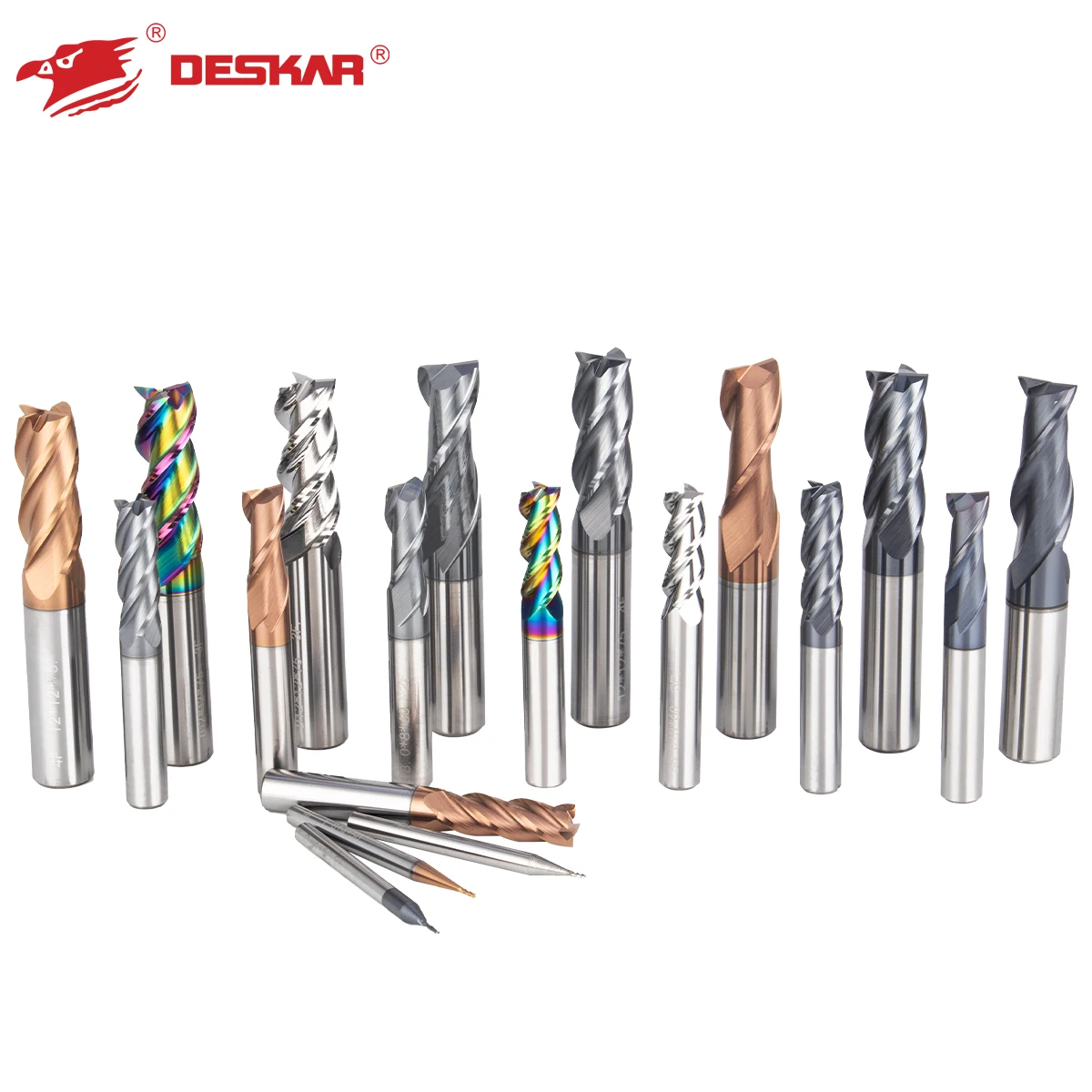
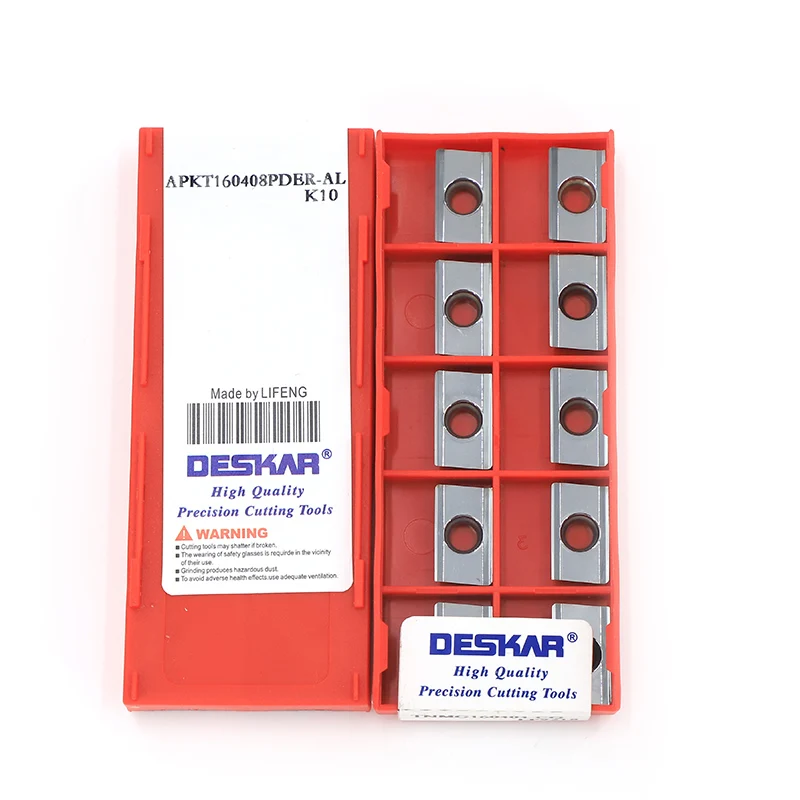
Insert milling is a feature with special cutting tools that have multiple cutting inserts that can be changed as needed. These inlays are provided with sharp corners at several points. And when the edges wear out or break, you can replace them easily. It also means you don’t have to sharpen the entire tool, which cuts down on time.
Insert milling is perfect for many advantages. One great perk is saving money. When it dulls, you replace the insert, not the entire tool. This is ideal; it’s a time and money saver.
Insert milling also allows you to work more quickly, producing more pieces in less time. It may provide smoother surfaces and greater accuracy in the parts it makes.
When selecting milling inserts, consider the following: the material to be machined, the operation set up and how smooth you’d like the surface to be. The tip end varies in speed and what it is comfortable to cut, so selection is important.
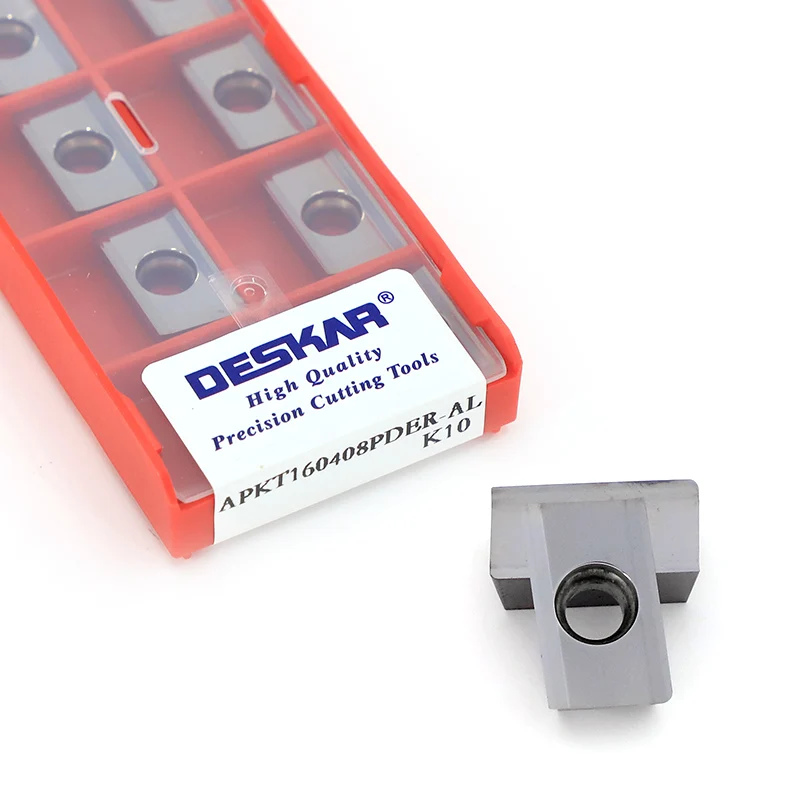
The machine and the tools must be properly adjusted in order for insert milling to work effectively. This involves selecting the proper insert shape, getting the cutting speed correct and holding the piece you are working with tight.
Despite its advantages, insert milling can also present some difficulties. Chatter Tool chatter, when the tool vibrates, is one example of this. This causes the surface to be uneven and the required size is not achieved. To remedy, modify the cutting conditions and apply appropriate processing for the material.
The other problem is that the inserts can wear out or snap. This can occur if the tool is improperly adjusted or too much force is applied. Preventing this: Monitor the cutting conditions and modify according to the requirement.