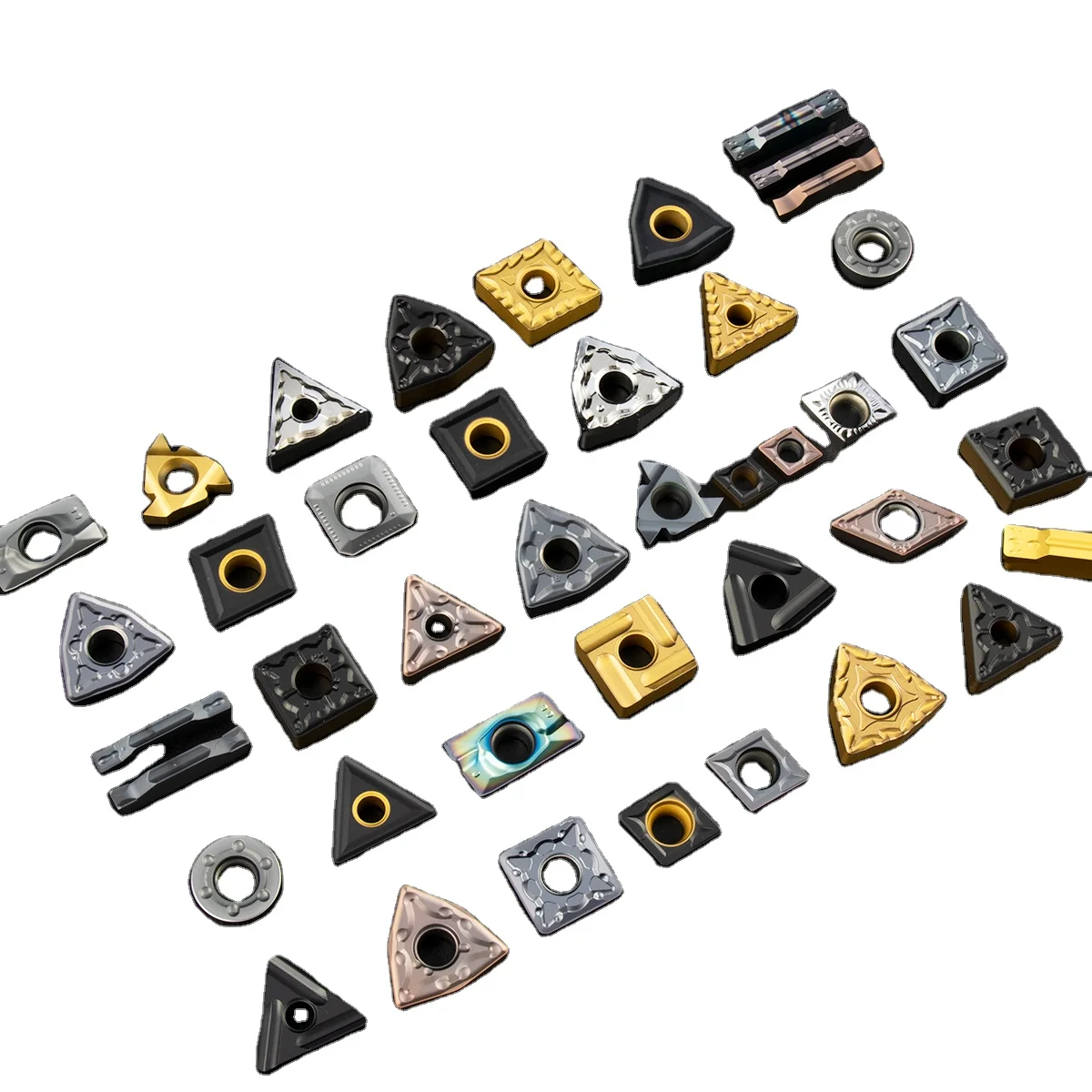
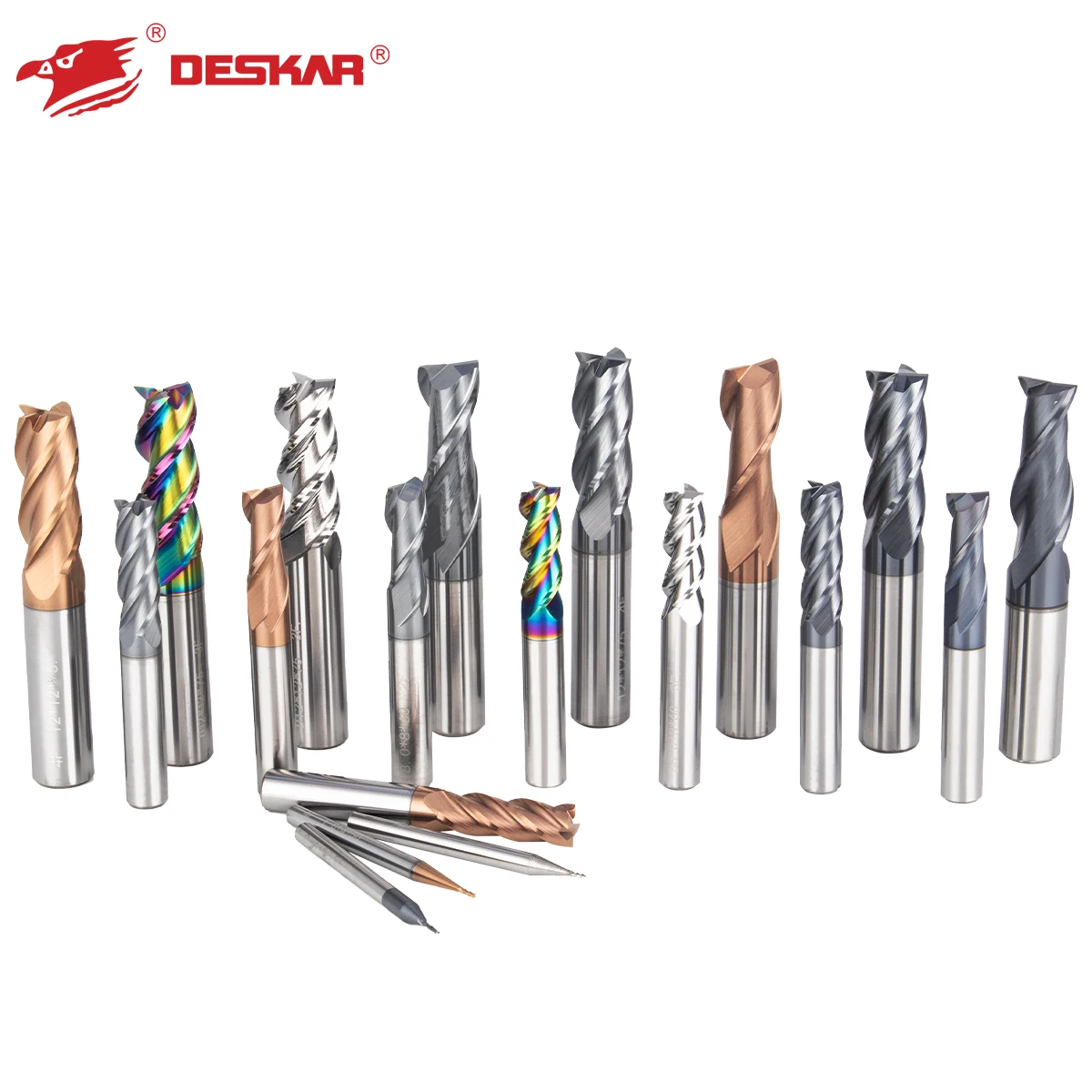
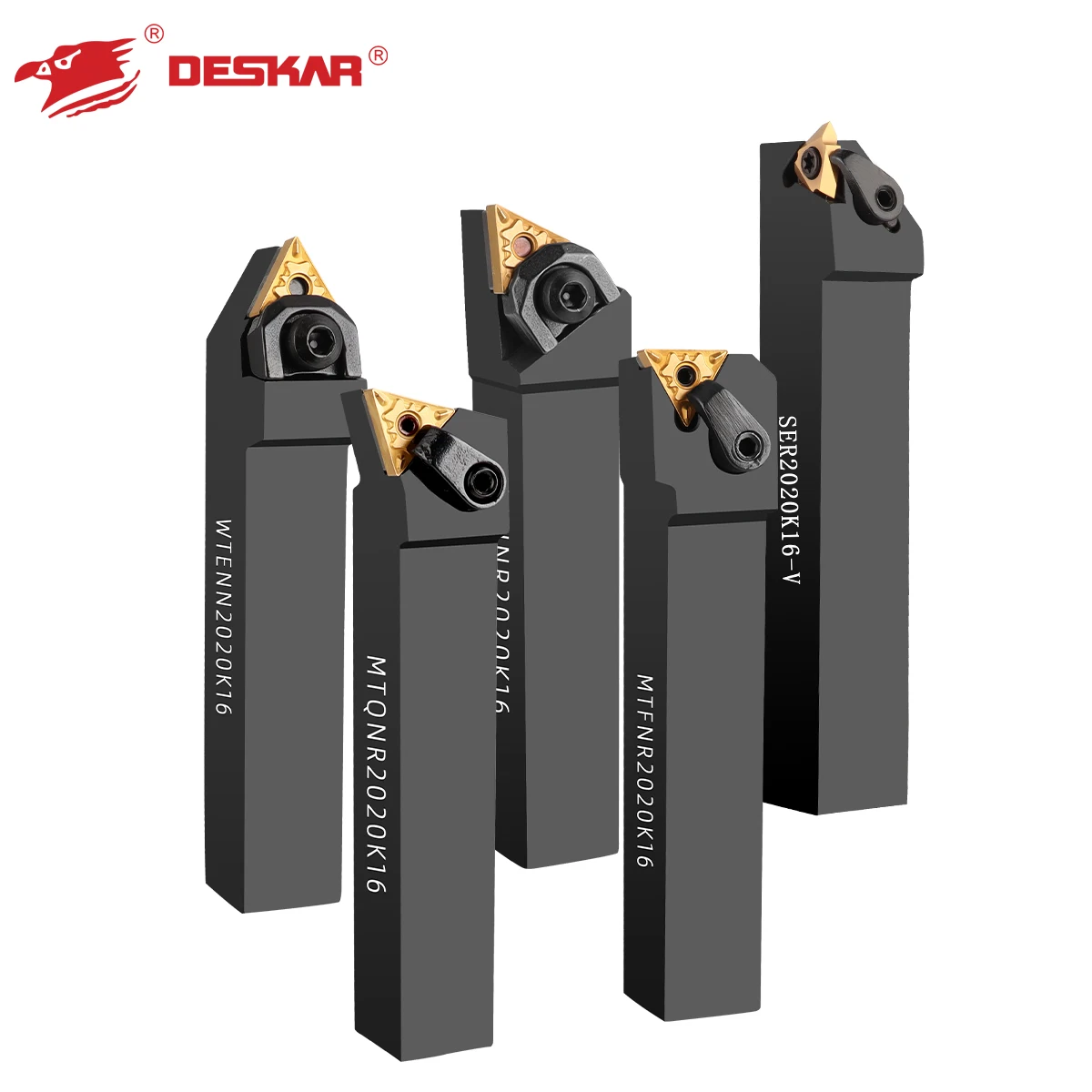
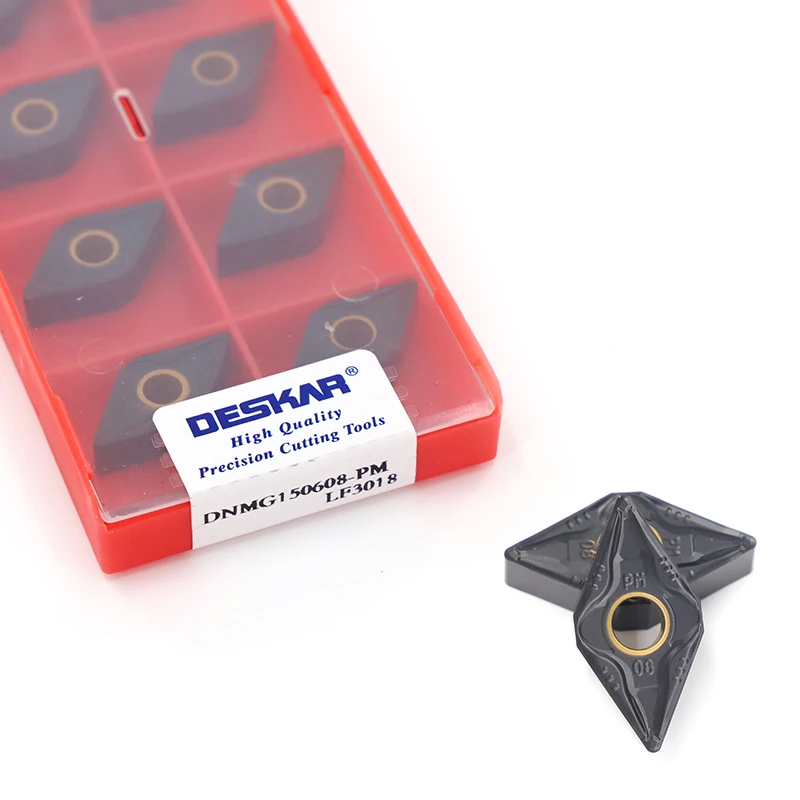
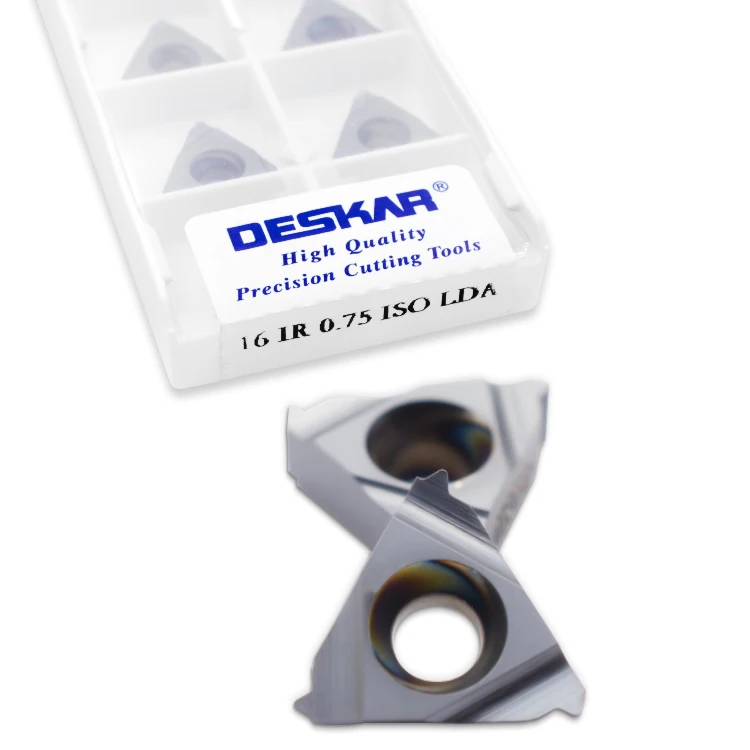
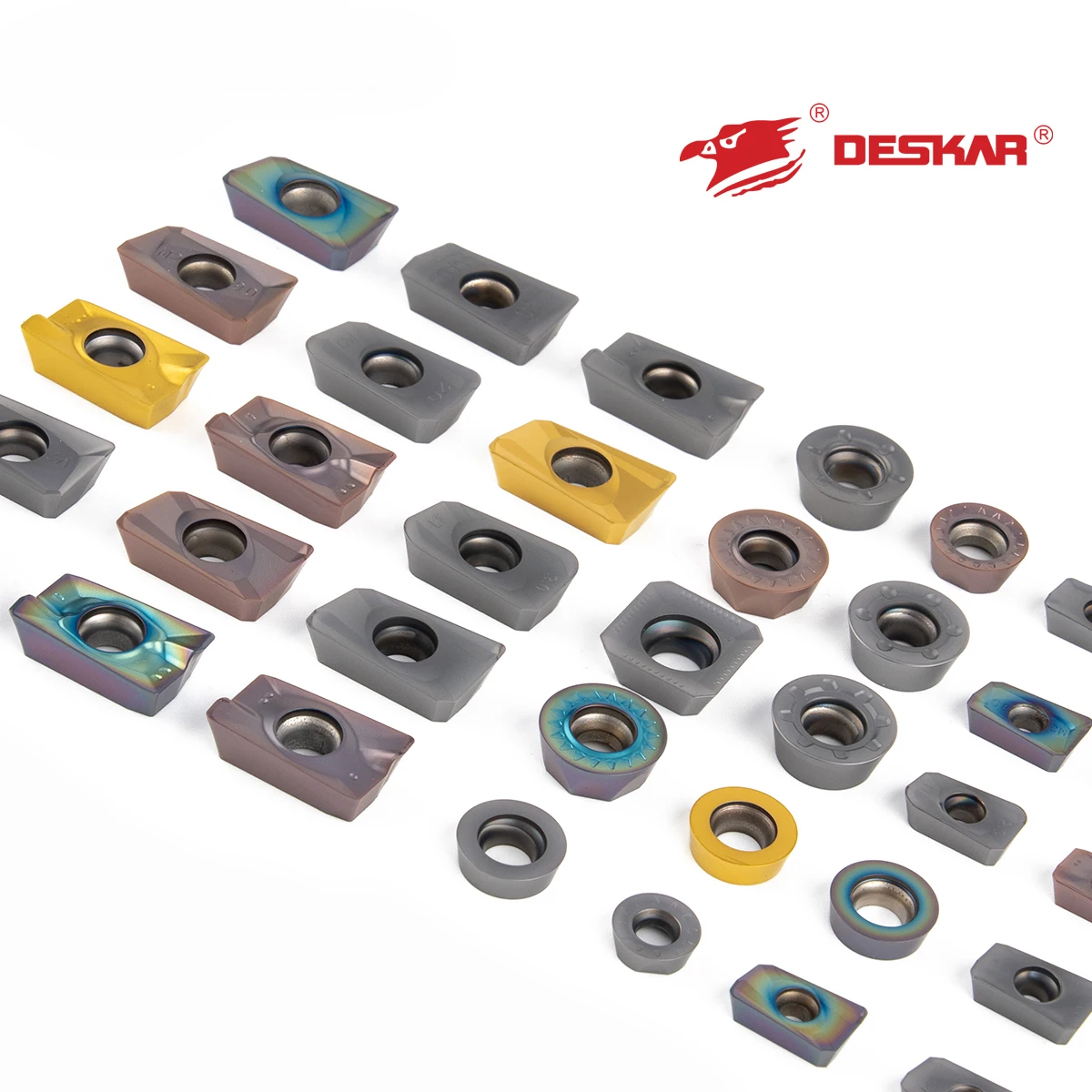
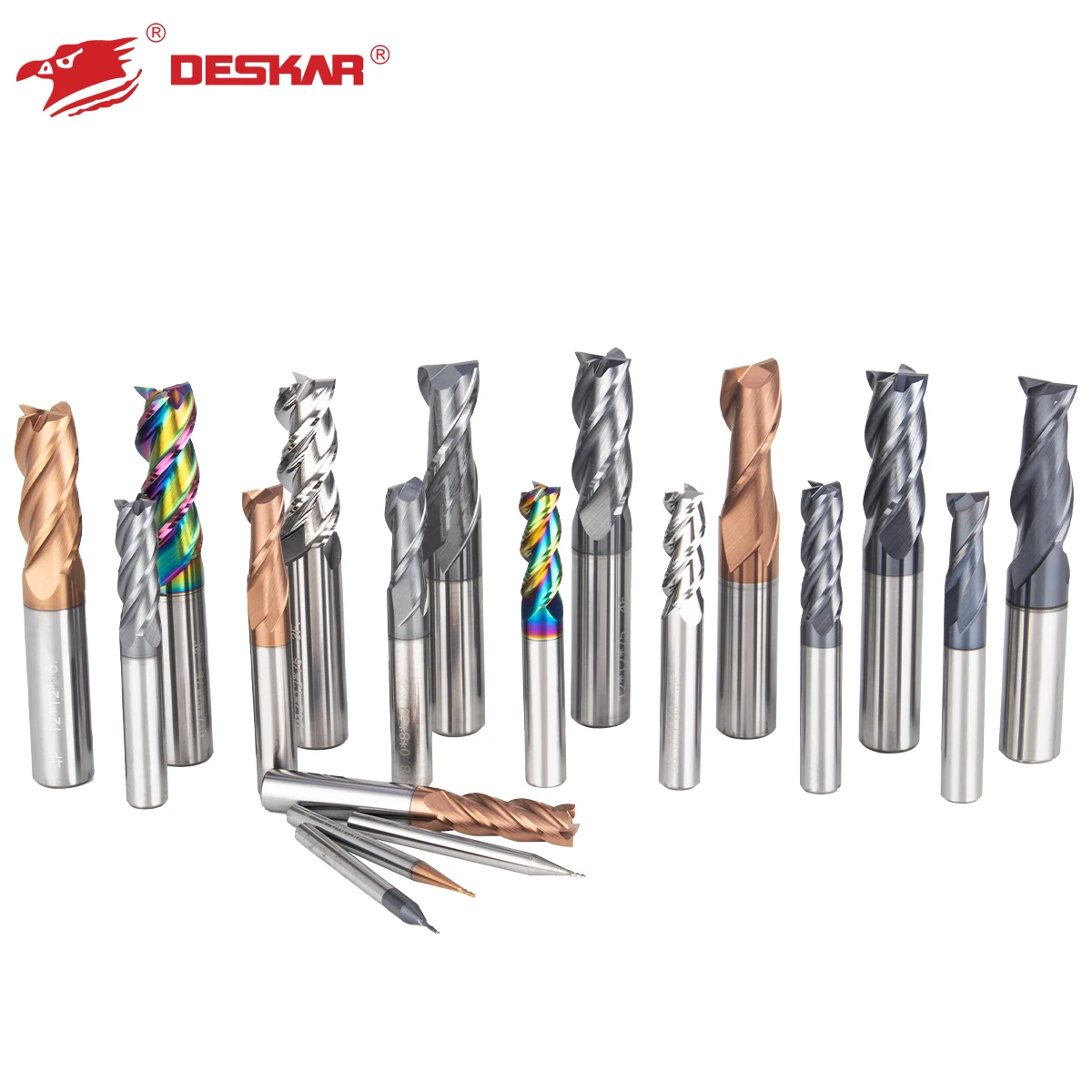
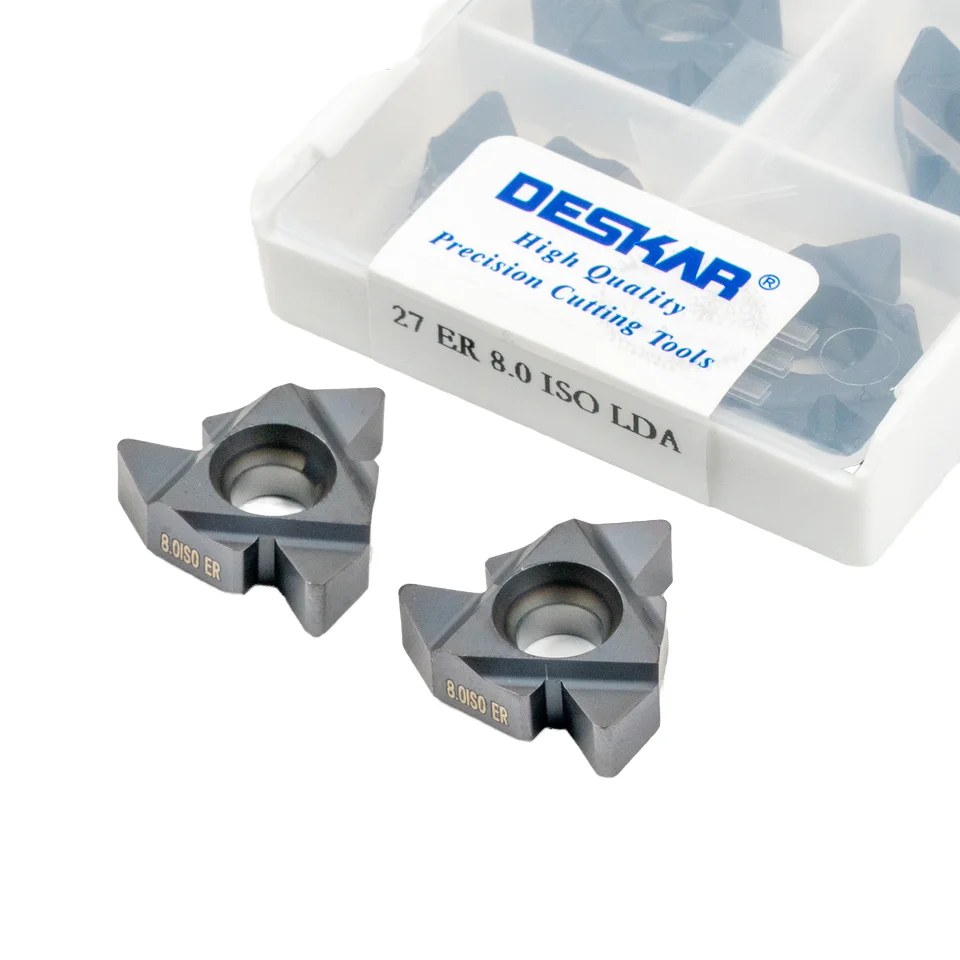
When sourcing CNC tools for industrial applications, understanding the various options available is crucial for ensuring optimal performance and efficiency. CNC tools are specialized cutting instruments designed for precision machining in sectors such as automotive, aerospace, and mold-making. This article will explore critical considerations for B2B buyers, including how to choose the right cnc tool insert, key specifications to keep in mind, installation issues, and their diverse applications across industries.
Selecting the right CNC tools begins with understanding your specific machining requirements. Key factors include the type of material you will be machining, the desired precision, and the complexity of the shapes involved. For example, if you're working with harder materials like titanium or high-strength steel, you’ll need tools made from tougher materials with appropriate coatings, such as PVD (Physical Vapor Deposition) or CVD (Chemical Vapor Deposition), to enhance durability and reduce wear.
Additionally, consider the type of CNC operation like turning, milling, or drilling as this will dictate the geometry and design of the tools required. Custom solutions may also be necessary for unique applications, and working with a manufacturer like Lifeng Precision Tools can provide tailored options to meet specific demands. Ensure that the supplier can support your bulk order needs with appropriate lead times and quality assurance processes.
When sourcing CNC tools, several specifications are essential to evaluate for compatibility and performance:
Material Composition: The choice of material affects the tool's durability and performance. Common materials include high-speed steel (HSS), carbide, and ceramic. Each has its advantages and appropriate applications.
Coating Types: Coatings can significantly enhance tool life and performance. PVD and CVD coatings provide better heat resistance and lubrication, which is crucial for high-speed machining operations.
Geometry and Design: The design of the cutting edge, including rake angle and relief angle, impacts cutting efficiency and surface finish. Ensure that the geometry is suited for the specific materials you are machining.
Dimensions: Verify that the dimensions of the tools align with your CNC machine specifications, including shank size and overall length. Misalignment can lead to operational inefficiencies.
Tolerance Levels: Different applications require various tolerance levels. Ensure that the tools can meet the necessary precision requirements for your projects.
By confirming these specifications, buyers can ensure that the selected CNC tools will perform optimally in their specific applications.
During the installation of CNC tools, several common issues can arise, which can affect operational efficiency.
Incorrect Tool Setup: Misalignment of the tool in the spindle can lead to uneven wear and poor machining results. It is crucial to ensure the tool is correctly seated and properly tightened according to the machine's specifications.
Incompatible Tool Holder: Using a tool holder that does not match the specifications of the cnc inserts machine can cause vibration and inaccurate machining. Always verify compatibility between the tool and holder.
Tool Wear and Failure: If tools are not installed at the correct angle or if the cutting parameters are not set correctly, premature wear can occur. Regularly inspect tools for signs of wear and replace them as necessary to maintain machining quality.
Insufficient Cooling: Overheating can be a significant issue during CNC machining. Ensure that adequate cooling measures, such as coolant supply or air blasts, are in place to prevent tool failure.
Addressing these issues proactively can help maintain production efficiency and tool longevity.
CNC tools have a wide range of applications across different industries, each requiring specific tool characteristics:
Automotive Industry: CNC tools are used for machining engine components, transmission parts, and chassis elements. Precision is critical here, as even the slightest deviation can affect vehicle performance.
Aerospace Industry: The aerospace sector demands high precision and durability due to the critical nature of parts like turbine blades and structural components. Tools with superior coatings and materials are often employed to ensure reliability under extreme conditions.
Mold Making: In the mold-making industry, CNC tools are essential for creating intricate mold designs with tight tolerances. Custom tooling solutions can often provide the best results in this sector.
Medical Devices: CNC tools are used to manufacture precision components for medical devices, where compliance with strict regulatory standards is necessary. The tools must deliver high accuracy and repeatability.
By understanding the specific needs of each application, buyers can select appropriate cnc lathe tools that meet industry standards and performance requirements.
For distributors and contractors, effectively sourcing CNC tools requires a strategic approach. Here are some guidelines to ensure successful procurement:
Understand Client Needs: Engage with your clients to fully understand their specific requirements, including applications, material types, and desired performance characteristics.
Evaluate Suppliers: Assess potential suppliers based on their manufacturing capabilities, quality control processes, and customization options. A supplier like Lifeng Precision Tools, with strong R&D and advanced production lines, can offer high-quality standard and custom solutions.
Request Samples: Before placing bulk orders, request samples to evaluate the tools' performance under actual machining conditions. This step can save time and costs associated with poor-quality products.
Confirm Lead Times and MOQs: Discuss lead times and minimum order quantities (MOQs) upfront to avoid surprises. Ensure your supplier can meet your delivery schedules to maintain project timelines.
Quality Assurance: Implement a robust quality control process to inspect incoming tools for dimensional accuracy and finish. This step is critical to prevent issues during production.
By following these guidelines, distributors and contractors can enhance their procurement processes and ensure they are supplying high-quality CNC tools to their clients.
In summary, understanding the various dimensions of CNC tools—from selection to installation and application—can significantly impact operational efficiency and product quality. Engaging with experienced suppliers who can offer tailored solutions is a crucial step in the purchasing process.