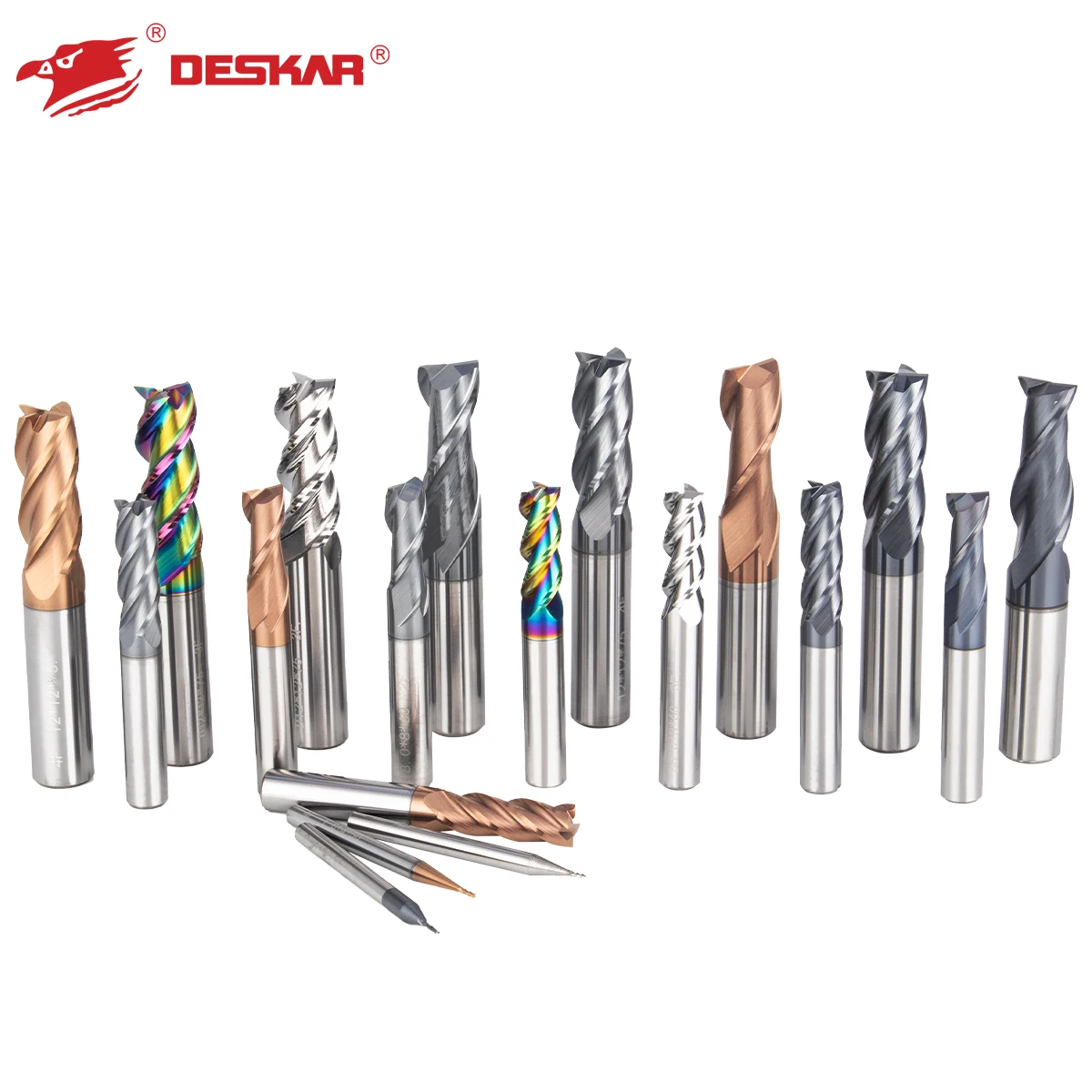
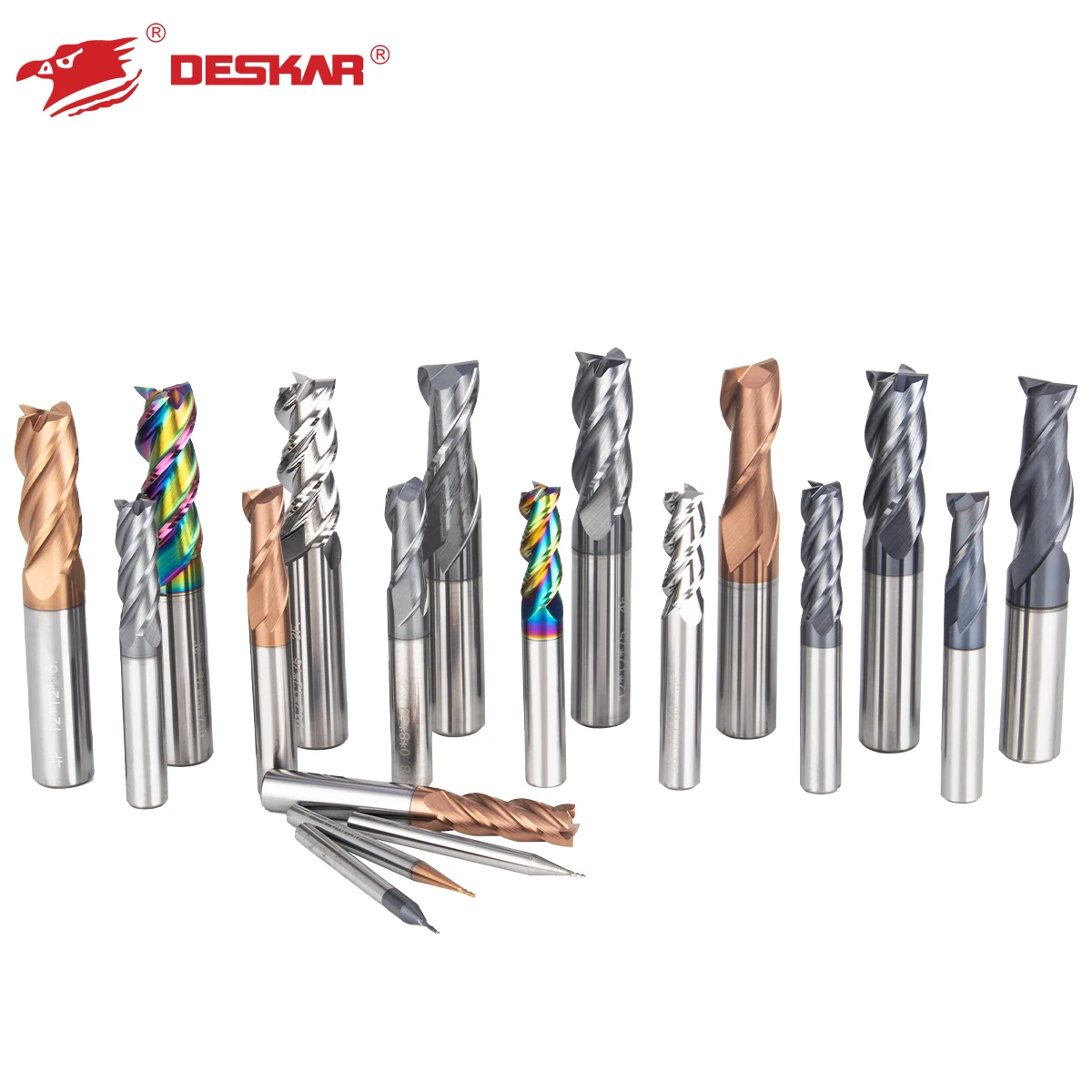
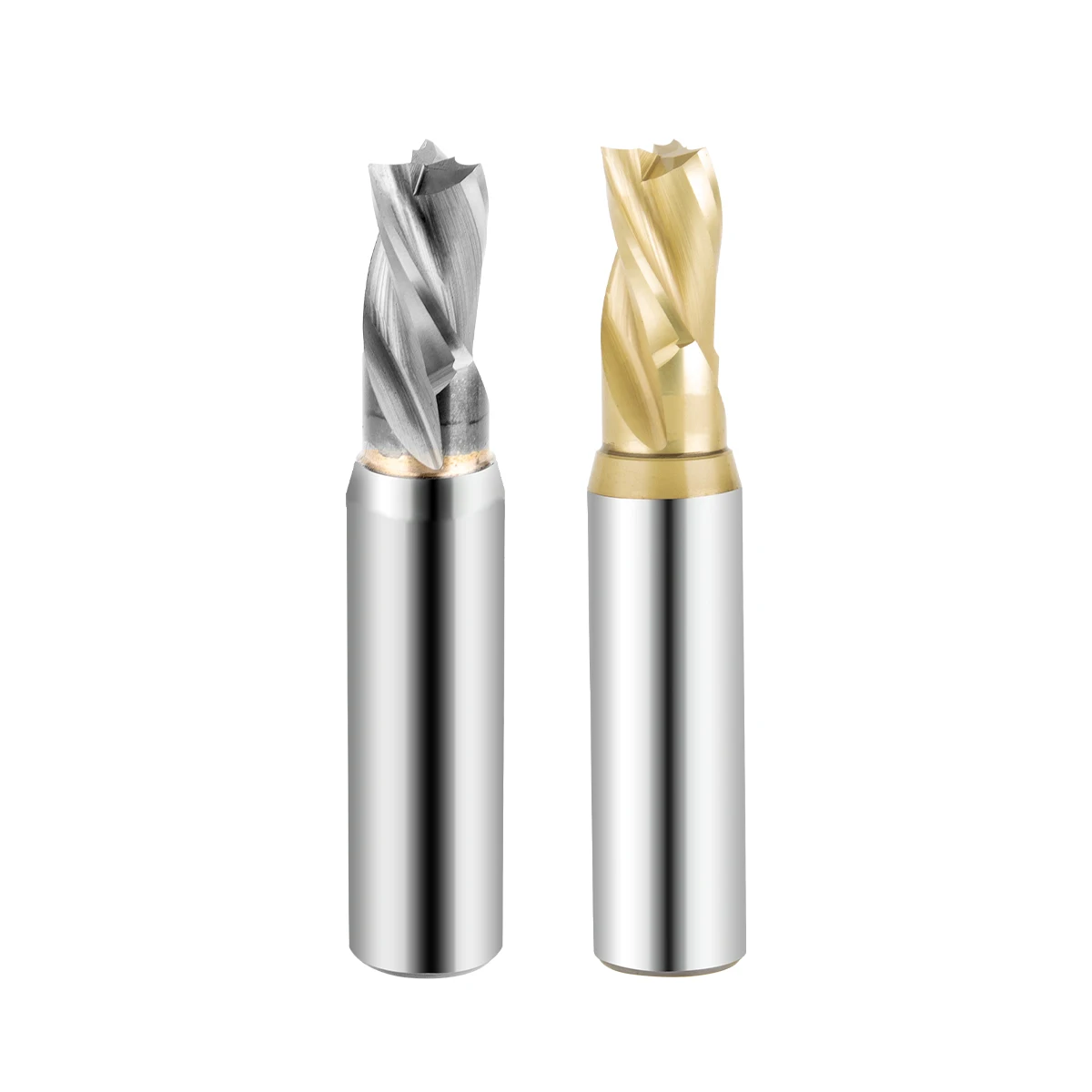
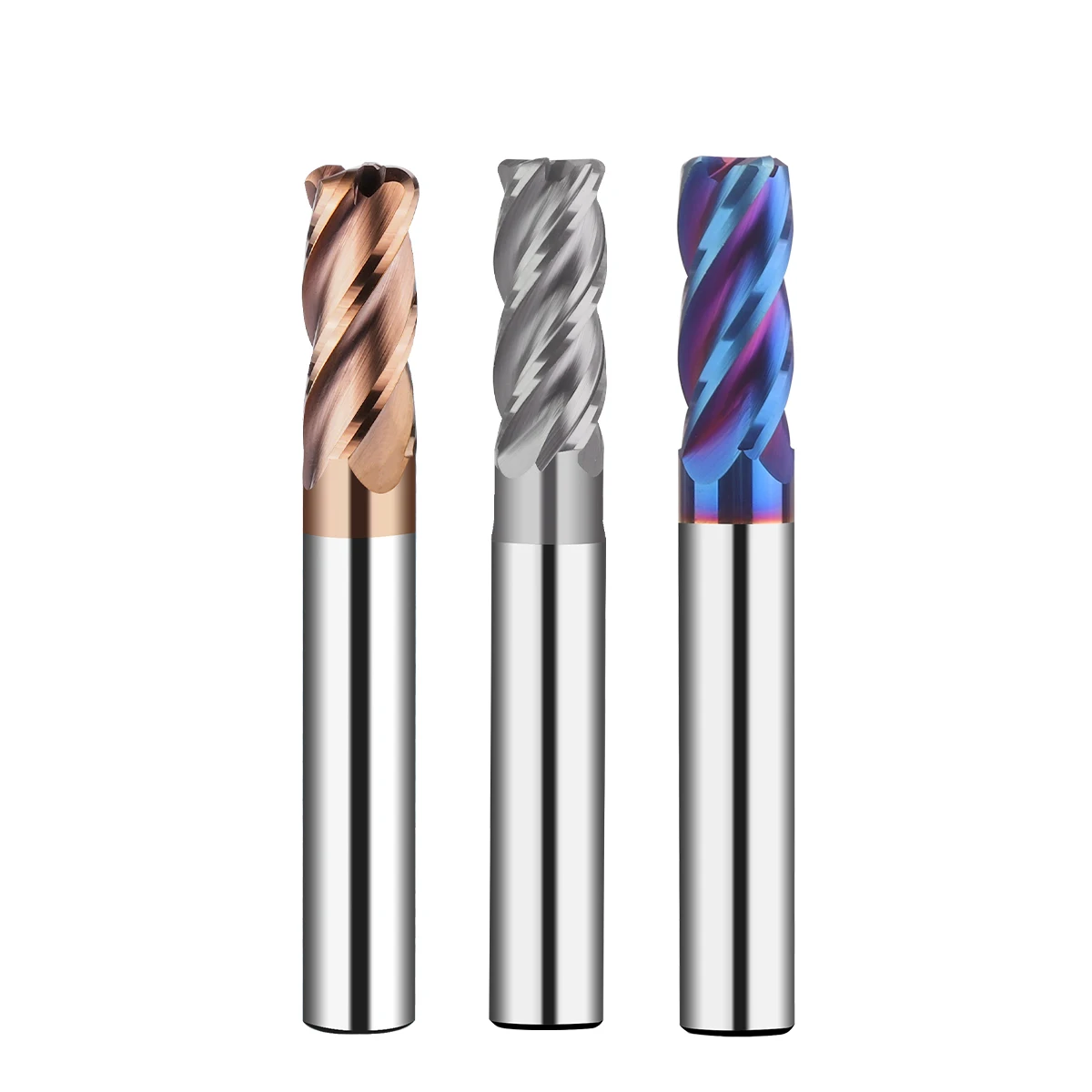
Solid end mills are essential cutting tools used in various machining processes, particularly in industries such as mold-making, automotive, and aerospace. As a B2B buyer, understanding the intricate details about solid end mills such as their material composition, specifications, and suitable applications is crucial for making informed purchasing decisions. This article will guide you through the key factors to consider when purchasing solid end mills in bulk, helping you to select the right tools for your specific needs.
When purchasing solid end mills in bulk, several factors should be evaluated to ensure that you make a smart investment. First, consider the tool's material and coating. End mill made from high-speed steel (HSS) or carbide offer different performance characteristics. Carbide tools generally provide better wear resistance and can handle higher cutting speeds, making them preferable for demanding applications.
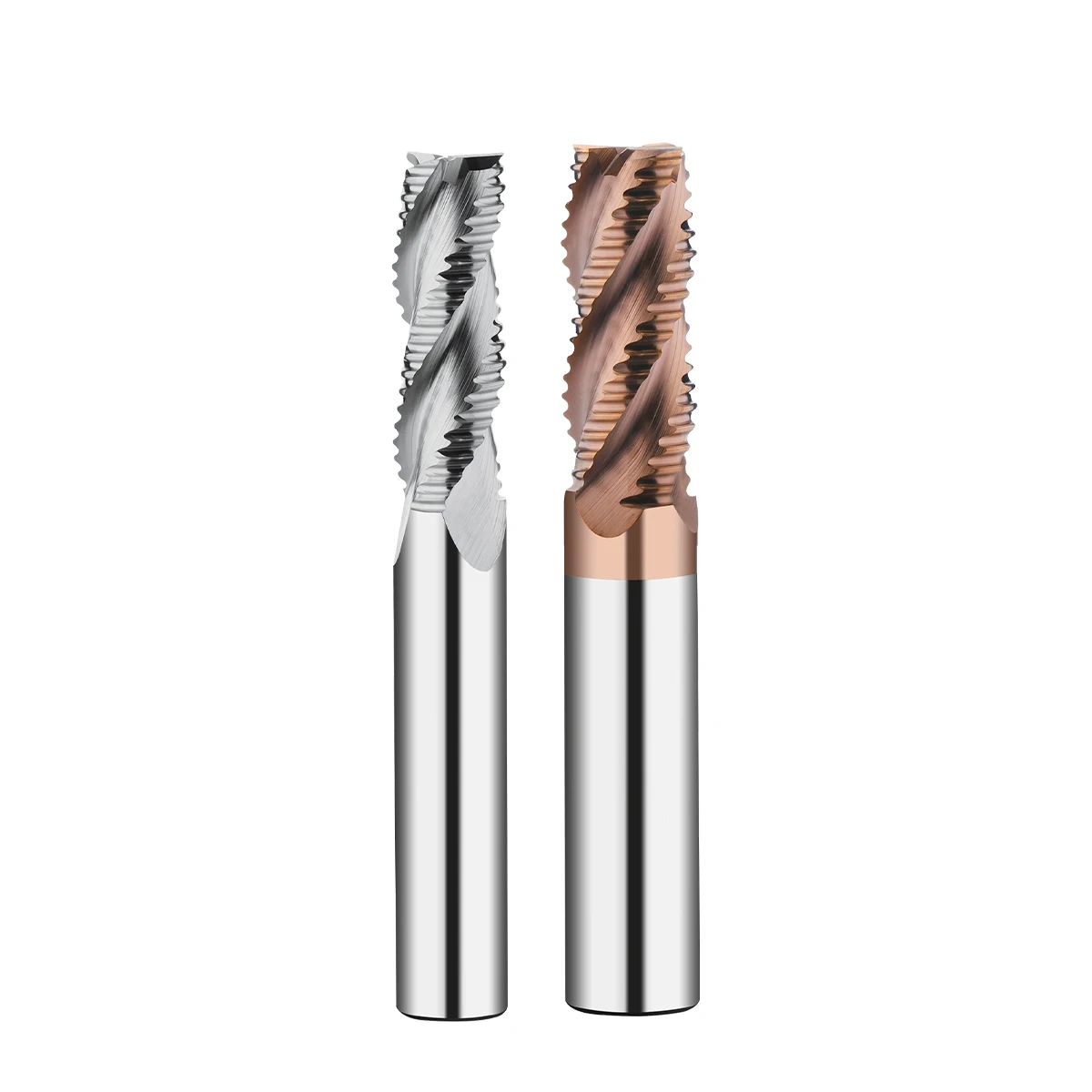
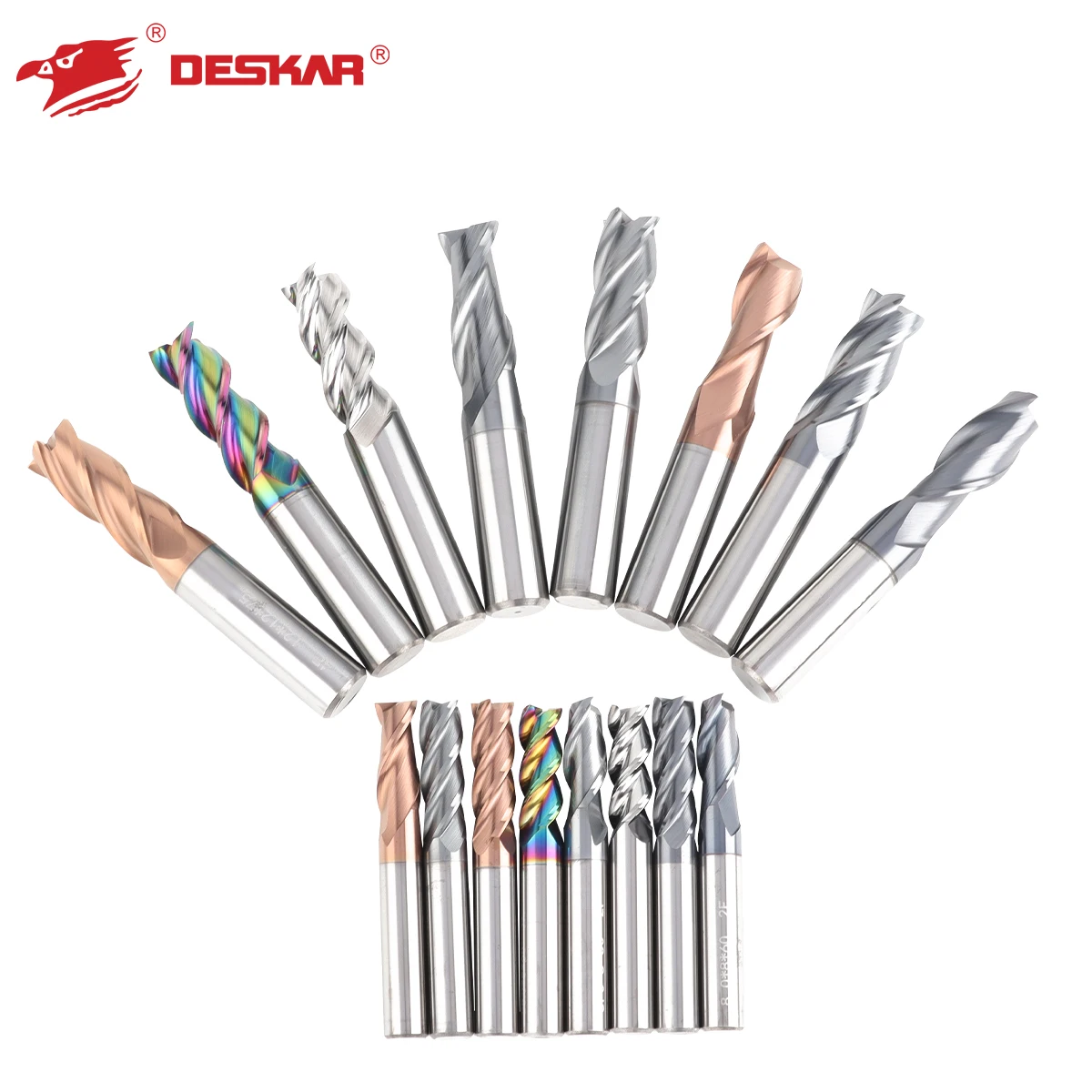
Next, assess the dimensions and geometry of the end mills. The diameter, length, and flute design can significantly impact machining efficiency and finished product quality. A roughing end mill, for instance, may be designed with fewer flutes for better chip removal, while a finishing end mill will typically have more flutes for a smoother finish. Understanding these specifications will help you determine the best options for your manufacturing processes.
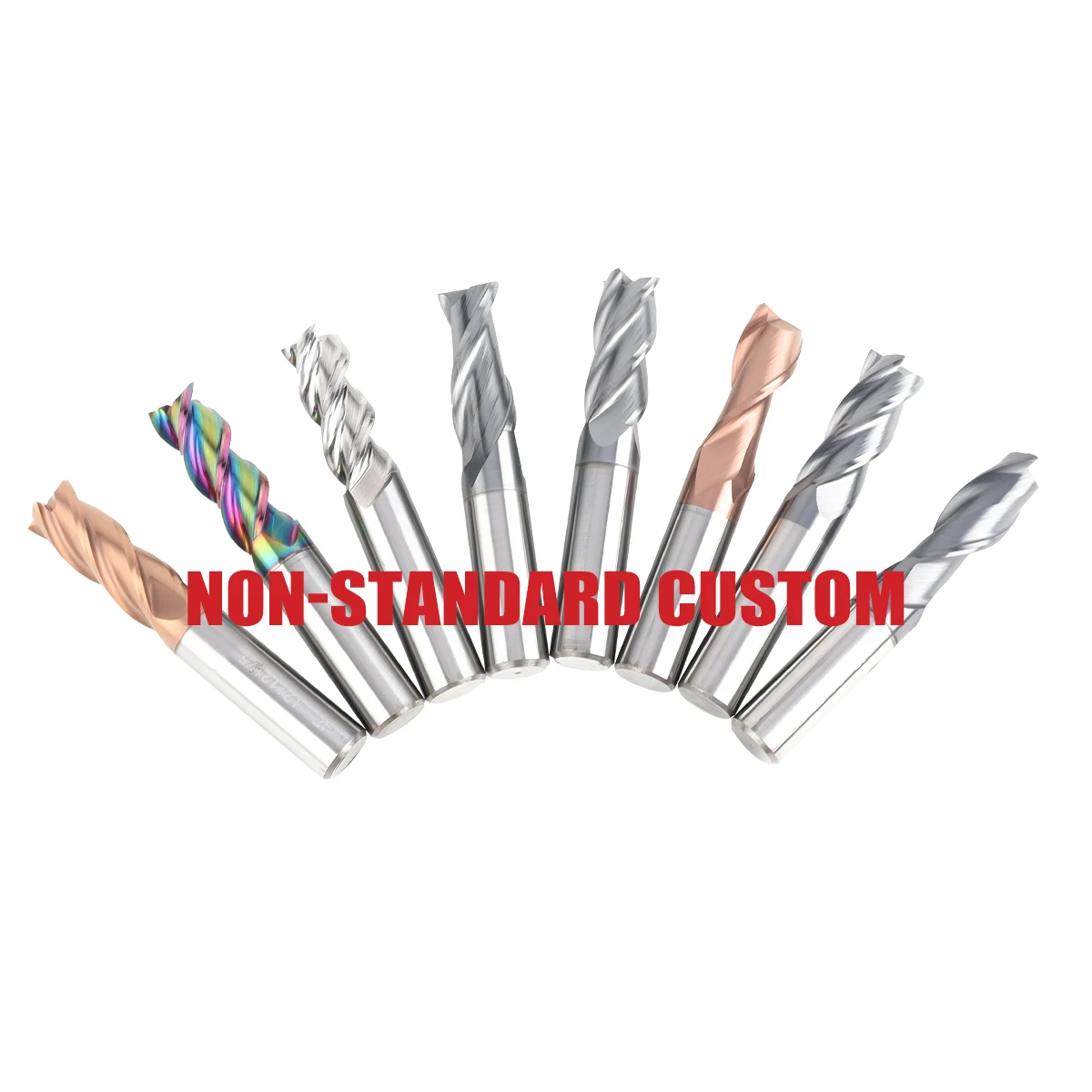
Additionally, consider the production capabilities of the supplier. Verify their minimum order quantities (MOQs), lead times, and customization options. Some suppliers, like LIFENG PRECISION TOOLS, offer custom solutions tailored to specific applications, which can be invaluable for unique projects.
Finding dependable suppliers for solid end mills is critical for ensuring the quality and consistency of your purchases. Start by researching manufacturers with a strong reputation in the industry. Look for companies that specialize in cutting tools and have a proven track record of serving industries relevant to your needs such as automotive, aerospace, and mold-making.
Trade shows and industry expos are excellent venues to meet potential suppliers face-to-face, allowing you to assess their products and services directly. Online platforms and industry-specific directories can also provide valuable insights into reputable manufacturers. Always check customer reviews and testimonials to gauge the reliability and performance of the tools offered.
When contacting suppliers, provide detailed information about your requirements, including the type of end mill, desired specifications, and application. This information will help them to better understand your needs and provide accurate quotations.
The choice of material for solid end mills is crucial, as it directly affects performance and longevity. Solid carbide end mills are often favored for their exceptional hardness and heat resistance. This allows them to maintain sharp edges longer, resulting in extended tool life and reduced downtime for tool changes.
High-speed steel (HSS) end mills, while not as durable as carbide, offer advantages in lower-cost applications and can be easier to sharpen. They are typically used in less demanding machining tasks where cost is a significant factor.
Coatings, such as titanium nitride (TiN), Titanium Carbonitride (TiCN), or diamond-like carbon (DLC), can enhance the properties of solid end mill tool. These coatings provide increased wear resistance, reduced friction, and improved thermal stability, making them suitable for high-speed operations and challenging materials.
When selecting a material for solid end mills, consider your application requirements, including the type of material being machined, the expected production volume, and the desired finish quality.
Different industries have unique machining requirements, which influence the type of solid end mills best suited for their applications. For example, in the automotive sector, solid end mills with a combination of high wear resistance and chip removal capabilities are crucial for machining engine components effectively.
In the aerospace industry, precision and surface finish are paramount. Here, solid end mills with tighter tolerances and specialized coatings can enhance performance and ensure compliance with strict industry standards.
For mold-making, a versatile end mill that can handle both roughing and finishing operations may be required. This ensures that the mold cavities are created with the utmost precision and surface quality.
It’s essential to consult with your supplier about the best options tailored to your specific industry needs. Suppliers like LIFENG PRECISION TOOLS can offer insights into the best practices for selecting end mills based on application type and material.
The cost of solid end mills can vary significantly based on several factors. First, the material choice greatly influences pricing; carbide tools tend to be more expensive than HSS due to their superior performance and longevity. Coated options also come at a premium but can provide cost savings in the long run due to reduced tool wear.
Quantity is another critical factor. Bulk purchases often come with discounts, but it’s essential to balance cost savings with the need for quality. A lower upfront cost may not justify a tool that does not perform adequately, leading to higher production costs.
Additionally, consider the total cost of ownership. This includes not only the upfront purchase price but also the costs associated with tool changes, downtime, and scrap due to tool failure. Investing in higher-quality solid high performance end mills may result in lower overall costs by minimizing these indirect expenses.
Lastly, be aware of shipping and handling costs, especially if sourcing from international suppliers. These can add up quickly and should be factored into your overall budget when making purchasing decisions.
By understanding these key factors, you can make informed decisions when purchasing solid end mills, ultimately leading to enhanced productivity and efficiency in your operations.