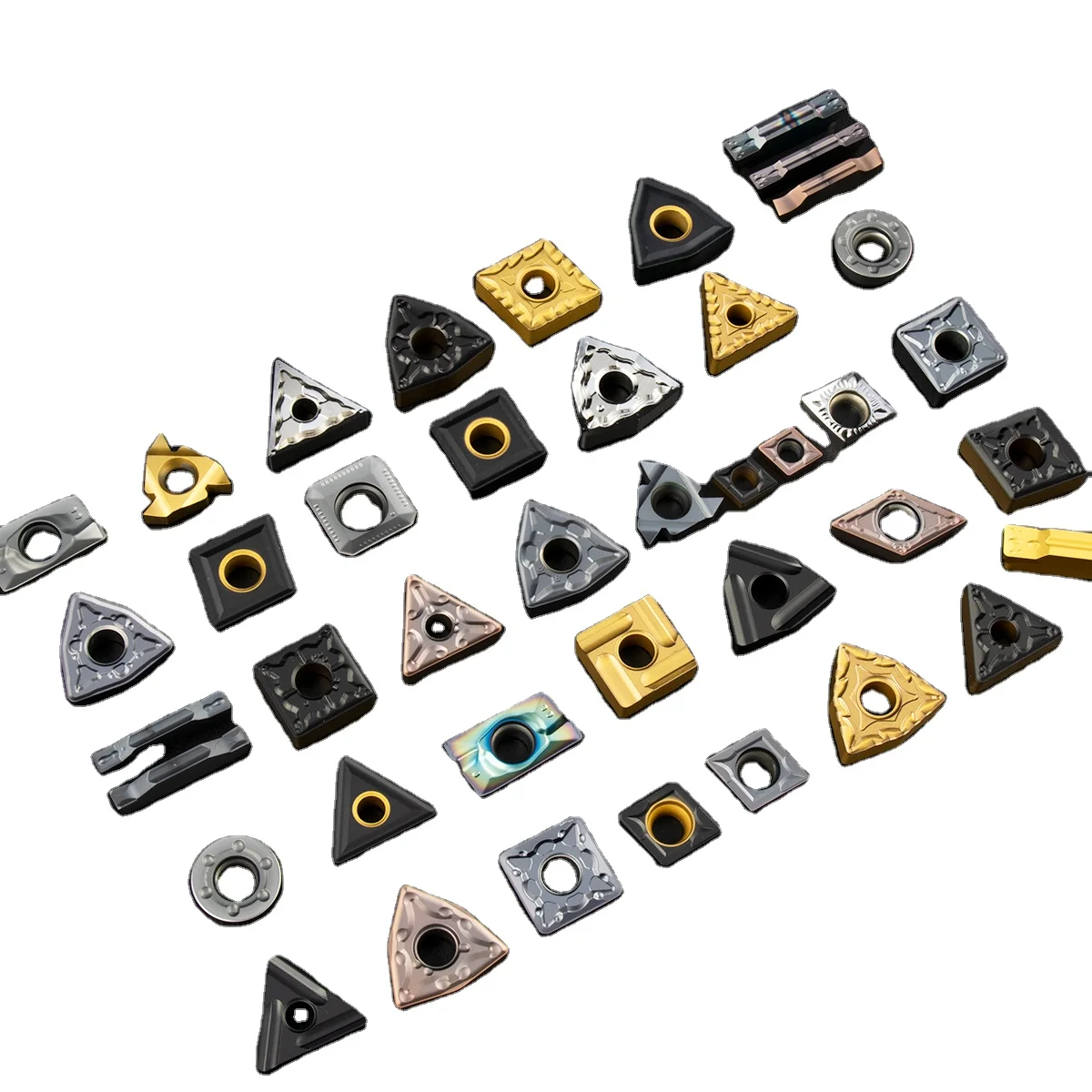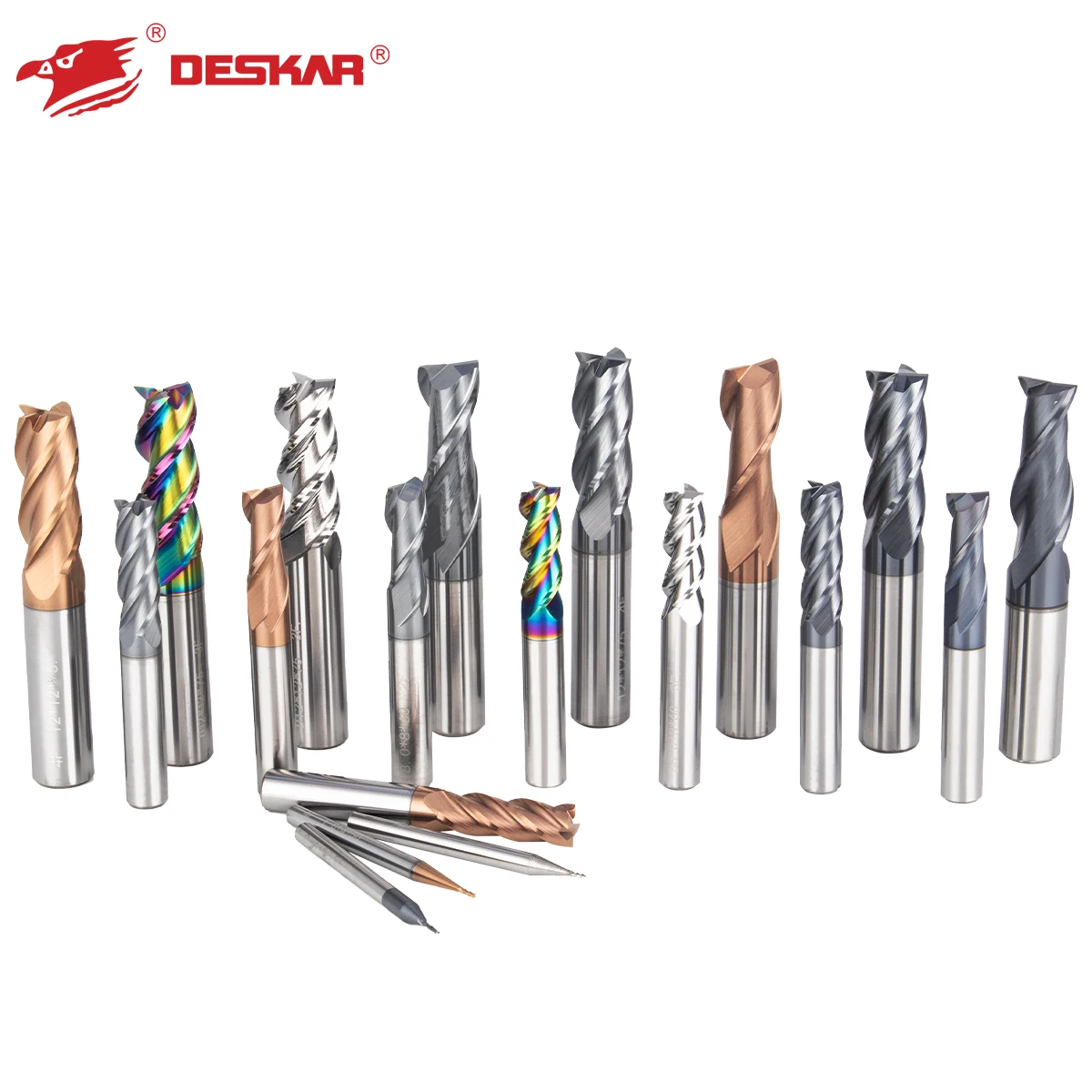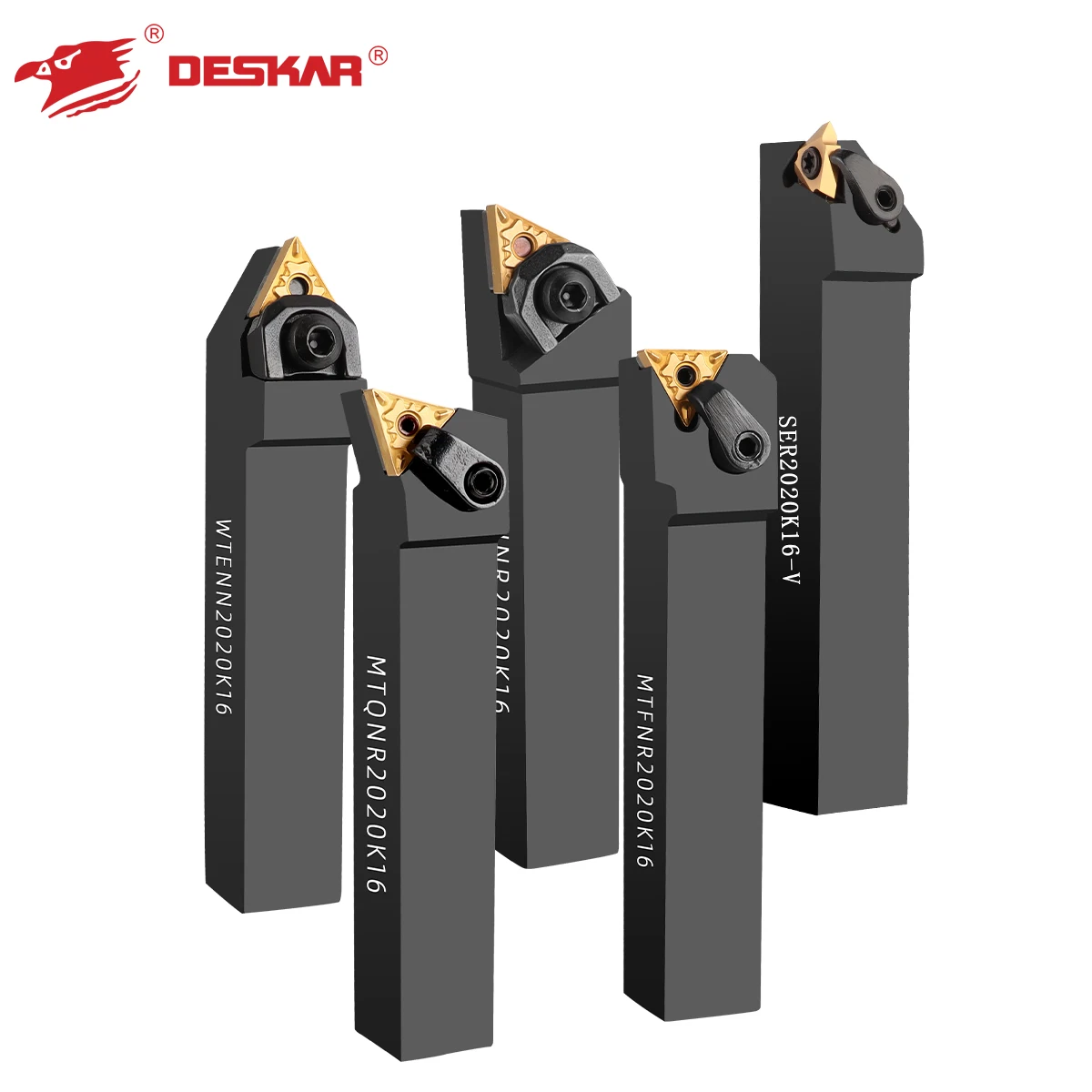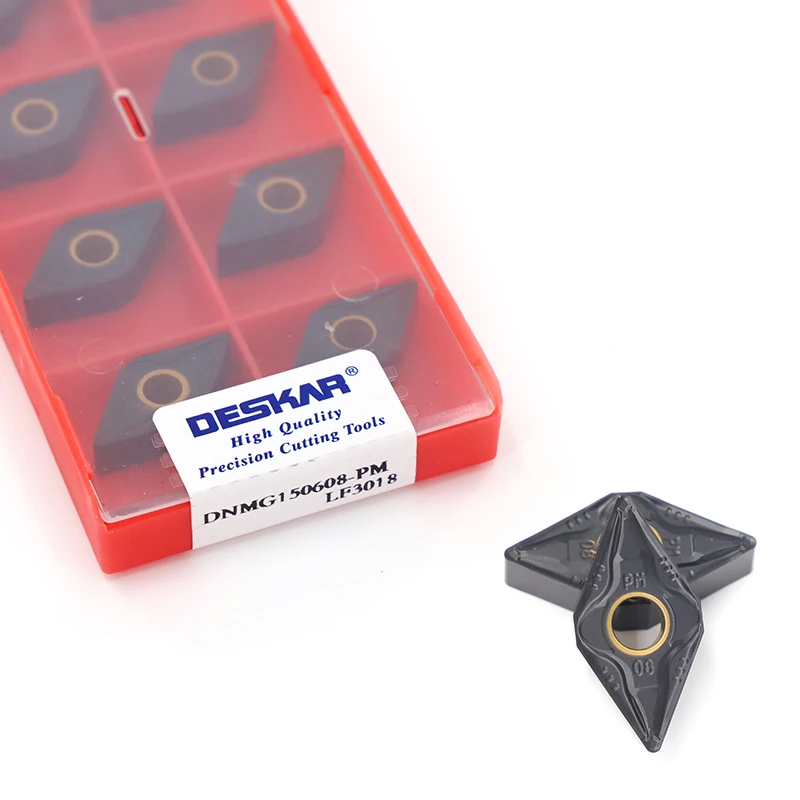
High-performance end mills are precision cutting tools designed for milling operations in various industries, including mold-making, automotive, and aerospace. These tools are critical for achieving high-quality finishes and precise tolerances in metalworking applications. For B2B buyers like purchasing managers, engineers, and product managers, understanding how to choose the right high-performance DESKAR carbide end mill, their advantages, cost factors, and supplier evaluation criteria is essential for making informed purchasing decisions. This article will guide you through these important aspects.
Selecting the right high-performance end mills involves considering several factors, including the material being machined, the type of milling operation, and the desired surface finish. First, identify the material of the workpiece—common options include aluminum, stainless steel, and titanium. Each material has different machining properties, which influence the choice of end mill material, geometry, and coatings.
Next, evaluate the milling operation type. Are you performing roughing, finishing, or a combination of both? Roughing end mills have a larger chip load and are designed for material removal, while finishing end mills create a smooth surface finish. The number of flutes on the end mill also matters; fewer flutes allow for more chip clearance, which is beneficial in roughing, while more flutes provide a better finish in finishing operations.
Lastly, consider the specific requirements of your project, including tolerances and surface finish specifications. If your project has tight tolerances, look for end mills with high precision and stability. Consulting with your supplier about your application can help ensure you select the right tool for the job.
Physical Vapor Deposition (PVD) and Chemical Vapor Deposition (CVD) are advanced coating technologies that enhance the performance of high-performance end mills. These coatings improve tool life and efficiency by providing a hard, wear-resistant surface that reduces friction and heat generation during machining.
PVD coatings are typically thinner and can be applied to a wider variety of substrates, maintaining the substrate's integrity while enhancing performance. They are ideal for machining non-ferrous materials and can help prevent built-up edge (BUE), which can impair cutting performance.
On the other hand, CVD coatings tend to be thicker and are more suited for high-temperature applications, making them ideal for machining harder materials like stainless steel and titanium. The heat resistance provided by CVD coatings allows for higher cutting speeds and improved tool life.
Implementing PVD or CVD coatings can lead to significant cost savings in production by reducing tool changes and increasing overall efficiency, making DESKAR ball end end mill a valuable investment for industries that demand high precision and durability.
When sourcing high-performance end mills, several cost factors come into play. The initial price of the end mill is just one aspect; total cost of ownership should be considered, which includes tool life, maintenance, and the cost of downtime during tool changes.
Material and Coating: The choice of material and the type of coating can significantly affect the price. High-speed steel (HSS) end mills are generally less expensive than carbide options, but carbide offers better wear resistance and longer life, which may lower overall costs in the long run.
Quantity and MOQ: Suppliers often have minimum order quantities (MOQ) that can impact costs. Ordering in bulk might provide price breaks, but it’s essential to evaluate whether the quantity aligns with your production needs.
Customization: Custom end mills tailored to specific applications can incur additional costs. However, they can enhance performance and reduce machining time, ultimately leading to savings.
Logistics and Shipping: Consider shipping costs, especially if sourcing from overseas. Ensure that lead times align with your production schedule to avoid costly delays.
By analyzing these factors, buyers can make more informed decisions that align with their budgetary constraints and operational needs.
From a supplier’s perspective, understanding the customer's requirements is paramount to delivering high-quality products. At LIFENG PRECISION TOOLS (ZHEJIANG) CO., LTD, our strong R&D capabilities allow us to develop both standard and non-standard cutting tools tailored to specific applications. We leverage advanced production lines and a robust quality control process to ensure consistency and reliability.
When engaging with potential clients, we recommend providing detailed specifications in RFQs, including material types, dimensions, required tolerances, and any specific coating preferences. This helps us identify the most suitable products for their needs and streamline the quoting process.
Additionally, we encourage buyers to consider the importance of sample approvals before mass production. Testing samples under actual working conditions can reveal potential performance issues that may not be apparent from specifications alone.
Before making a purchase, buyers should verify several key specifications and consider potential quality control measures.
Specifications: Key specifications include the diameter, length, number of flutes, and coating type. Ensure these align with the intended application and are compatible with your machinery.
Quality Assurance: Inquire about the supplier's quality control processes. Certifications like ISO can indicate adherence to industry standards, but specific procedures for inspecting tool quality—such as dimensional checks and material verification—should also be confirmed.
Performance Testing: Understand how the end mill has performed in similar applications. Request data or case studies that demonstrate reliability and efficiency.
Supplier Reputation: Evaluate suppliers based on their market presence and feedback from other clients. A trusted supplier can provide additional insights into DESKAR endmill carbide selection and manufacturing capabilities.
After-Sales Support: Consider the availability of technical support and training. A supplier that offers assistance in optimizing tool usage can enhance productivity and reduce potential issues.
By focusing on these areas, buyers can mitigate risks and ensure they are making a sound investment in high-performance end mills suited to their operational needs.