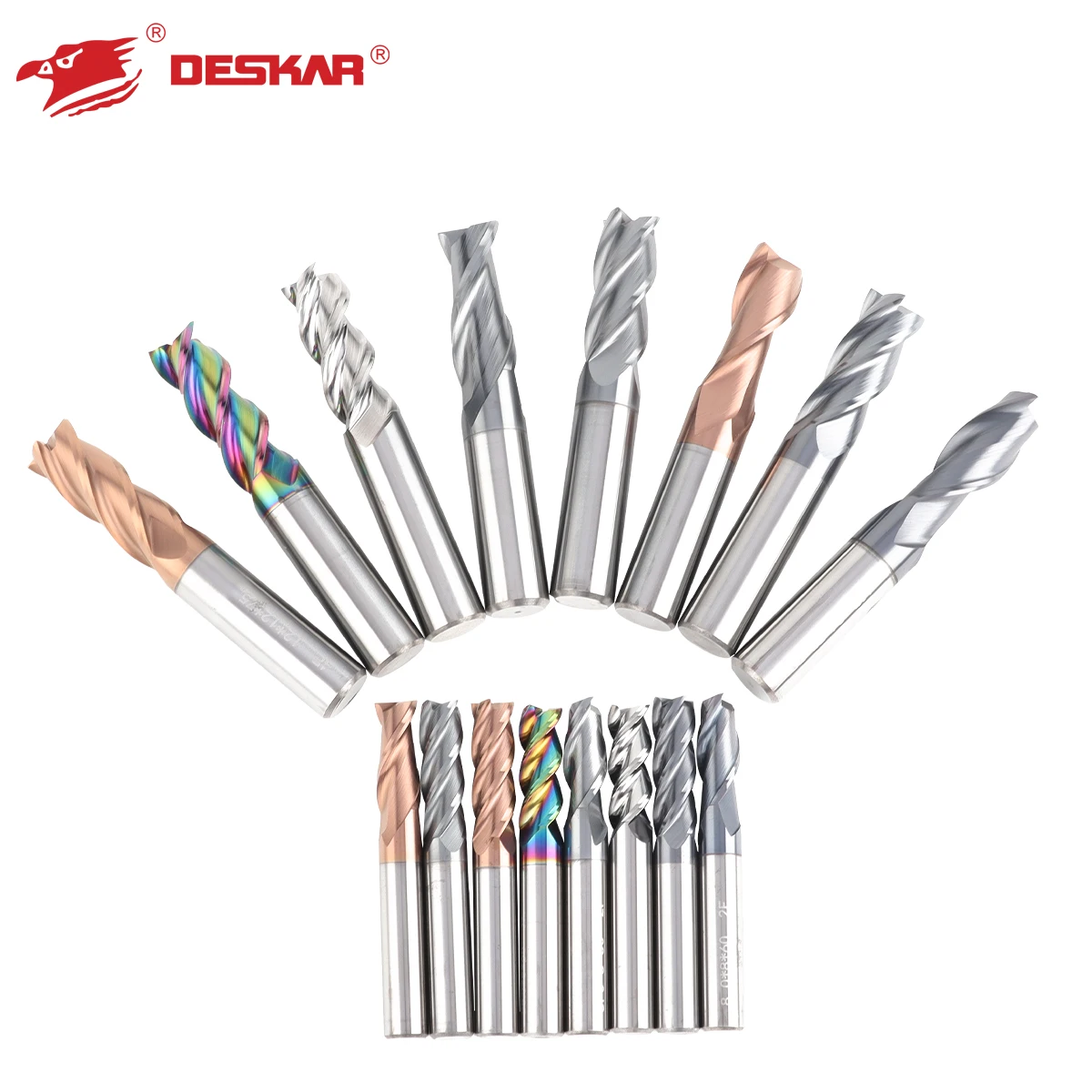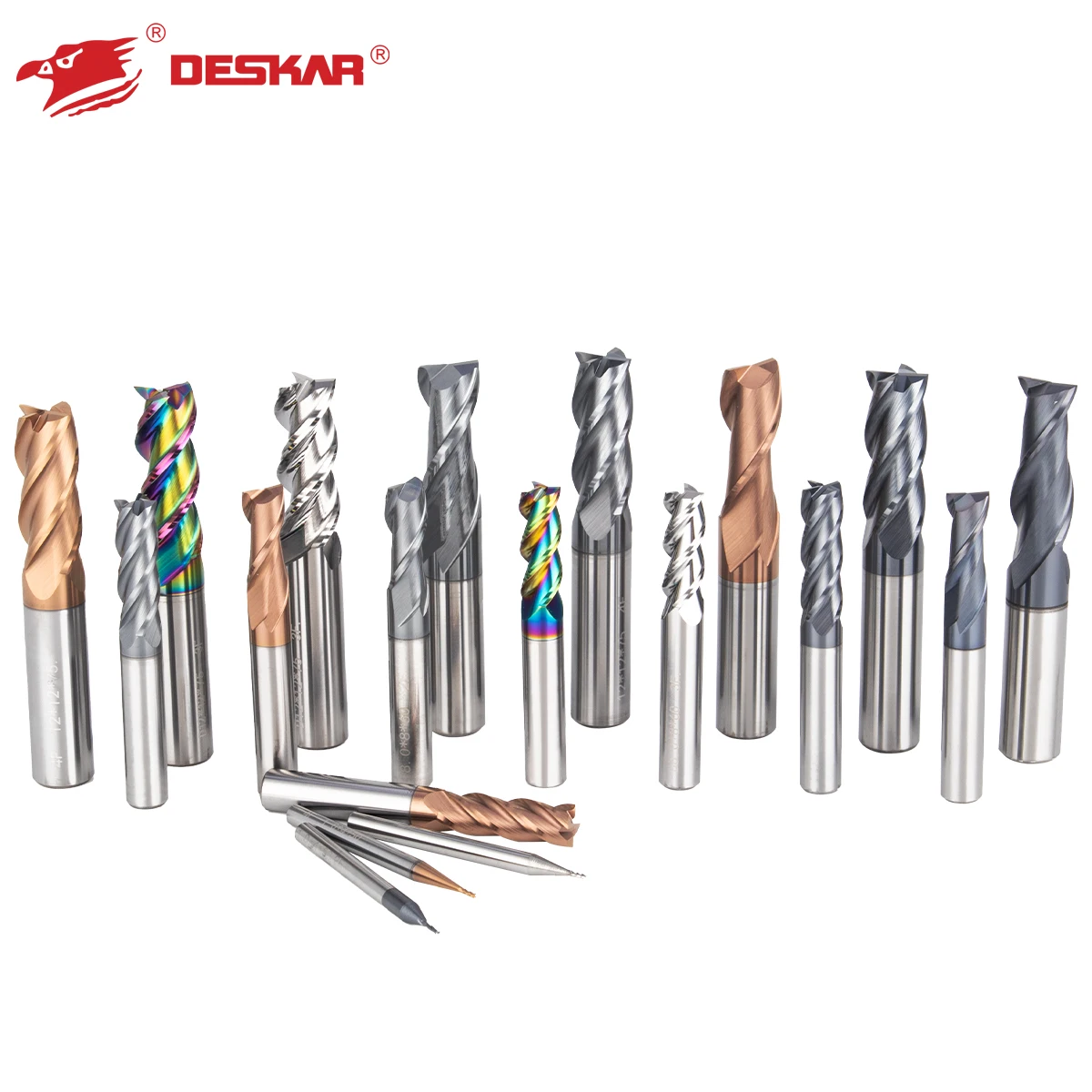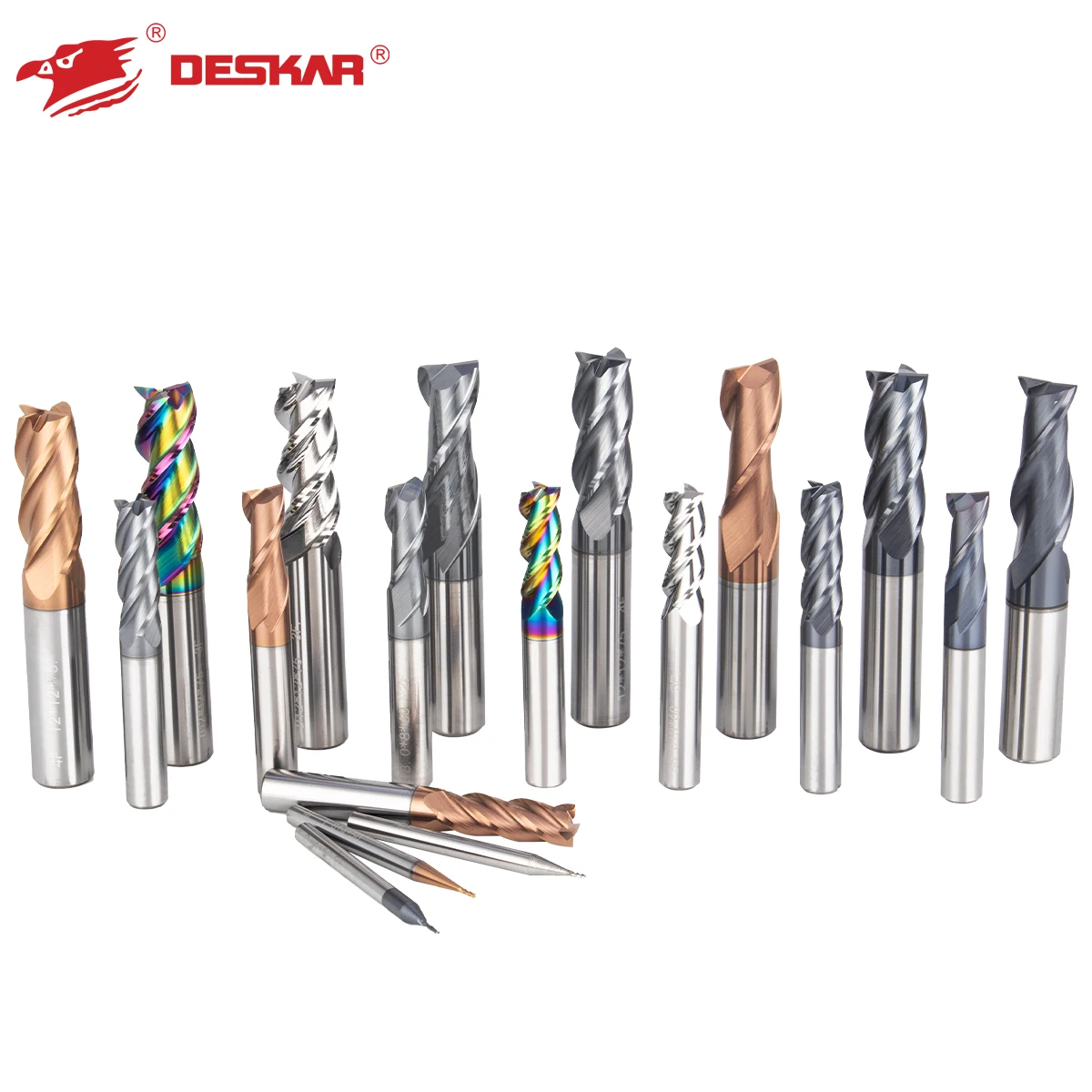
Of all the accessories available for drill presses, milling bits are the closest thing to superheroes. They flood the market in many shapes and sizes and each is for a special job. Some bits are fabulous for cutting through tough materials like metal, while others bore clean, smooth holes in wood.
Just as you wouldn’t plug a hammer into a screw, you need the correct milling bit for the task at hand. If you are milling metal, a carbide milling bit is the only choice. For wood products, a high speed steel milling drill bit is suitable.
To get the best use out of your milling bits, you take care of them. Wash them and let them dry completely after each use, then store them in a dry place to prevent rust. Keep your milling bits sharpened so they cut well.
Pay attention to your speed and feed rate with your drill press. Various materials require different speeds, so set the right parameters for what you are doing. That, and don’t forget to take breaks and let your bit cool down after getting too hot.
For projects which require a bit more judiciousness, search out cobalt milling bits. These bits are so tough they can cast in a machine in a hurry without breaking. Your drill press can be almost as versatile as your lathe with this ““drill-mill” drum sander!
The best milling bits can wear down. If your bit is not cutting well or is constantly sticking, consider the following. First make sure your bit is sharp and in good condition. If it’s dull or broken, it’s not going to cut how it should.
If your bit cuts too slowly or too quickly, adjust your drill press speed. If you notice a lot of shaking, check that your workpiece is secure and that bit has been lined up correctly. Your milling bit gets jammed, the machine punches your part out of alignment, you blow through an edge: The machine has a mind of its own! With a little troubleshooting, you can have your milling bit back in working order, and finish making your parts as you envisioned.