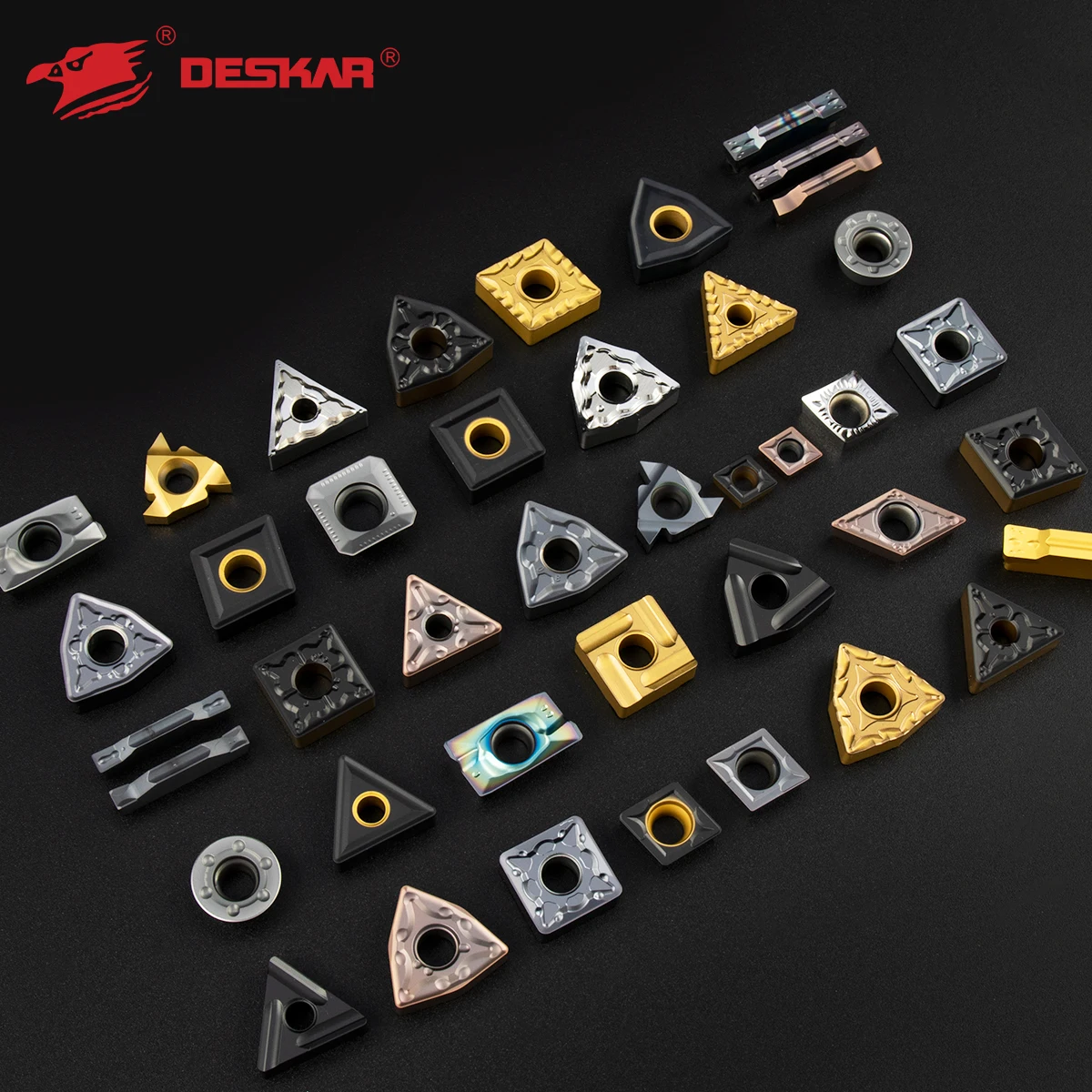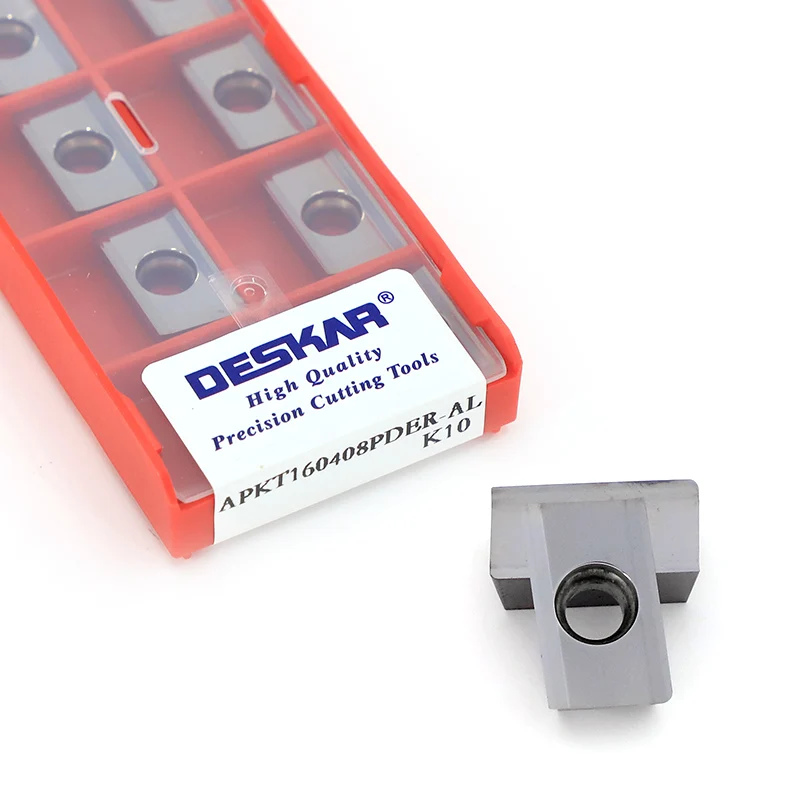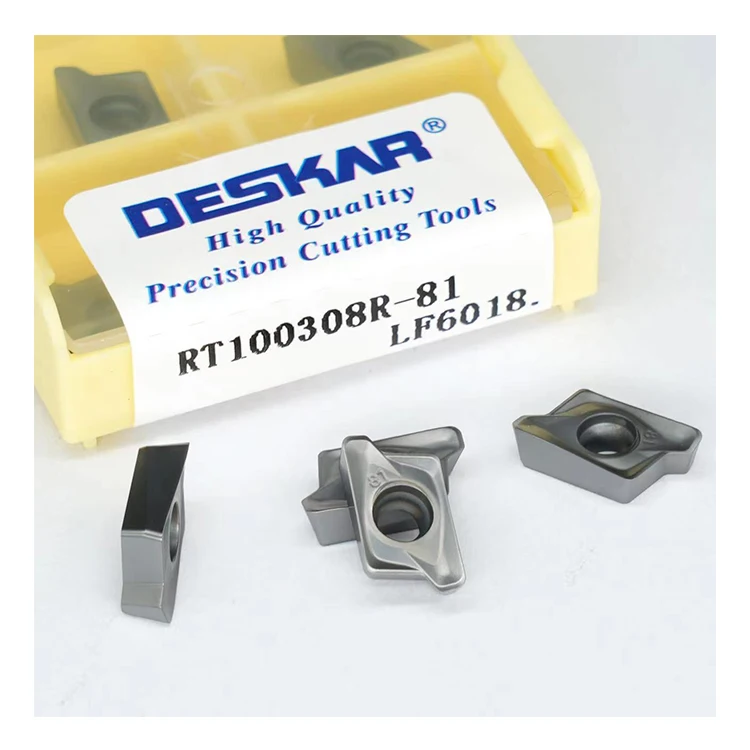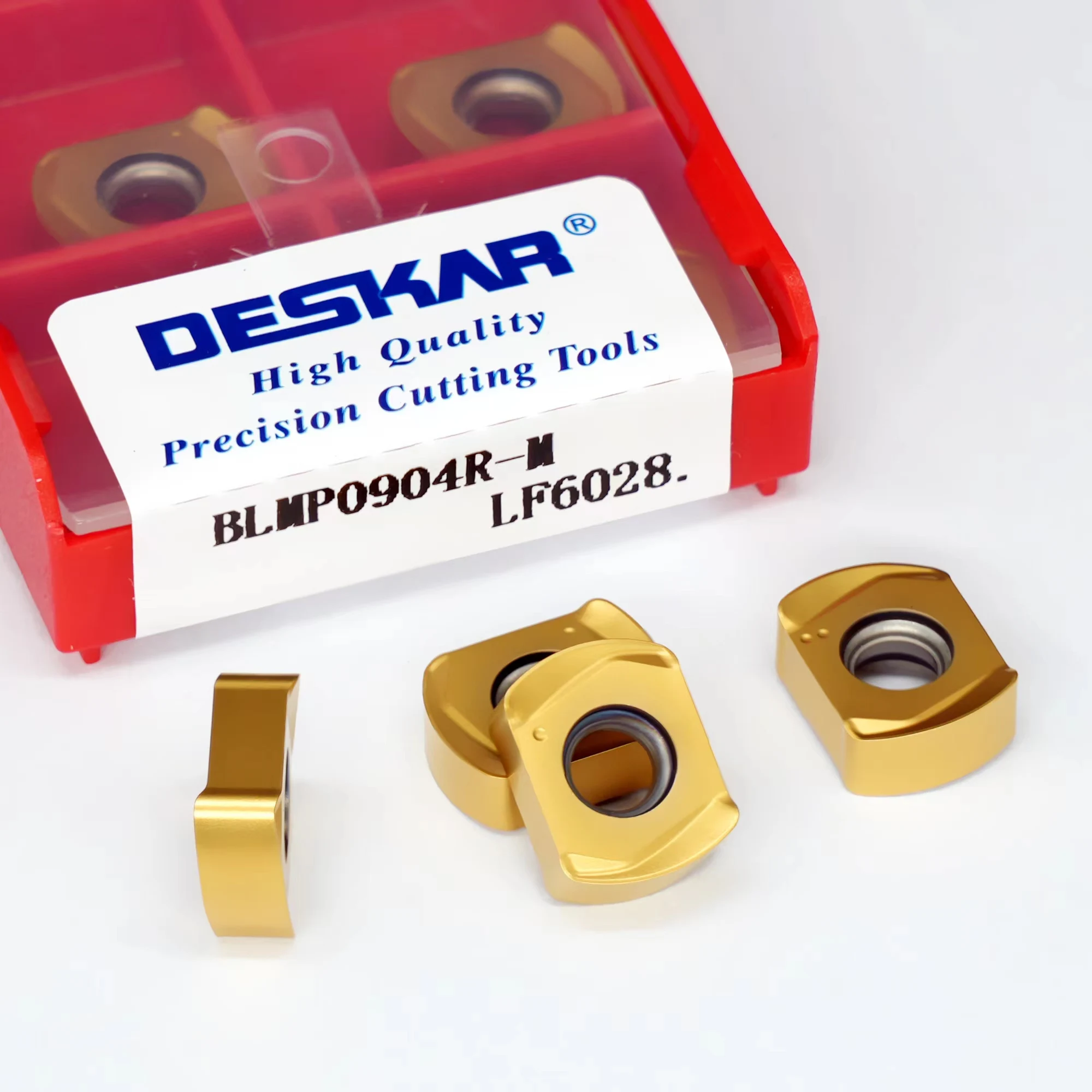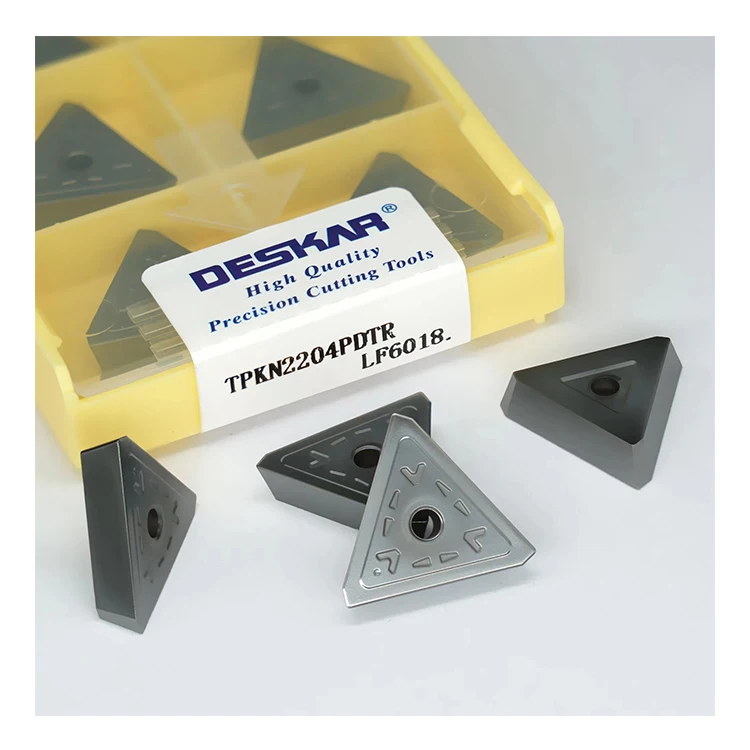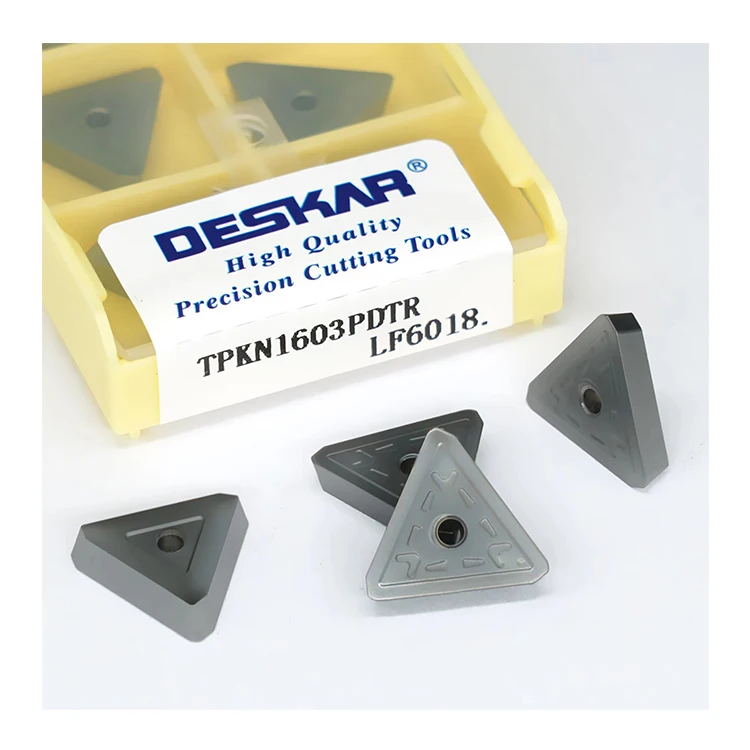
When working on DIY projects whether in the home or classroom, a practical tool to have is a milling drill bit. You can use these useful tools to drill holes with accuracy, so as to make your work more tidy and good-looking. In this guide, we will discuss milling drill bits including the types they come in, how to understand which mill drill bits you need and also easy maintenance steps that you can take to keep them sharp.
Milling drill bits are tools used in milling, drilling, cutting, etc. materials such as wood, metal or plastic. They are available in various sizes and shapes that are designed for different applications. Choose your milling drill bit based on what you need to drill, how fast, and what kind of hole you need. Ensure the bit is securely fitted to the drill to prevent accidents.
When selecting a milling drill, think of the material you are drilling. For wood, spade drill bit are used because they are sharp enough to easily cut through wood. A cobalt drill bit is preferable for metal because it can withstand the hardness of the metal. Also consider the size of hole you want that drill to make and choose a bit in that size.
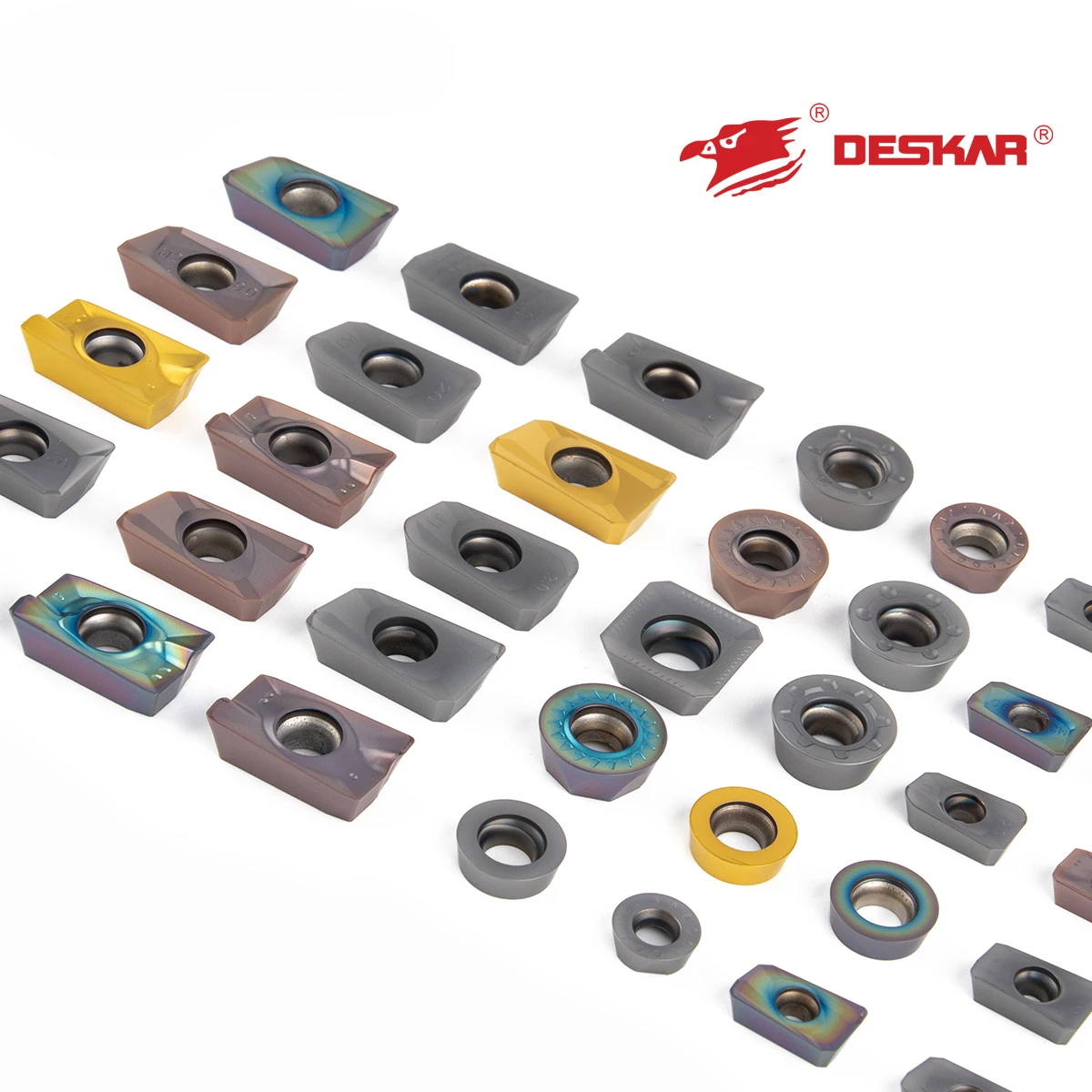
Maintaining your milling drill bits To ensure a long life and best performance from your milling drill bits you need to look after the correctly. Delicately clean the sawtooth with a brush after using it to clear away dust and debris. Sharpen it if it gets dull, they said with a stone. Keep drill bits in a dry, inside storage, so they will not rust or get damaged.
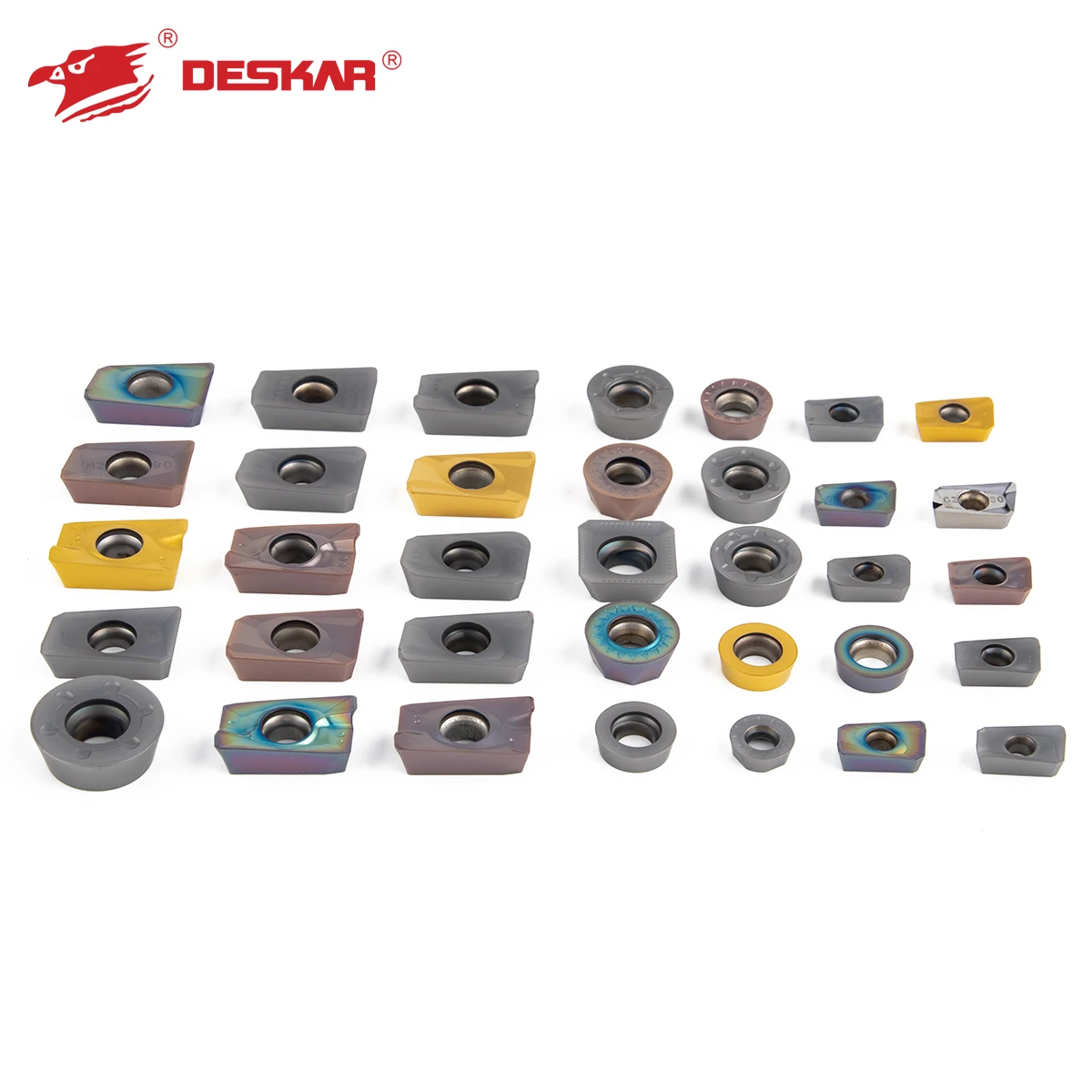
Like many things, the more you use a milling drill bit the better you will get. Have the proper drill bit for the job, keep it sharp and use your drill on the correct speed and pressure. By using these ideas, you will get great results and your projects will look fantastic.
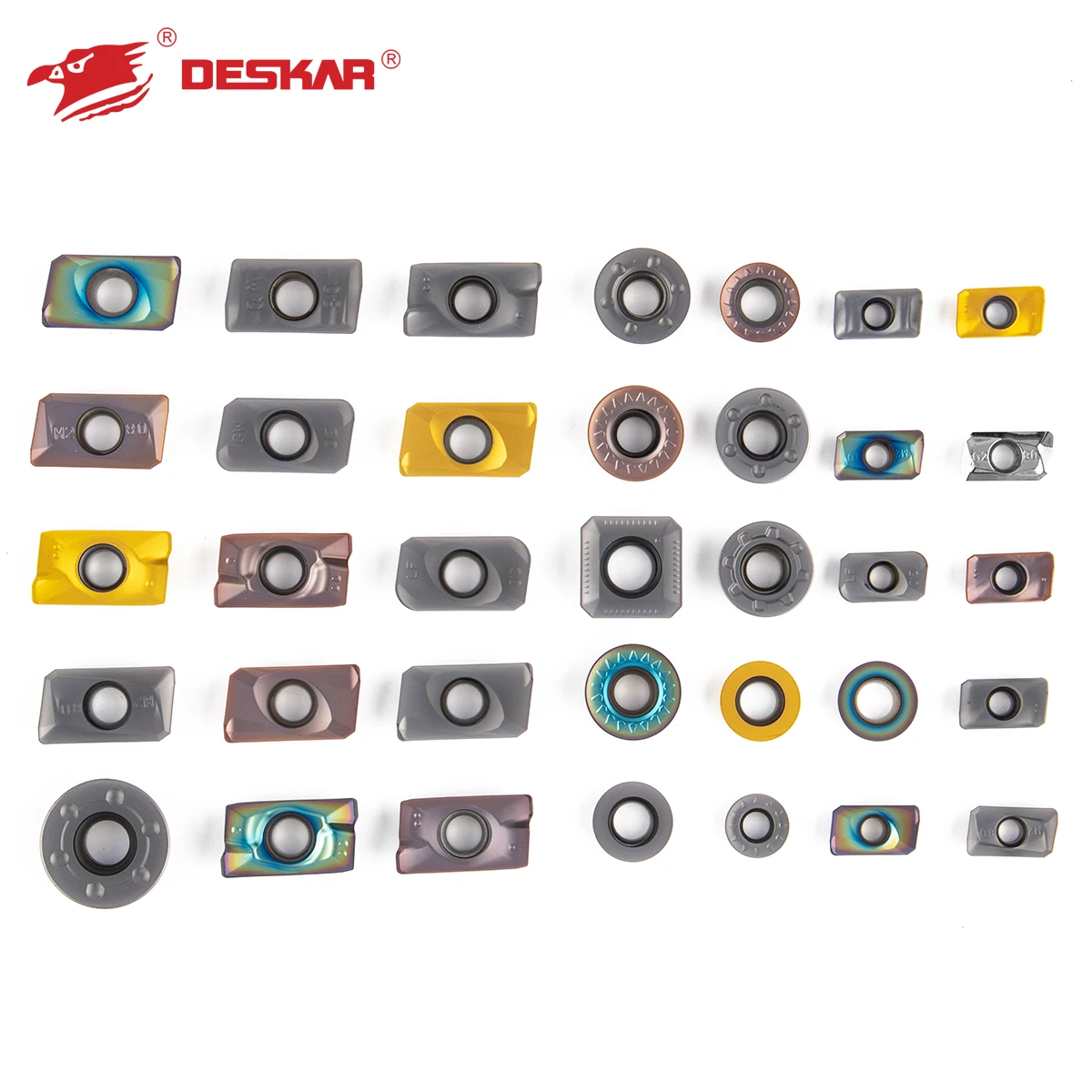
There are several varieties of milling drill bits they have been developed for, which includes: Some of the most widely used are twist drill bits, spade drill bits, auger drill bits countersink drill bits, and hole saw drill bits. Twist drill bits work just as well on an array of materials, as do spade drill bits, which are ideal for creating large holes in wood. Auger drill bits are meant for deep holes, countersink drill bits provide an angled hole, and hole saw drill bits are meant for big holes in wood or metal.