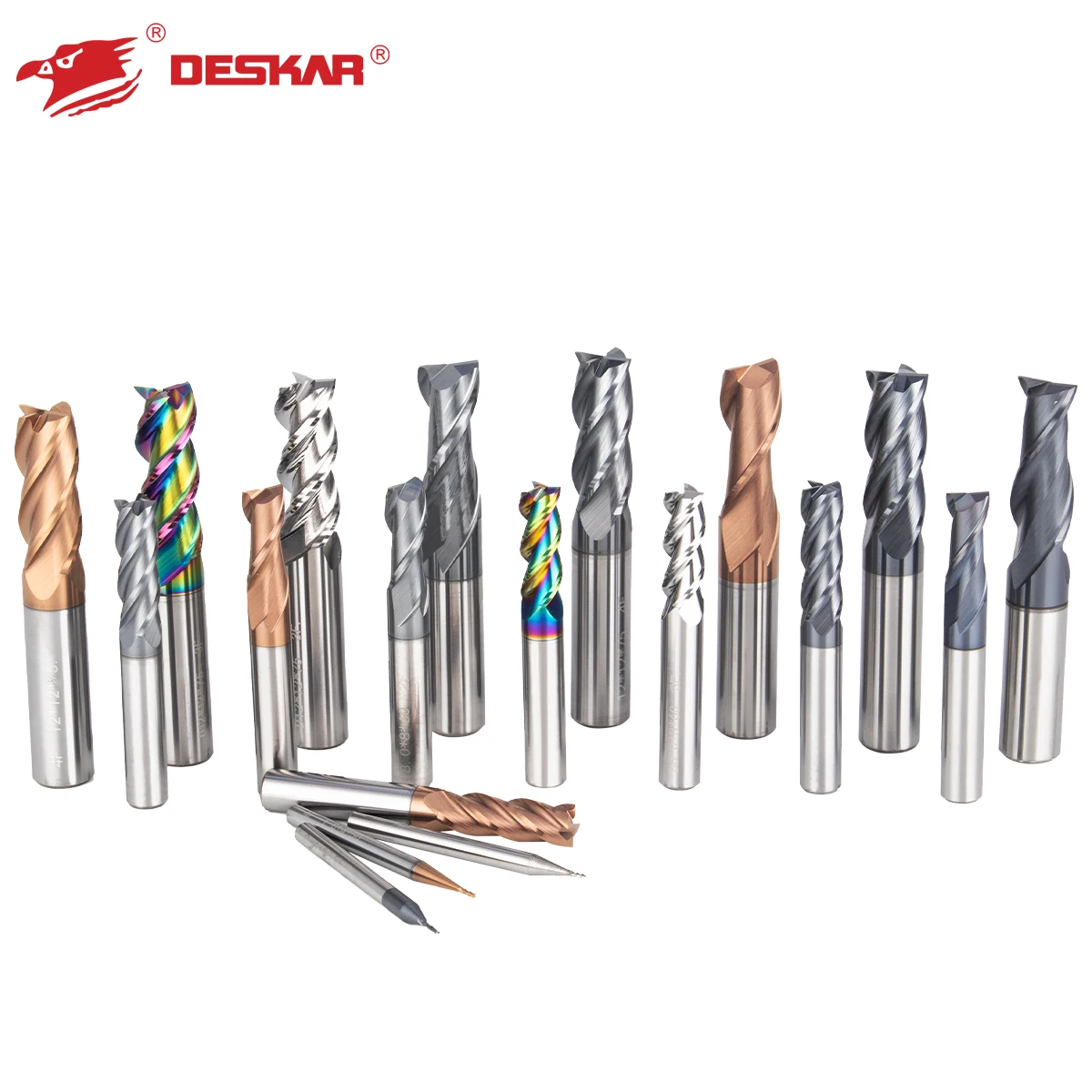
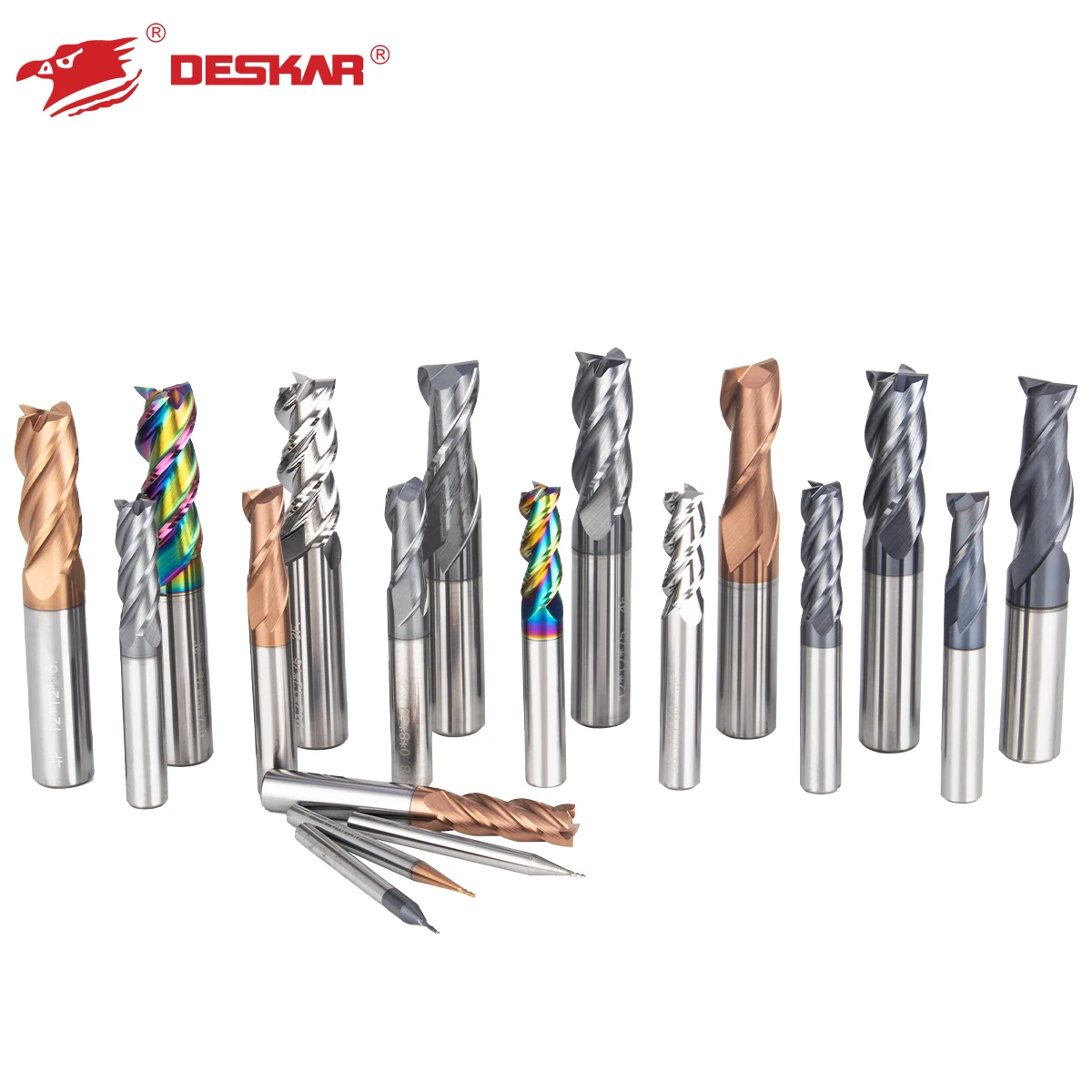
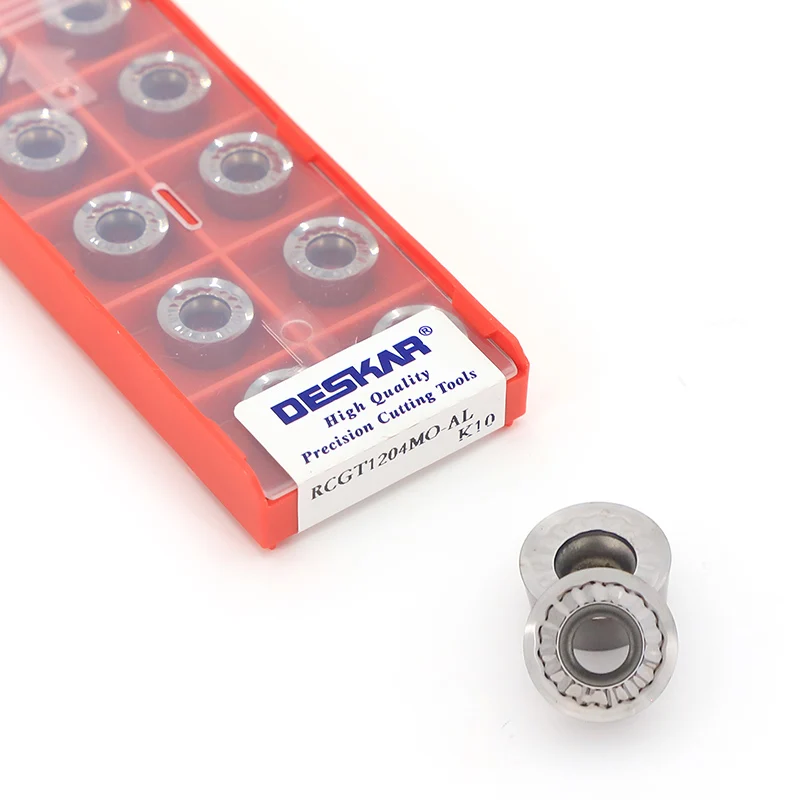
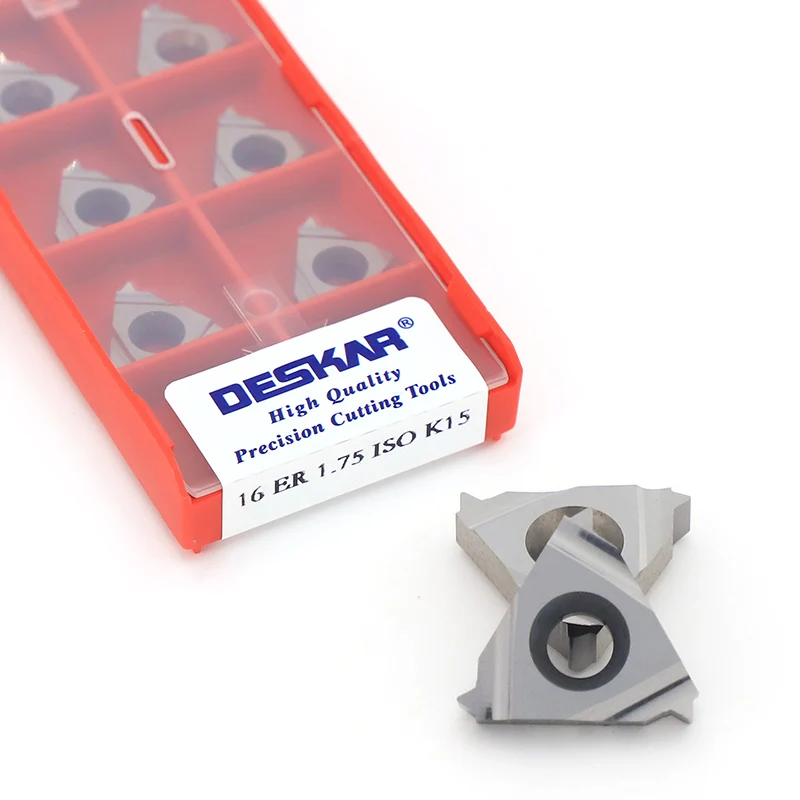
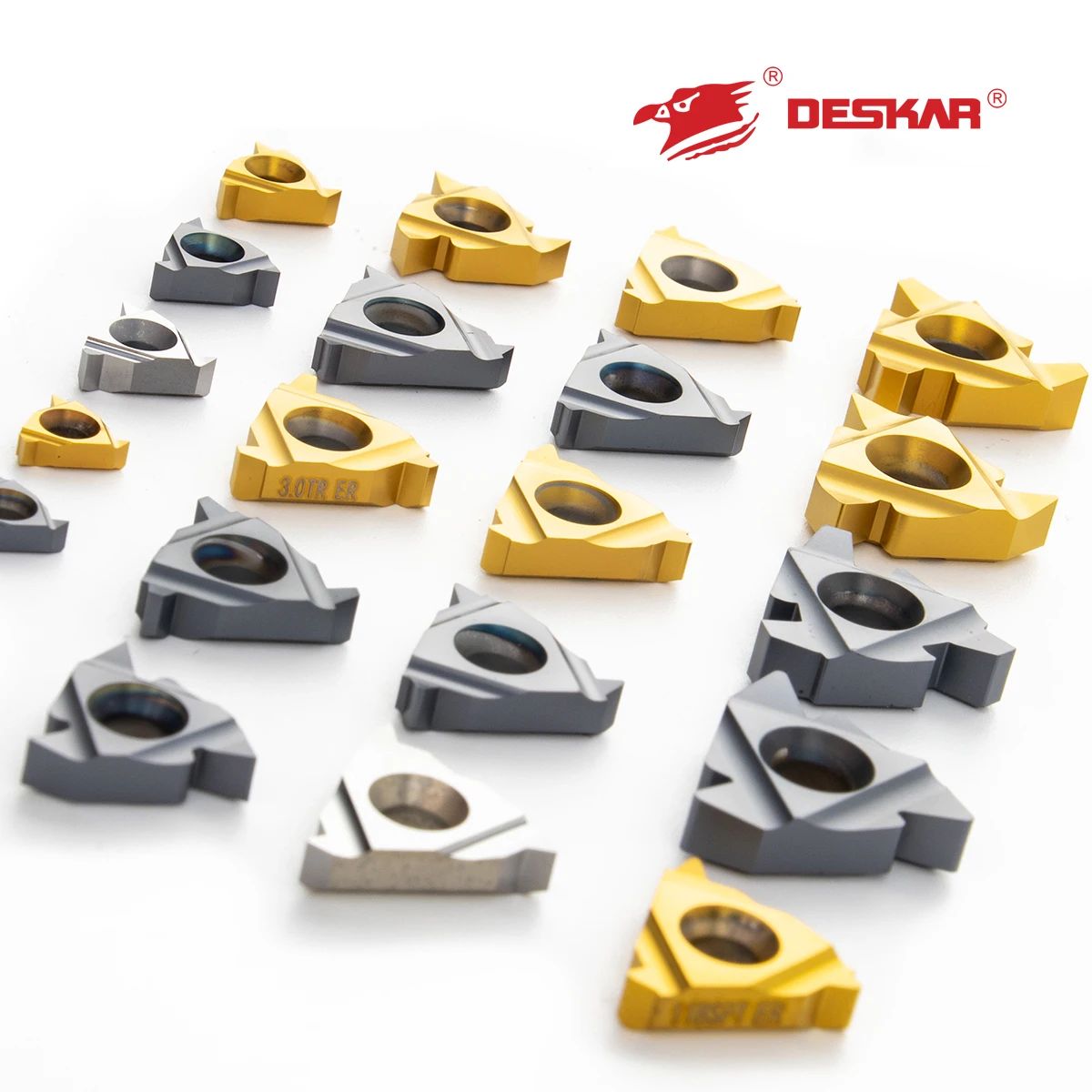
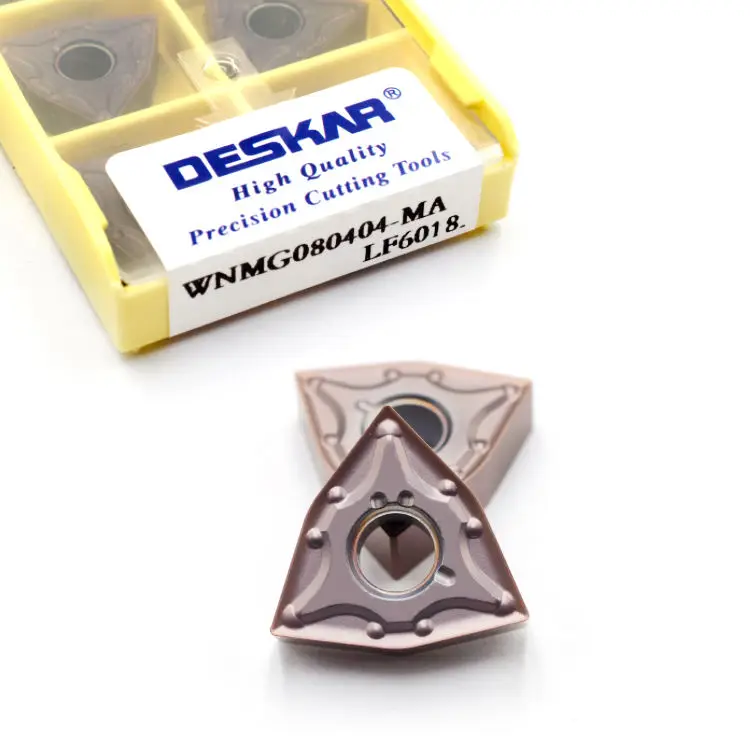
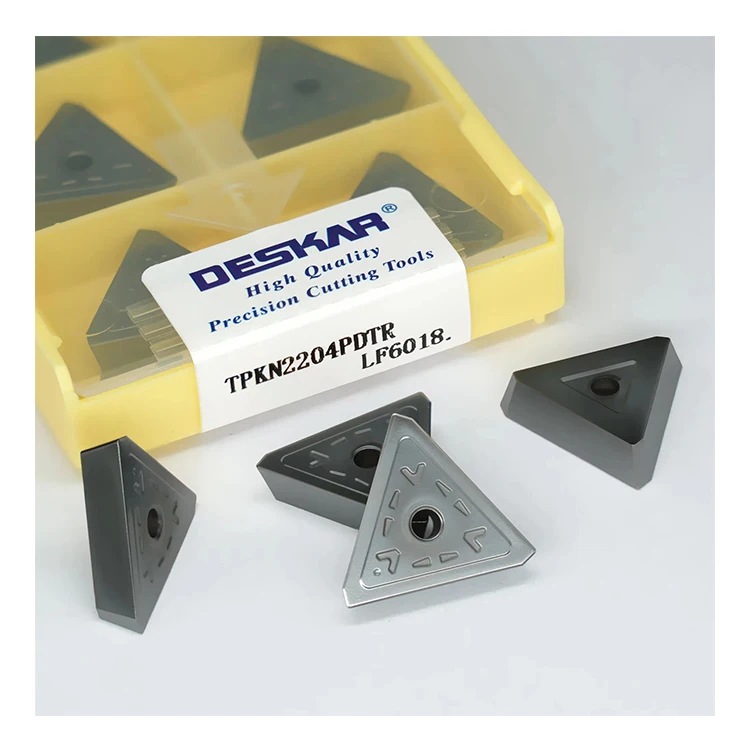
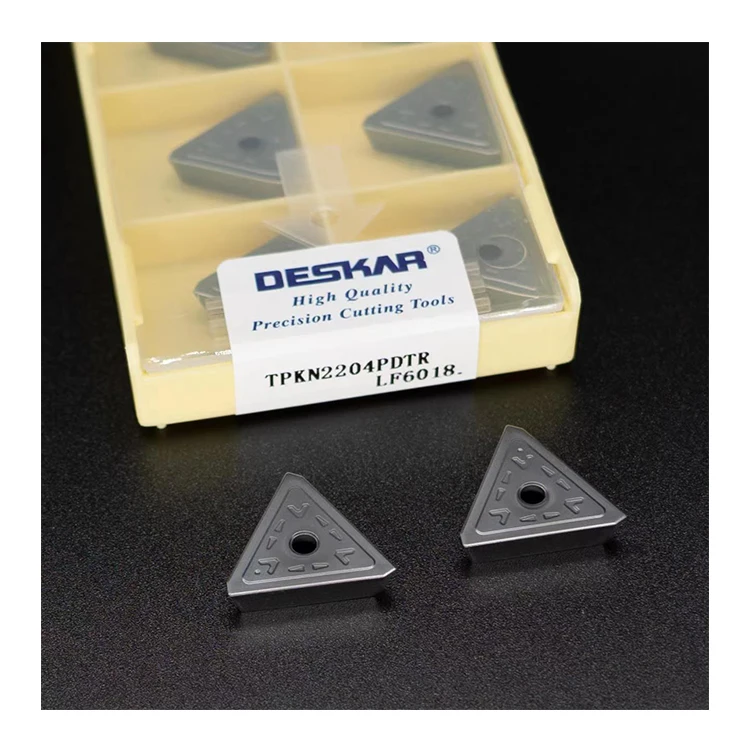
End mill cutters are essential tools in the manufacturing sector, primarily used for machining operations such as milling and drilling. These cutting tools are designed to remove material from a work piece to create desired shapes, profiles, or contours. For B2B buyers, concerns often revolve around selecting the right type of end milling cutter, ensuring compatibility with existing machinery, and understanding the cost implications of bulk purchases. This article will guide you through the critical aspects of choosing and sourcing end mill cutters at DESKAR, helping you make informed purchasing decisions.
When selecting an end mill cutter, several factors need to be considered to ensure optimal performance for your specific application. The primary considerations include the cutter material, geometry, diameter, length, and coating.
Material: End mill cutters are typically made from high-speed steel (HSS), carbide, or cobalt. Carbide cutters are preferred for their durability and ability to maintain sharpness under high temperatures. HSS cutters are more economical and suitable for softer materials, while cobalt offers an intermediate solution with better heat resistance than HSS.
Geometry: The cutter's geometry affects its performance. For instance, a two-flute end mill provides better chip removal, making it ideal for softer materials. In contrast, a four-flute fly cutter mill is better for harder materials due to its increased rigidity.
Diameter and Length: The diameter of the cutter determines the width of the cut, while the length affects reach and accessibility in machining operations. Ensure the selected dimensions fit your specific project requirements.
Coating: PVD (Physical Vapor Deposition) and CVD (Chemical Vapor Deposition) coatings enhance the tool’s wear resistance and reduce friction. Choosing the right coating depends on the materials being machined and the machining conditions.
Understanding these factors will help you select an end mill cutter that meets your operational needs and enhances production efficiency.
Finding a reliable supplier for end mill cutters is critical to maintaining production quality and efficiency. Consider the following strategies to identify trustworthy suppliers:
Industry Directories: Utilize B2B platforms and industry directories that list manufacturers and suppliers. Websites like ThomasNet or Alibaba can be helpful in locating reputable suppliers.
Trade Shows and Expos: Attending industry-specific trade shows allows for face-to-face interactions with suppliers, enabling you to evaluate product quality firsthand and discuss your specific needs.
Referrals and Recommendations: Networking with peers in your industry can yield reliable supplier recommendations. Colleagues may share their experiences with specific suppliers like DESKAR, helping you gauge their reliability and service levels.
Certifications and Quality Control: Look for suppliers who hold relevant industry certifications, such as ISO 9001, which indicates a commitment to quality management practices. Reviewing their quality control processes can also provide insights into their reliability.
Customer Support: A supplier's ability to provide technical support and respond promptly to inquiries is crucial. Evaluate their customer service reputation by reading reviews or requesting references.
By employing these strategies, you can identify suppliers who meet your quality and service standards for end mill cutters.
When considering bulk purchases of end mill cutters, several cost factors come into play:
Unit Price: Generally, buying in bulk reduces the unit price. However, compare prices among different suppliers to ensure competitive pricing.
Shipping Costs: Consider how shipping costs can impact the overall price. Suppliers located closer to your facilities may offer lower shipping rates or faster delivery times.
Customizations: If you require custom end mill cutters, be aware that customization can significantly increase costs. Discuss your specifications with suppliers to understand potential price implications.
Minimum Order Quantities (MOQ): Some suppliers, such as DESKAR may have a minimum order quantity, which can affect the total cost of your purchase. Always confirm MOQs and how they fit within your procurement strategy.
Quality and Performance: Investing in higher-quality cutters may result in a higher initial cost, but can lead to longer tool life and fewer replacements, ultimately reducing costs over time.
Understanding these cost factors will help you make informed decisions when purchasing end milling machine cutters in bulk, ensuring that you get the best value for your investment.
To maximize the performance and lifespan of your end mill cutters, consider implementing the following best practices:
Proper Storage: Store end mill cutters in designated tool holders or protective cases to prevent damage and dulling of edges.
Regular Maintenance: Regularly inspect and maintain your cutters. Clean them after use to remove debris and prevent corrosion.
Correct Machining Parameters: Use the appropriate feed rate and spindle speed as recommended for the specific end mill cutter and material. Incorrect settings can lead to premature wear or breakage.
Test Cuts: Before full production runs, conduct test cuts to ensure that the selected cutter performs as expected. This can help identify any issues early on.
Documentation: Keep detailed records of cutter usage, including performance metrics and any issues encountered. This information can guide future purchasing decisions and supplier evaluations.
By following these best practices, you can enhance the effectiveness of your end mill cutters and improve overall operational efficiency.
End mill cutters find applications across numerous industries, including:
Manufacturing: In general manufacturing, end mills are used for creating complex shapes and profiles in a variety of materials, including metal, plastic, and wood.
Aerospace: The aerospace industry often requires precision machining of components, where high-performance end mill cutters are essential for maintaining tight tolerances and surface finishes.
Automotive: In automotive manufacturing, end mills are utilized for machining engine components, transmission parts, and other critical assemblies, where durability and precision are paramount.
Mold Making: DESKAR end mills are commonly used in mold-making applications for both injection molds and die-casting, where intricate designs and high accuracy are necessary.
Medical Device Manufacturing: The medical industry requires precise machining of components for devices and implants, where end mill cutters play a critical role in ensuring safety and efficacy.
Understanding these applications can help buyers select the right end mill cutter for their specific industry needs, ensuring optimal performance and compliance with industry standards.