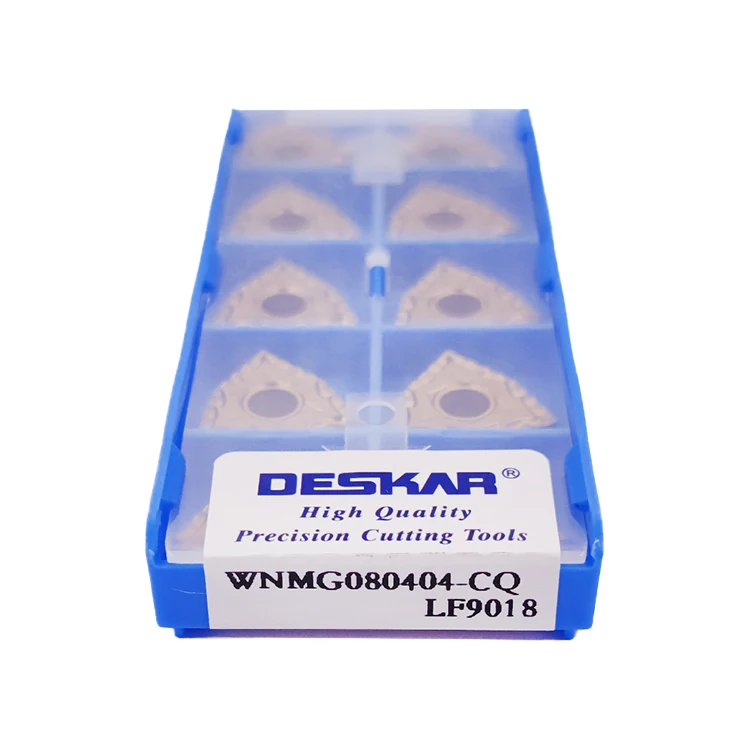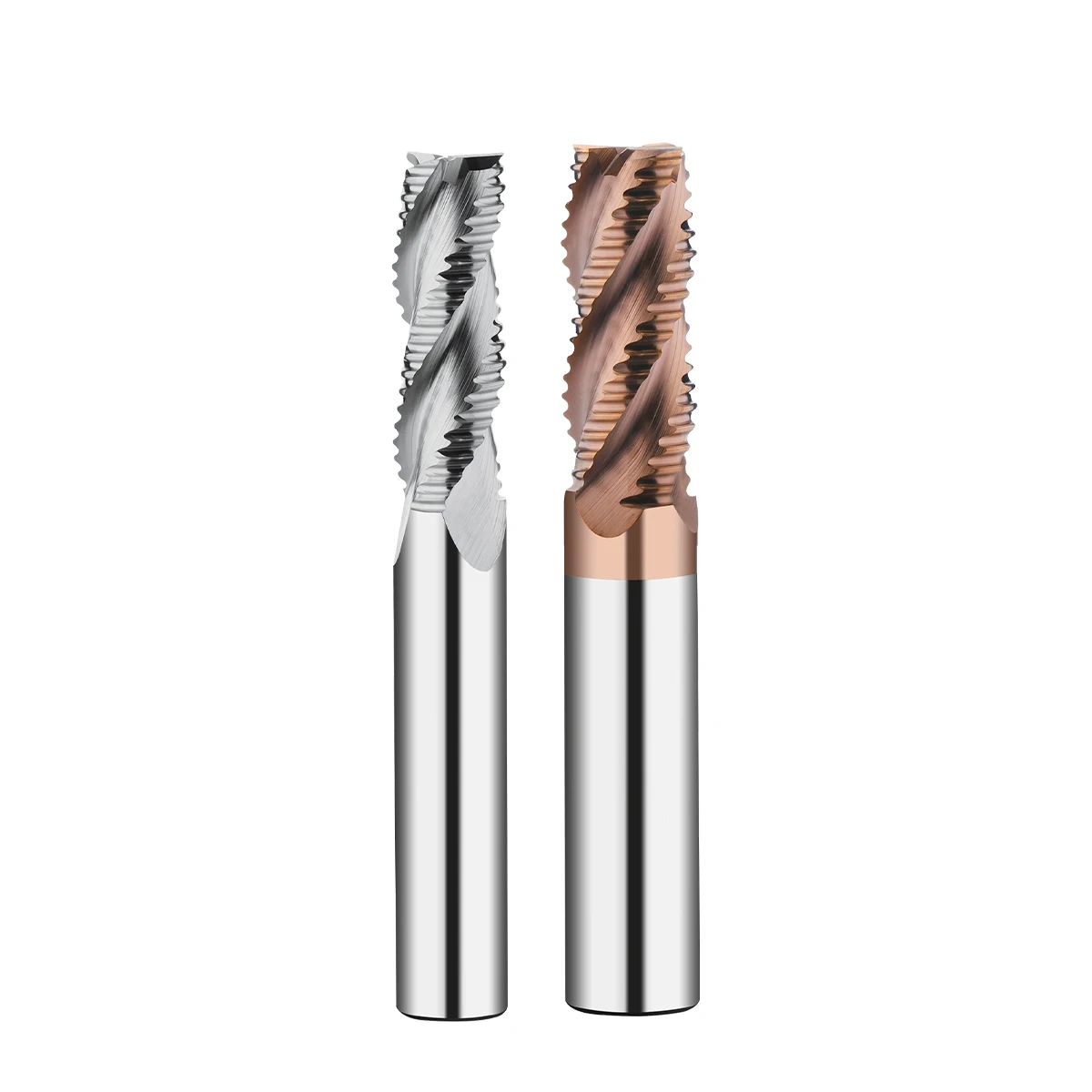
CNC machine inserts are crucial components in various machining processes, enhancing the efficiency and precision of metalworking operations. For purchasing managers and engineers, selecting the right inserts is essential to optimize production while managing costs. This article will explore key factors to consider when choosing CNC machine milling inserts, addressing common problems and solutions, installation best practices, and application insights across multiple industries.
When it comes to CNC machine inserts, understanding the specific requirements of your manufacturing processes is paramount. Different materials, coatings, and geometries can significantly influence performance. For instance, inserts designed for turning applications may differ from those suited for milling, particularly in terms of cutting edge geometry and chip control.
Material selection is another critical factor; carbide inserts are popular for their durability and wear resistance, while ceramic or cermet inserts may be preferred for high-speed operations. Additionally, the application environment—such as the type of metal being machined and the presence of coolant—can dictate the best insert choice.
Buyers should also consider the compatibility of inserts with their existing CNC machinery. Ensuring that the insert fit and tool holder specifications align is crucial for achieving optimal performance. For a more tailored approach, custom inserts can be developed based on unique production requirements—something that companies like DESKAR, thanks to their strong R&D capabilities and advanced manufacturing facilities.
Cost considerations extend beyond the initial purchase price of CNC machine inserts. Buyers should account for the total cost of ownership, which includes factors such as insert lifespan, cutting speed, and machine downtime. High-quality inserts may have a higher upfront cost but can lead to significant savings through reduced tool changeovers and improved machining efficiency.
Another essential factor is the manufacturer’s minimum order quantity (MOQ) and lead time. Understanding these constraints helps buyers plan their inventory and avoid production delays. Additionally, be mindful of shipping costs, especially for international orders, as these can affect the overall cost of procurement.
Quality assurance processes should also be a consideration when evaluating suppliers. Manufacturers like DESKAR, with robust quality control systems and certifications, can provide more confidence in the longevity and performance of their products, potentially saving costs associated with defects or premature failure.
Despite their advantages, CNC machine inserts can present challenges. Common issues include premature wear, chipping, and improper chip formation, which can lead to poor surface finishes or even machine damage.
To mitigate these problems, it's vital to assess the compatibility of inserts with specific machining parameters, such as cutting speed, feed rate, and tool path strategies. For instance, using an insert with the wrong geometry for a given application can lead to increased wear or failure.
Another common concern is the buildup of chip deposits, which can affect the insert's cutting efficiency. Implementing proper coolant strategies and ensuring the correct cutting parameters can help minimize this issue. Additionally, regular inspection and maintenance of tools can identify wear patterns early, allowing for timely replacements before significant production losses occur.
Proper installation of CNC machine inserts is crucial for achieving optimal performance and preventing operational issues. Begin by ensuring that the tool holder is clean and free of debris. This ensures a secure fit and proper alignment when inserting the new tool.
Align the insert according to the manufacturer's specifications, paying attention to the orientation of the cutting edge. Incorrectly installed CNC inserts can lead to vibrations and inconsistent cutting performance. Additionally, ensure that the clamping mechanism is tightened to the recommended torque specifications to prevent movement during operation.
Once installed, it is advisable to run a test cut to evaluate the performance of the insert under actual machining conditions. Monitor the cutting action closely for any signs of instability or excessive wear, and adjust parameters as necessary to achieve the best results.
CNC machine inserts find applications across a wide range of industries, including automotive, aerospace, and mold-making. In the automotive sector, inserts are used for high-volume production of components such as engine blocks, requiring durability and precision. Aerospace applications often demand inserts that can withstand extreme conditions, making material selection and coating technology critical.
In mold-making, the ability to create complex geometries with smooth finishes is paramount, which can be achieved through specialized insert designs tailored for specific machining processes. DESKAR offers a variety of standard and custom solutions, ensuring that manufacturers can find the right tools for their unique applications.
As industries continue to evolve, the demand for advanced CNC machine inserts for metal that can handle new materials and techniques will grow. Manufacturers must stay informed about the latest developments in insert technology to maintain their competitive edge.
In summary, understanding the intricacies of CNC machine inserts—including selection criteria, cost factors, installation techniques, and application suitability—is vital for purchasing managers and engineers. By leveraging insights from experienced manufacturers like DESKAR, buyers can make informed decisions that enhance productivity and reduce costs in their machining operations.