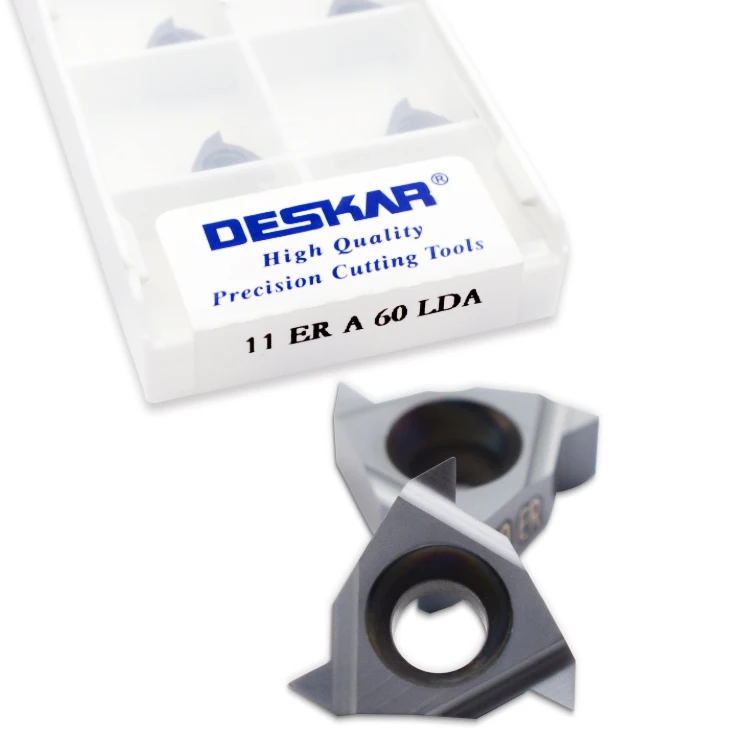
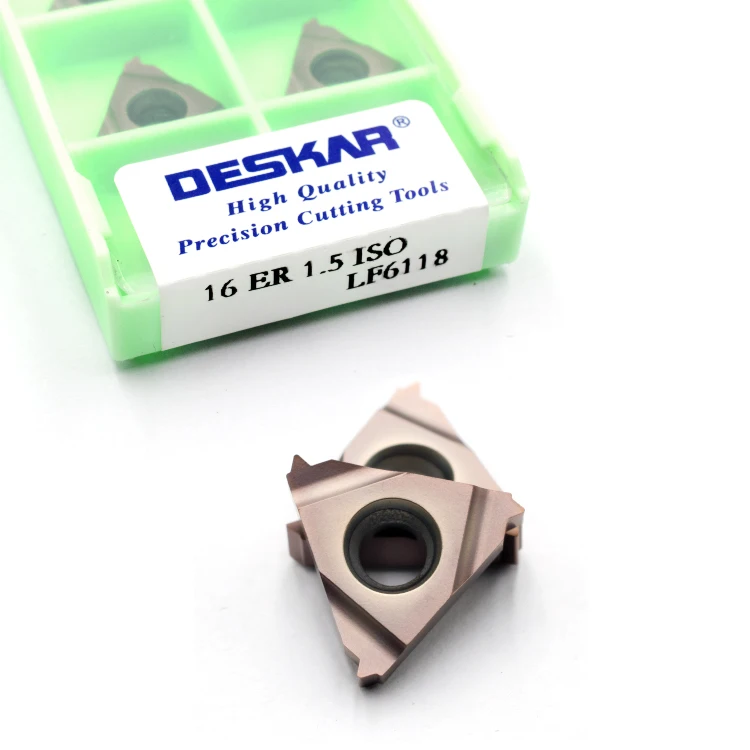
U drills are specialized cutting tools designed for precise hole-making operations in various industrial applications. Understanding their specifications, materials, and ideal uses is crucial for B2B buyers, especially purchasing managers and engineers, who are tasked with sourcing reliable and efficient tools. This drill mill bit article delves into the essential aspects of u drills, helping you make informed decisions when selecting high-precision cutting tools for your projects.
When evaluating u drills, key specifications to consider include diameter, length, cutting geometry, and coating types.
Diameter and Length: U drills come in various diameters and lengths, typically ranging from 3mm to 20mm in diameter and lengths from 50mm to 200mm. The milling drill bit appropriate size depends on the application, with larger diameters suitable for deeper holes and thicker materials.
Cutting Geometry: The design of the drill tip significantly impacts performance. A 140° point angle is common for general-purpose drilling, while a sharper angle may be necessary for precision work. The flute design also affects chip removal efficiency and cooling.
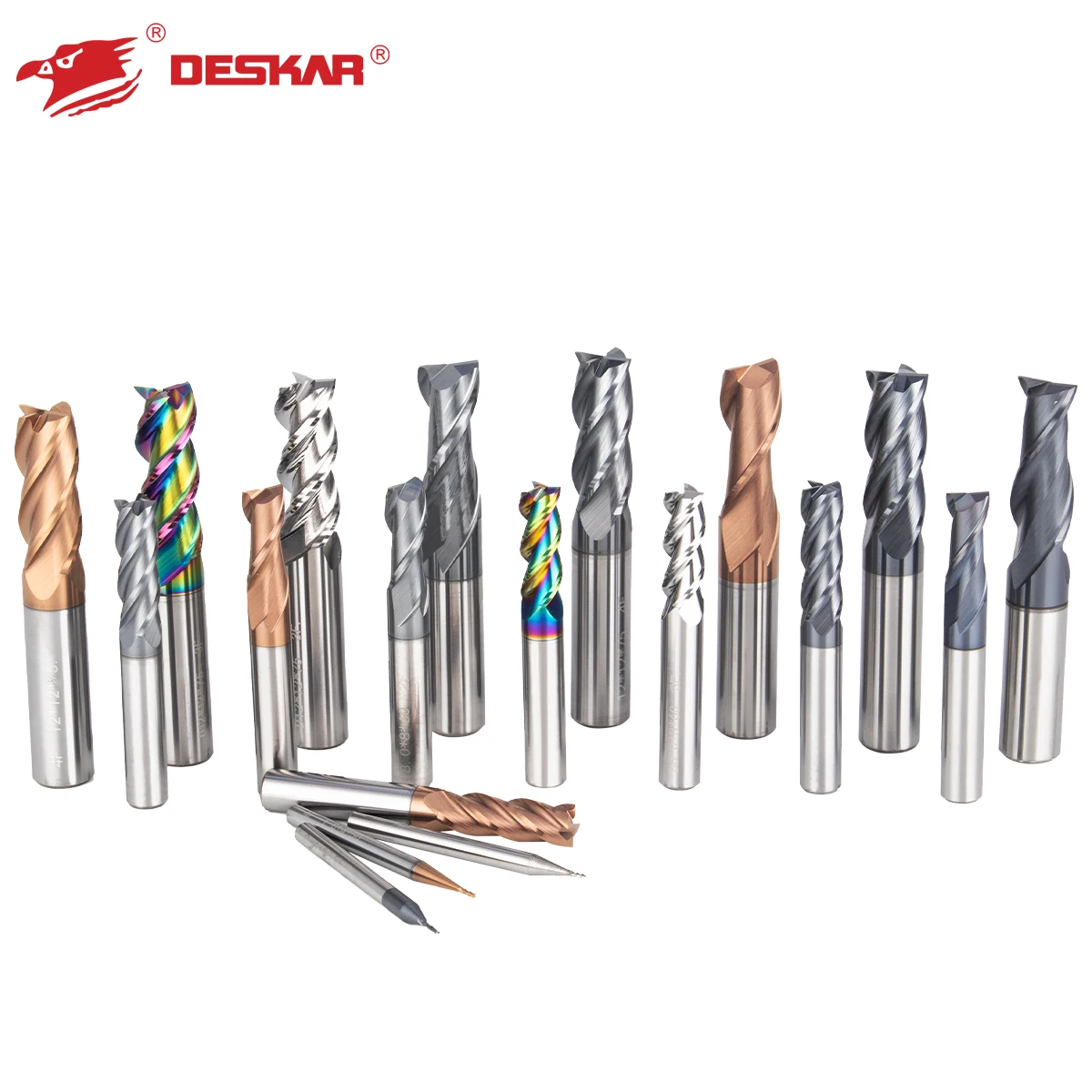
Coatings: U drills are often coated with PVD (Physical Vapor Deposition) or CVD (Chemical Vapor Deposition) to enhance wear resistance and reduce friction. These coatings are critical in extending tool life, particularly in high-speed machining applications.
Material: Most high-precision u drills are manufactured from high-speed steel (HSS) or carbide. Carbide drills offer superior hardness and heat resistance, making them ideal for tough materials like titanium and stainless steel.
Understanding these specifications will help you choose the right u drill for your specific manufacturing needs, ensuring optimal performance and longevity.
Identifying reliable suppliers for u drills is essential for maintaining quality and consistency in your manufacturing processes. Here are some effective strategies for sourcing trustworthy suppliers:
Industry Associations and Trade Shows: Participating in industry events and trade shows can help you connect with reputable manufacturers. These venues often showcase innovations and provide networking opportunities with experienced suppliers.
Online Platforms and Directories: Websites such as ThomasNet and Alibaba can be valuable resources for finding manufacturers and distributors of u drills. Look for suppliers with extensive product catalogs, positive reviews, and established credentials.
Referrals and Recommendations: Consult industry peers or colleagues for recommendations on suppliers they trust. Personal experiences can provide insights into product quality and customer service.
Evaluate Manufacturing Capabilities: Before partnering with a supplier, assess their manufacturing capabilities, including production equipment, quality control processes, and customization options. A supplier like LIFENG PRECISION TOOLS, with advanced research and production facilities, can offer tailored solutions to meet specific project requirements.
By following these strategies, you can ensure that you partner with suppliers capable of delivering high-quality u drills and accessories.
The material used in u drill manufacturing significantly influences performance, durability, and cost-effectiveness. Here's a comparison of common materials used for u drills:
High-Speed Steel (HSS): HSS u drills are versatile and often more affordable than carbide options. They are suitable for general-purpose applications but may wear out more quickly when used on harder materials. HSS is an excellent choice for applications where precision is required but extreme durability is not critical.
Carbide: Carbide u drills are known for their exceptional hardness and heat resistance. They end mill drill press maintain sharp cutting edges longer than HSS, making them ideal for high-speed machining and tough materials. While they are more expensive, the longevity and efficiency they offer can lead to lower overall costs in demanding applications.
Cobalt: Cobalt drills are an enhanced version of HSS, featuring added cobalt for improved heat resistance. They are suitable for drilling harder metals and are often used in aerospace and automotive industries.
When selecting a material, consider the specific requirements of your project, including the type of material being drilled, the depth of the hole, and the desired finish. Evaluating these factors will help you choose the most suitable u drill material for your needs.
To maximize the performance and lifespan of u drills, consider the following best practices:
Proper Setup: Ensure the drill is accurately aligned with the workpiece to prevent wobbling and ensure precision. This setup is crucial for achieving accurate hole dimensions and preventing tool breakage.
Optimal Speed and Feed Rates: Adjusting the speed and feed rates according to the material being drilled can significantly impact tool life and performance. Generally, harder materials require slower speeds and higher feed rates to maintain cutting efficiency.
Use of Coolants: Applying coolant during drilling operations can help dissipate heat and prolong tool life. Coolants also assist in chip removal, reducing the risk of clogging.
Regular Inspection and Maintenance: Regularly inspect u drills for wear and damage. Replace dull or damaged drills promptly to maintain production quality. Implementing a preventive maintenance schedule can significantly reduce downtime and enhance operational efficiency.
By adhering to these best practices, you can ensure that your u drills operate effectively and last longer, ultimately improving your manufacturing processes.
U drills are widely used across various industries due to their precision and versatility. Here are some common applications:
Automotive Manufacturing: U drills are essential for creating precise holes in engine components, chassis, and other critical parts. Their ability to maintain tight tolerances is crucial for ensuring the performance and safety of vehicles.
Aerospace: In the aerospace industry, u drills are employed to manufacture components that require high strength-to-weight ratios. Their use in drilling lightweight materials, such as aluminum and titanium, is vital for meeting the stringent requirements of aerospace applications.
Mold and Die Making: U drills are often used in mold and die manufacturing to create intricate shapes and features. Their precision helps ensure that the final products meet exact specifications and performance criteria.
General Manufacturing: Beyond specialized applications, u drills are commonly used in various general manufacturing processes, including electronics, machinery, and metalworking.
Understanding the specific applications of u drills can guide your selection process, ensuring that you choose tools that will meet your production needs effectively.