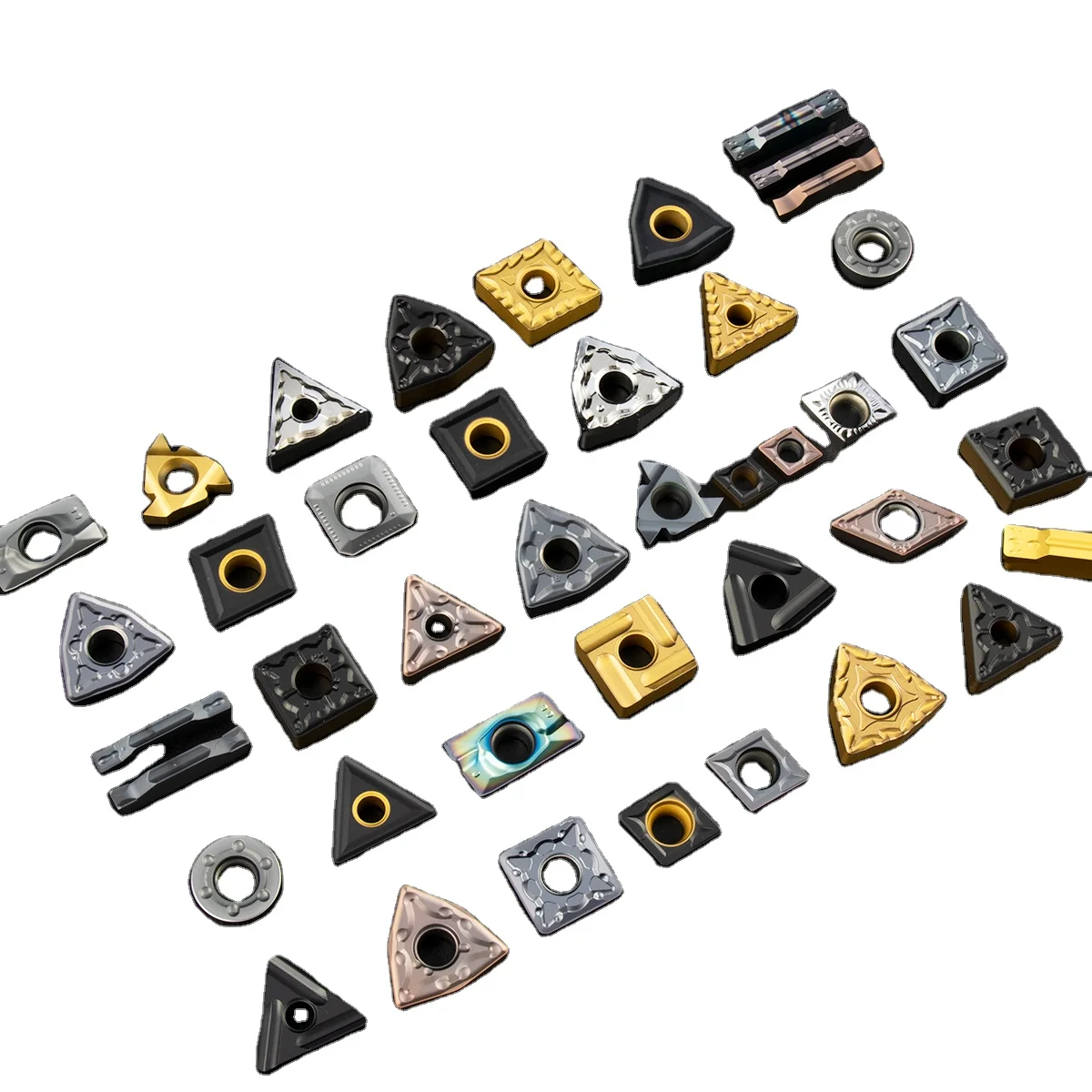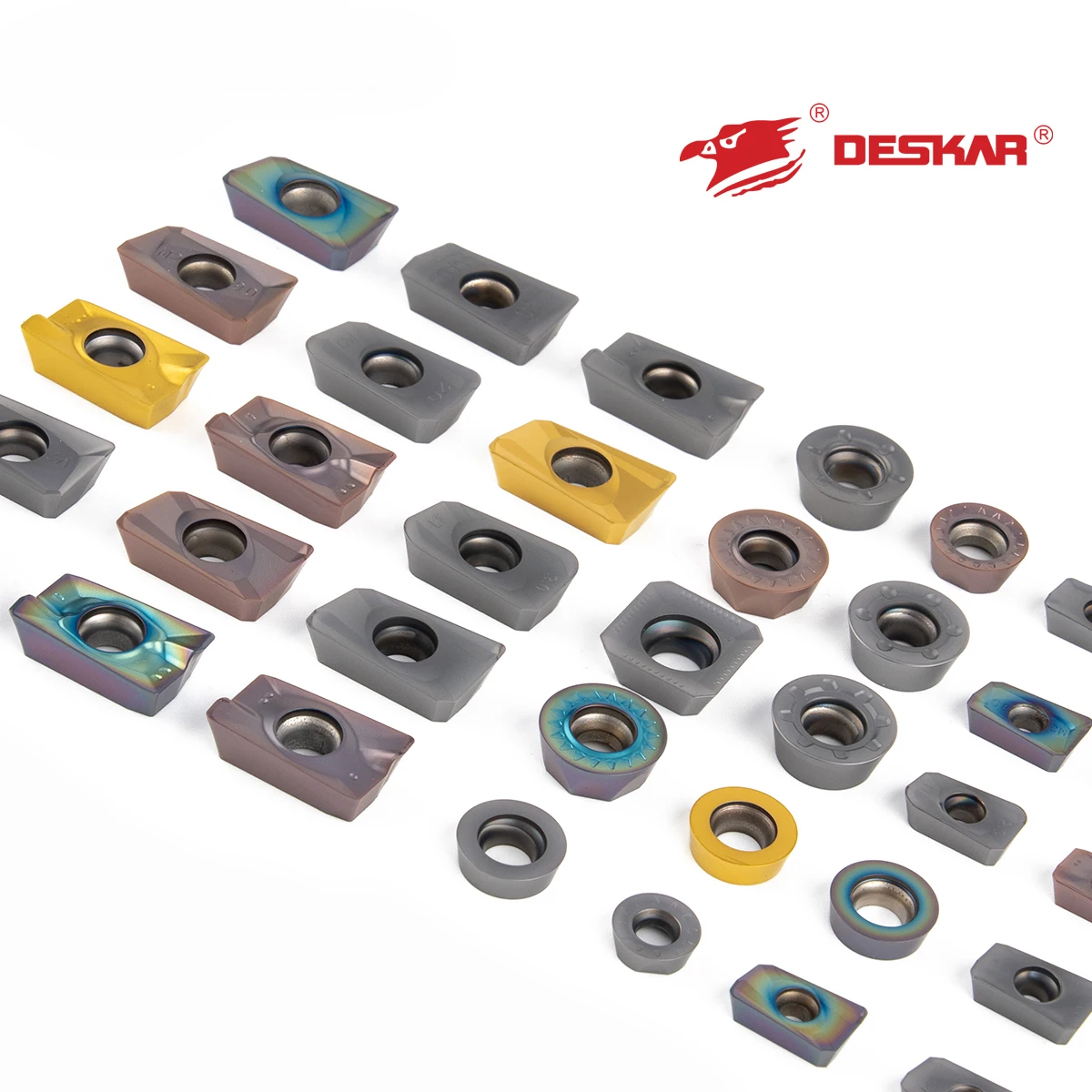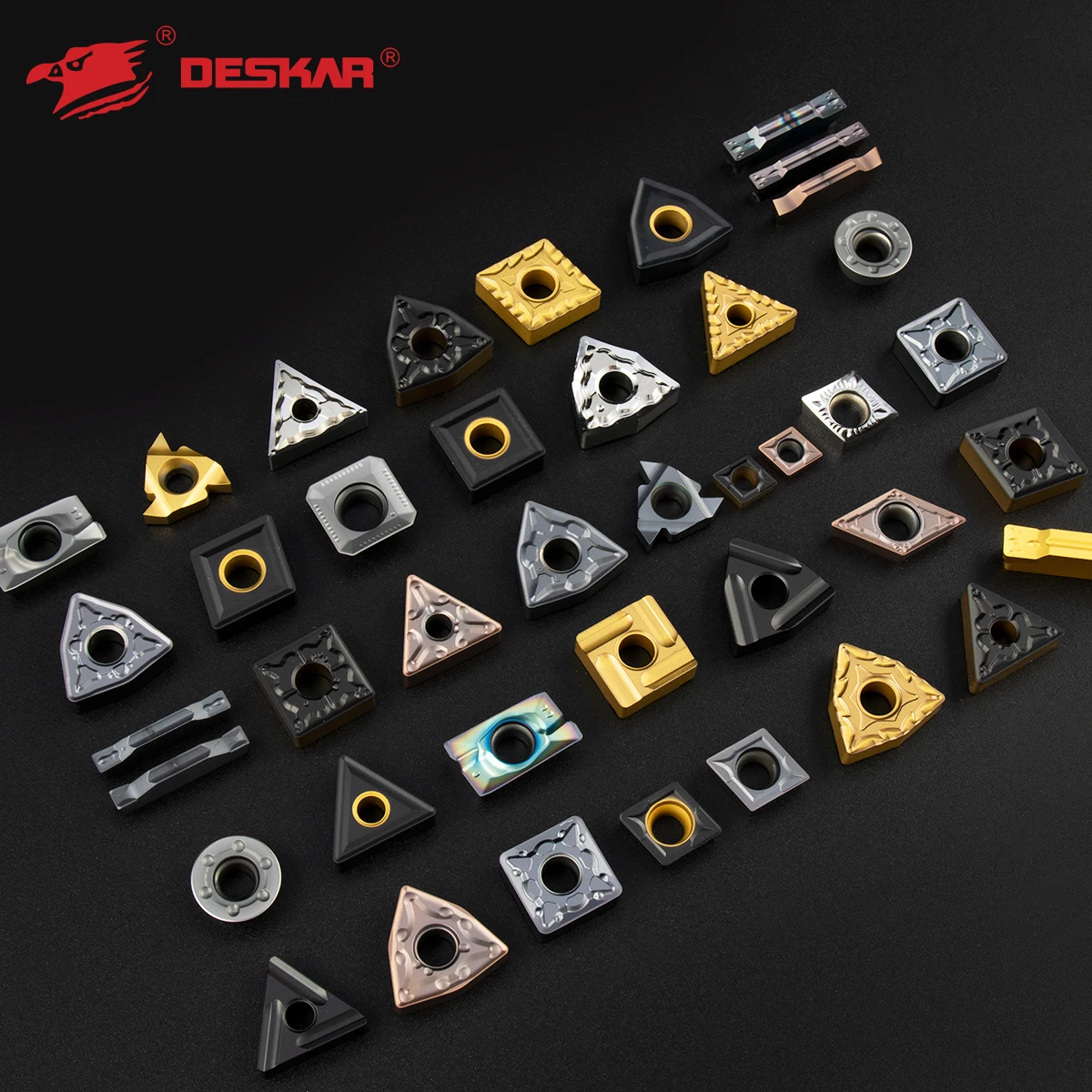
Metal inserts are essential components in various manufacturing processes, particularly in the production of high-precision tools for industries such as automotive and aerospace. These inserts enhance the performance of cutting tools by providing durability and better cutting efficiency. For wholesale buyers, understanding the specific applications and sourcing options for metal inserts is crucial. This article will guide you through the key aspects of metal inserts, helping you make informed purchasing decisions.
Metal inserts are utilized in numerous applications, primarily in cutting tools, molds, and other industrial equipment. Buyers should consider the specific needs of their operations when selecting metal inserts. Key factors include the types of materials being processed, the required precision, and the operational conditions, such as temperature and pressure.
In the automotive and aerospace sectors, for instance, metal insert nut often serve to improve tool life and reduce wear. They are commonly made from high-speed steel or carbide, which provides excellent wear resistance and cutting performance. Understanding the material properties and their implications on tool performance is essential for buyers looking to enhance productivity and reduce costs.
Additionally, customization of metal inserts can be advantageous, allowing buyers to tailor products to specific machining processes or materials. This can lead to improved cutting efficiency and longevity of the tools, making it a critical consideration during procurement.
Finding reliable suppliers for metal inserts involves evaluating several factors. Start by researching manufacturers with a strong reputation in the industry, such as LIFENG PRECISION TOOLS (ZHEJIANG) CO., LTD, which specializes in high-precision cutting tools and offers both standard and custom solutions.
When considering bulk purchases, assess suppliers based on their manufacturing capabilities, lead times, and minimum order quantities (MOQ). It is also beneficial to request product samples to evaluate quality before committing to larger orders. Key aspects to verify include the supplier’s production equipment, quality control processes, and previous customer feedback.
Networking within industry trade shows or professional associations can provide leads on reputable suppliers. Moreover, leveraging online platforms and industry directories can help identify potential candidates while allowing for comparisons of pricing and product offerings.
Distributors play a crucial role in the supply chain for metal inserts, and understanding the following factors can help streamline operations:
Product Specifications: Ensure that the specifications of the milling inserts align with customer needs. This includes dimensions, material type, and any specific coatings required for enhanced performance.
Quality Assurance: Implement stringent quality control processes to verify that all products meet the necessary standards. This may involve regular inspections and testing of samples from production batches.
Inventory Management: Maintain optimal inventory levels to meet customer demand without overstocking. This requires accurate forecasting based on market trends and customer needs.
Logistics and Packaging: Consider the packaging methods that best protect the inserts during transport while allowing for easy handling. Proper packaging not only preserves quality but can also enhance customer satisfaction.
By focusing on these key factors, distributors can better serve their customers and ensure the efficient delivery of metal inserts.
When purchasing metal inserts, buyers should be aware of several critical factors:
Material Selection: The choice of material impacts durability and performance. For high-stress applications, carbide inserts may be preferable due to their hardness and wear resistance, whereas high-speed steel is often suitable for less demanding conditions.
Custom Solutions: Many suppliers, including LIFENG, offer custom solutions tailored to specific applications. This can involve modifying the design or material to meet unique operational requirements.
Technical Parameters: Buyers should confirm specifications such as thickness, coating type (PVD/CVD), and tolerance levels to ensure compatibility with existing machinery and processes.
Lead Times and Pricing: Understand the factors influencing lead times and pricing, including the complexity of custom orders and the scale of purchase. Bulk orders may provide cost advantages but require careful planning to align with production schedules.
By considering these factors, buyers can make informed decisions that enhance their operational efficiency and cost-effectiveness.
In the aerospace and automotive industries, metal inserts play a vital role in ensuring the reliability and efficiency of manufacturing processes.
In aerospace, components must withstand extreme conditions, including high temperatures and pressures. Metal inserts, often made from advanced materials like titanium or specialized alloys, are used in engine components and structural parts to improve strength-to-weight ratios. The precision in manufacturing these inserts is paramount, as even minor deviations can lead to significant performance issues.
Similarly, in the automotive sector, metal inserts enhance the performance of cutting tools used in machining engine blocks, transmission housings, and other critical components. The durability and precision of nut inserts directly impact the quality of the final product, making it essential for manufacturers to choose high-quality options.
Moreover, the trend toward lightweight materials in automotive manufacturing leads to increased demand for specialized metal inserts that can maintain performance while reducing overall weight. This trend necessitates collaboration between manufacturers and suppliers to develop innovative solutions tailored to the evolving needs of the industry.
metal inserts are integral to the manufacturing processes in various industries, particularly aerospace and automotive. By understanding their applications, sourcing options, and key specifications, B2B buyers can make informed decisions that enhance their operational efficiency and product quality.