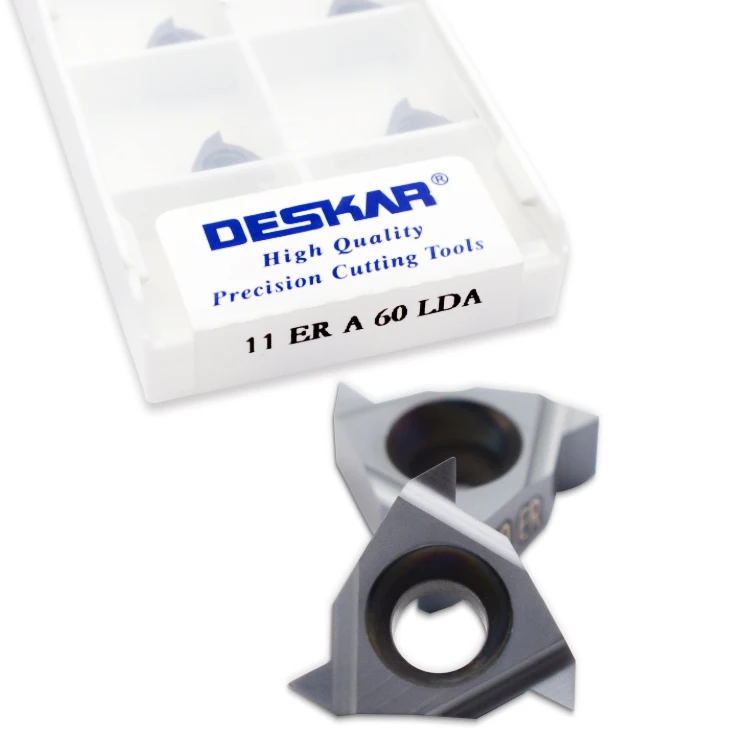
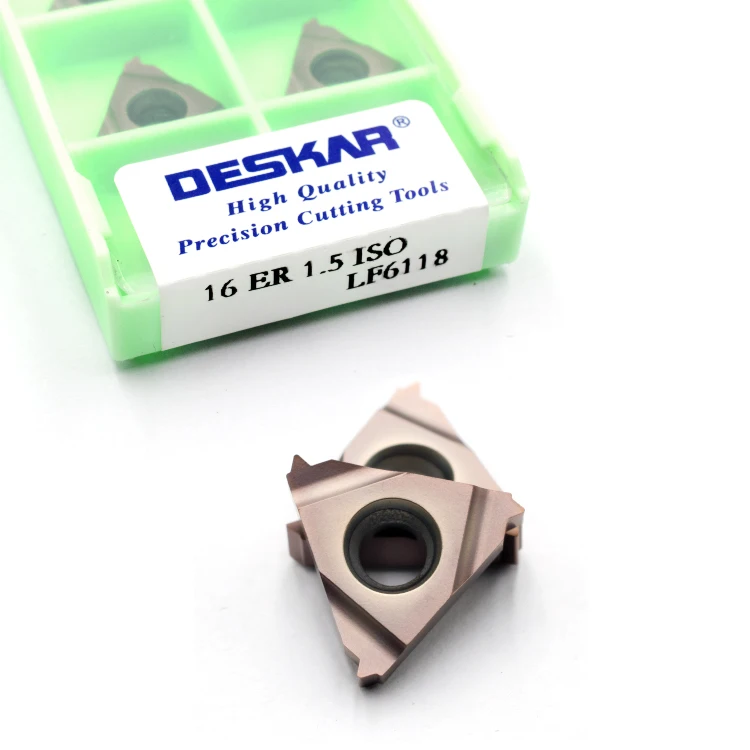
Carbide CNC inserts are essential cutting tools used in various manufacturing processes, particularly in turning and milling applications. For B2B buyers, sourcing the right carbide CNC inserts can raise significant concerns regarding durability, precision, and overall performance, especially in demanding industries such as automotive, aerospace, and mold-making. This article aims to provide practical insights into selecting, evaluating, and sourcing carbide CNC inserts, helping you make informed purchasing decisions that meet your operational needs.
When sourcing carbide CNC inserts, several critical factors should be considered to ensure they meet your specific manufacturing requirements. First, assess the material composition of the inserts. Carbide materials offer excellent hardness and wear resistance, making them ideal for high-speed machining applications. However, the specific grade of carbide can significantly affect performance, so it's essential to consult with your suppliers about the best options for your particular application.
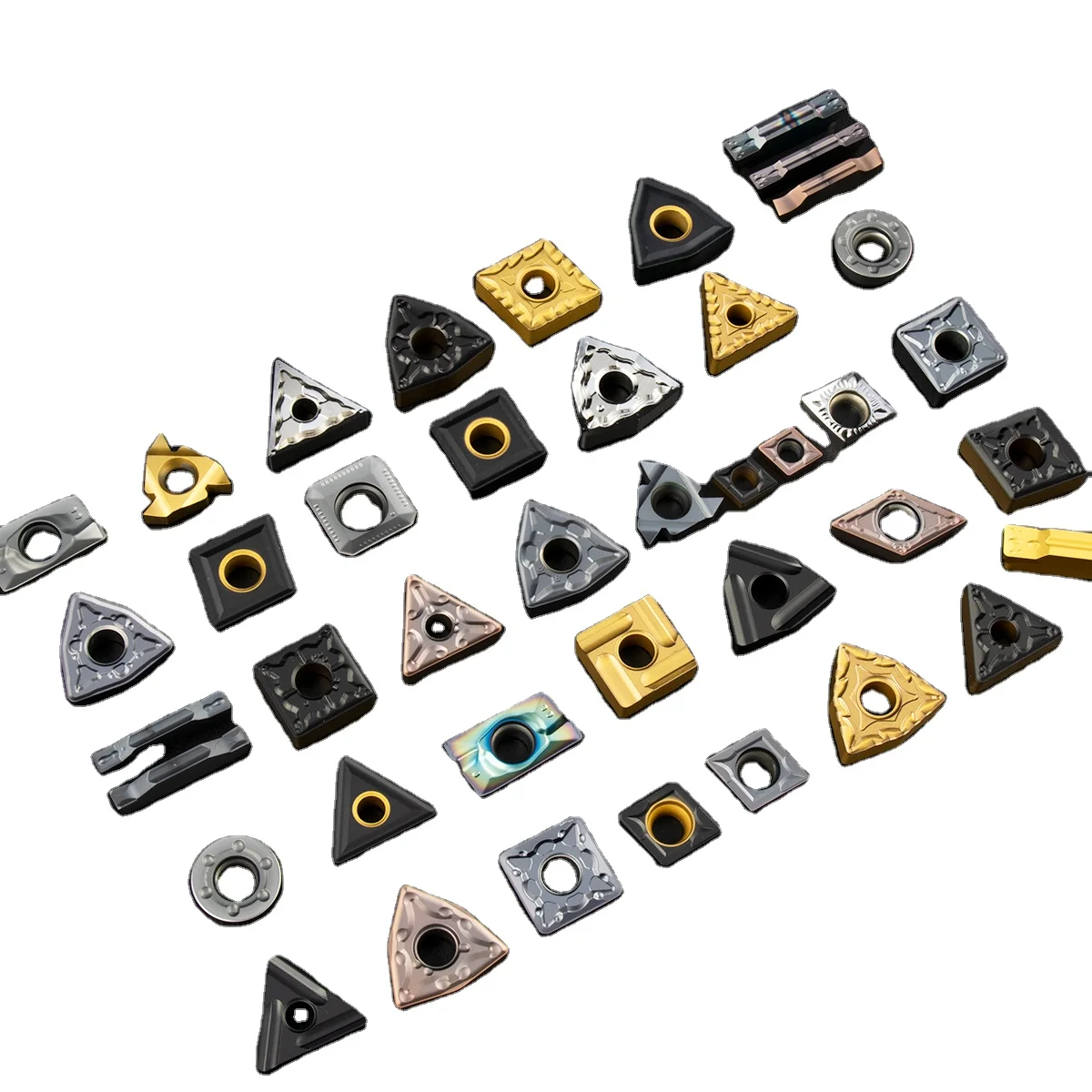
Next, consider the geometrical parameters of the inserts, such as the shape, size, and cutting edge design. These features impact the insert's cutting efficiency and suitability for various machining tasks. Additionally, inquire about the coatings applied to the inserts. PVD (Physical Vapor Deposition) and CVD (Chemical Vapor Deposition) coatings can enhance the inserts' performance by reducing friction and increasing tool life.
Lastly, evaluate the supplier's capabilities for customization. Depending on your production needs, you may require non-standard configurations or specific coatings, so it's essential to partner with a supplier that can accommodate these requests.
Evaluating the specifications of carbide CNC inserts is vital for ensuring they align with your production requirements. Key specifications include:
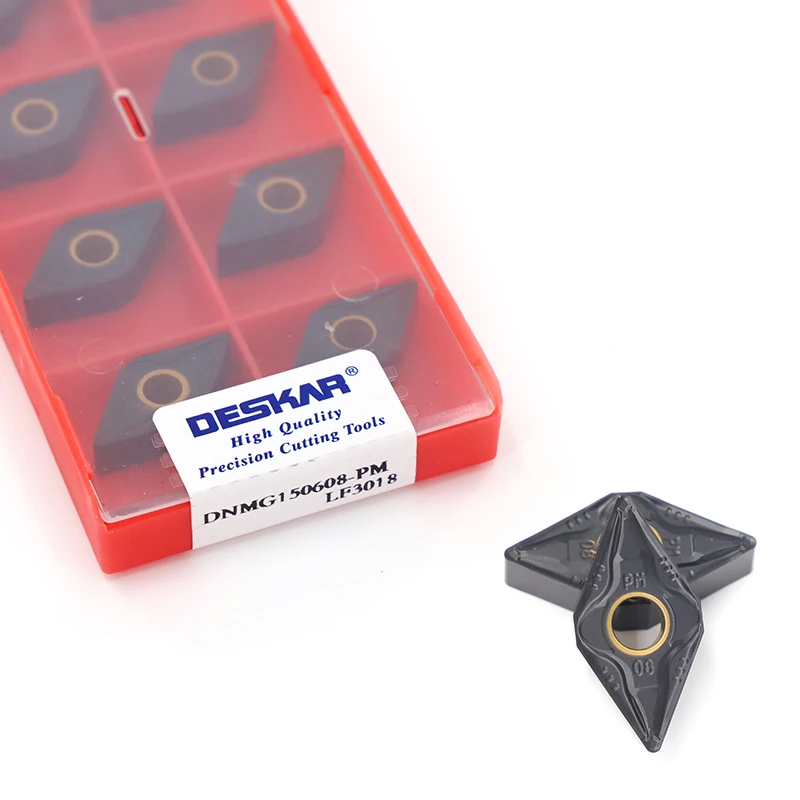
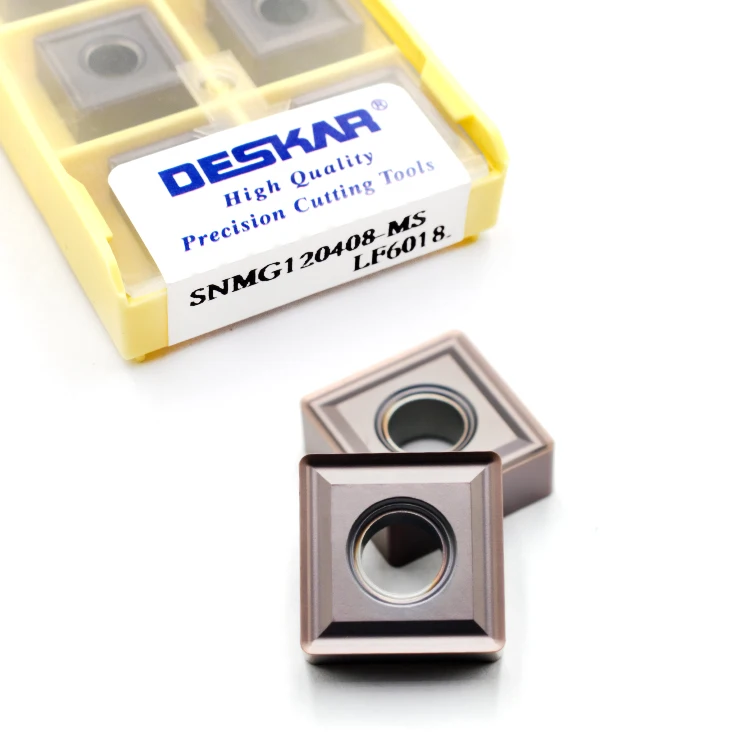
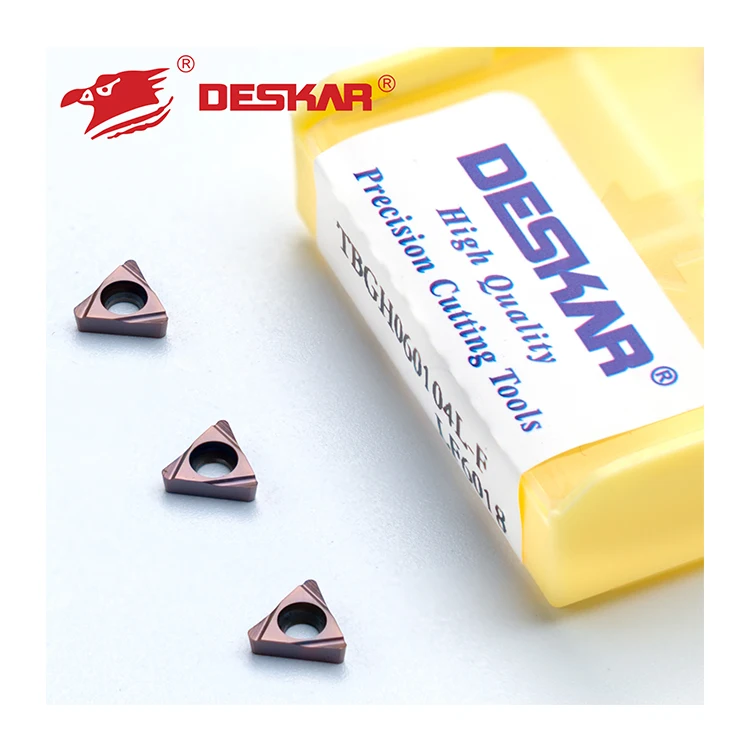
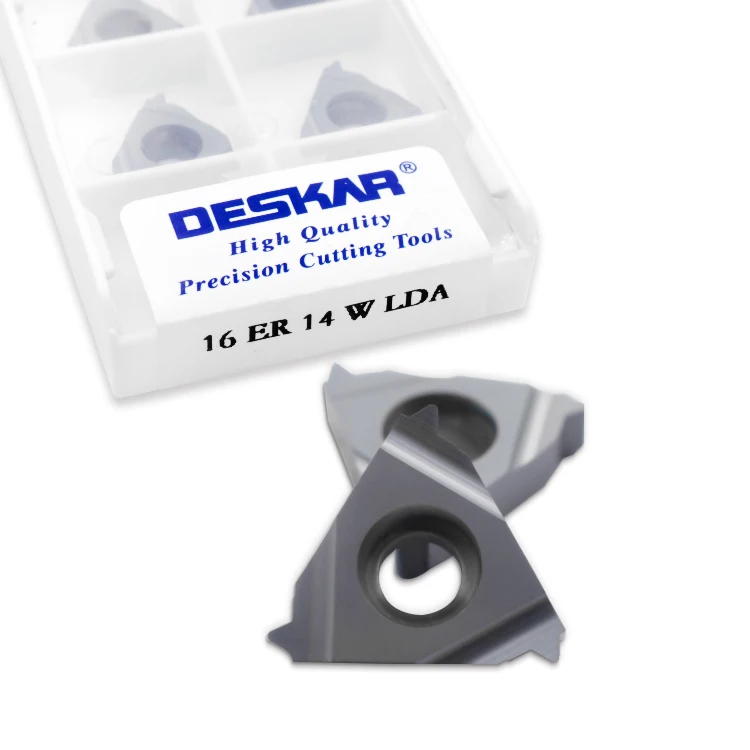
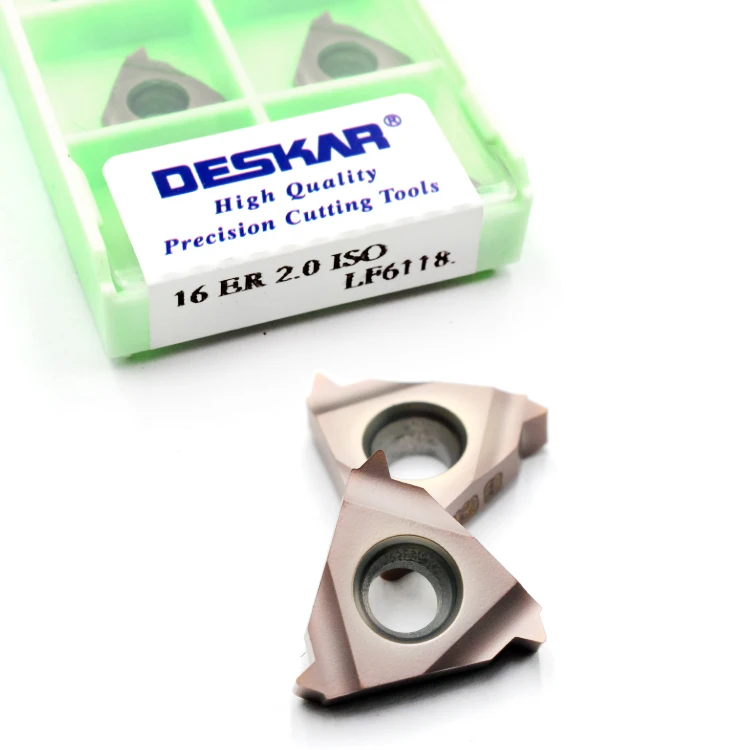
Insert Geometry: The shape of the insert affects how it interacts with the material being machined. Common geometries include square, round, and triangular shapes, each suited for different applications.
Cutting Edge Angle: The angle of the cutting edge influences how the insert penetrates the material. A sharper angle may be beneficial for softer materials, while a more robust angle is preferable for harder materials.
Coating Type: The choice of coating (PVD or CVD) can affect heat resistance and wear properties. Understanding the specific advantages of each coating type can guide your selection process.
Dimensions: Confirm the thickness, width, and height of the inserts to ensure compatibility with your CNC machinery. An incorrect fit could lead to inefficiencies and increased tooling costs.
Grade of Carbide: Different grades of carbide offer varying levels of hardness and toughness. Selecting the appropriate grade based on your machining conditions can significantly impact tool life and performance.
By thoroughly evaluating these specifications, you can select carbide scraper that will perform reliably in your manufacturing processes.
Finding reliable suppliers for bulk carbide CNC inserts involves several strategies. Start by researching manufacturers known for their expertise in producing high-precision cutting tools. Look for companies that have a strong reputation in the industry, and consider their experience in serving specific sectors such as automotive or aerospace.
Another effective approach is to attend industry trade shows and exhibitions. These events provide opportunities to meet suppliers in person, examine their products, and discuss your specific needs directly. Networking with industry peers can also yield valuable recommendations for reputable suppliers.
Additionally, online platforms and industry directories can help you identify potential suppliers. Look for companies that provide detailed product information, including specifications and customization options, as well as testimonials or case studies that demonstrate their experience and reliability.
Quality control is a crucial aspect of the manufacturing process for carbide CNC inserts. A robust quality assurance system ensures that each insert meets the necessary specifications and performance criteria.
Key components of quality control processes may include:
Incoming Material Inspection: Raw materials used for manufacturing inserts must be inspected for quality before production begins. This step helps prevent defects related to material inconsistencies.
Dimensional Checks: Throughout the manufacturing process, regular dimensional checks should be performed to ensure each insert conforms to the specified tolerances.
Performance Testing: Inserts should undergo performance testing under simulated conditions to evaluate their cutting effectiveness and durability. This testing can reveal potential issues before the inserts are released to the market.
Final Inspection: Before shipping, a final inspection should be conducted to verify that the inserts meet all quality standards. This may include visual inspections and functional tests.
By understanding the quality control processes of your supplier, you can ensure that the angle grinder blade you receive will meet your operational standards and reduce the risk of machining problems.
Carbide CNC inserts are favored in the manufacturing industry due to their superior material properties, which contribute to enhanced durability and precision. The primary advantages of carbide inserts include:
Hardness: Carbide is significantly harder than other tool materials, such as high-speed steel. This hardness allows carbide inserts to maintain sharp cutting edges longer, reducing the frequency of tool changes and associated downtime.
Wear Resistance: The wear resistance of carbide makes it ideal for high-volume machining applications where tools are subjected to significant stress. This capability helps maintain consistent cutting performance over extended periods, which is critical for productivity.
Heat Resistance: Carbide inserts can withstand higher temperatures without losing their hardness. This characteristic is especially beneficial in high-speed machining applications where heat generation is prevalent.
Versatility: Carbide inserts can be used across a wide range of materials, including metals, plastics, and composites. This versatility allows manufacturers to streamline their tooling inventory while maintaining high performance.
Understanding these material advantages can help you appreciate why carbide sawzall blade are a preferred choice, leading to better machining outcomes and overall efficiency in your manufacturing processes.