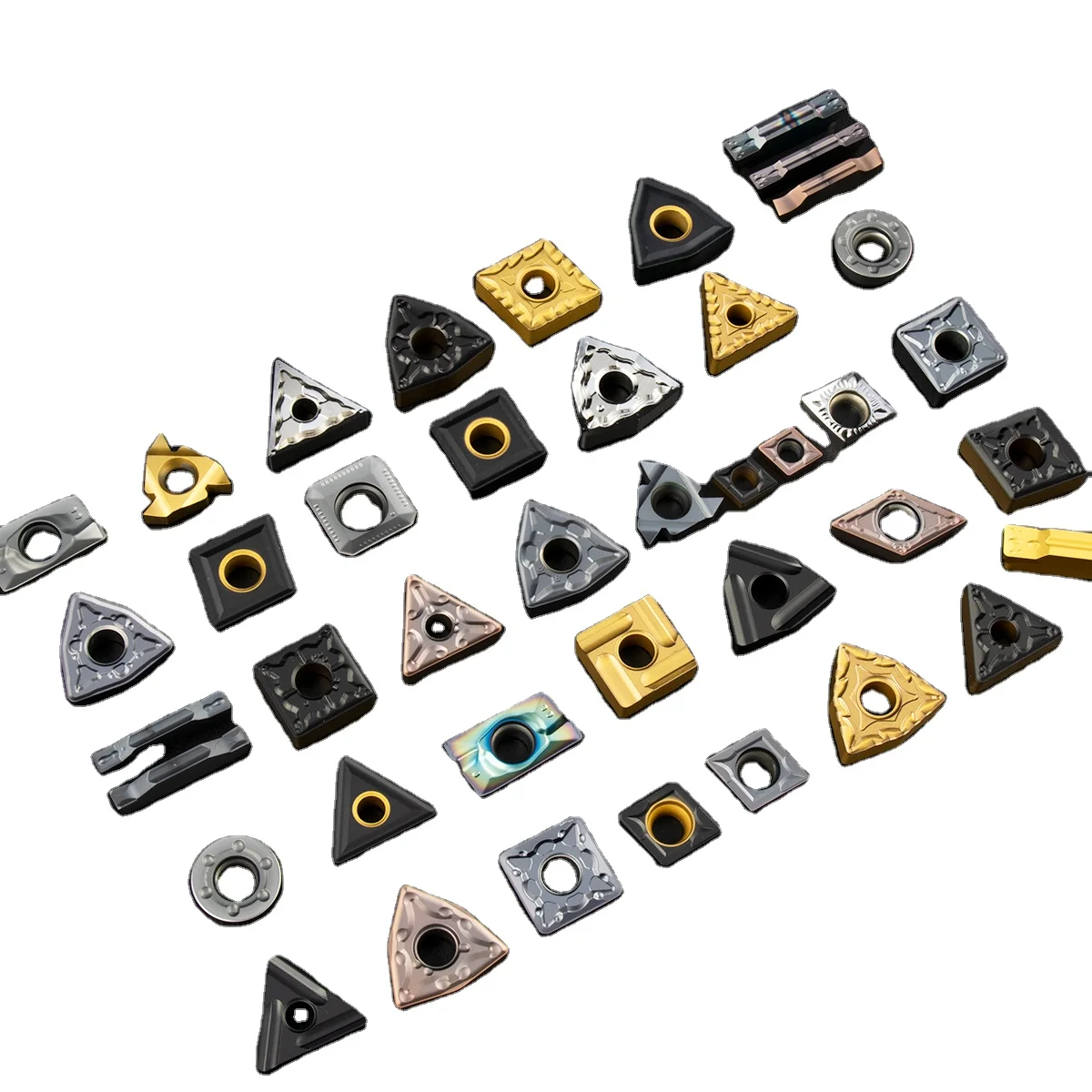
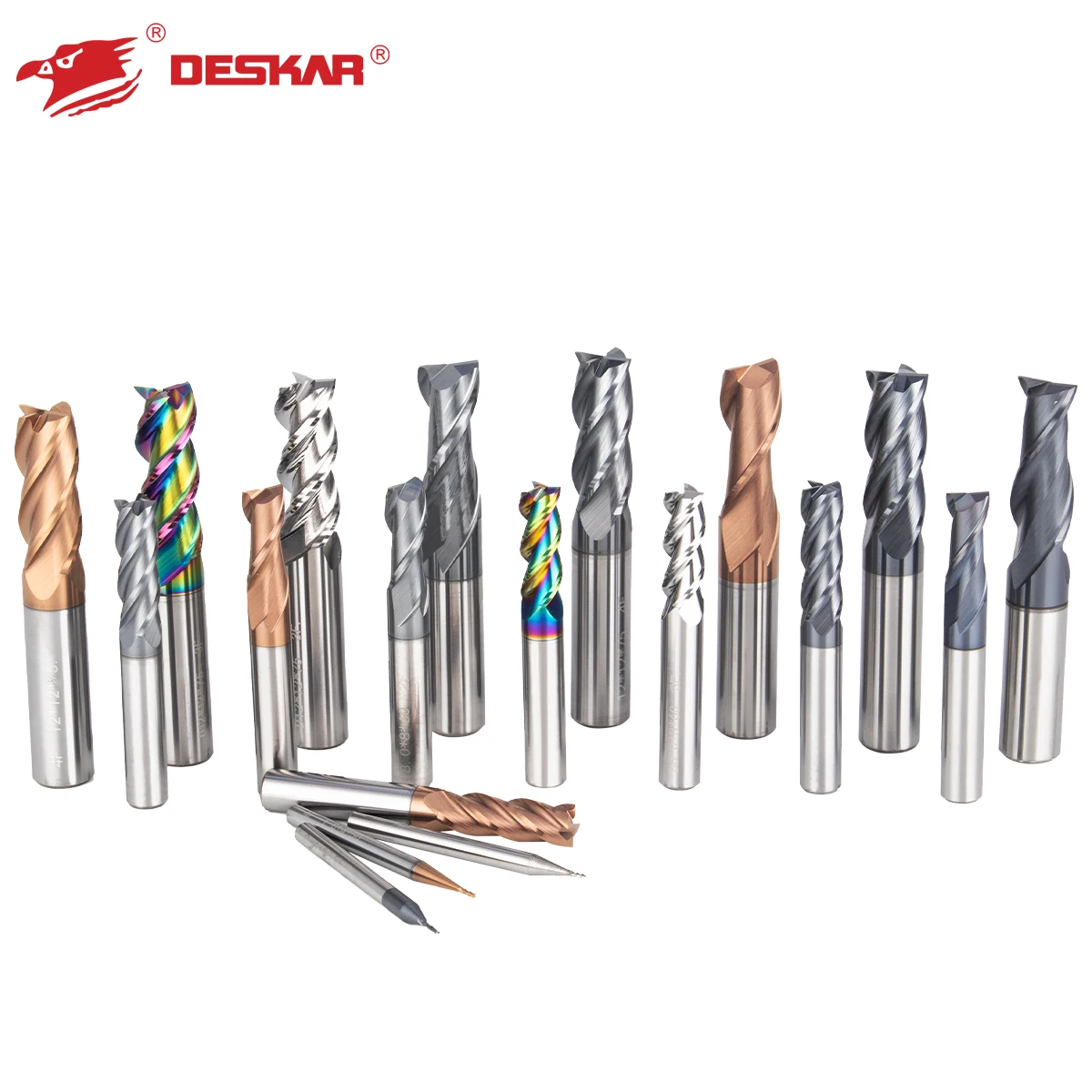
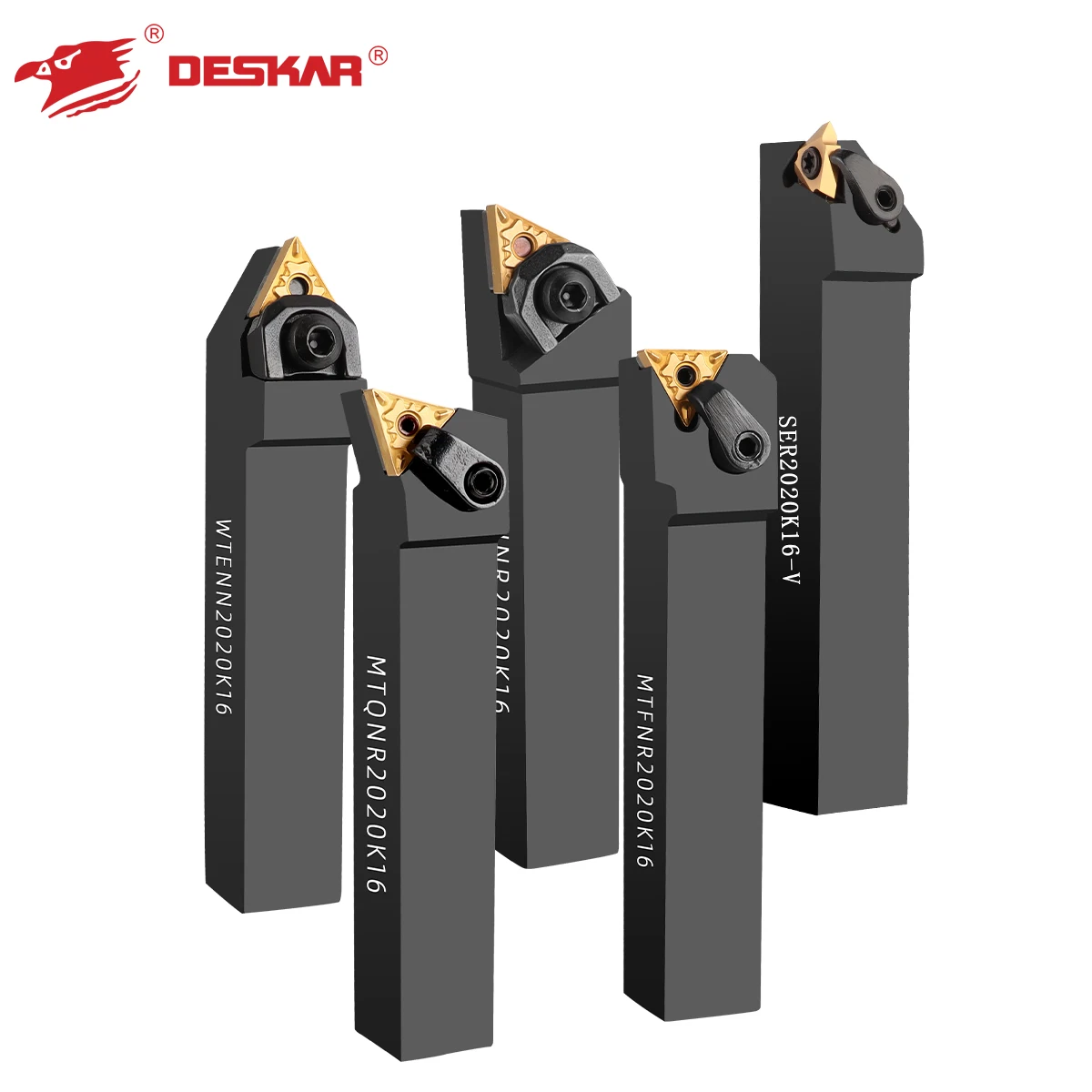
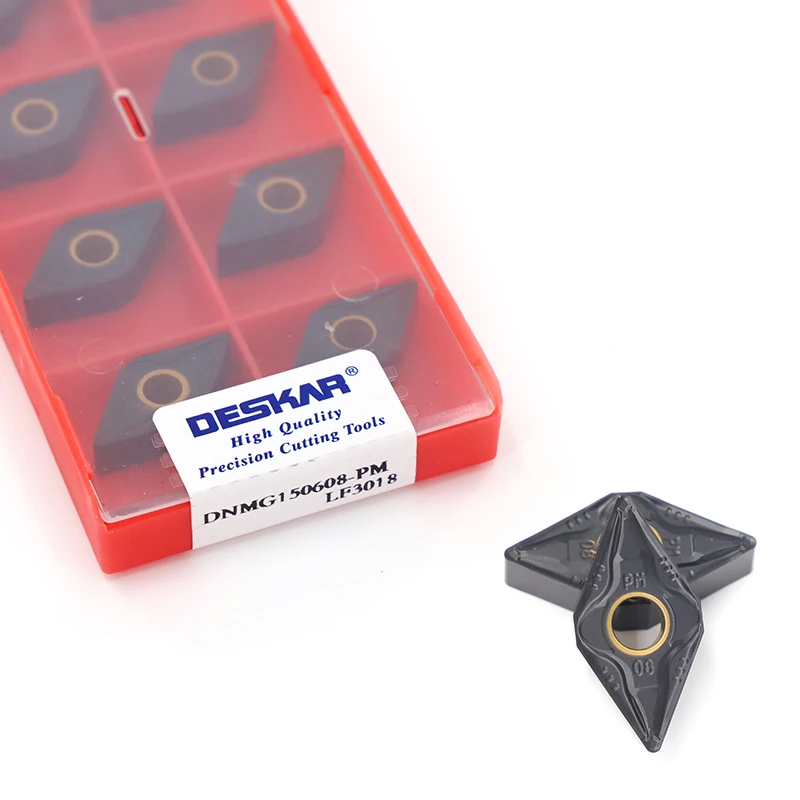
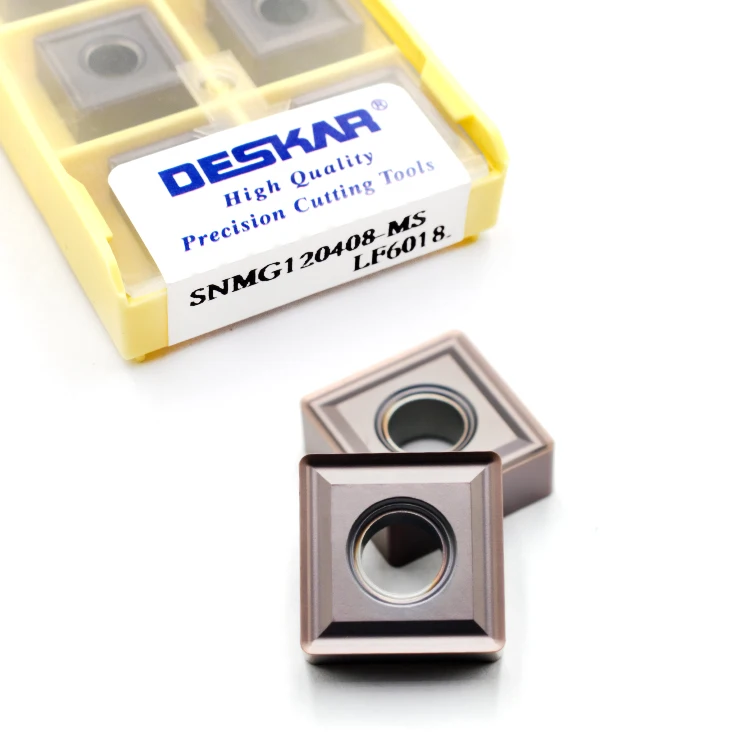
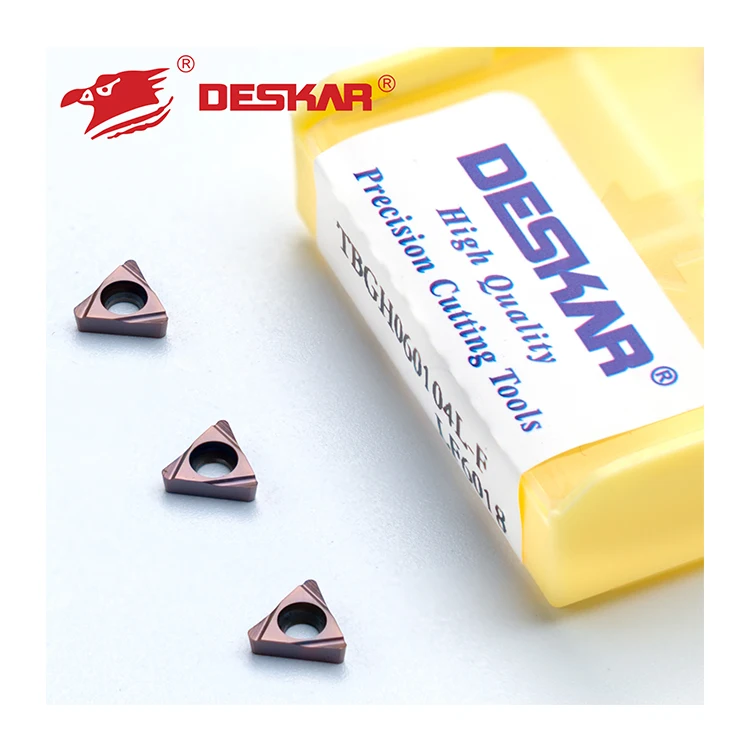
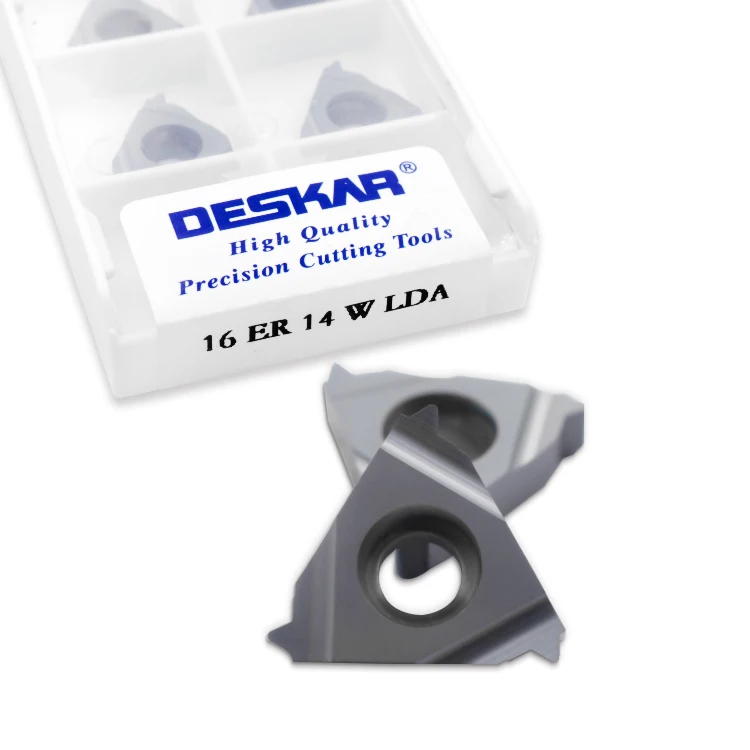
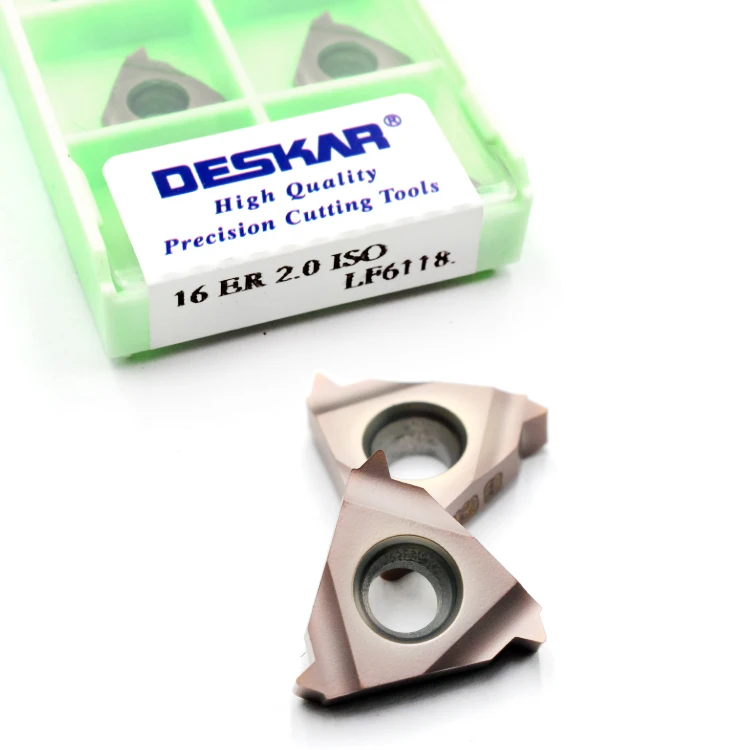
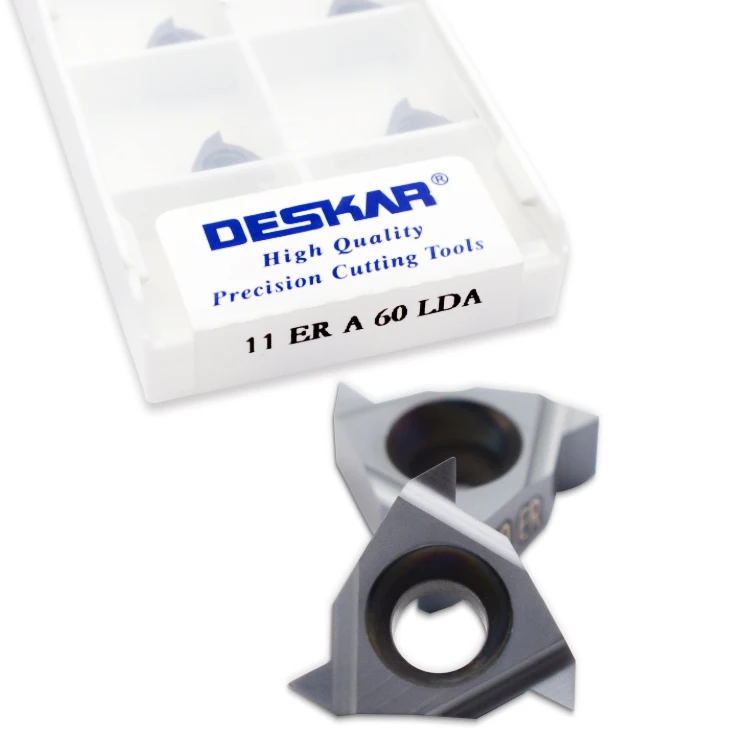
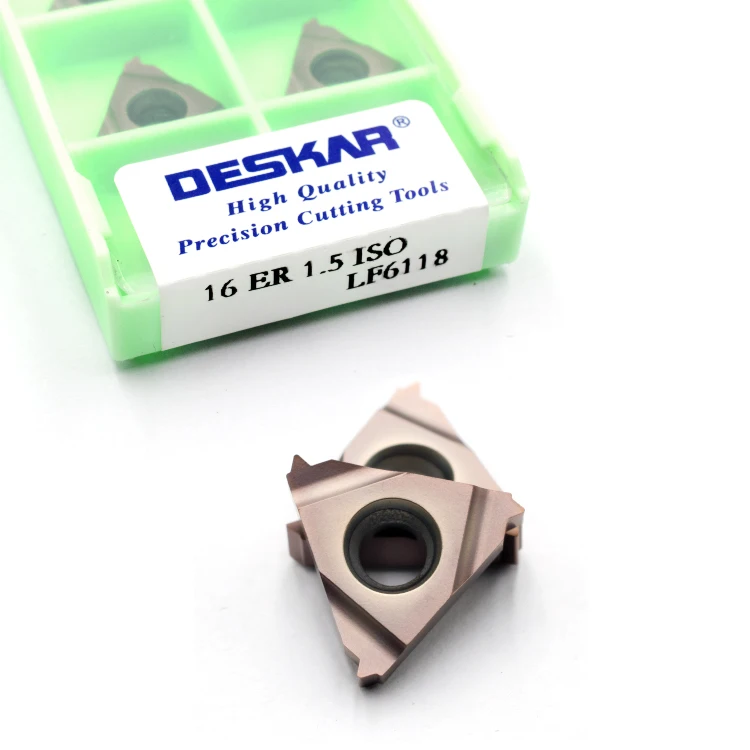
When selecting tools for precision machining, solid carbide cutting tools stand out for their durability and performance in various industrial applications. These tools are essential for achieving high-quality finishes in materials commonly used in the mold, automotive, and aerospace sectors. This article will guide you through the key considerations when choosing solid Carbide milling cutter, evaluating their quality for bulk orders, sourcing reliable suppliers, understanding cost factors, and addressing common issues that may arise during use.
Selecting the appropriate solid carbide cutting tools involves considering the specific needs of your project. Key factors include the type of material being machined, the cutting process (turning, milling, etc.), and the required precision levels.
Material Compatibility: Different carbide grades are suited for various materials. For instance, tools designed for machining aluminum may not perform well on harder metals like titanium or stainless steel. Understanding the material's hardness and machinability can help narrow down your options.
Tool Geometry: The design of the cutting edge significantly influences performance. Features such as the rake angle, clearance angle, and the number of flutes should be chosen based on the intended application. For example, a higher number of flutes can enhance the finish quality but may reduce the chip removal rate.
Coatings: PVD (Physical Vapor Deposition) and CVD (Chemical Vapor Deposition) coatings can extend tool life by reducing wear and heat buildup. Selecting the right coating can improve performance, especially in high-speed machining applications.
Customization: If standard tools do not meet your requirements, consider working with manufacturers like LIFENG PRECISION TOOLS (ZHEJIANG) CO., LTD to develop custom solutions tailored to your specific needs.
When purchasing solid carbide cutting tools in bulk, quality evaluation is crucial to ensure consistent performance across your production line. Here are several aspects to consider:
Manufacturing Standards: Verify if the supplier adheres to ISO or other relevant industry standards, which can serve as a baseline for quality assurance. This includes checking their quality control processes throughout the production cycle.
Material Integrity: The carbide material should be free from impurities and have uniform density. Conducting material tests can help assess the quality of the carbide used in the tools.
Precision Measurements: Ensure that the dimensions of the tools meet the specifications. Tools should be measured for tolerances, as even small deviations can affect performance.
Sample Testing: Before finalizing a bulk order, request samples to evaluate their performance under your specific machining conditions. This can help identify any issues related to tool life, surface finish, and compatibility with your machines.
Finding a reliable source for solid carbide cutting tools is vital for maintaining production efficiency. Here are effective strategies for sourcing:
Industry Networks: Leverage your network within the manufacturing and machining industries to gather recommendations for reputable suppliers. Engaging in trade shows and industry events can also provide valuable contacts.
Supplier Certifications: Look for manufacturers with certifications that demonstrate their commitment to quality and excellence in production, such as ISO 9001.
Supplier Reviews and Feedback: Research online reviews and ask for references from other businesses that have worked with the supplier. This can provide insights into their reliability, product quality, and customer service.
Local vs. International Suppliers: Evaluate the benefits of sourcing locally versus internationally. Local suppliers may offer quicker turnaround times, while international suppliers might provide more competitive pricing. Consider logistics and shipping times when making your decision.
The cost of solid carbide end mill tools can vary widely based on several factors:
Material Costs: High-quality carbide materials typically increase the price. However, investing in better materials can lead to lower long-term costs due to reduced wear and longer tool life.
Manufacturing Processes: Tools that require advanced manufacturing techniques, such as intricate geometries or specialized coatings, may carry higher costs. Understand the manufacturing processes involved to evaluate pricing accurately.
Order Volume: Bulk orders may yield discounts, but it’s essential to balance unit costs with quality assurance. Sometimes, lower prices may signify inferior quality, which can lead to higher costs down the line.
Customization: Tailored tools may come at a premium. When considering custom solutions, assess how the added cost aligns with your operational needs and potential productivity gains.
While solid carbide cutting tools are known for their durability, they can still encounter issues during operation. Here are some common problems and their solutions:
Tool Wear: Excessive wear can occur due to improper machining parameters or material incompatibility. Regularly monitor tool performance and adjust feed rates and speeds as necessary. Choosing the right coating can also mitigate wear.
Chipping and Breakage: Chipping often results from using tools beyond their specified limits or improper handling. Ensure tools are used within their designated parameters and educate staff on proper handling techniques to prevent damage.
Poor Surface Finish: If the machined surface finish is unsatisfactory, check the tool's geometry and ensure it is suitable for the material being machined. Additionally, verify that the cutting speed and feed rate are optimized for the operation.
Thermal Distortion: Excessive heat can lead to thermal distortion, affecting tool accuracy. Use appropriate coolant strategies to manage heat during machining, ensuring the tool remains within optimal temperature ranges.
By understanding these factors and solutions, purchasing managers and engineers can make informed decisions regarding solid carbide end mill cutter, ultimately enhancing productivity and product quality in their operations.