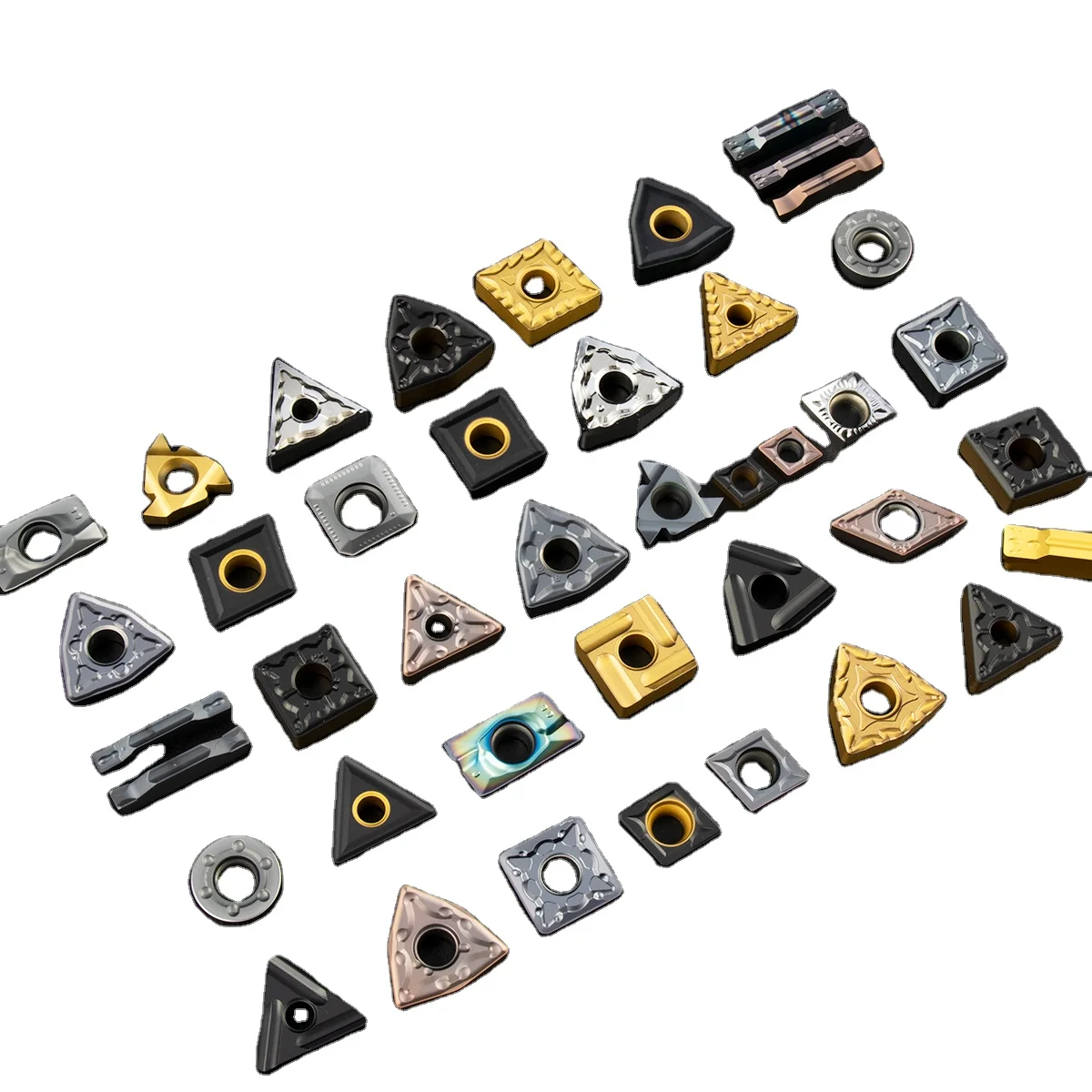
Lathe machine tools are essential equipment in the manufacturing sector, particularly for precision machining components in industries such as automotive, aerospace, and mold production. As a purchasing manager or engineer, selecting the right lathe machine tool involves careful consideration of various factors to meet your project specifications and performance needs. This article will guide you through the critical aspects of choosing lathe machine tools, addressing common problems and their solutions, and providing installation guidance for optimal performance.
Selecting the appropriate lathe machine tool begins with understanding your specific project requirements. Consider the following factors:
Type of Material: Different materials require distinct machining processes. For instance, machining aluminum may require different tooling than steel or titanium. Ensure that the lathe tools you choose can accommodate the material you plan to work with.
Precision Requirements: Determine the tolerances required for your application. High-precision lathe machine tools are necessary for aerospace components, while less stringent tolerances may suffice for certain automotive parts.
Size and Capacity: Assess the size of the components you will be machining. The lathe’s swing over bed and distance between centers should align with your workpiece dimensions.
Customization Needs: If your projects involve non-standard components or specific features, seek manufacturers that offer customization capabilities, like LIFENG PRECISION TOOLS, which specializes in high-precision standard and non-standard cutting tools.
Budget Constraints: Evaluate your budget, considering not just the initial purchase price but also long-term operating costs, including maintenance and tooling.
When assessing lathe machine tools, focus on the following key specifications:
Tooling System: Look for machines that support a variety of tooling options, including CNC blades and NC Arbors, which can enhance versatility and reduce setup time.
Drive System: The type of drive system (e. g., direct drive vs. belt drive) impacts efficiency and precision. Direct drive systems typically offer better torque and speed control.
Control System: Modern CNC lathes with advanced control systems provide enhanced capabilities for complex machining tasks. Ensure that the software is user-friendly and supports your programming needs.
Quality of Components: Check the quality and reputation of components, such as linear guides and ball screws, which significantly influence the lathe’s accuracy and longevity.
Surface Treatment: Consider lathe tools with PVD or CVD coatings, which enhance tool life and performance by reducing wear and improving chip flow.
Even the best lathe machine cutting tools can face challenges. Here are common problems and their solutions:
Vibration Issues: Excessive vibration can lead to poor surface finishes and tool wear. To mitigate this, ensure the machine is properly leveled and consider using vibration-damping mounts.
Tool Wear: Over time, tools can become dull, affecting machining quality. Regularly inspect and replace tools according to the manufacturer's recommendations to maintain optimal performance.
Inaccurate Machining: If parts are consistently out of tolerance, check the alignment of the machine and the condition of the tooling. Calibration and maintenance schedules should be adhered to strictly.
Chip Management: Poor chip removal can lead to tool damage and part defects. Implementing effective chip removal systems or using coolant can help manage chip flow during machining.
Proper installation is critical for the performance of lathe machine tools. Follow these guidelines:
Site Preparation: Ensure that the installation site is clean, well-lit, and has adequate space for operation and maintenance. The floor should be capable of supporting the machine’s weight.
Leveling the Machine: Use precision leveling tools to ensure the lathe is perfectly level. This prevents inaccuracies during operation and reduces wear on machine components.
Electrical Connections: Ensure that electrical installations comply with local regulations and are suitable for the machine’s power requirements. Improper connections can lead to operational failures.
Cooling and Lubrication Systems: Set up the necessary cooling and lubrication systems before starting the machine. This helps maintain optimal operating temperatures and reduces wear on components.
Lathe machine tools serve a wide range of applications across multiple industries:
Automotive: Used for producing precision components such as shafts, gears, and housings, lathe machines ensure parts meet stringent automotive standards.
Aerospace: In this industry, lathe tools are employed to manufacture components that require high precision and reliability, such as turbine blades and structural elements.
Mold Making: Lathe machines are essential in mold production, where precision and surface finish are critical for ensuring the quality of molded products.
General Manufacturing: Many industries utilize lathe tools for various machining operations, from prototyping to large-scale production runs.
By understanding these applications, buyers can better assess their requirements and ensure they choose the appropriate lathe machine tools for their specific industry needs.
Choosing the right CNC lathe tools involves a careful evaluation of your project requirements, machine capabilities, and potential challenges. By following the guidelines outlined, you can make informed decisions that enhance your manufacturing processes and product quality.