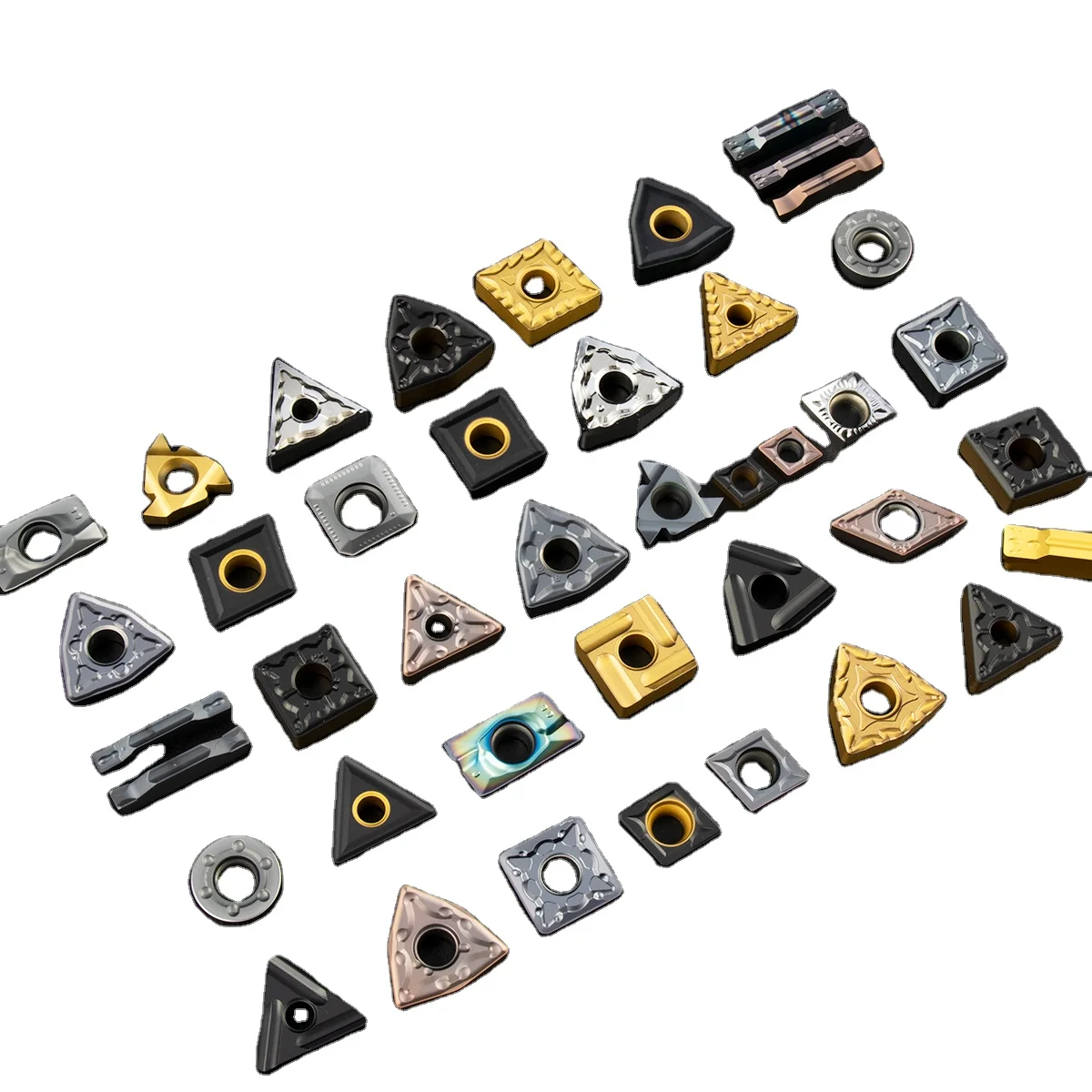
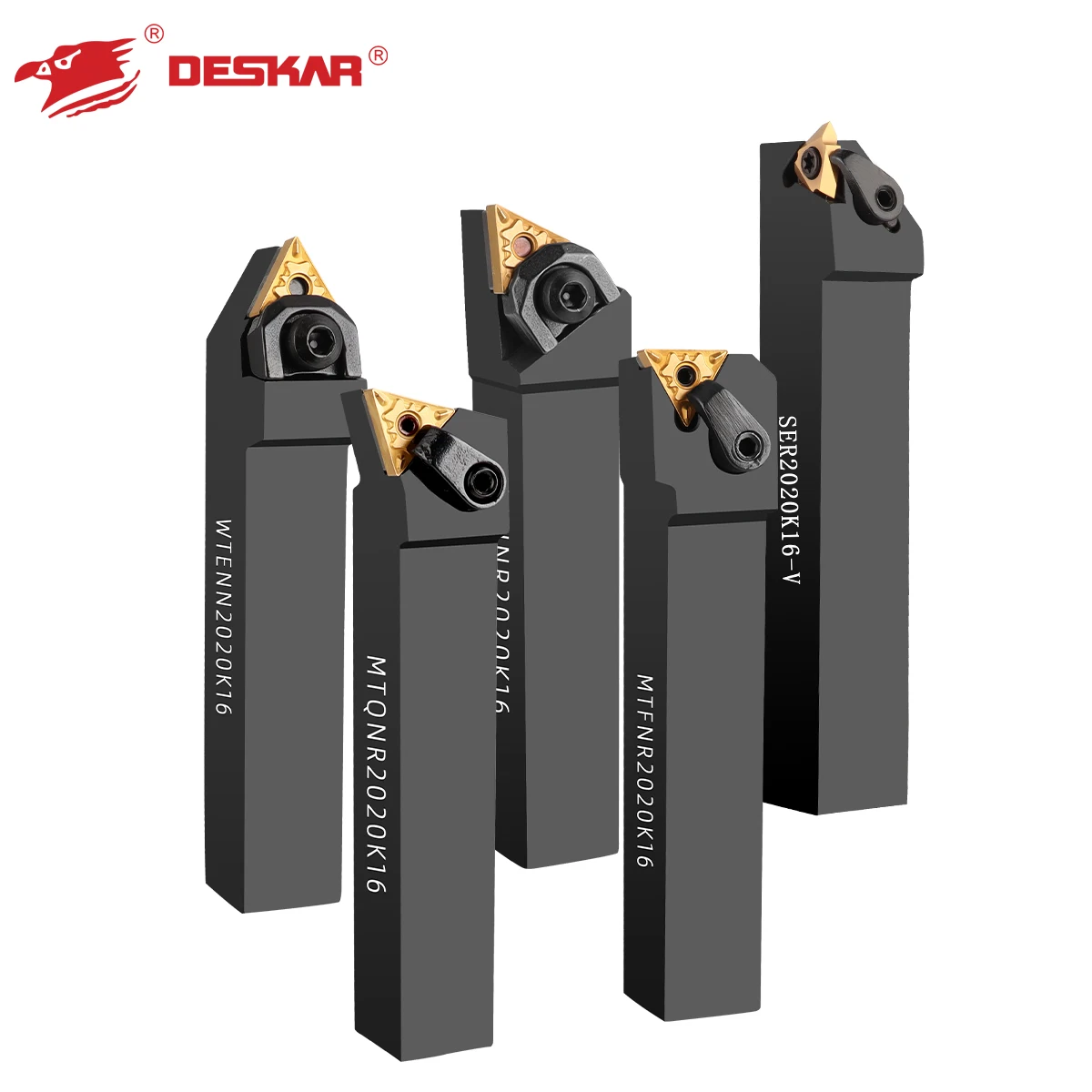
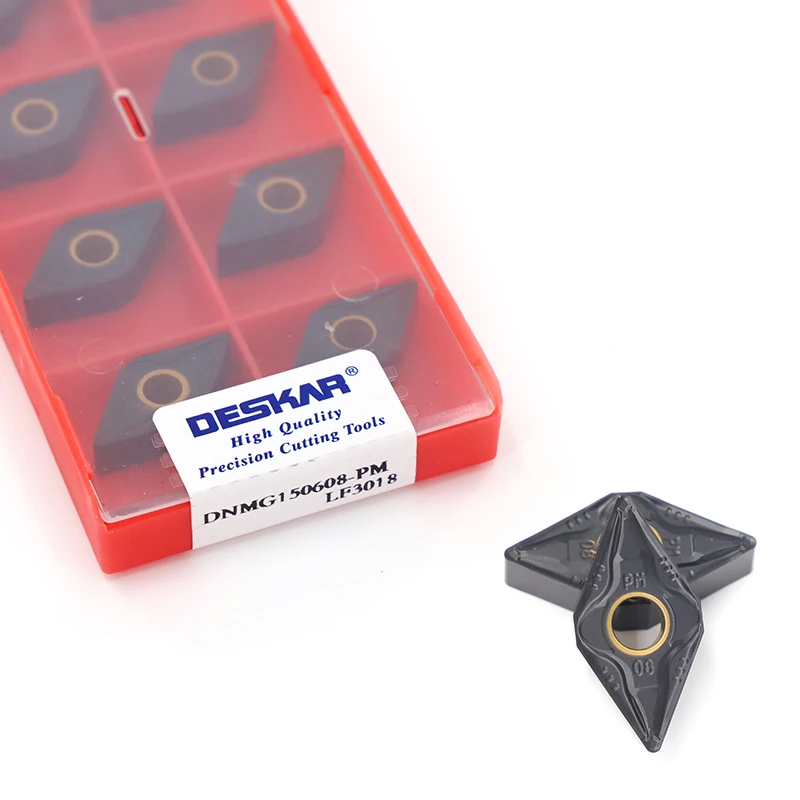
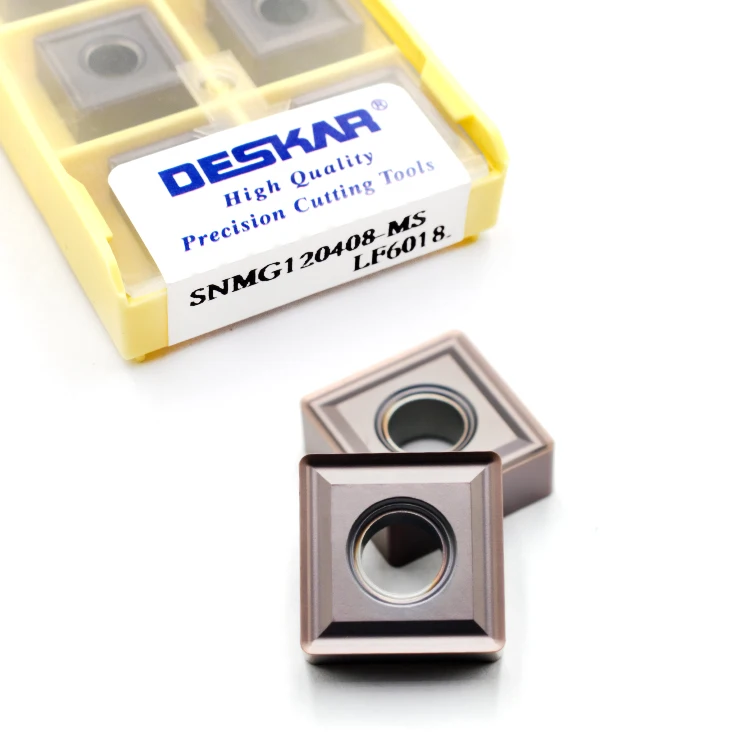
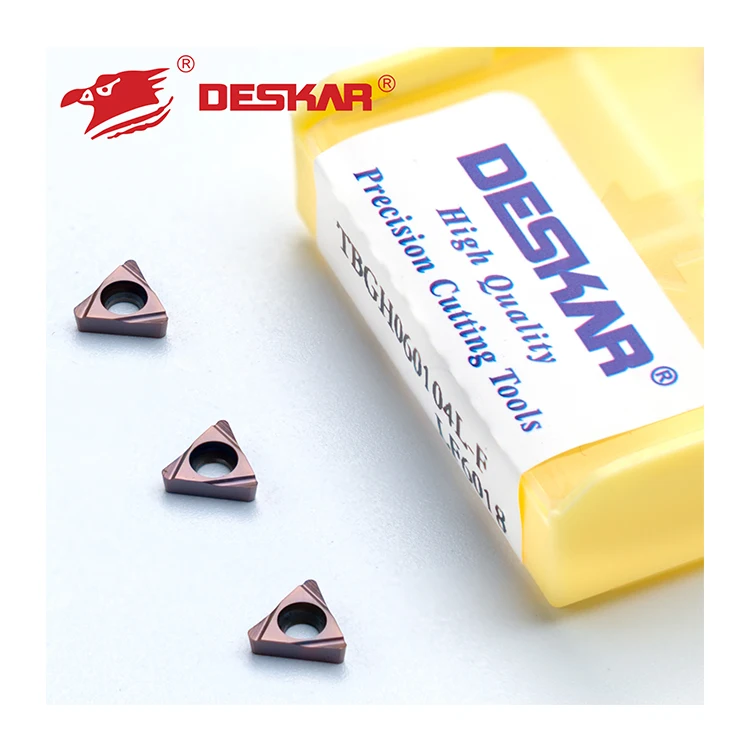
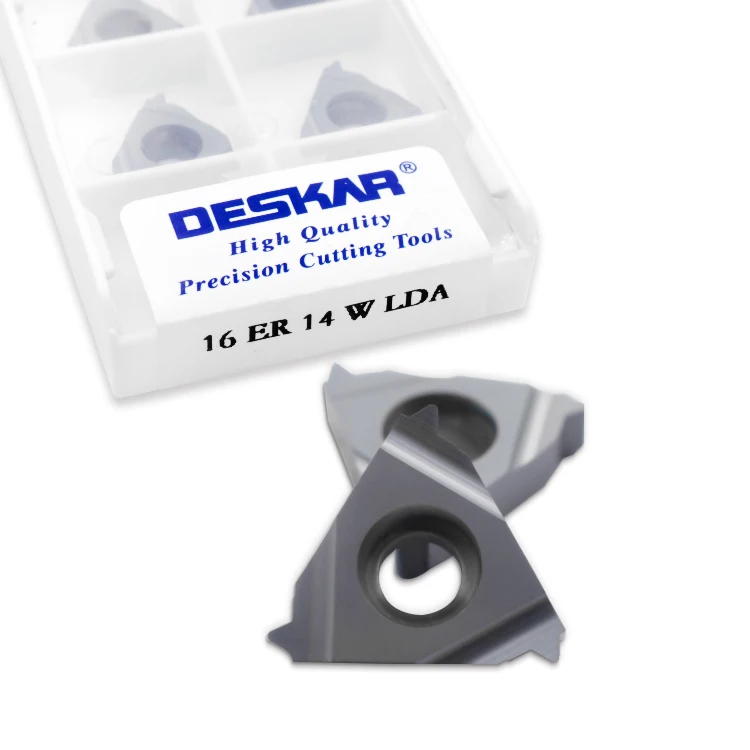
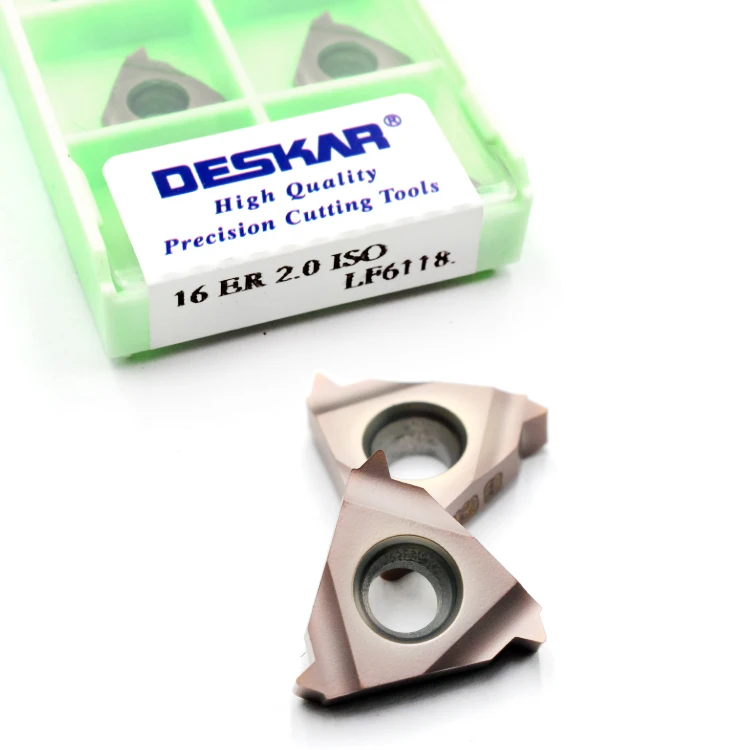
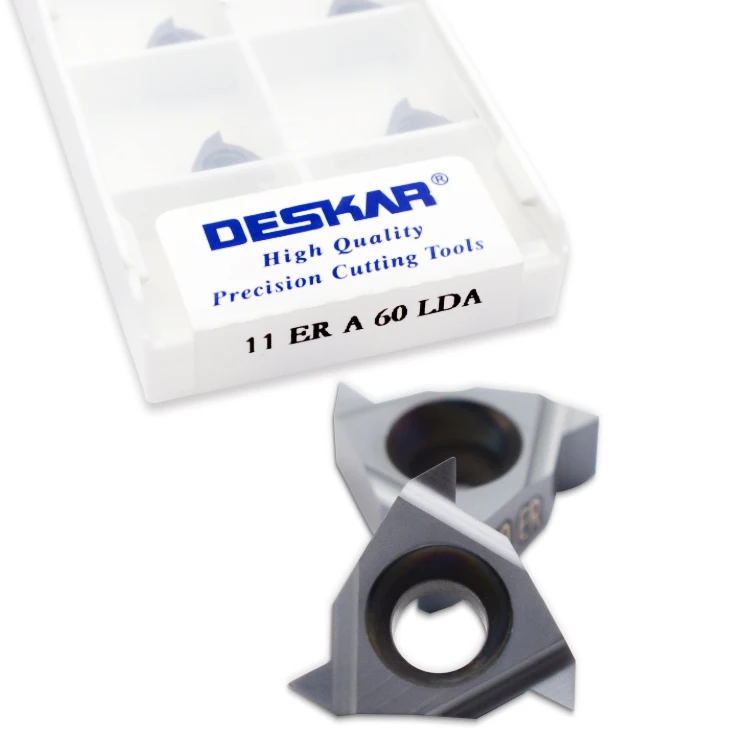
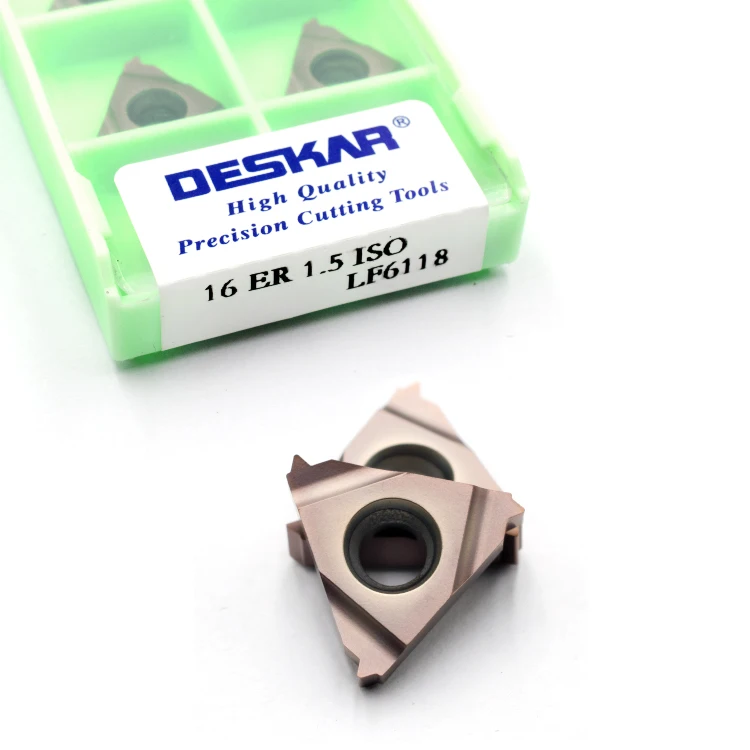
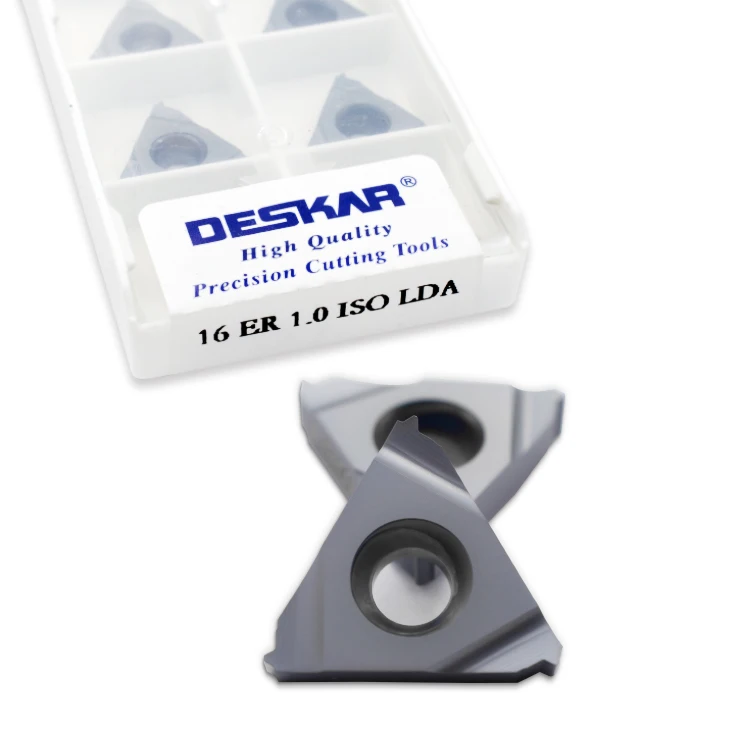
In the realm of precision manufacturing, selecting the right cutting tools can significantly impact productivity and product quality. At DESKAR, we specialize in providing high-precision standard and non-standard threaded bolt inserts, including indexable CNC blades and NC Arbors, tailored to the needs of the mold, automotive, and aerospace industries. This article will address common buyer concerns, such as specifications, installation guidelines, and industry applications, to help you make informed decisions when sourcing cutting tools for your operations.
When evaluating cutting tools, understanding the specifications is crucial. Standard cutting tools are typically mass-produced and adhere to widely accepted dimensions and shapes, making them readily available and often more cost-effective. They include common geometries that fit a variety of applications. However, they may not meet the unique requirements of specialized projects.
On the other hand, non-standard cutting tools are custom-designed to cater to specific manufacturing needs. This customization allows for precision in dimensions, materials, and coatings, enhancing performance in demanding applications. For instance, PVD (Physical Vapor Deposition) and CVD (Chemical Vapor Deposition) coatings can be applied to non-standard tools to improve wear resistance and extend tool life.
When selecting between standard and non-standard tools, consider factors such as the complexity of the machining operation, material compatibility, and expected production volumes. Custom tools may come with longer lead times and higher costs, but they can provide significant advantages in terms of performance and efficiency for specialized tasks.
Cutting tools can encounter various issues that may disrupt manufacturing processes. Common problems include premature wear, chipping, and breakage, often caused by improper tool selection, inadequate cooling, or incorrect machining parameters.
To mitigate these issues, first, ensure that the selected cutting tool matches the material and application requirements. For instance, using a tool designed for harder materials on softer substrates can lead to rapid wear. Regularly checking and adjusting machining parameters such as feed rate and cutting speed can also help maintain tool integrity.
Implementing proper cooling systems is essential to prolong tool life. Insufficient cooling can lead to overheating, causing thermal deformation and premature failure. Using high-quality lubricants and coolants tailored for specific materials can significantly enhance the performance and lifespan of cutting tools.
Proper installation of DESKAR high-precision CNC tools is crucial for achieving optimal performance and accuracy. First, ensure that the tool holder is clean and free of debris. Any contaminants can affect the tool's seating and lead to inaccuracies in machining.
Next, securely mount the tool in the spindle, following the manufacturer’s torque specifications. It's essential to ensure that the tool is correctly aligned to avoid vibration, which can lead to premature wear and reduced precision. A well-aligned tool will maintain its cutting edge and produce high-quality finishes.
Lastly, perform a test run at the threaded sleeve insert recommended parameters to verify tool performance before full-scale production. Monitor for any signs of vibration, noise, or irregular wear during initial runs, as these can indicate installation issues that need to be addressed.
Precision tools play a vital role in the auto and aerospace industries, where accuracy and reliability are paramount. In the automotive sector, cutting tools are used in various applications, including engine block machining, gear manufacturing, and chassis production. The demand for high-precision components and tighter tolerances necessitates the use of advanced cutting tools, such as those offered by LIFENG, which can be customized to meet these rigorous standards.
In aerospace, the stakes are even higher, with components needing to withstand extreme conditions. Cutting tools used in this sector must be made from durable materials, such as carbide or high-speed steel, and often require specific coatings to enhance performance under high temperatures and pressures. LIFENG’s expertise in developing tailored cutting solutions ensures that manufacturers can achieve the precision and reliability essential for aerospace applications.
When considering the purchase of threaded screw inserts, it is essential to provide comprehensive information to your supplier to receive the best options tailored to your needs. Key details to include in your request for quotation (RFQ) are:
Product Type: Specify whether you need standard or non-standard tools.
Technical Specifications: Include dimensions, materials, and any required coatings.
Application Details: Describe the intended use and materials being machined.
Quantity: Define the required order volume, as this can affect pricing and lead times.
Customization Needs: Mention any specific design or performance requirements.
Delivery Requirements: Specify your location and any deadlines for delivery.
It's also advisable to request samples before committing to larger orders. Testing samples under real operating conditions can reveal how well a tool performs, helping to confirm its suitability for your specific application. Evaluating the performance of samples can prevent costly mistakes and ensure that the selected tools meet your production standards.
By following these guidelines and leveraging the expertise of precision tool manufacturers like DESKAR, buyers can make informed decisions that enhance operational efficiency and product quality in their manufacturing processes.