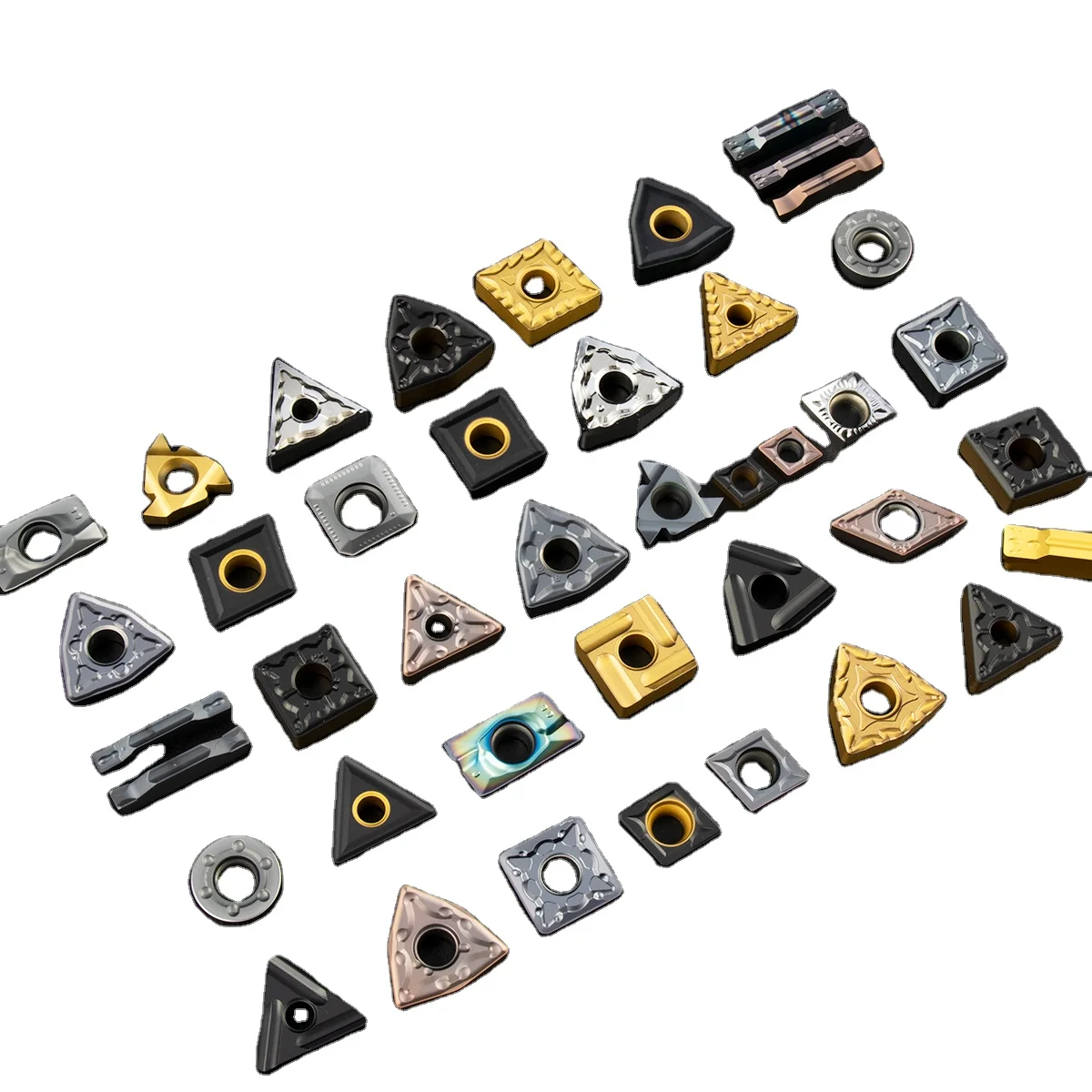
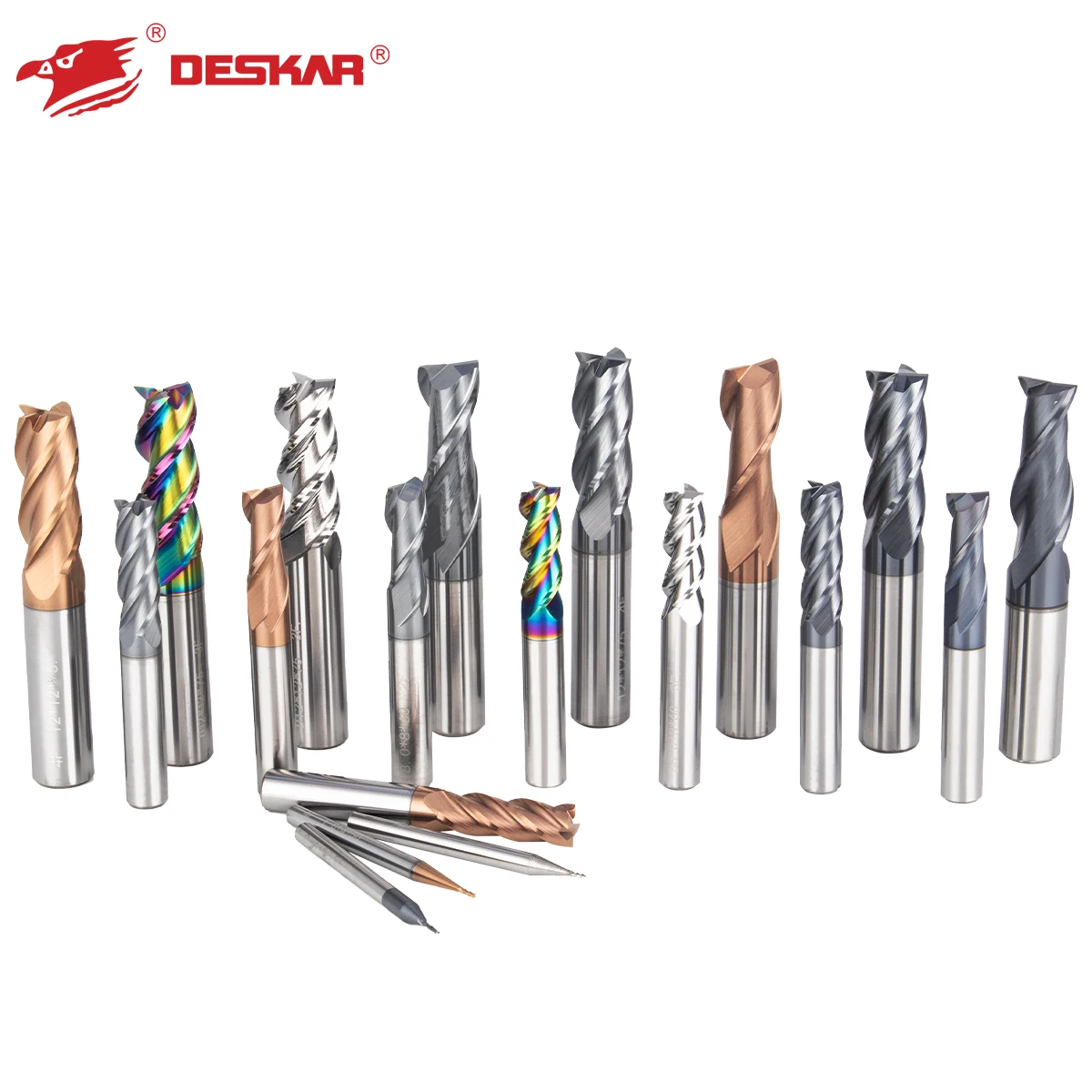
When sourcing tools for lathe operations, it's crucial to understand the diverse specifications and applications of these tools. DESKAR metal lathe tools are essential for shaping and finishing materials such as metal and plastic, making them vital for industries like automotive, aerospace, and mold manufacturing. This article will address key considerations buyers should keep in mind when selecting lathe tools, ensuring they make informed decisions that align with their operational needs and quality standards.
Selecting the right lathe tools involves several critical factors. First, consider the material compatibility with your specific machining operations. Different materials require different cutting edge geometries and coatings to ensure optimal performance and longevity.
Next, evaluate the tool's design and dimensions. Lathe tools come in various shapes and sizes, and the right choice should align with your machine specifications and the complexity of the workpiece.
It’s also vital to assess the tool's performance characteristics, such as cutting speed, feed rate, and chip removal efficiency. These factors can significantly impact productivity and the quality of the finished product.
Finally, consider the manufacturer's reputation and support. A provider like LIFENG PRECISION TOOLS (ZHEJIANG) CO., LTD can offer insights into custom solutions, helping to tailor tools to specific applications.
High-precision lathe tools are defined by several key specifications that affect their performance:
Material: Common options include high-speed steel (HSS), carbide, and ceramic. Each material offers different wear resistance and cutting capabilities. For instance, carbide tools are preferable for high-speed operations, while HSS is often used for general-purpose machining.
Coating: PVD (Physical Vapor Deposition) and CVD (Chemical Vapor Deposition) coatings enhance tool performance by reducing friction and increasing wear resistance. Selecting the appropriate coating can lead to longer tool life and improved surface finishes.
Dimensions and Tolerances: Precise dimensions are crucial for achieving accurate machining. Tolerance levels should be closely monitored to ensure that parts meet design specifications.
Geometry: The cutting edge geometry, including rake angles and clearance angles, plays a significant role in machining efficiency and surface finish quality. Buyers should choose geometries that align with their lathe cutting tools machining requirements.
Shank Size and Type: The shank must match the lathe's tool holder. Compatibility ensures stability during operation, reducing the risk of tool failure.
When assessing lathe tools, understanding the advantages of different materials is essential:
High-Speed Steel (HSS): HSS tools are durable and can withstand high temperatures without losing hardness. They are ideal for low-speed applications and offer good flexibility and toughness.
Carbide: Carbide tools provide superior hardness and wear resistance, making them suitable for high-speed applications. They are excellent for machining hard materials, but they are more brittle and may chip under excessive pressure.
Ceramic: Ceramic tools are used for specific applications where high wear resistance is required. They excel in high-speed machining but are less versatile than HSS or carbide.
Ultimately, the choice of material should align with the specific machining tasks, cutting conditions, and production volumes.
Lathe tools are utilized across various industries, each with unique requirements:
Automotive Industry: In automotive manufacturing, lathe tools are essential for producing engine components, shafts, and fittings. The precision and robustness of lathe tools ensure that parts meet stringent quality standards.
Aerospace Sector: Aerospace applications demand high-precision tools for crafting critical components like turbine blades and landing gear. Tools must withstand high stress and temperature variations, making material selection crucial.
Mold Manufacturing: In mold making, lathe tools are used for contouring and finishing molds. The precision and surface finish achieved with the right lathe tools directly impact the quality of the molded products.
Understanding these applications helps buyers identify the specific tool types and configurations needed for their projects, ensuring operational efficiency.
Choosing the appropriate lathe tool requires a systematic approach:
Define the Application: Outline the specific tasks the lathe tool will perform. This includes the type of materials being machined and the required tolerances.
Assess Compatibility: Ensure that the selected tools are compatible with your existing machinery. Verify shank sizes, tool holder types, and any special requirements dictated by your lathe model.
Request Samples or Demonstrations: Before committing to a large order, request samples or demonstrations. This allows for a practical evaluation of tool performance in real-world conditions.
Evaluate Customization Needs: If standard tools do not meet your requirements, consider a manufacturer that offers customization options. LIFENG PRECISION TOOLS (ZHEJIANG) CO., LTD specializes in tailor-made lathe tools solutions, which can enhance tool effectiveness for specific applications.
Review Quality Control Processes: Assess the manufacturer’s quality control measures. Tools should undergo rigorous testing to ensure they meet industry standards and performance expectations.
By following these steps, buyers can ensure they select the right lathe tools that align with their operational needs and quality requirements.