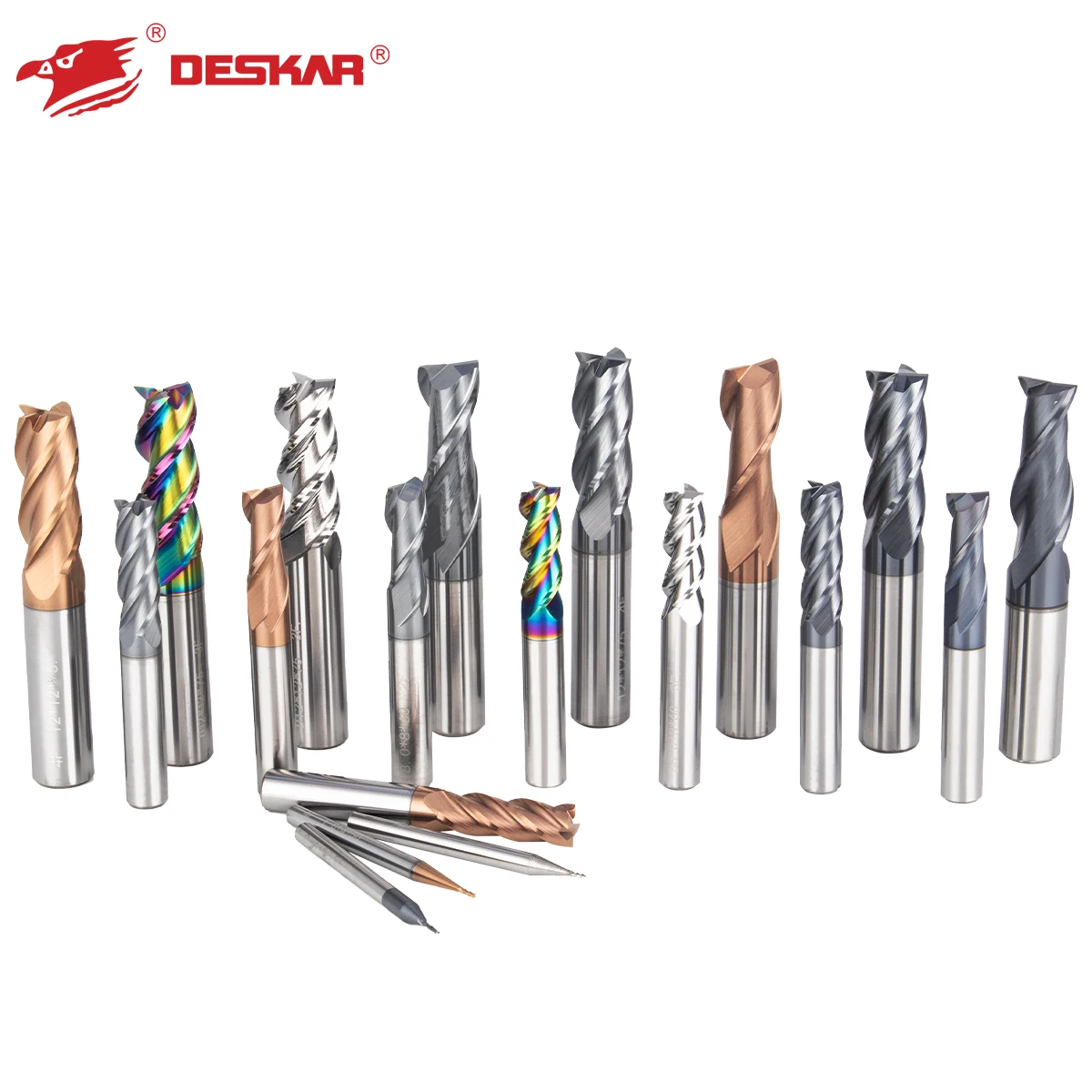
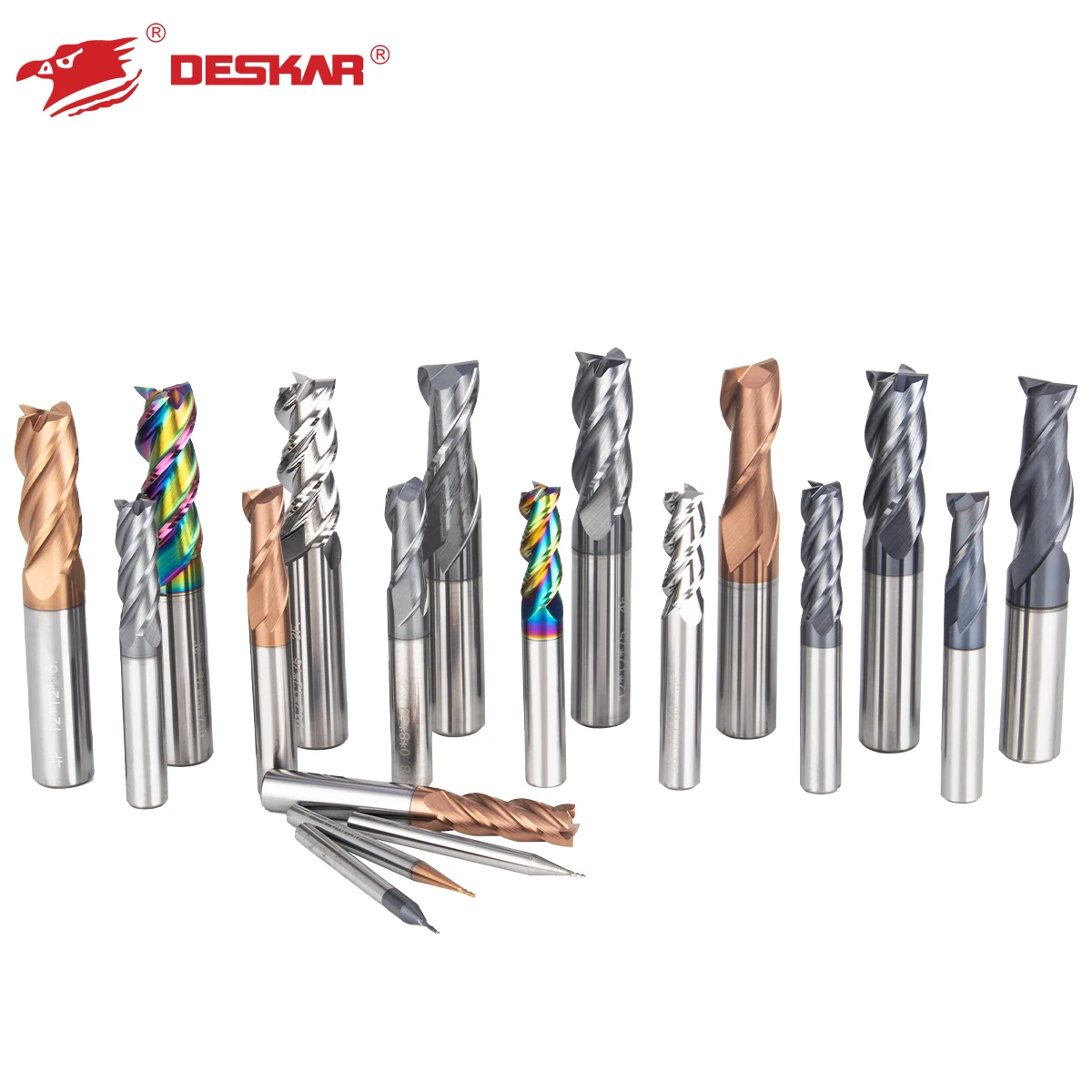
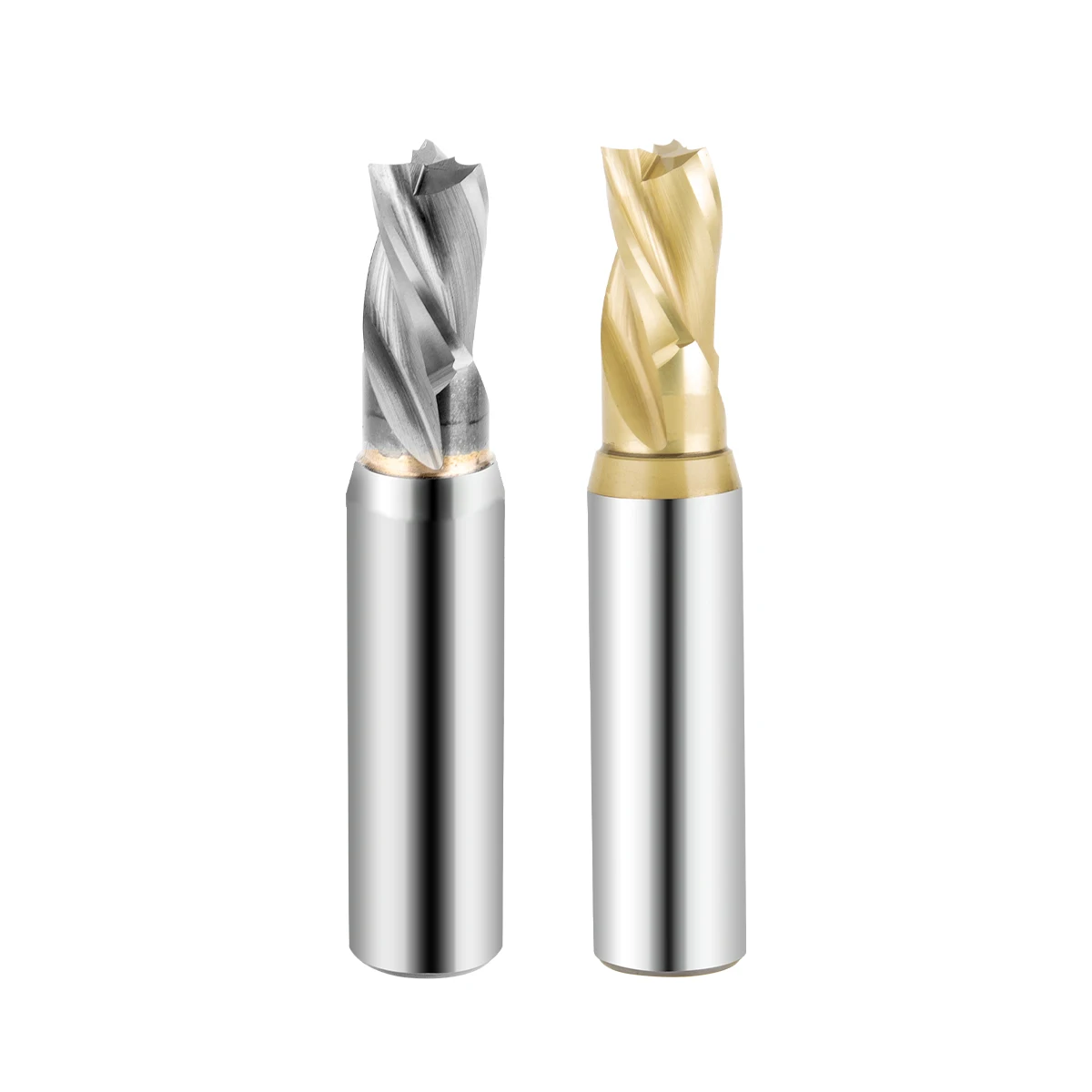
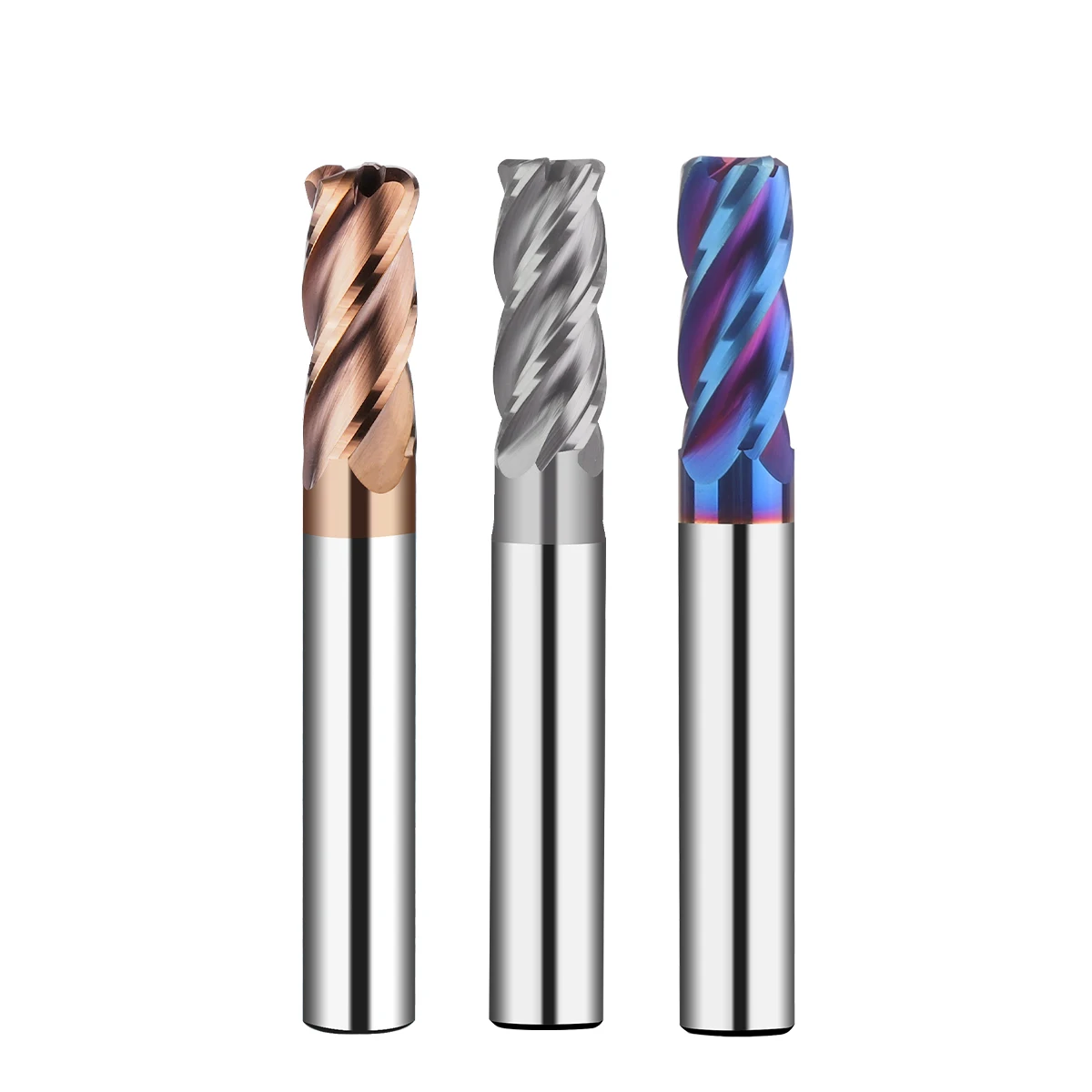
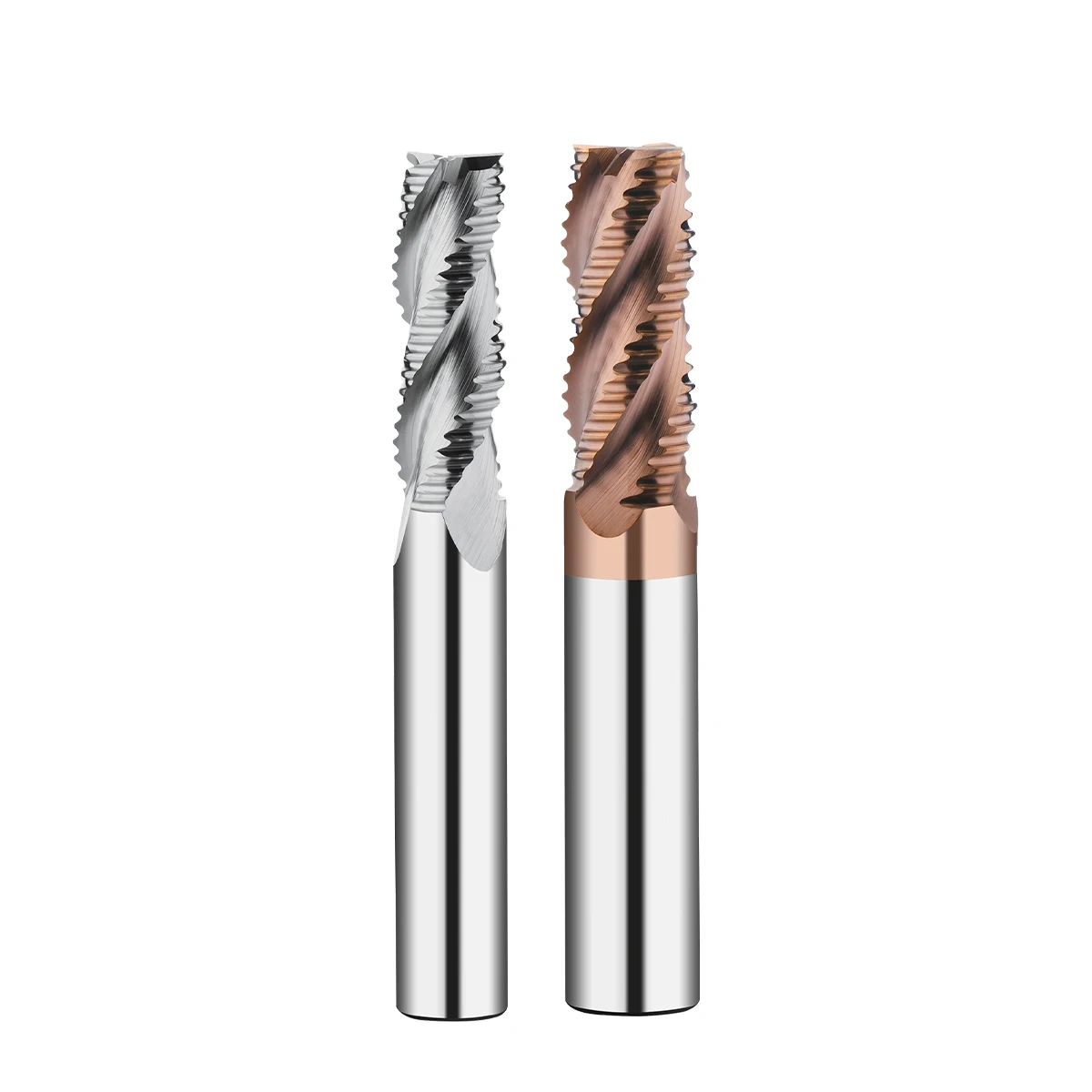
Corner radius end mills are specialized cutting tools used in milling operations to create rounded corners on workpieces. These tools are essential in various industries, including mold making, automotive, and aerospace, where precision and surface finish are critical. For B2B buyers, selecting the right tapered end mills involves understanding key specifications and how they impact machining performance. This article provides insights into the specifications, selection criteria, and supplier evaluation for corner radius end mills, helping purchasing managers and engineers make informed decisions.
When evaluating corner radius end mills, several key specifications must be considered to ensure optimal performance and compatibility with machining applications:
Radius Size: The corner radius itself is crucial, as it affects the tool's ability to create rounded edges. Common radius sizes range from 0.5 mm to several millimeters, depending on the application.
Material: Corner radius end mills are typically made from high-speed steel (HSS), carbide, or cobalt. Carbide offers superior hardness and wear resistance, making it suitable for high-speed applications, while HSS is more cost-effective for general machining.
Coatings: PVD (Physical Vapor Deposition) and CVD (Chemical Vapor Deposition) coatings enhance tool life and performance by reducing friction and improving chip removal. The choice of coating can impact the tool's suitability for specific materials and cutting conditions.
Flute Count: The number of flutes on the end mill affects chip removal and surface finish. Typically, two to four flutes are common, with two flutes providing better chip clearance for softer materials and four flutes offering a smoother finish for harder materials.
Shank Size and Type: The shank diameter and configuration (such as straight or tapered) must match the milling machine's collet or holder. Ensuring compatibility is vital for effective machining.
Overall Length: The length of the tool must be appropriate for the depth of cut required in the application, balancing rigidity with reach.
Selecting the right corner radius end mills involves a systematic approach:
Define Application Requirements: Assess the specific requirements of your project, including material type, desired finish, and machining parameters (feed rate, speed). Understanding these factors will guide your selection.
Evaluate Tool Specifications: Match the required specifications—such as radius size, material, and coating—with your application needs. For example, if machining aluminum, a tool with a specific coating to reduce friction may be beneficial.
Consider Machining Conditions: Analyze the conditions under which the conical end mills operate. Factors such as coolant usage, workpiece material hardness, and machine capabilities will influence performance.
Request Samples: Before committing to a large order, request samples to test the tool's performance in your specific environment. This can help identify any potential issues before mass production.
Consult Manufacturers: Engage with suppliers to discuss your needs. Experienced manufacturers, like DESKAR, can provide insights and recommendations based on their expertise and product range.
When evaluating corner radius end mills, focus on several critical aspects:
Quality and Precision: Look for tools that maintain tight tolerances and are manufactured under stringent quality control processes. This ensures consistent performance and reduces the risk of defects.
Reputation of Supplier: Research the supplier's reputation in the industry. A manufacturer with a proven track record in producing high-quality cutting tools can provide confidence in your purchase.
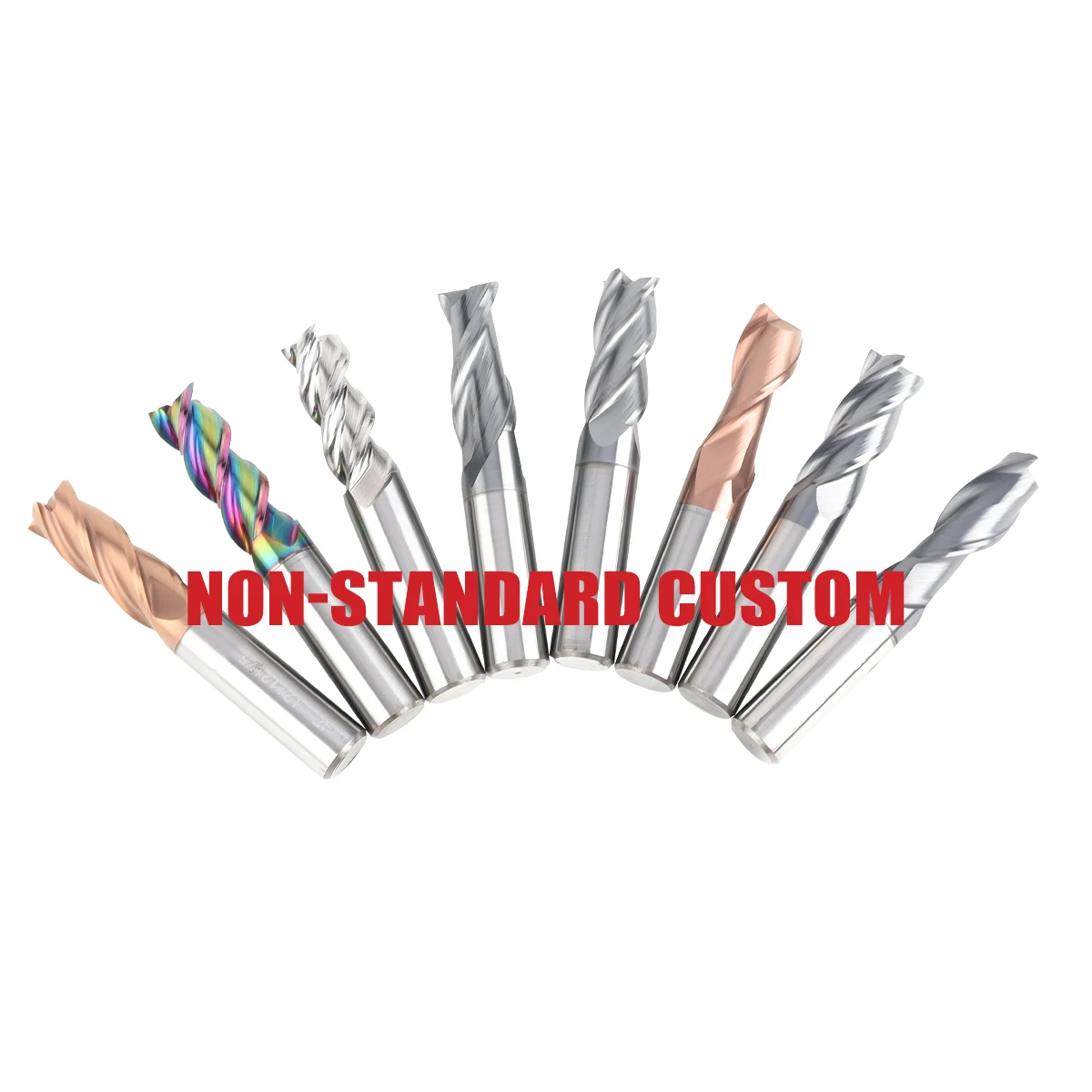
Customization Options: If your project requires specific dimensions or configurations, inquire about the supplier's customization capabilities. A flexible manufacturer can adapt to unique project needs.
Support and Service: Evaluate the level of customer support offered. Reliable suppliers should provide technical assistance, product documentation, and after-sales service to help troubleshoot any issues.
Pricing and MOQ: Understand pricing structures and minimum order quantities (MOQ). While cost is important, consider the total value, including tool life and performance, rather than just the initial price.
Finding a trustworthy supplier for corner radius end mills involves thorough research and evaluation:
Industry Experience: Look for suppliers with substantial experience in manufacturing cutting tools. Companies like DESKAR, with a strong R&D foundation and advanced production capabilities, can offer high-quality products.
Certifications and Standards: Verify any industry certifications, such as ISO standards, which indicate adherence to quality management practices. This can provide assurance of the supplier's commitment to quality.
Client References: Request references or case studies from existing clients. Feedback from other customers can provide insights into the supplier's reliability and product performance.
Trade Shows and Industry Events: Attend industry trade shows and events to meet suppliers and manufacturers in person. This can facilitate discussions about your requirements and allow you to assess the tools firsthand.
Online Reviews and Ratings: Research online reviews and ratings to gauge customer satisfaction. This can highlight potential concerns or advantages associated with specific suppliers.
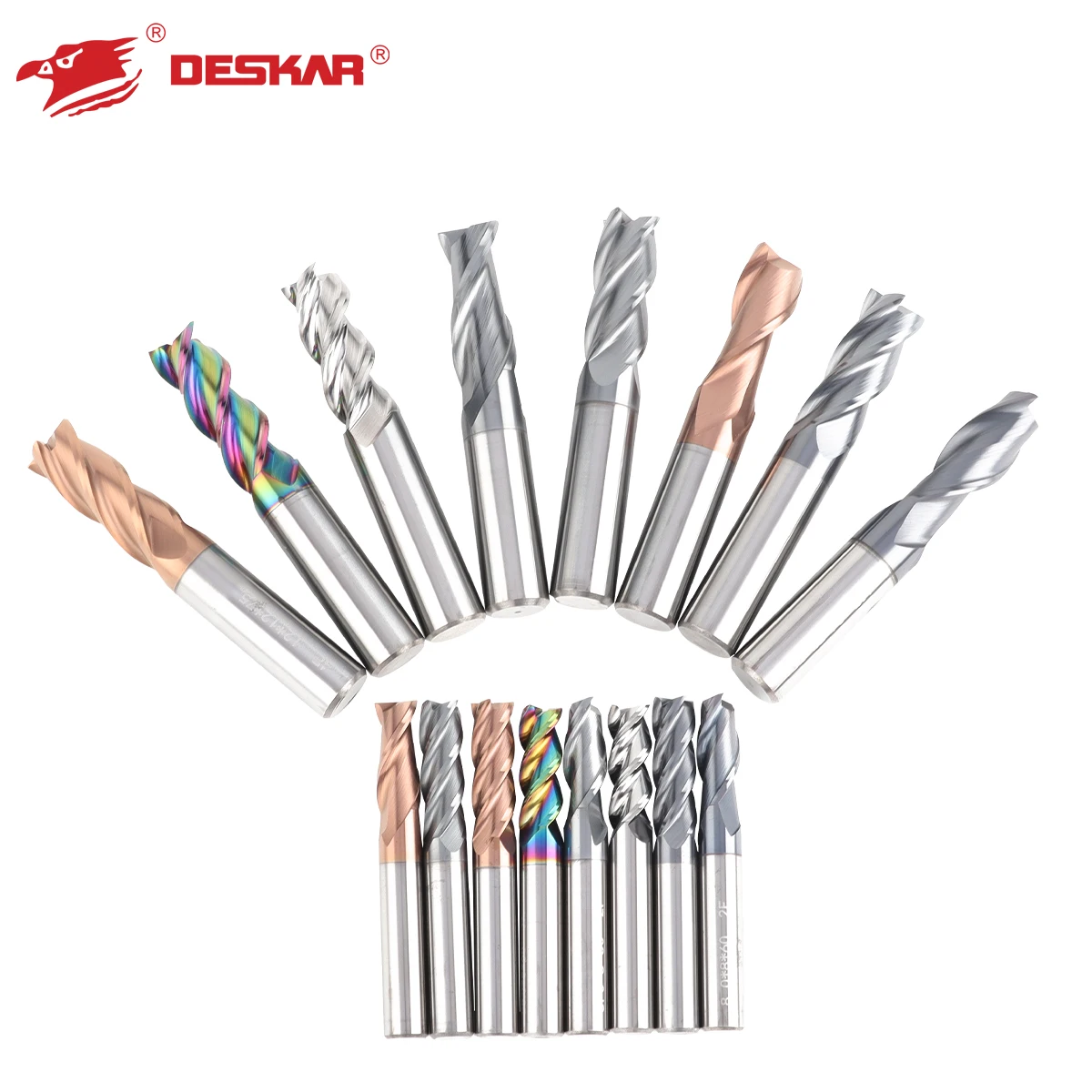
Manufacturers like DESKAR offer a variety of solutions tailored to meet diverse machining needs. They provide both standard and custom corner radius end mills, ensuring compatibility with different materials and applications. Their commitment to R&D and advanced manufacturing techniques allows them to deliver cutting tools that enhance productivity and precision.
In addition to product offerings, experienced manufacturers can assist in optimizing tool selection based on application requirements. By understanding specific needs and challenges, they can recommend the best tool configurations, coatings, and materials, ultimately leading to improved machining outcomes.
By focusing on the specifications, selection criteria, and supplier evaluation, B2B buyers can confidently choose the right hss end mills for their projects, ensuring efficiency and quality in their machining operations.