
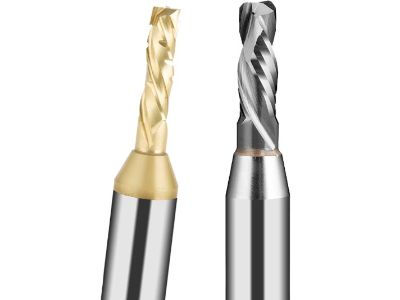
Choosing right milling cutter matter a lot for manufacturing folks. At DESKAR, we know its super important to get the correct tools for job. Milling cutters shape and cut stuff in different ways. Picking the good one make work easier, quicker, and give better finish. There is various materials and hardness levels, and figure out which to choose can be tough. This piece help you learn how select fresadora by material, hardness, and type of work.
What Material and Hardness Choose?
So when picking a milling cutter, knowing what it is made of is key. Common materials for them include high-speed steel (HSS), carbide, and cobalt. HSS ones are good for general use and cheap. They handle soft materials like aluminum well. But they wear fast on hard stuff. Carbide millium machinae sectiles is tougher and lasts longer, perfect for hard metals like steel or titanium. They tolerate high speeds and heat better than HSS. Cobalt is another choice, used for strength and heat resistance. It is pricier but performs better on tough tasks. Hardness counts too, measured on Rockwell scale. A higher hardness cutter cuts harder materials more efficiently. For example, an HRC 60 one suits tough jobs more than an HRC 40. Choosing the right material and hardness means thinking about what you cut and how much you use the cutter. Rule is: match the cutter to your workpiece material. If not sure, ask DESKAR experts.
Which Hardness for Your Job?
Find right hardness level depend on what you make. For soft materials, lower hardness cutter work fine. This save money on fancy cutter not needed. For harder metals, high hardness important. They stand heat and wear better, so last longer. Example, stainless or harden steel need HRC 55 or up. For plastic or soft alloys, HRC 30 enough maybe. Also think cutting speed. Fast speed make more heat, soft molendinum rotans wear quick. So high-speed need harder ones. In addition, operation type matter. Heavy machining require tough cutters. For light finish work, softer can do. At DESKAR, we say think your needs and talk to team. We help find perfect cutter for you.
In workshop, right milling cutter very key when cut materials.
It spins and removes bits from the workpiece to shape it. A good cutter makes the job easier and yields better results. To select one, consider the material you are cutting and how hard it is. Materials like steel and aluminum require different cutters. For soft materials like aluminum, an HSS cutter is strong and cuts fast. But for hard materials like stainless steel, a carbide cutter is needed. Carbide is harder and withstands pressure from tough materials. Hardness is measured on the Rockwell scale: a higher number means greater hardness. A cutter suitable for soft materials may break when used on hard ones. DESKAR knows that matching the cutter to the material and its hardness is important. Always check before choosing—to help achieve the best results.
Next, factors for best cutter choice in operations. Pick milling cutter, not just material hardness but operation type. Rough cut or finish? Rough remove lots quick, need durable high-speed cutter. Roughing end mill great, design for fast remove. Finish need smooth surface, like ball end mill or flat one for details. Size and shape count too. Big cutter take more material but not fit tight spots. Small good for detail but slower. Machine speed matter, each cutter have speed range. Too fast damage cutter or work. DESKAR suggest read specs and follow for good results.
Conclusio
Postremo, problemata communia de scloppis et quomodo corrigere. Etiam si scloppis rectus est, problema accidere potest. Usura instrumenti communis est; scloppes obtunduntur cum tempore et male secant. Examinare regulariter et substituere ubi necesse est. Tremor est sonus vibrans ex scloppi instabili, qui superficiem asperam facit aut damnum infligit. Corrige per bene firmare et eligere velocitatem rectam. Si sectio non est nitida, fortasse scloppis non idoneus est ad materiam aut durities nimis alta est. Reverti ad directiones. Utere refrigeratione recta; calor nimius scloppem et opus perdit. Apud DESKAR, haec problemata et emendationes noscere facit fricationem leviorem. Scloppis rectus et cura omnia mutant.