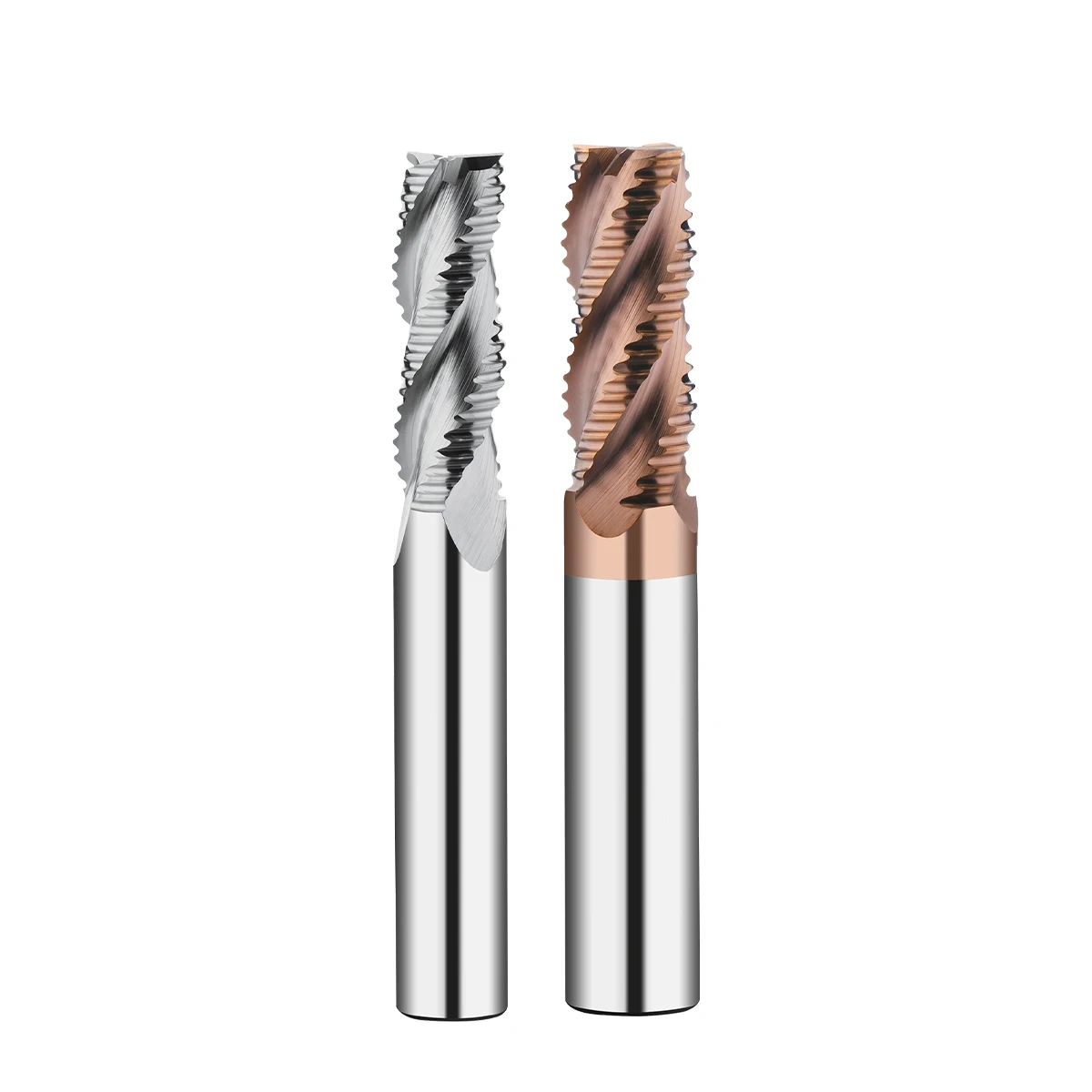
Machining taps sunt instrumenta essentialia quae in variis processibus fabricandi utuntur ad creandos filos internos in materiis. Illa partes criticas agunt in industrias ut automobilium, aerospacialem, et fabricationem formarum, ubi praecisio et fiducia maxime necessariae sunt. Pro emptoribus B2B, intellegere subtilitates machining taps — a selectione materiae ad installationem — vitalis est ad faciendas informatas decisiones emptionis. Hoc articulum vos perducet per quaerendum, seligendum, et efficaciter utendum machining taps, tractans quaestiones claves et praebens perspicacias practicas pro magistris emptionis, ingeniariis, et magistris productorum.
Cum ad emendos terebrinos machinandi quaeris, necesse est cum fabricantibus probatis coniungere, qui producta altae qualitatis praebere possint. LIFENG PRECISION TOOLS (ZHEJIANG) CO., LTD, quae in Wenling, Zhejiang sita est, notissima est pro fortibus facultatibus R&D et lineis productionis provectis, inter quas laminae CNC indexabiles et arbores NC. Concentratio eorum in instrumentis praecisis standard et non-standard pro sectione eos facit fontem fidelem ad emendos terebrinos machinandi.
Emptores considerare debent sequentia dum quaerunt:
Peritia Fabricantis : Quaere suppeditatores qui longam experientiam habent in producendis terebrinis machinandi et bonum nomen in industria. Processus Custodiae Qualitatis : Certior fieri debes quod fabricans exactas mensuras qualitatis adhibet ut altos normas per totum processum productionis servet. Aliquam Capabilities : Si opus tuum dimensiones vel proprietates speciales requirit, confirma quod suppeditator optiones personalizandi praebet. Certificationes : Verifica omnes certificationes quae ad normas industriales conformitatem indicant, quae fidem in reliabilitatem producti praebere possunt. Minima Quantitas Ordinis (MOQ) : Intellege MOQ pro ordinibus ad magnum ut strategiam tuam de emptione concordet.
Per istos factores aestimando, emptores foedera fructuosa cum fabricantibus constituere possunt qui necessitates eorum implere possint. insertum machinandi egere.
Eligere aptum tornatorem machinalem requirit considerationem variorum specificatorum quae cum requisitis tui operis congruant. Praecipui factores ad aestimandum sunt:
Materia : Tornatores machinales saepe ex aere celeritatis altissimae (HSS), cobalto, aut carbonio fiunt. Tornatores HSS versatiles sunt et ad materiales molliores idonei, dum tornatores cobaltici resistentiam ad attritionem meliorem praebent pro materialibus durioribus. Tornatores carbonii, quamquam fragiliores, duritiam egregiam praebent et pro applicationibus magni voluminis optime conveniunt.
Genus Tornatoris : There are several types of taps, including spiral flute, straight flute, and spiral point taps. Spiral flute taps are beneficial for deep holes, as they help evacuate chips effectively, while straight flute taps are suitable for shallow holes. Spiral point taps push chips ahead, making them ideal for blind holes.
Thread Size and Pitch : Ensure that the tap’s size and thread pitch match the specifications of the components being manufactured. This is critical for achieving the desired fit and function.
Vestes : Consider taps with PVD (Physical Vapor Deposition) or CVD (Chemical Vapor Deposition) coatings for enhanced performance, as these treatments increase tool life and reduce friction.
By carefully assessing these criteria, buyers can ensure they select the right conici frangendi pro suis specificis applicationibus seligant.
Proper installation of machining taps is crucial for achieving optimal results and prolonging tool life. Here are essential guidelines for effective installation:
Praeparatio : Assure that the workpiece is firmly clamped and that the tapping area is clean. Debris can impair the tap’s performance and cause inaccuracies.
Lubricatio : Use suitable cutting fluid to reduce friction and heat during tapping. This is especially critical for harder materials, as it helps maintain the tap’s integrity.
Speed and Feed Rate : Adjust spindle speed and feed rate according to material and tap type. A slower speed is generally advised for tougher materials to prevent tap breakage.
Depth Control : For blind holes, carefully monitor tapping depth to avoid bottoming out the tap, which may cause damage. Use depth stops or drill indicators where needed.
Withdrawal : When withdrawing the tap from the hole, reverse the spindle slowly to prevent thread damage.
Implementing these installation practices will improve the overall efficacy of taper ball nose and reduce the likelihood of operational issues.
Machining taps can encounter various issues during use. Here are common problems and their solutions:
Tap Breakage : This can occur due to excessive feed rates, improper lubrication, or material hardness. To prevent breakage, ensure that the tap is appropriate for the material and that proper cutting fluid is used.
Thread Damage : Over-torquing or using the incorrect tap can lead to thread damage. Always verify that the right tap is selected for the specific application, and use torque specifications recommended by the tap manufacturer.
Poor Chip Removal : If chips are not adequately removed, it can lead to tap binding and breakage. Using spiral flute taps can help in chip evacuation, and proper lubrication can further assist in this process.
Incorrect Thread Fit : If the finished threads do not fit properly, it may be due to incorrect tap size or pitch. Always double-check the specifications before commencing work.
By anticipating these issues and employing corrective measures, buyers can enhance the performance of their machining taps and achieve better results.
The material composition of machining taps significantly impacts their performance and suitability for various applications. Here’s a closer look at the advantages of different materials:
High-Speed Steel (HSS) hSS taps are widely used due to their balance of durability and cost-effectiveness. They are suitable for a range of materials, including aluminum, brass, and mild steel. However, their performance may diminish with tougher materials.
Cobalt Steel cobalt taps contain a higher cobalt content, enhancing their heat resistance and wear properties. These taps are ideal for use in harder materials such as stainless steel and high-carbon steels, making them a preferred option for demanding applications.
Carbide Taps : Carbide taps offer the highest hardness and thermal stability, making them suitable for high-speed machining and very hard materials. However, they are more brittle than HSS or cobalt taps, requiring careful handling and installation.
Selecting the appropriate material based on application requirements such as the hardness of the workpiece and the type of machining ensures optimal performance and longevity of the tap. By understanding these material advantages, B2B buyers can make informed choices that align with their manufacturing needs, ultimately leading to improved production efficiency and quality.