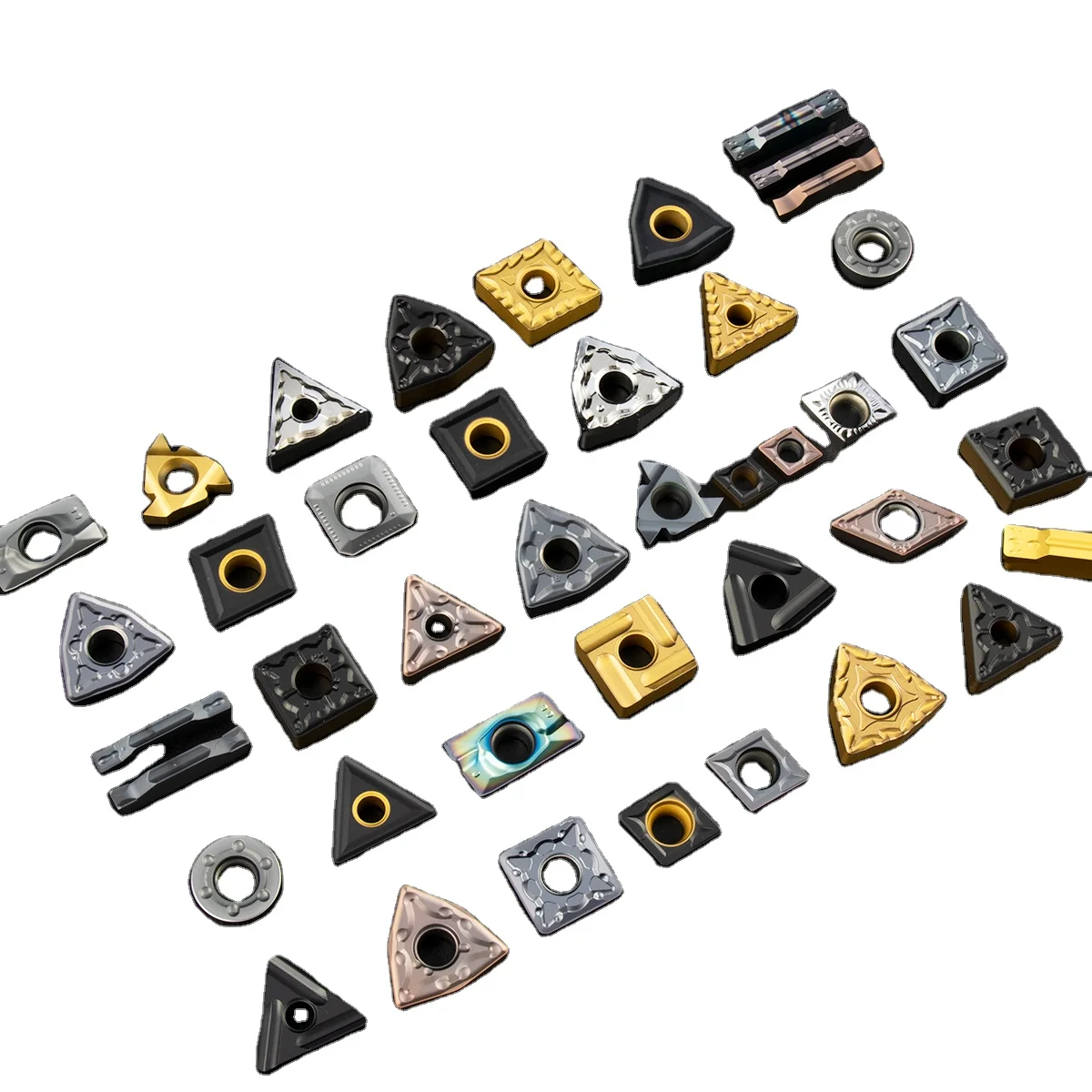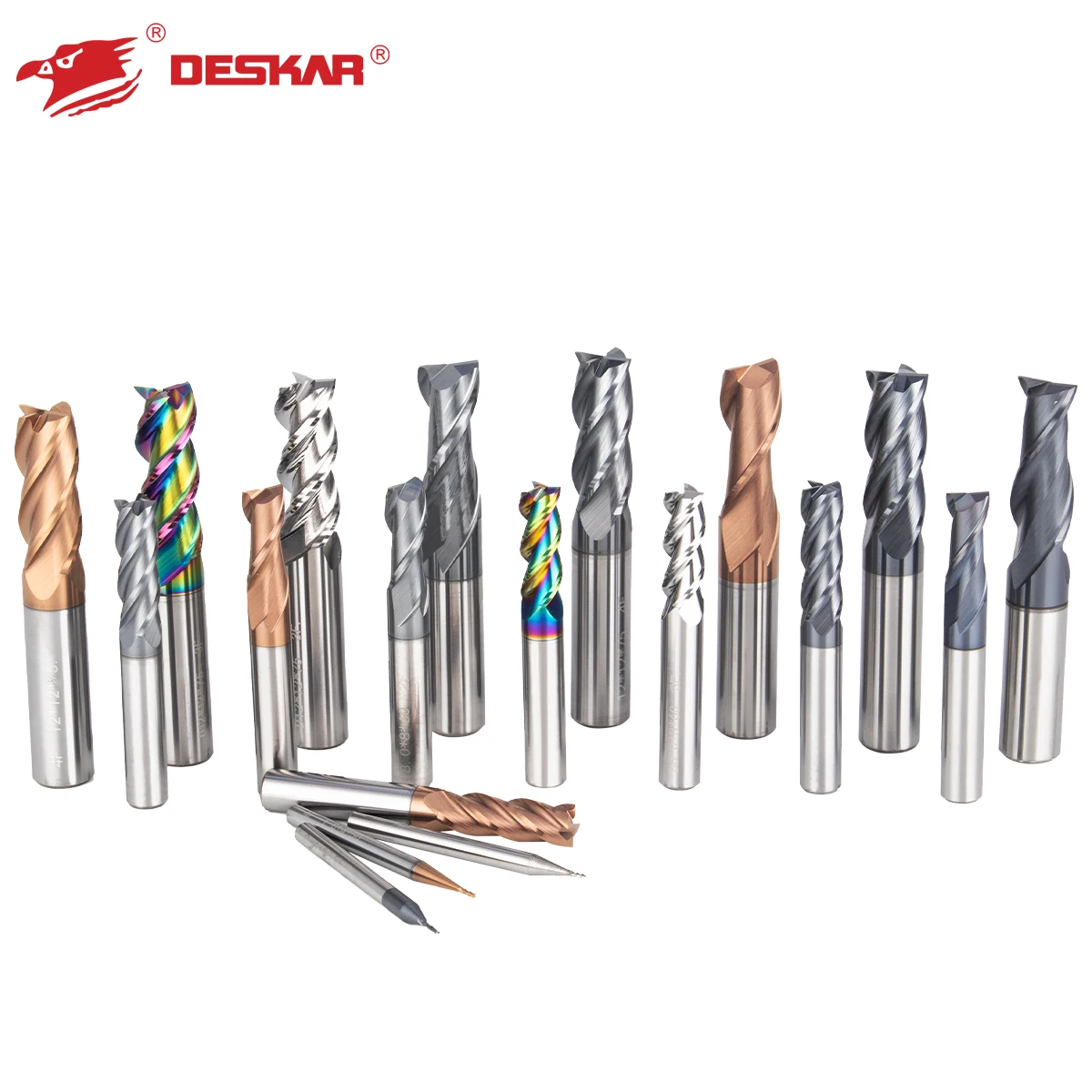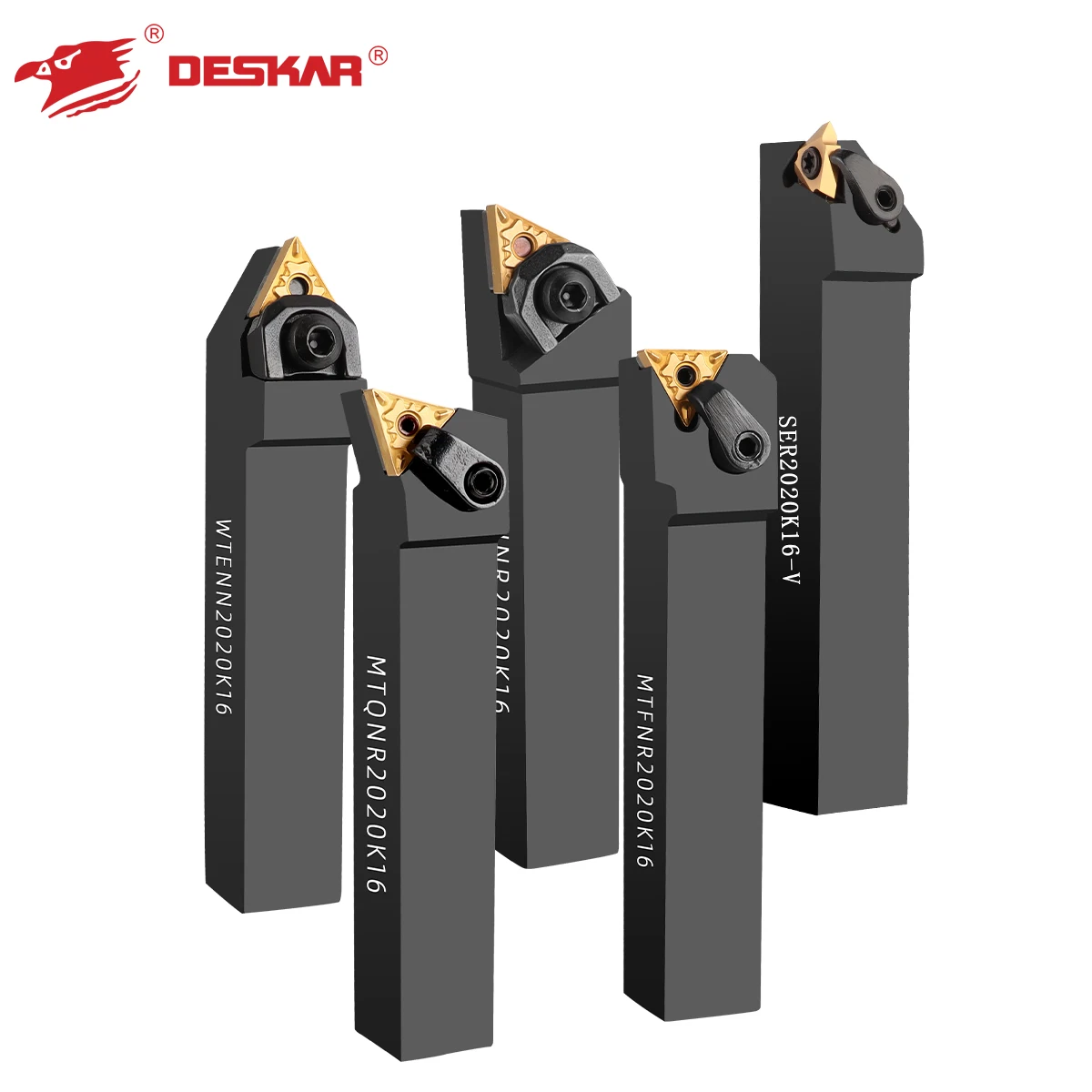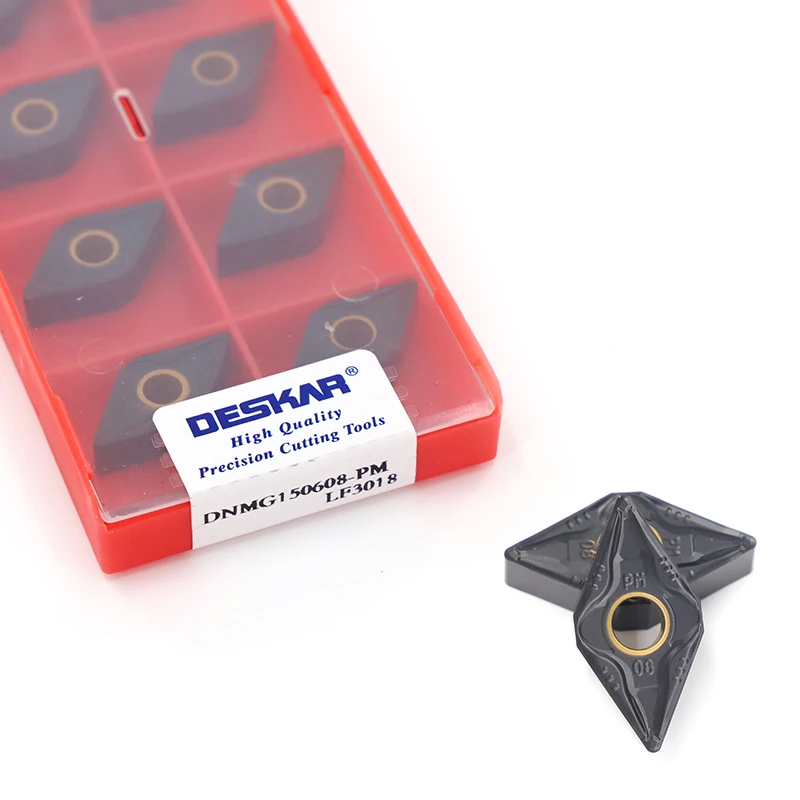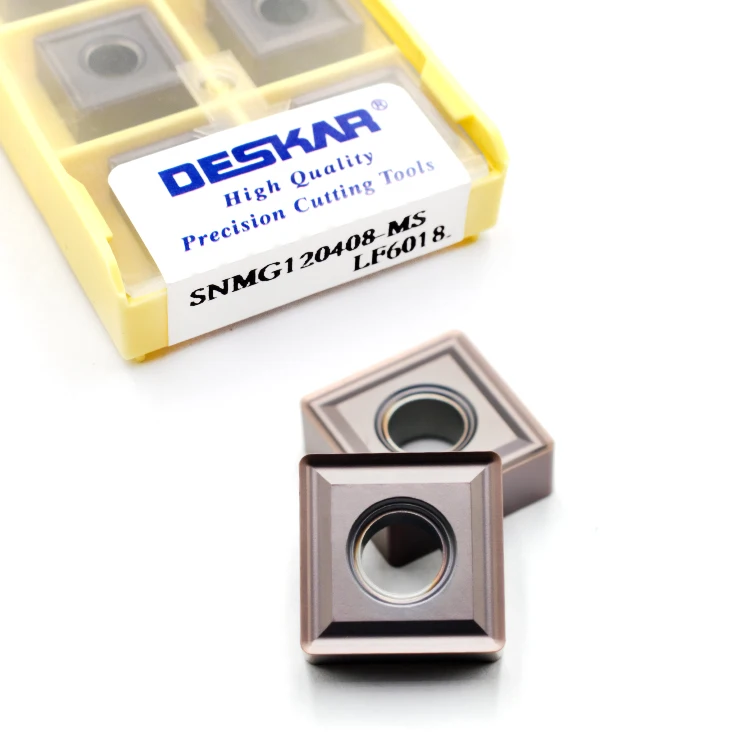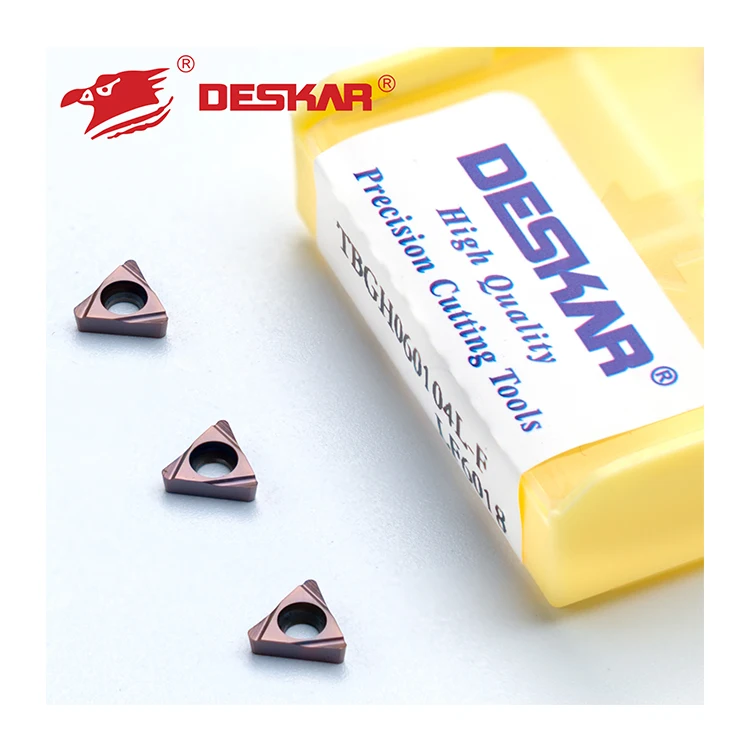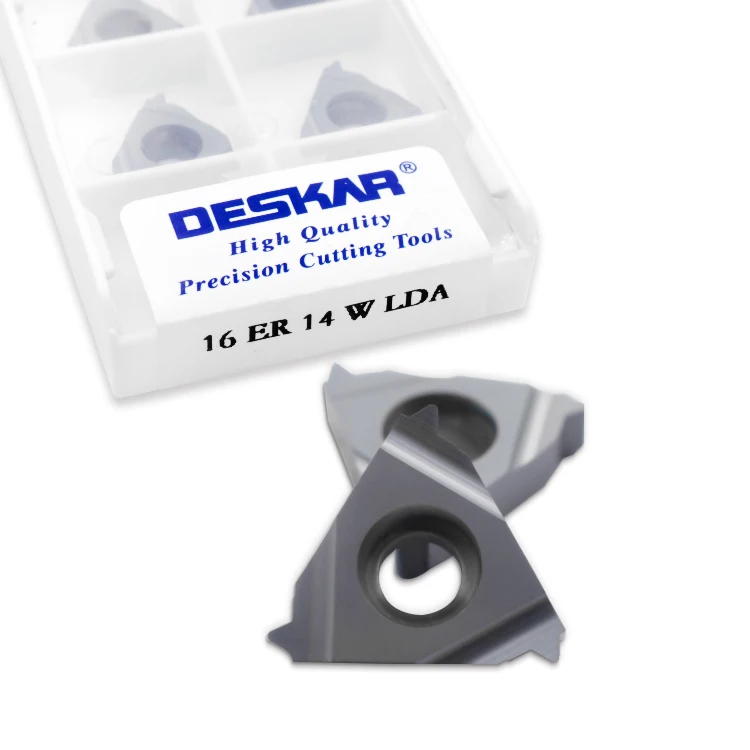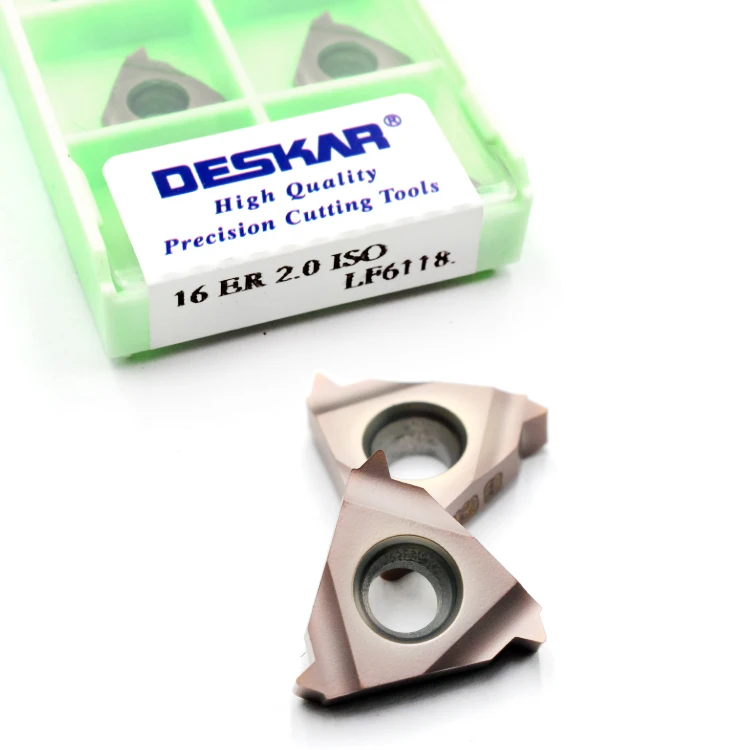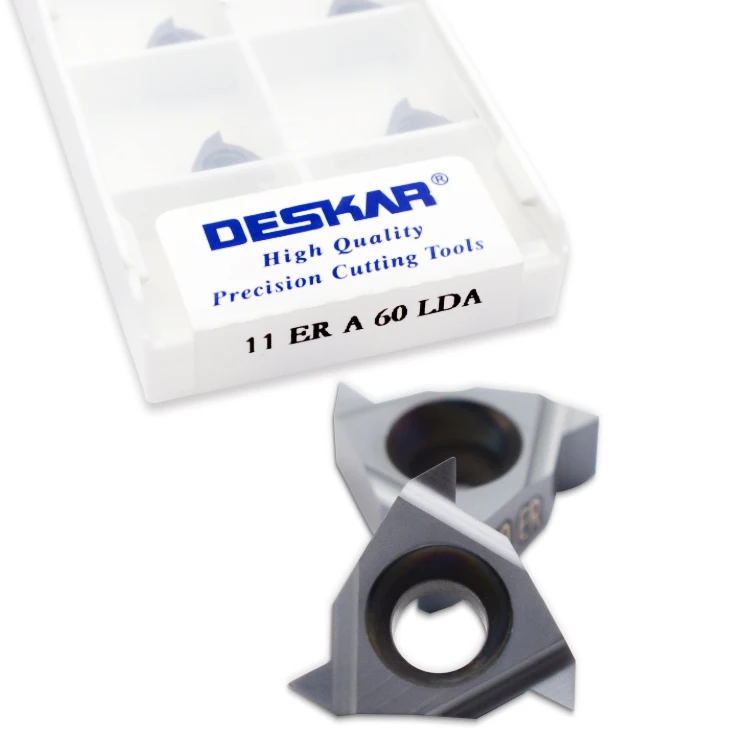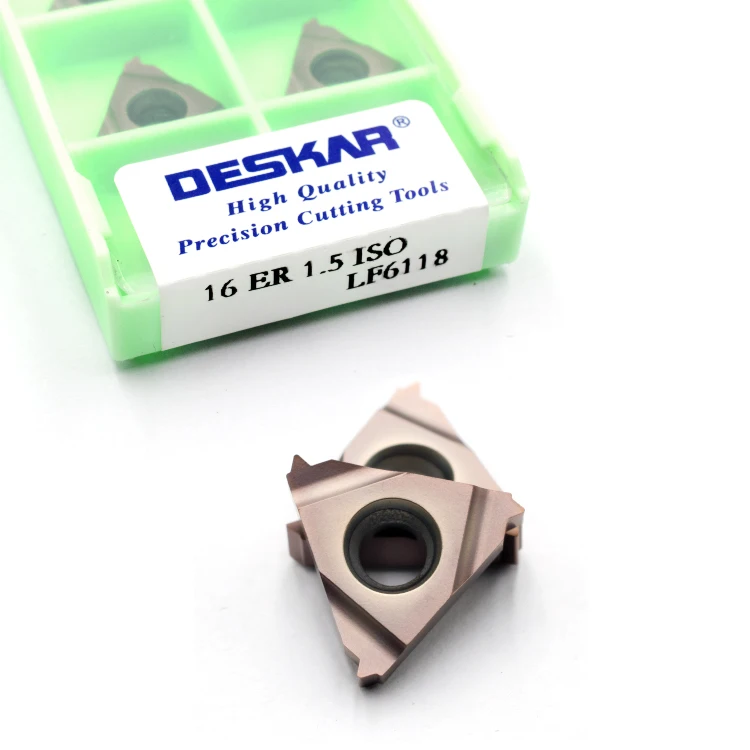
Milling cutting tools are essential components in various manufacturing processes, enabling precise material removal in industries such as mold making, automotive, and aerospace. For purchasing managers and engineers, the quality and specifications of these tools are critical factors that directly impact operational efficiency and product quality. This article will guide you through evaluating DESKAR metal lathe cutting tools, understanding their specifications, addressing common issues, and exploring cost factors to help you make informed purchasing decisions.
When assessing the quality of milling cutting tools, several key factors should be considered. Firstly, the material composition plays a significant role in durability and performance. High-speed steel (HSS), carbide, and cobalt are common materials used in milling tools, each offering different advantages based on the application. For instance, carbide tools are favored for their hardness and wear resistance, making them suitable for high-speed operations.
Additionally, the manufacturing process is crucial. Tools produced using advanced techniques like precision grinding or coating (PVD/CVD) enhance performance and longevity. Certifications and quality control measures in place at the manufacturing facility also reflect the reliability of the tools. Buyers should inquire about the manufacturer's inspection processes and any certifications that validate their quality assurance practices.
Lastly, consider user feedback and reviews to gauge real-world performance. Engaging with other industry professionals can provide insights into the reliability and efficiency of specific tool brands and models.
Selecting the right milling cutting tools involves understanding and confirming various specifications. Key specifications include the tool diameter, length, and geometry, all of which influence cutting efficiency and surface finish.
Tool Geometry: The shape of the cutting edge, such as the number of flutes, affects chip removal and cutting speed. For example, tools with more flutes can enhance finishing operations but may be less effective for roughing cuts due to chip clearance limitations.
Coating: The type of coating applied (PVD or CVD) can provide benefits such as reduced friction and increased tool life. Coatings also influence the thermal resistance of the tool, which is particularly important in high-speed machining.
Tolerances and Fit: Ensure that the milling tools meet the required tolerances for your specific applications. Inaccurate dimensions can lead to poor fitting and operational issues.
Application Suitability: Different tools are designed for distinct materials and applications. For instance, tools intended for aluminum machining may have different specifications than those for steel or titanium.
Before placing an order, it is advisable to clarify these specifications with your supplier to ensure the tools will meet your operational needs.
When preparing to purchase milling cutting tools, follow a systematic approach to streamline your selection process:
Define Your Requirements: Identify the specific applications and materials you will be working with. This will guide your tool selection in terms of material type and specifications.
Request Samples: Before committing to a bulk order, request samples to evaluate tool performance under actual operating conditions. This step helps identify any compatibility issues with your existing machinery.
Engage with Suppliers: Discuss your needs with potential suppliers, providing them with detailed information about your applications, required specifications, and any customizations that may be necessary.
Evaluate Supplier Capabilities: Assess the supplier's manufacturing capabilities, including their technology, production capacity, and quality control systems. This evaluation ensures that they can meet your demands reliably.
Compare Pricing and Terms: Obtain quotes from multiple suppliers, comparing not only the price but also the terms of delivery, minimum order quantities (MOQ), and payment terms.
By following this guide, you can make more informed purchasing decisions that align with your production goals.
Milling cutting tools can encounter several common issues that may disrupt production. Here are a few challenges and their respective solutions:
Tool Wear: Tool wear is a natural occurrence but can be exacerbated by improper cutting speeds or feeds. To address this, monitor the operational parameters closely and adjust them according to the material being machined. Regularly inspect tools for wear and replace them promptly to maintain quality.
Chipping or Breakage: This often results from using the wrong tool for the material or improper machining conditions. Ensure that you are using tools that are suitable for your specific applications. Employing a proper coolant can also mitigate temperature-related breakage.
Poor Surface Finish: A rough surface finish can be caused by dull tools or incorrect parameters. Regular tool maintenance, coupled with appropriate feeds and speeds, can help achieve the desired finish. Consider using DESKAR specialized lathe machine cutting tools for critical applications.
Vibration: Excessive vibration during milling can lead to poor machining results and tool damage. Check machine stability and ensure that the tool is securely mounted. Using tools with appropriate geometries for your setup can also help minimize vibrations.
By proactively addressing these common issues, you can enhance the performance and lifespan of your milling cutting tools.
The cost of milling cutting tools is influenced by various factors, and understanding these can help in budgeting and decision-making:
Material Costs: The choice of material significantly affects pricing. Carbide tools, for instance, typically cost more than HSS tools due to their superior performance and durability.
Manufacturing Complexity: More complex geometries or specialized coatings increase manufacturing costs. Custom tools will generally be more expensive than standard options, so consider the trade-offs between custom solutions and off-the-shelf products.
Volume Discounts: Purchasing a DESKAR mill cutting tools in larger quantities often leads to lower unit prices. If your production demands justify it, buying in bulk can provide significant savings.
Lead Times: Custom tools typically have longer lead times, which can affect overall costs. Understanding the balance between cost and delivery timelines is crucial, particularly in just-in-time manufacturing environments.
Quality Assurance: Tools that undergo rigorous quality control processes may come at a premium but often result in lower total costs by minimizing production disruptions and waste.
By carefully evaluating these cost factors, buyers can make strategic decisions that align with both budget constraints and operational requirements.
In summary, the landscape of milling cutting tools is intricate, with numerous specifications and considerations impacting their effectiveness and cost. By understanding how to evaluate quality, the necessary specifications, common issues, and cost factors, B2B buyers can make informed decisions that enhance their manufacturing processes.