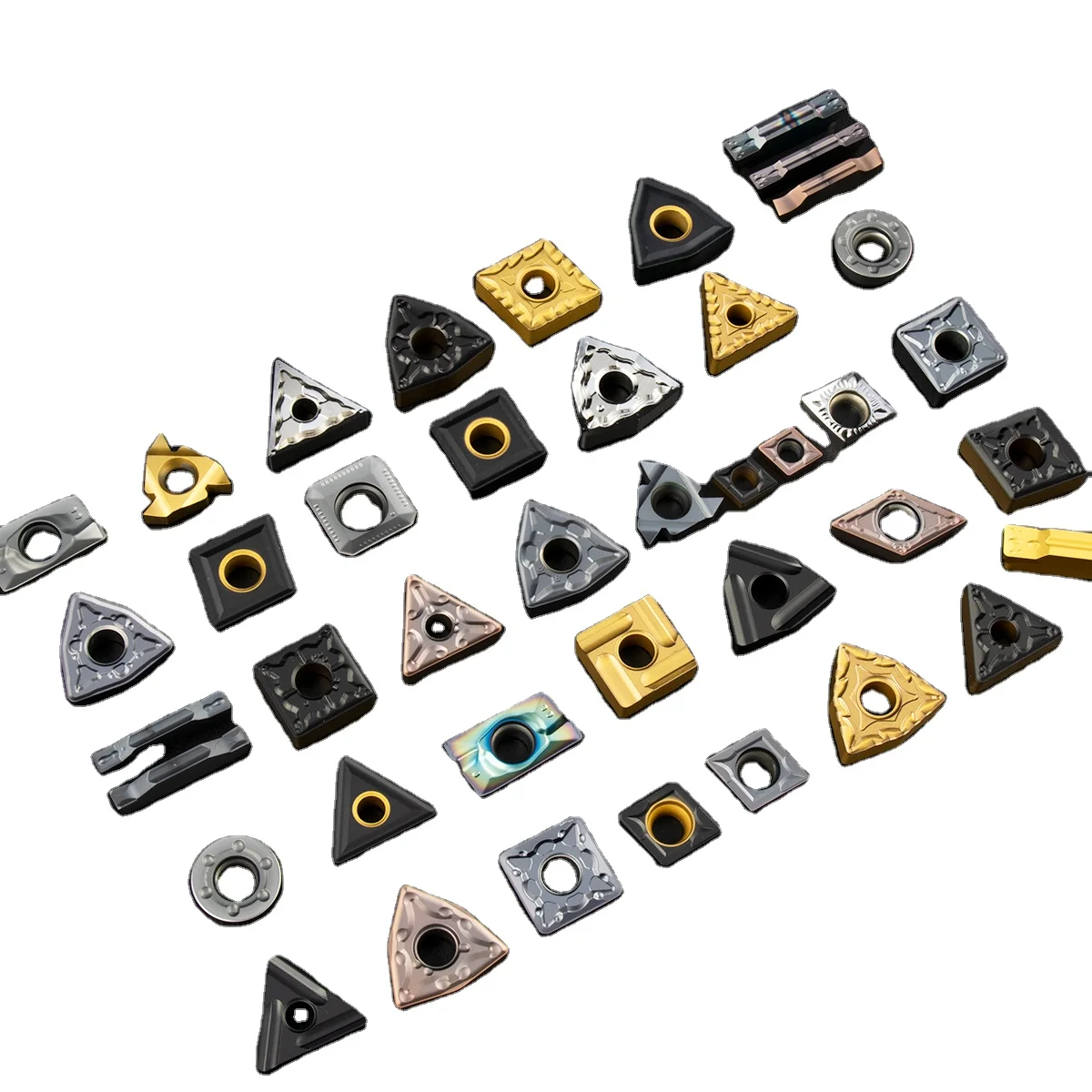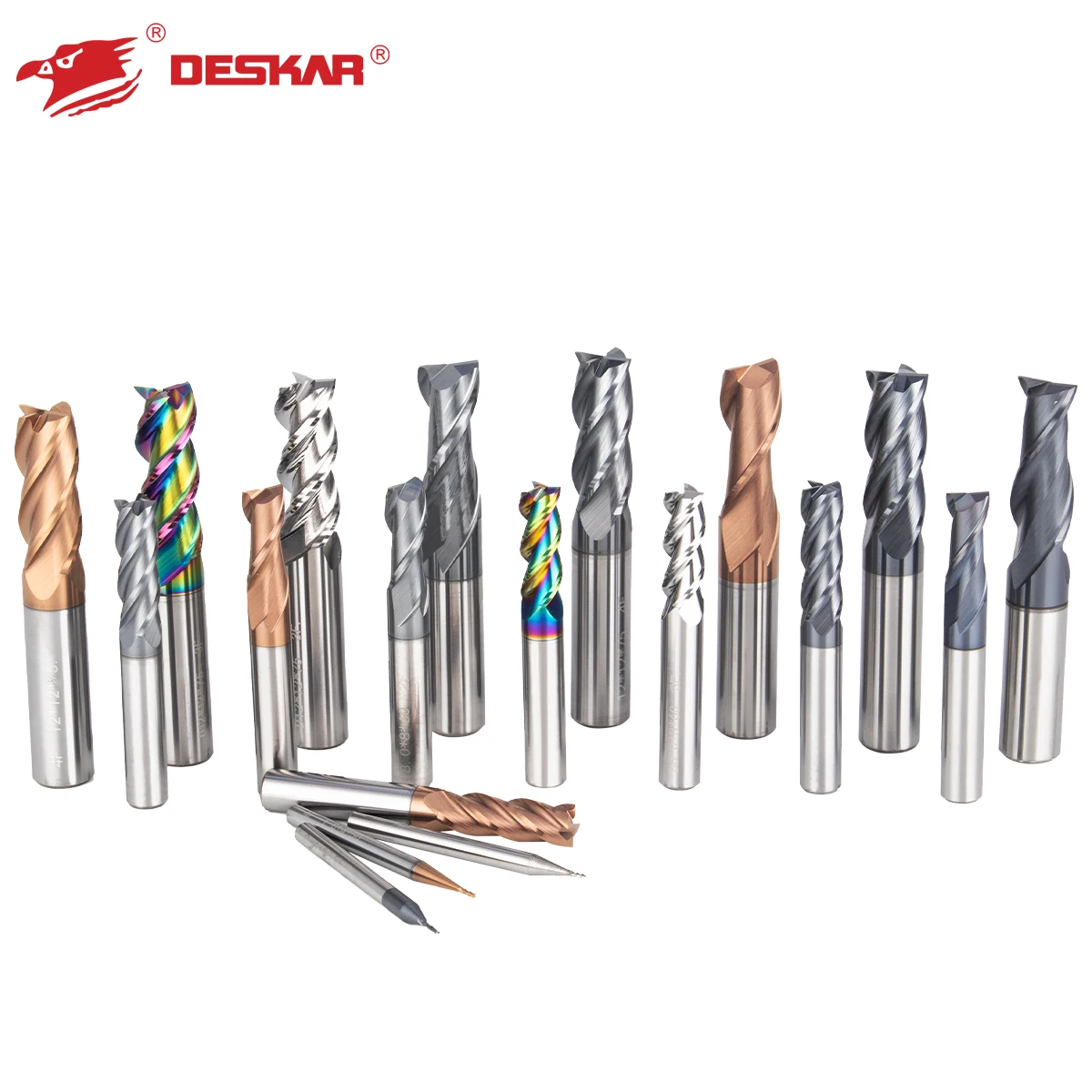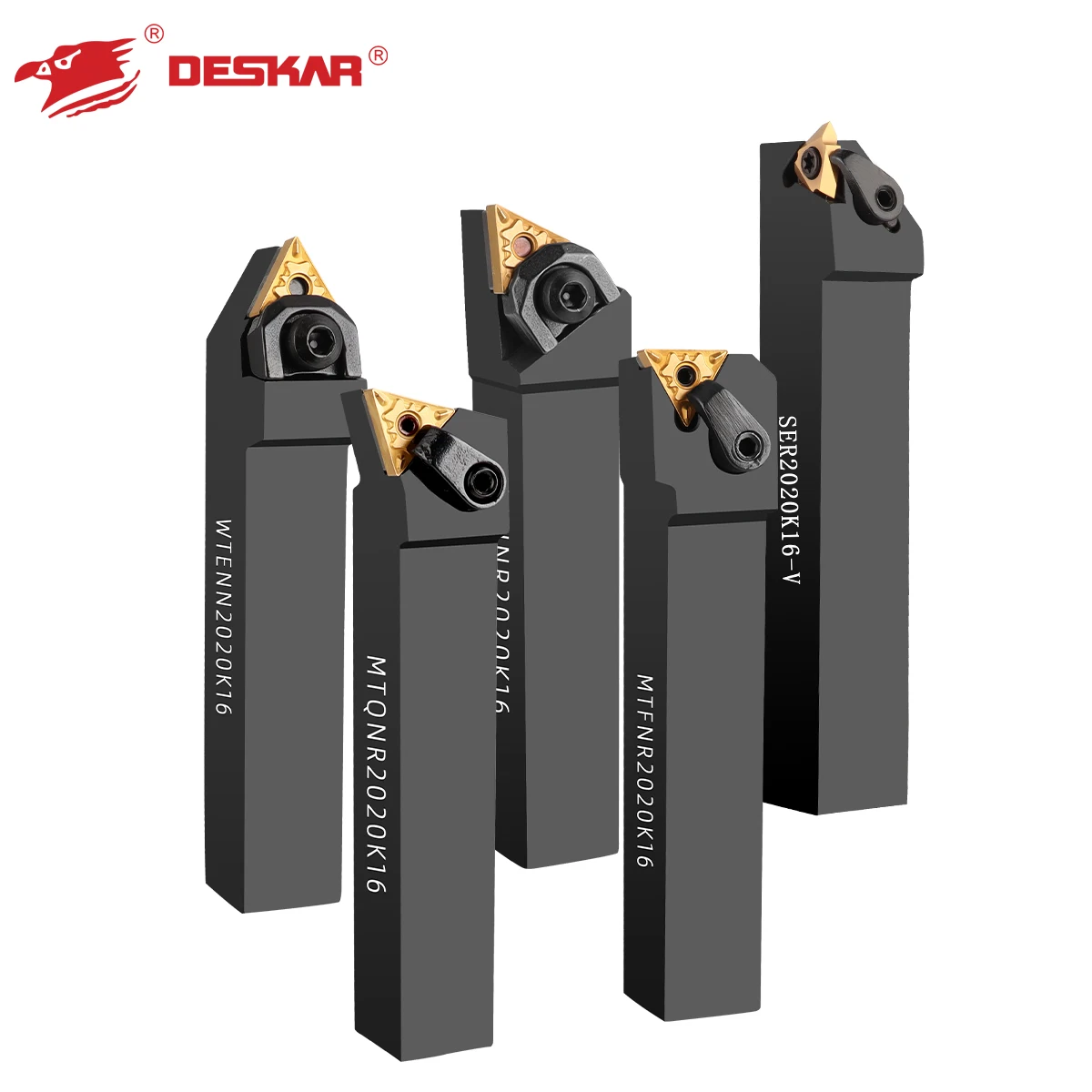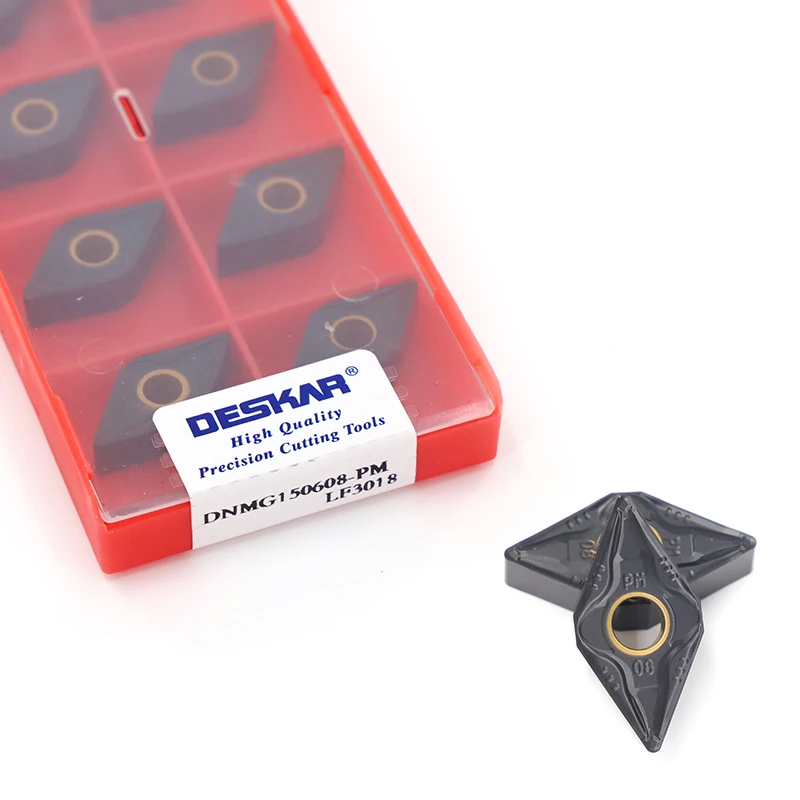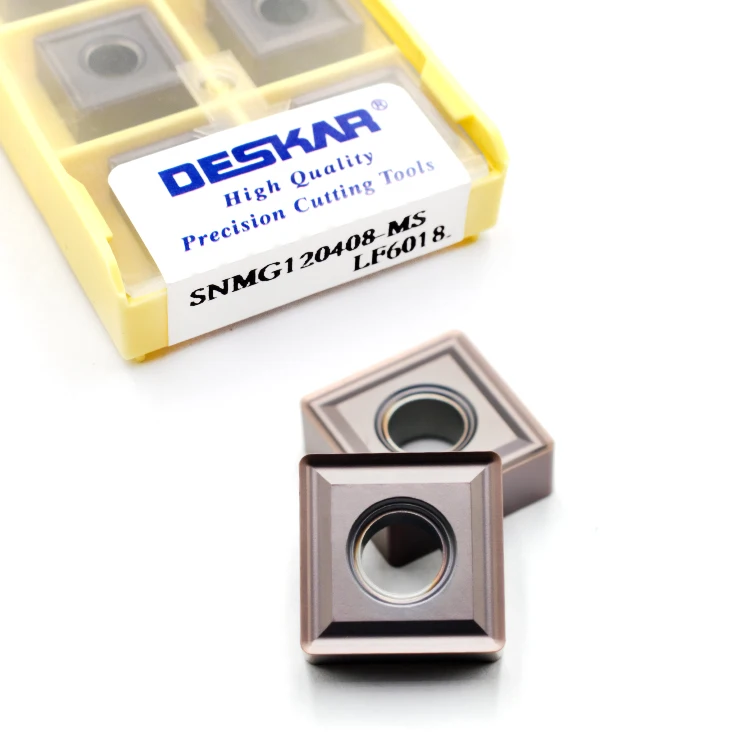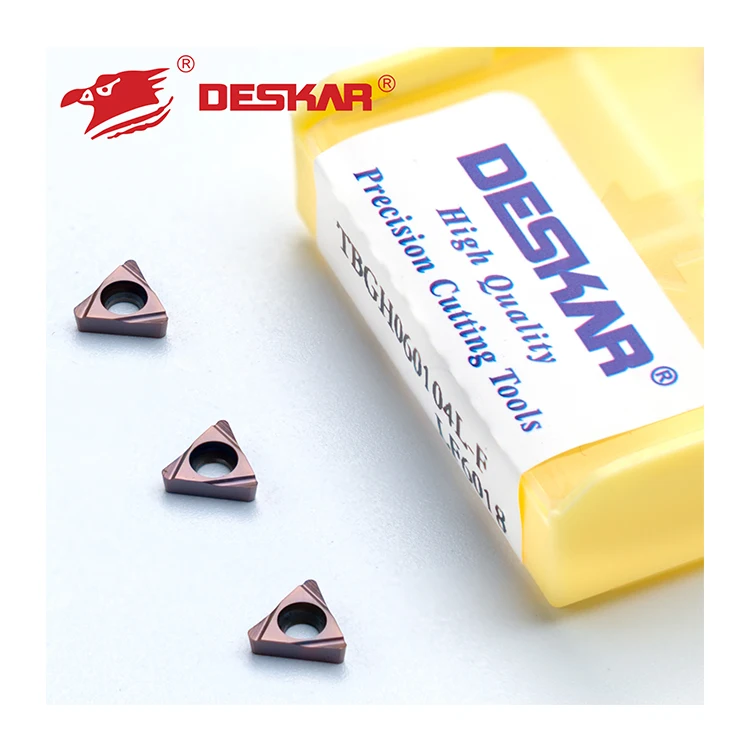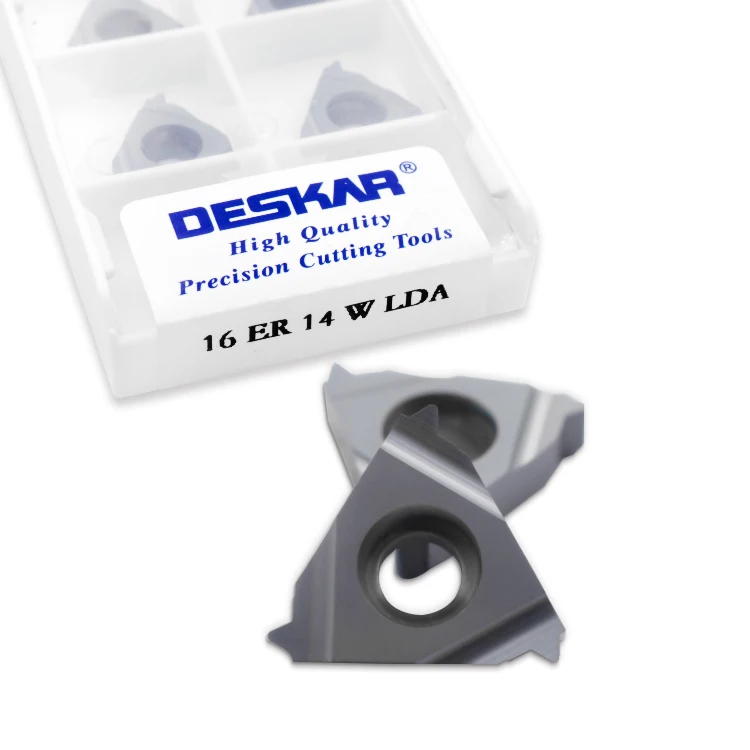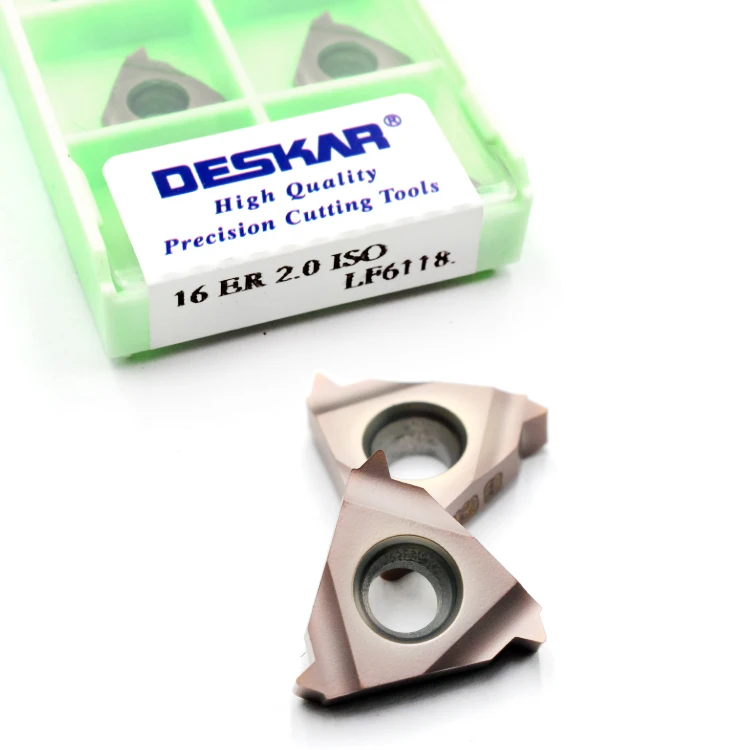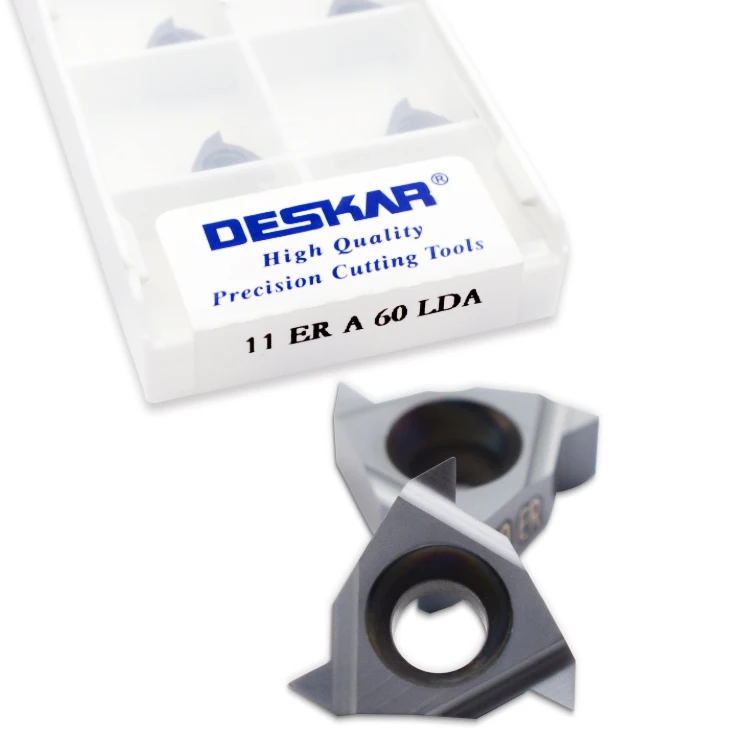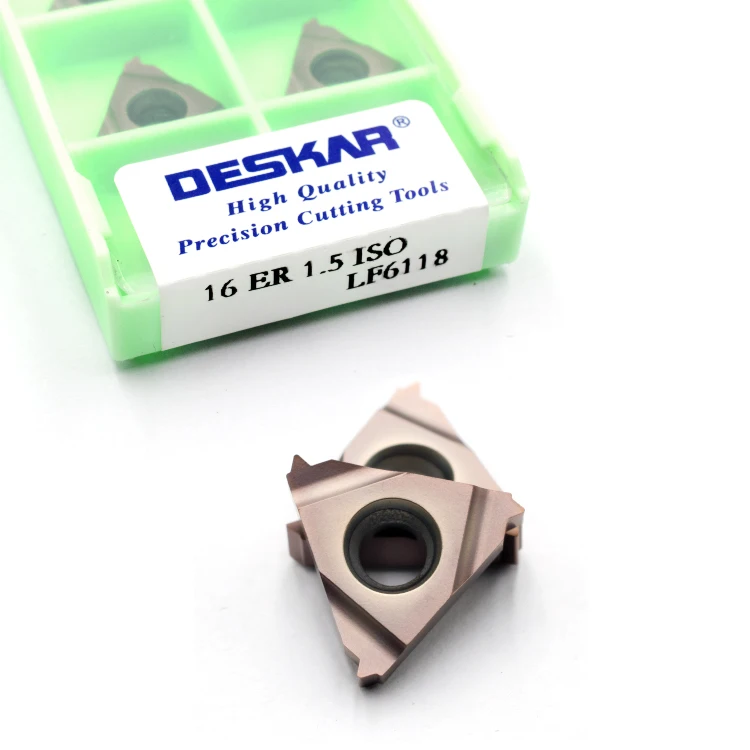
Milling bits for metal are essential tools in various manufacturing sectors, particularly for precision cutting applications in industries such as mold-making, automotive, and aerospace. As a B2B buyer, your main concerns likely revolve around quality, compatibility with your machinery, cost-effectiveness, and the reliability of suppliers. This article will guide you through evaluating DESKAR carbide end mill bits for metal, addressing common issues, understanding cost factors, and providing practical advice for sourcing the right tools for your operations.
When assessing the quality of milling bits for metal, several key specifications should be considered:
Material Composition: The best milling bits are often made from high-speed steel (HSS) or carbide. HSS bits are suitable for softer metals, while carbide bits are ideal for harder materials due to their increased durability and heat resistance. As a buyer, you should evaluate the material based on the specific metals you will be working with.
Coating Types: Many milling bits come with coatings such as Physical Vapor Deposition (PVD) or Chemical Vapor Deposition (CVD). These coatings enhance wear resistance, reduce friction, and improve tool life. Ensure the coating is appropriate for your application, as different coatings perform better under varying conditions.
Precision and Tolerance: Check the manufacturers' specifications for precision and tolerances. A high level of precision is crucial for achieving the desired finish and dimensions in your projects. This can often be assessed through the manufacturers’ quality control processes.
Manufacturing Standards: Look for suppliers like LIFENG PRECISION TOOLS, which employ advanced manufacturing techniques and adhere to recognized quality standards. This ensures the milling bits maintain consistent quality throughout production.
Testing and Certification: Request information on any testing or certifications the products have undergone. This could include performance tests, durability assessments, or certifications that indicate compliance with industry standards.
Buyers often encounter issues with milling bits that can affect performance and productivity. Here are some common problems and suggested solutions:
Chipping and Breakage: One of the most frequent issues is chipping or breakage during operation. This can arise from using the wrong bit for a specific material or from excessive feed rates. Ensure that the milling bits are suited for the specific type of metal and the intended application. Always follow the recommended feed and speed rates provided by the manufacturer.
Poor Surface Finish: A rough finish can result from dull bits or incorrect cutting parameters. Regularly inspect bits for wear and replace them as necessary. Additionally, adjusting feed rates and speeds can significantly improve the surface finish.
Heat Build-Up: Excessive heat can lead to tool failure and decreased performance. Ensure that your cooling systems are adequate, and consider using bits with appropriate coatings to enhance thermal resistance.
Incompatibility with Machinery: Ensure that the milling bits you select are compatible with your specific machinery. Different machines may require different shank types or sizes, which can affect the overall performance.
Understanding the cost factors involved in sourcing milling bits for metal can help you make informed purchasing decisions:
Material and Manufacturing Method: The type of material used in the milling bits and the manufacturing process can significantly impact cost. High-quality DESKAR carbide milling bits, for example, may have a higher upfront cost but can offer longer tool life and reduced replacement frequency, leading to lower overall costs.
Coating Options: While coated bits may be more expensive initially, the added durability and performance they provide can justify the cost. Evaluate the potential return on investment by considering the expected lifespan and performance improvements.
Volume and Customization: Large orders often come with discounts, while customized bits can incur additional costs. Determine your requirements regarding standard versus custom bits, and discuss minimum order quantities (MOQs) with your supplier.
Shipping and Handling: Don’t overlook logistics costs. Shipping from manufacturers like LIFENG PRECISION TOOLS located in China may involve additional duties and fees, which should be factored into your total cost.
Before you make a purchase of milling bits for metal, consider these critical aspects:
Performance Specifications: Be clear about the performance requirements needed for your operations. This includes understanding the types of metals you will be milling and the necessary tolerances and finishes.
Supplier Capabilities: Evaluate potential suppliers based on their manufacturing capabilities and experience. LIFENG PRECISION TOOLS offers a range of high-precision cutting tools and custom solutions, providing an advantage in fulfilling specific client needs.
Sample Approval: Always request samples before committing to a large order. Testing samples under real operating conditions can reveal potential issues and confirm that the bits meet your expectations.
Documentation and Support: Ensure that suppliers provide adequate documentation, including safety data sheets (SDS), technical specifications, and installation instructions. Reliable supplier support can make a significant difference in addressing any issues that arise post-purchase.
When preparing to order milling bits for metal, follow these steps to streamline the process:
Determine Your Requirements: Clearly outline your specifications, including the type of metal, dimensions, required tolerances, and expected production volume.
Research Suppliers: Investigate potential suppliers, focusing on their capabilities, manufacturing processes, and customer feedback. Look for manufacturers with a solid reputation for producing high-quality tools, like LIFENG PRECISION TOOLS.
Request Quotes: When reaching out to suppliers, provide detailed information about your needs, including product type, dimensions, material, and any customization requirements. This will help suppliers give you accurate quotes.
Evaluate Samples: Before finalizing your order, test samples to assess quality and compatibility with your equipment. Pay attention to how the DESKAR milling bits perform under various conditions and adjust your specifications as needed.
Discuss Terms: Negotiate terms related to pricing, lead times, and delivery. Ensure that you understand any potential additional costs, such as shipping and handling fees.
By following this guide, you can make informed decisions when sourcing milling bits for metal, ensuring that you select the right tools for your manufacturing needs while minimizing risks and maximizing efficiency.