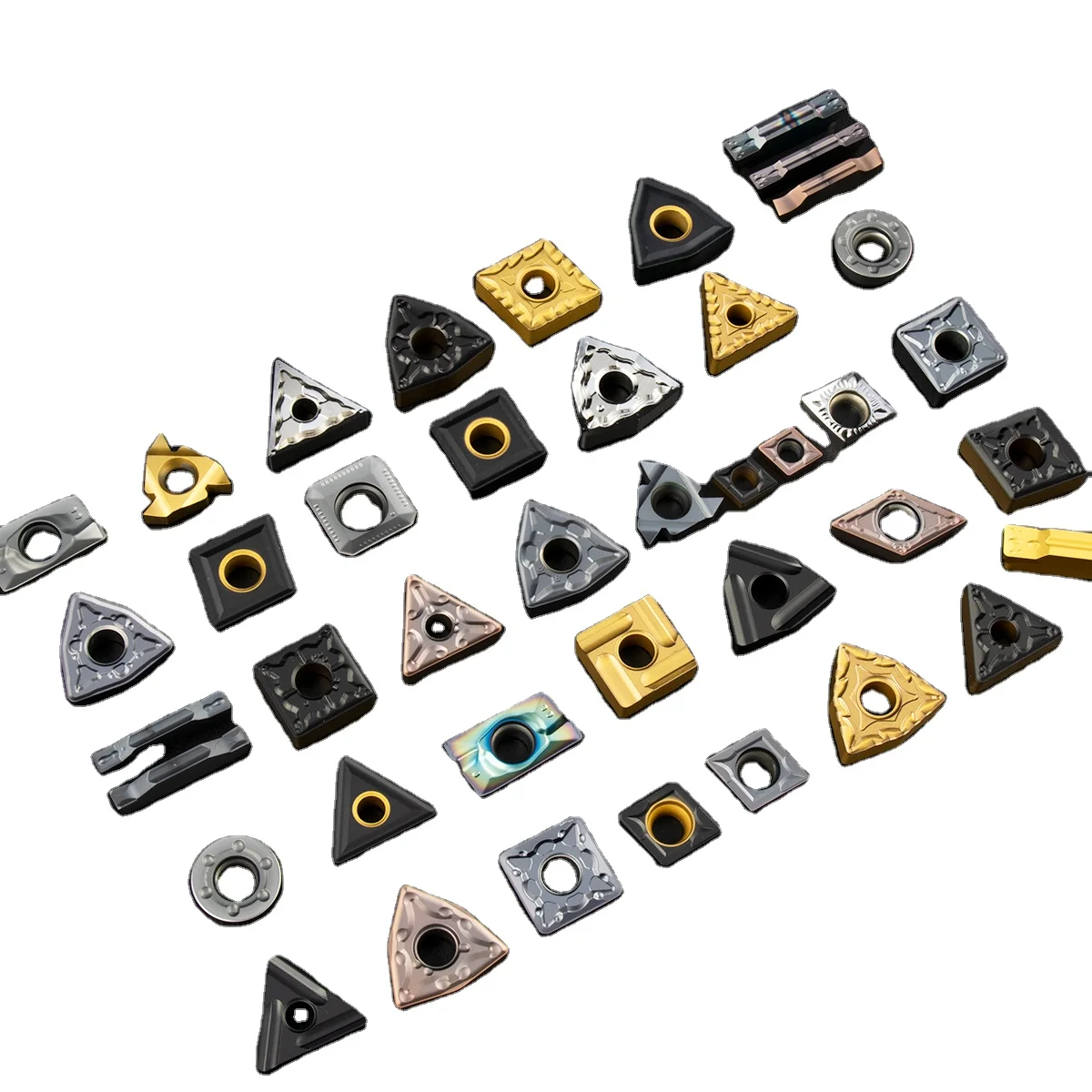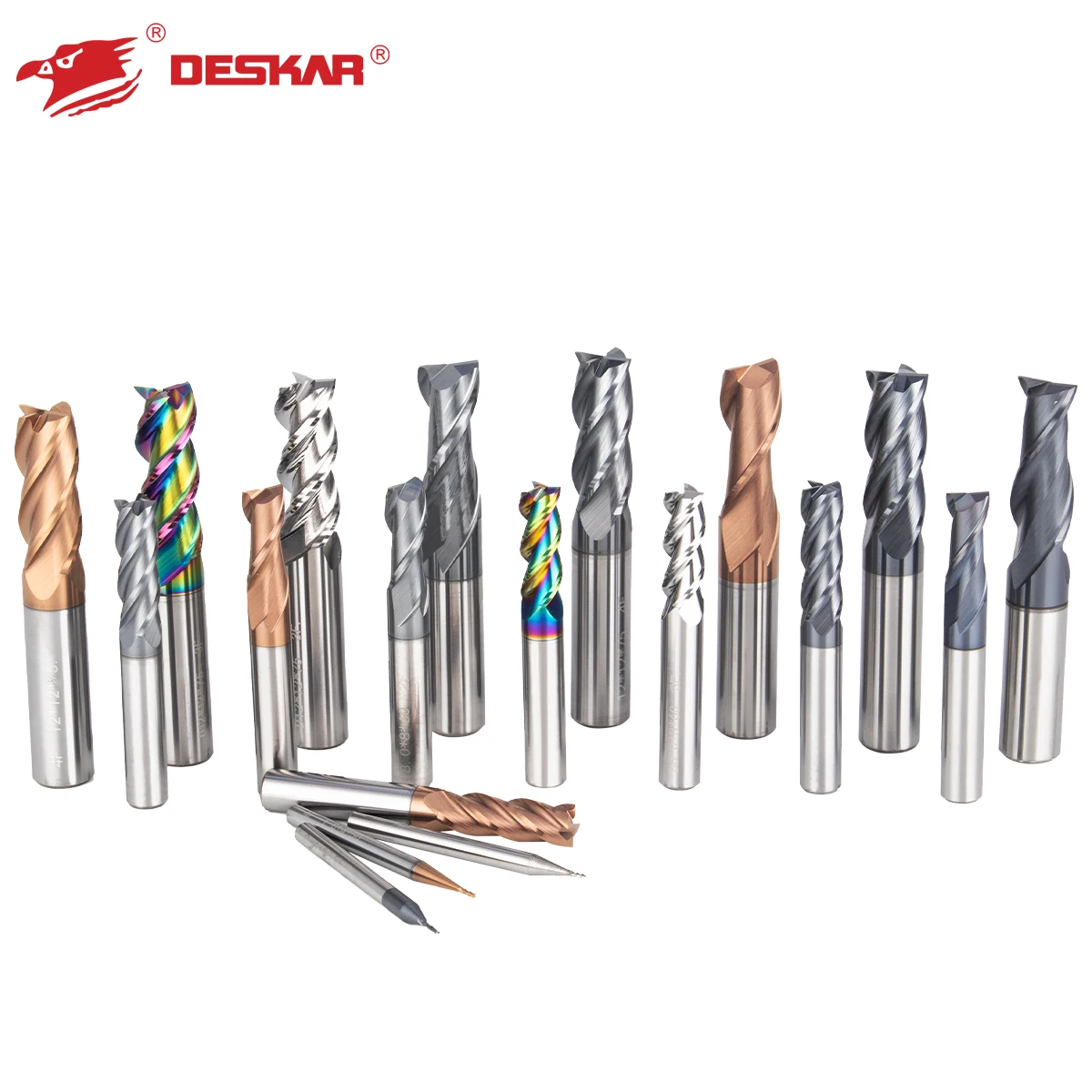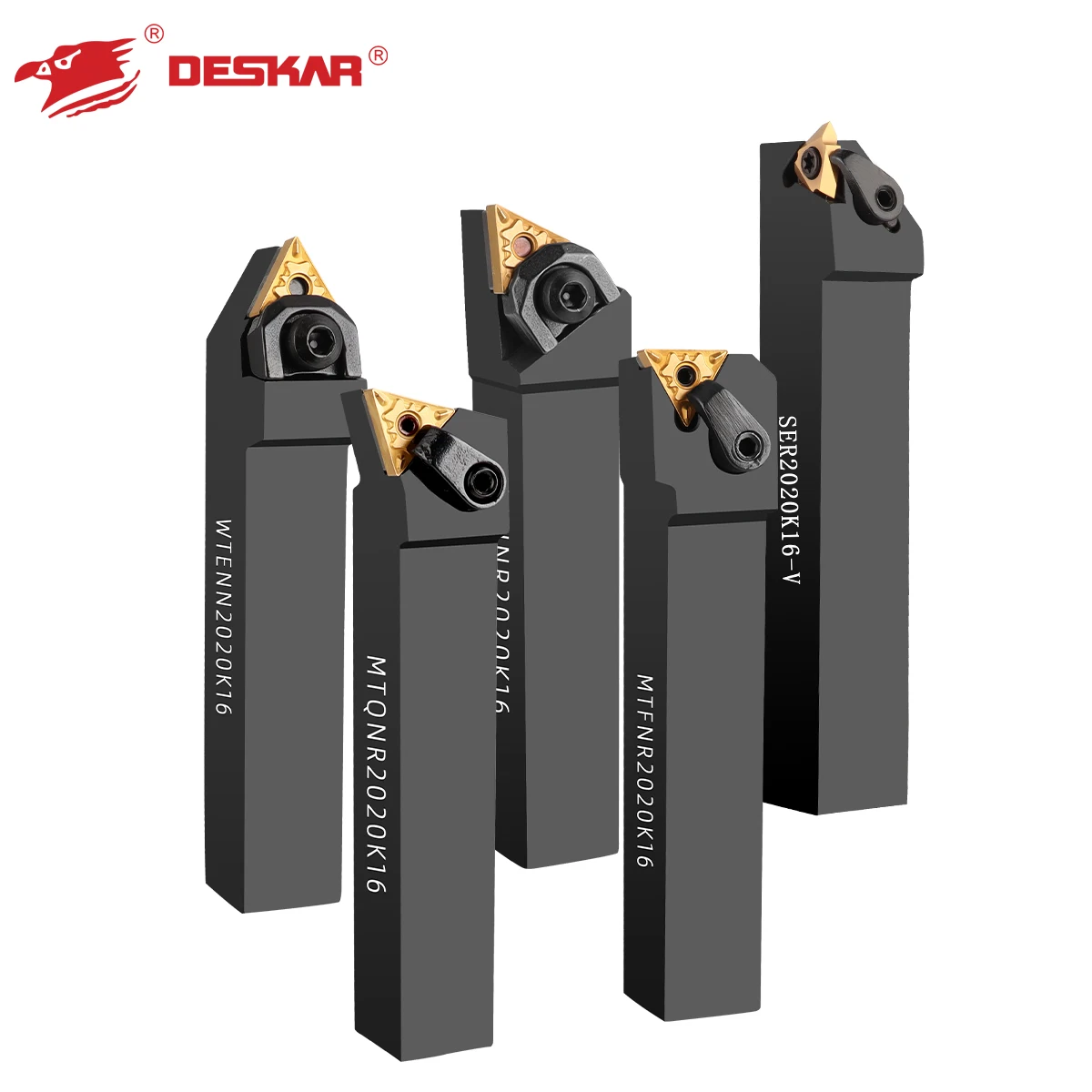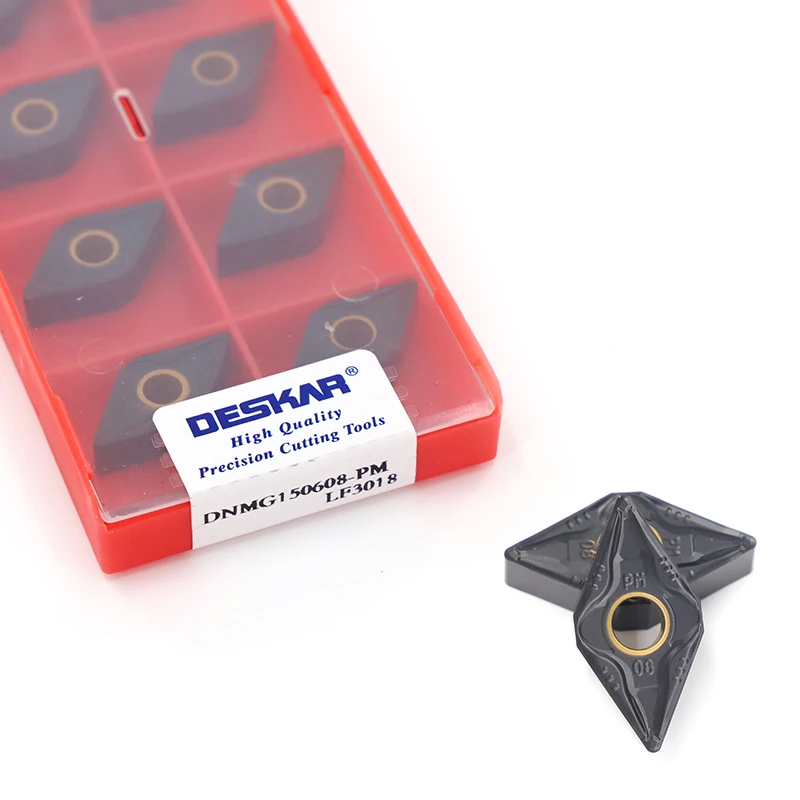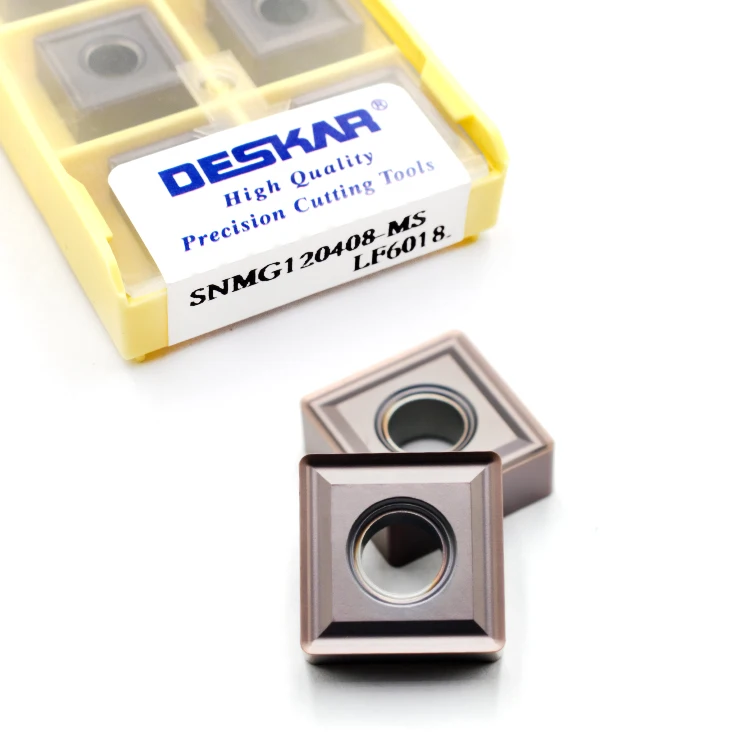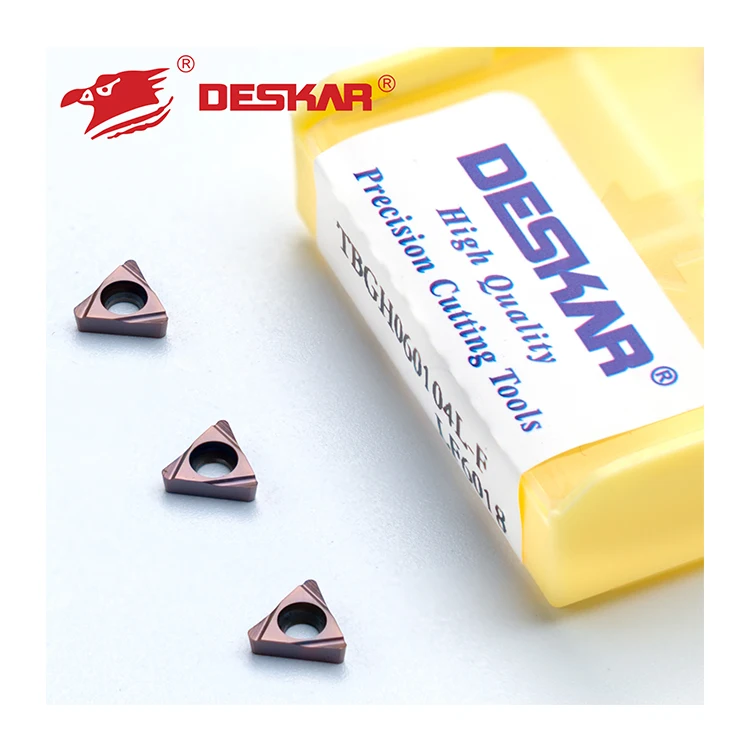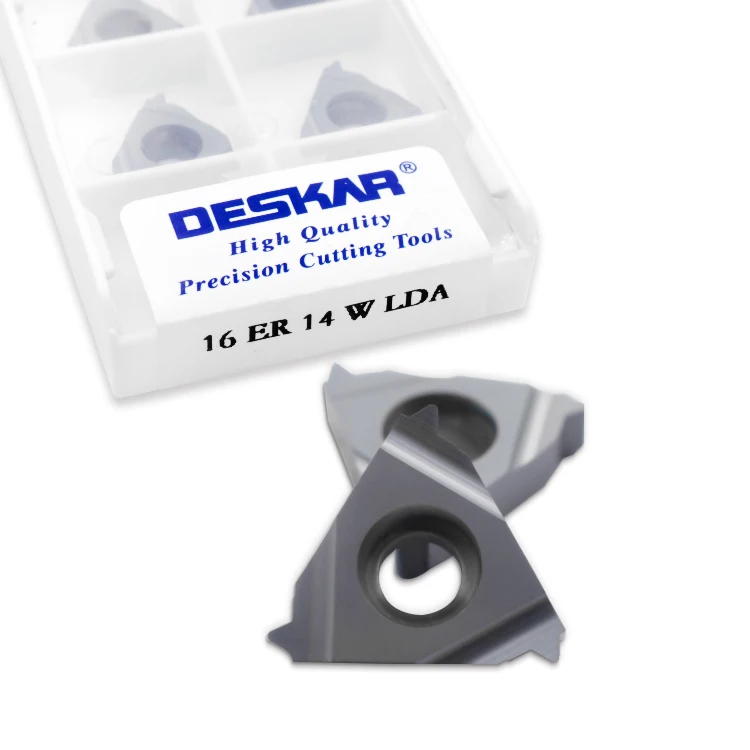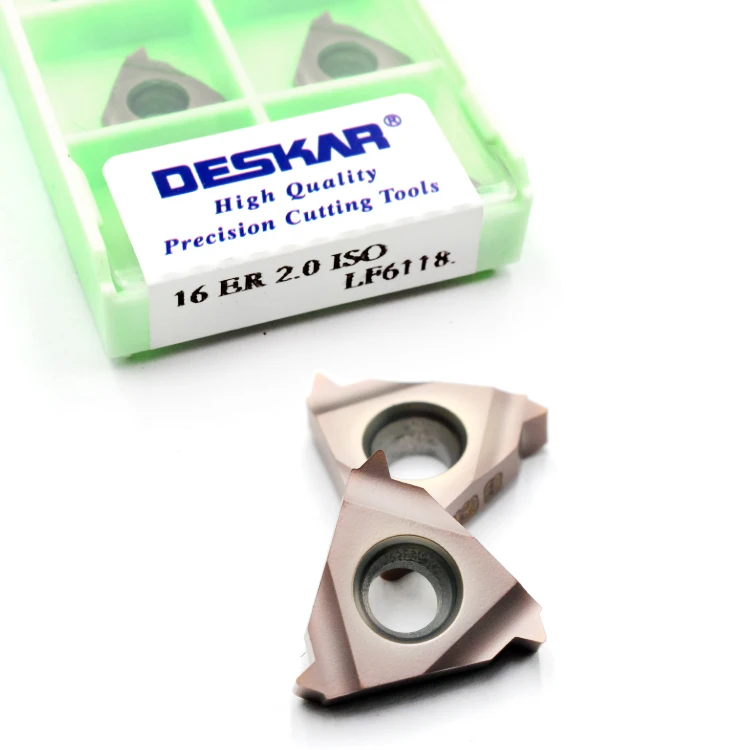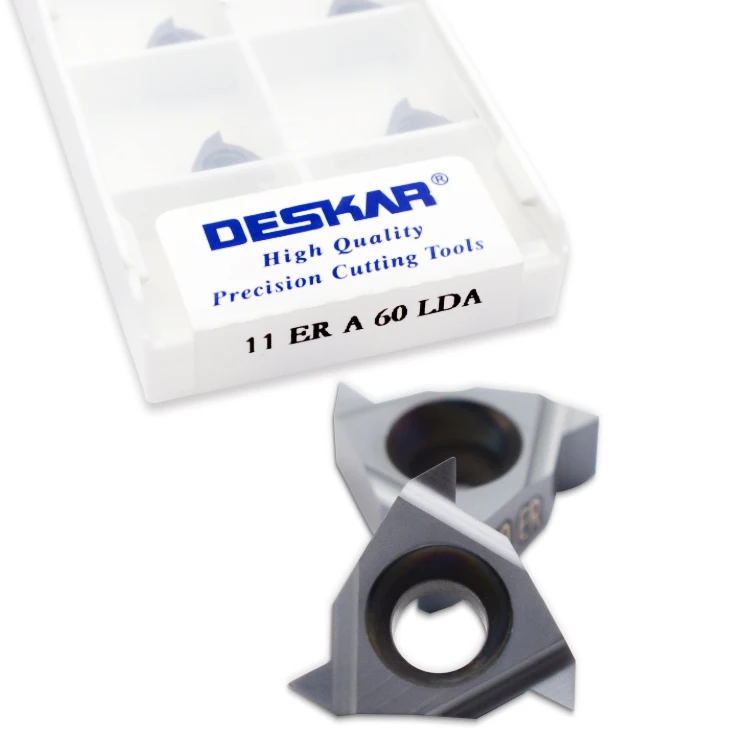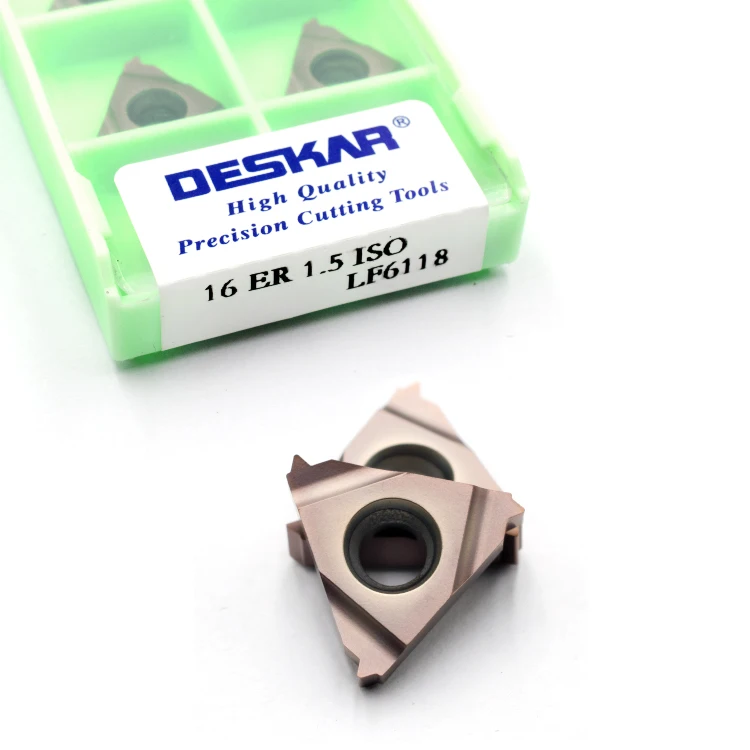
M6 threaded inserts are essential fasteners used in various applications, providing strong and reliable threaded connections in materials that may not support a direct thread. As a purchasing manager or engineer, your main concerns may include the quality, specifications, and sourcing options for these inserts. This article will help you understand how to evaluate DESKAR threaded bolt inserts, what specifications to consider, where to source them, installation guidance, and common problems along with their solutions.
When assessing the quality of M6 threaded inserts, consider several key factors. First, examine the material used in manufacturing; high-quality inserts are often made from stainless steel or carbon steel, providing superior strength and corrosion resistance. Next, look for inserts with proper surface treatments, such as PVD (Physical Vapor Deposition) or CVD (Chemical Vapor Deposition) coatings, which enhance wear resistance and longevity.
Quality control processes are crucial as well. Ensure that the manufacturer has robust quality assurance protocols in place, including dimensional inspections and tensile strength testing. Certifications such as ISO 9001 can also indicate a commitment to quality. Finally, buyers should request samples to verify fit and performance in actual applications before committing to larger orders.
Understanding the specifications of M6 threaded inserts is vital for ensuring compatibility with your applications. Key specifications include:
Thread Type: M6 denotes a specific metric thread size (6 mm diameter). Confirm if you need fine or coarse threads based on your application.
Length: The length of the insert affects its load-bearing capacity and the thickness of the material it will be installed in. Make sure to choose a length that suits your specific application.
Material: As mentioned, the choice of material affects strength and resistance to environmental factors. Consider the operating environment—will it be exposed to moisture, chemicals, or extreme temperatures?
Coating: Coatings can impact the insert's performance in specific environments. Evaluate whether a coating is necessary for your application, such as for corrosion or wear resistance.
Pull-out Strength: This measurement determines how much force the insert can withstand before being pulled out of the material. Ensure the insert’s pull-out strength meets or exceeds your application’s requirements.
Confirming these specifications prior to ordering will help ensure you receive inserts that fit your needs and perform reliably over time.
Sourcing M6 threaded inserts requires careful consideration to ensure reliability and quality. Start by identifying manufacturers with expertise in precision tools, like Lifeng Precision Tools (Zhejiang) Co., Ltd., known for its advanced manufacturing capabilities and custom solutions.
When evaluating suppliers, consider the following:
Reputation: Research the supplier’s reputation in the industry. Look for customer testimonials and case studies that demonstrate their reliability.
Production Capacity: Ensure the DESKAR threaded bushing insert supplier can meet your volume requirements. Ask about their production capacity and lead times to avoid delays in your projects.
Customization Options: If your application requires specific dimensions or materials, check if the supplier offers customization. This can be critical for achieving the best fit and performance.
Export Experience: If you're sourcing internationally, ensure the supplier has experience with international shipping and can provide necessary documentation for customs clearance.
Support Services: A good supplier should offer technical support and assistance in selecting the right product for your needs.
By carefully evaluating potential suppliers, you can ensure a reliable source for your M6 threaded inserts
Proper installation of M6 threaded inserts is crucial to ensure their effectiveness and longevity. Here are key steps to follow during installation:
Preparation: Ensure that the installation site is clean and free from debris. The hole should be drilled to the correct diameter and depth, matching the specifications of the insert.
Insertion Method: Depending on the type of threaded insert, you may need to use a specific tool for installation. For example, some inserts require a special installation tool or a press fit, while others can be installed with simple hand tools.
Torque Specifications: Follow the manufacturer’s guidelines for torque settings during installation. Over-tightening can damage the insert or the surrounding material, while under-tightening can lead to loosening over time.
Testing: After installation, conduct a test to verify that the insert is secure and that it can withstand the expected load. This may involve performing a pull-out test to ensure the insert is holding correctly.
Maintenance: Depending on the application, regular inspections may be necessary to check for wear and ensure the insert remains secure.
By following these guidelines, you can enhance the reliability of M6 threaded inserts in your applications.
Despite their reliability, M6 threaded inserts can encounter issues during installation and usage. Here are some common problems and solutions:
Insert Spin-Out: This can occur if the insert is not installed properly or if the material does not provide enough grip. To resolve this, ensure that the hole is drilled accurately and that the appropriate installation method is used.
Corrosion: In environments with high humidity or exposure to chemicals, threaded inserts may corrode. Selecting inserts with suitable materials and coatings can mitigate this issue. Consider using DESKAR threaded screw inserts made from stainless steel or those with protective coatings.
Insufficient Load Capacity: If the insert fails under load, it may be due to incorrect specifications. Always confirm the pull-out strength and dimensions against your application's requirements before installation.
Misalignment: Misalignment during installation can lead to stripped threads. Use alignment tools or jigs to ensure the inserts are installed straight and accurately.
Wear and Tear: Over time, inserts can wear down due to repeated use. Regular inspection and replacement of worn inserts can maintain the integrity of the assembly.
By anticipating these challenges and implementing effective strategies, you can enhance the performance and reliability of M6 threaded inserts in your applications.