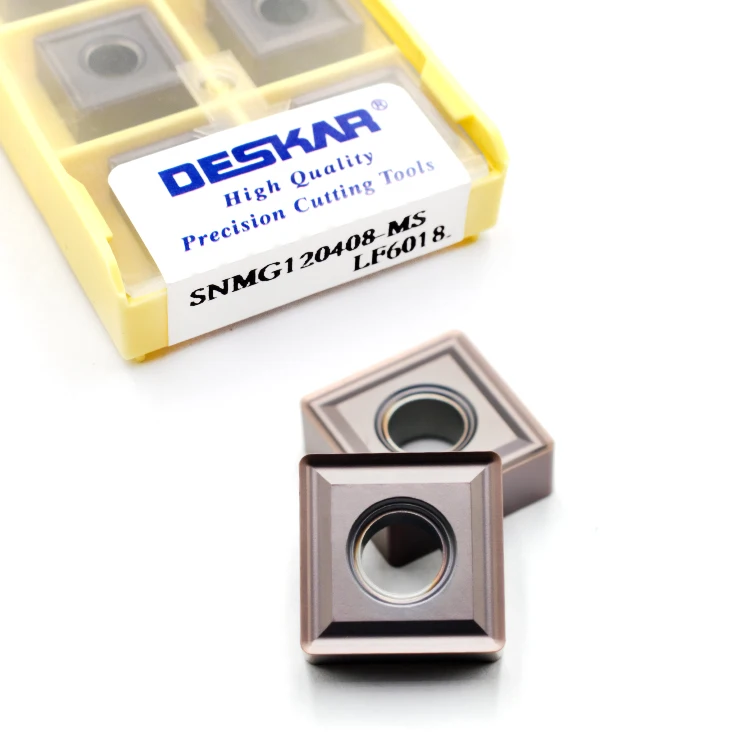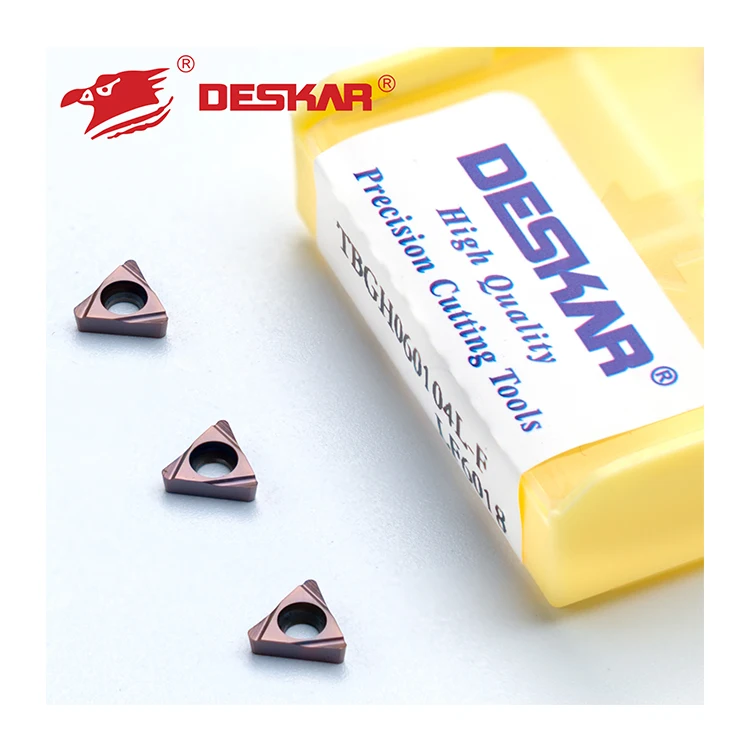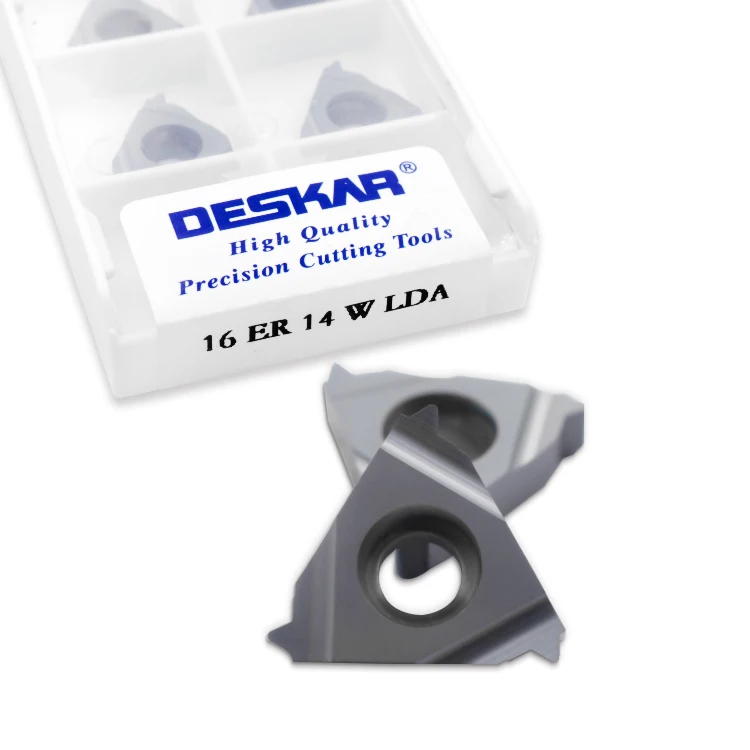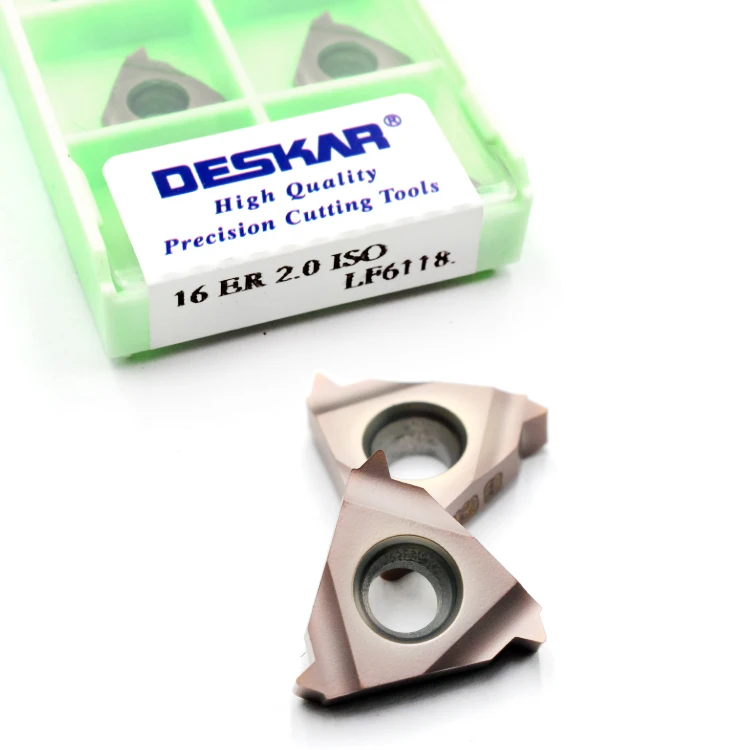
Custom end mills are specialized cutting tools designed for precision milling operations in various industrial applications. They play a critical role in manufacturing components across sectors such as automotive, aerospace, and mold-making. When sourcing custom end mills, buyers often have concerns about specifications, quality, and supplier reliability. This article will provide insights into what to consider when sourcing these tools, the key specifications that ensure high performance, how to evaluate quality, where to find reliable suppliers, and common issues that may arise with custom end mills.
When sourcing custom end mills, it is essential to assess several factors to ensure they meet your operational requirements. First, identify the specific machining applications; different materials and designs may be necessary based on the workpiece material, such as steel, aluminum, or composite materials.
Next, consider the required cutting parameters, including the diameter, flute count, and length, as these will affect the tool's performance and the quality of the finished product. Additionally, evaluate the manufacturer’s capabilities for customization, as bespoke solutions may be needed to achieve optimal results in specialized applications.
Buyers should also verify the manufacturer's production processes and quality control measures. For example, LIFENG PRECISION TOOLS (ZHEJIANG) CO., LTD utilizes advanced milling tools and strong R&D capabilities, ensuring that their tools are designed to meet specific industry standards and customer requirements.
Lastly, consider lead times and minimum order quantities (MOQs), as these factors can significantly impact production schedules.
Several technical specifications are crucial for ensuring the performance of custom end mills. These include:
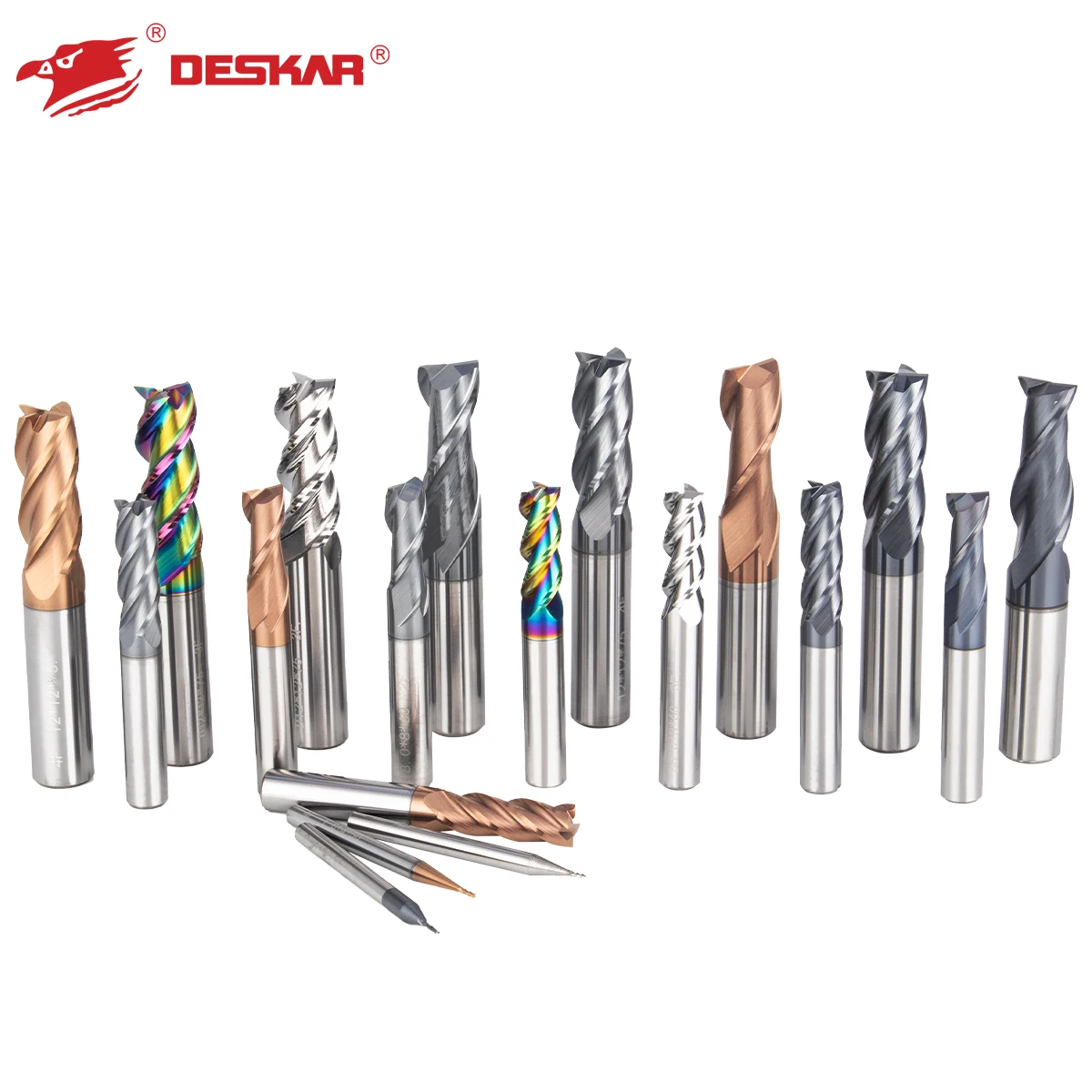
Material Composition: The choice of material directly affects tool durability and performance. High-speed steel (HSS) is common for general-purpose applications, while carbide is preferred for high-precision and high-speed operations due to its hardness and resistance to wear.
Coating: PVD (Physical Vapor Deposition) and CVD (Chemical Vapor Deposition) coatings enhance the performance of end mills by reducing friction and improving wear resistance. Selecting the right coating is essential for prolonging tool life and achieving better surface finishes.
Flute Design: The number of flutes impacts chip removal and cutting efficiency. While two-flute end mills are ideal for softer materials, four-flute designs are better suited for harder materials, providing better rigidity and surface finish.
Geometry: The cutting edge geometry, including helix angle and rake angle, determines the tool's cutting action and the type of finish it produces. Customizing these parameters based on application requirements can enhance performance.
Size and Tolerance: Precise dimensions and tolerances are critical for fitting within specific machining setups. Always confirm the required specifications with the supplier to avoid compatibility issues.
Understanding these specifications can help buyers select the right custom end mills tailored to their unique machining needs.
Evaluating the quality of custom end mills is pivotal before committing to a purchase. Start by requesting samples to assess the manufacturing quality firsthand. While examining samples, look for surface finish, dimensional accuracy, and overall craftsmanship.
Furthermore, inquire about the manufacturer’s quality control processes. A reputable supplier, such as LIFENG PRECISION TOOLS, should have established protocols for testing and inspecting tools at various stages of production. Certifications, if available, can also serve as indicators of quality assurance.
It is advisable to check for previous customer reviews and case studies. Feedback from other buyers can highlight potential issues or advantages associated with specific custom end mills.
Finally, ensure the end mills meet applicable industry standards and specifications relevant to your sector, whether it’s automotive, aerospace, or mold-making.
Finding trustworthy suppliers for custom end mills can be challenging but is crucial for ensuring consistent quality and timely delivery. Start by researching established manufacturers with proven expertise in the industry. Companies like LIFENG PRECISION TOOLS, based in Wenling, Zhejiang, have a strong reputation for producing high-precision cutting tools.
Industry trade shows and exhibitions can also be valuable opportunities to connect with potential suppliers, allowing you to evaluate their offerings and capabilities in person. Online platforms, such as B2B marketplaces and industry-specific directories, can help you compile a list of potential suppliers.
When contacting suppliers, ask for detailed product catalogs and specifications, including customization capabilities, pricing, and lead times. Furthermore, consider milling machine cutters with robust customer support and technical assistance, as this can be invaluable during the procurement process.
Despite the advantages of custom end mills, various challenges can arise during their use. One common issue is premature tool wear, which can result from incorrect material selection or inadequate coatings. To mitigate this, ensure that the chosen end mills are suitable for the specific machining application and environment.
Another frequent problem is chip clogging, often due to inappropriate flute design or cutting speeds. Buyers should optimize cutting parameters according to the material being processed and regularly inspect tools for signs of wear.
Additionally, deviations in dimensions can lead to compatibility issues with machining setups. Always verify that the specifications match the equipment and processes in use before production.
Finally, communication with the supplier is essential. If any issues arise post-purchase, discussing them with the manufacturer can lead to solutions or adjustments in future orders, ensuring improved performance.
By understanding these common problems and their solutions, buyers can make informed decisions when sourcing custom end milling bits, ultimately enhancing their manufacturing processes.