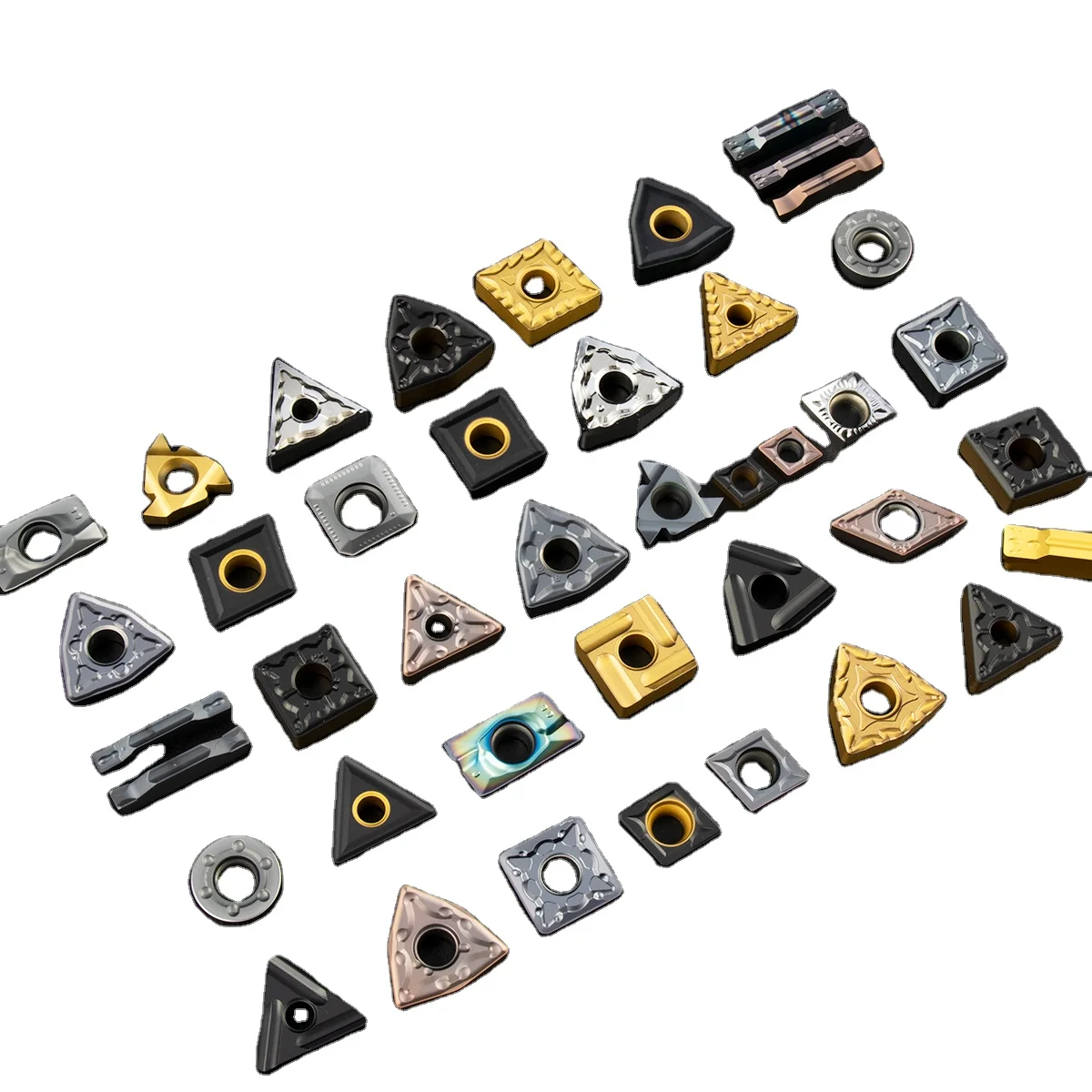
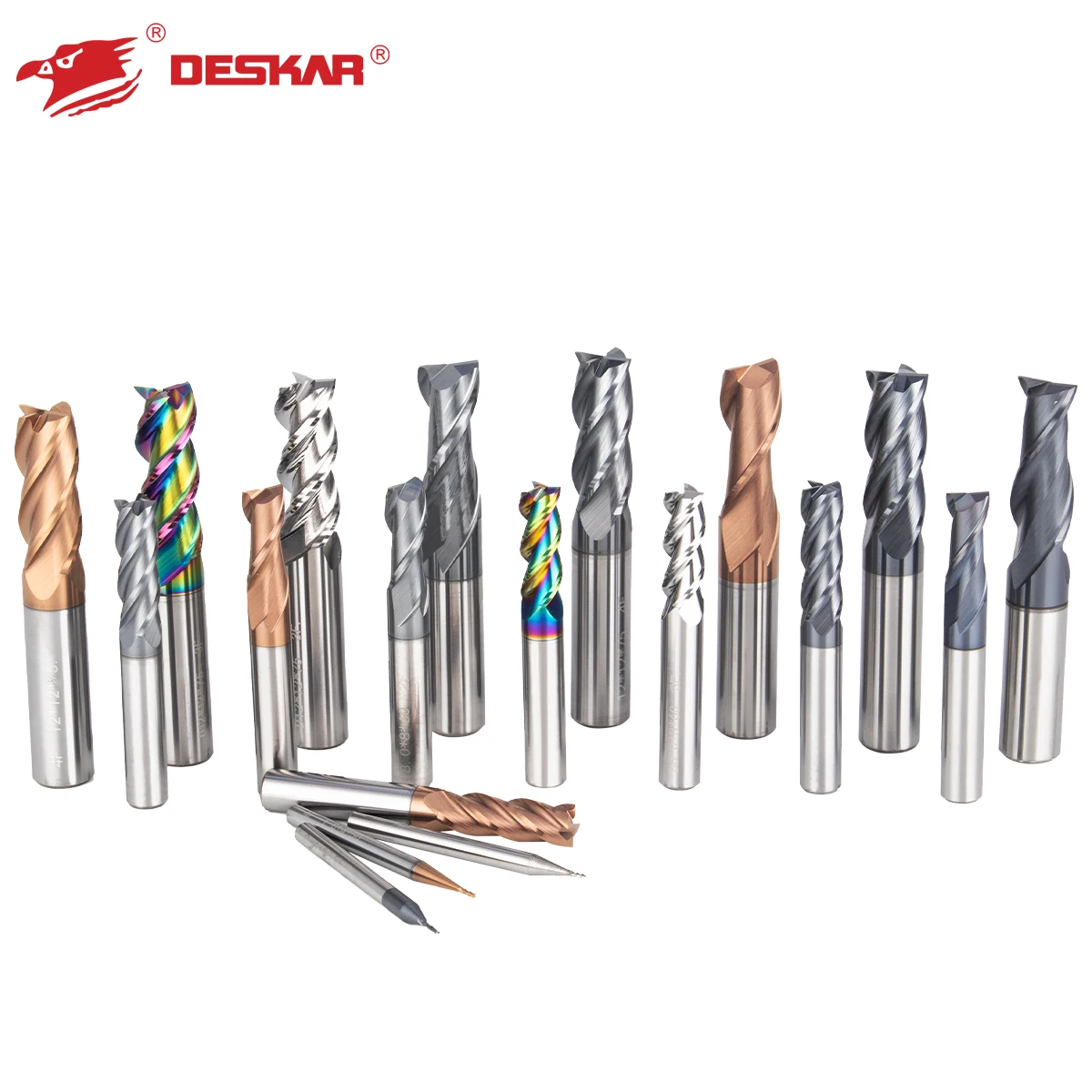
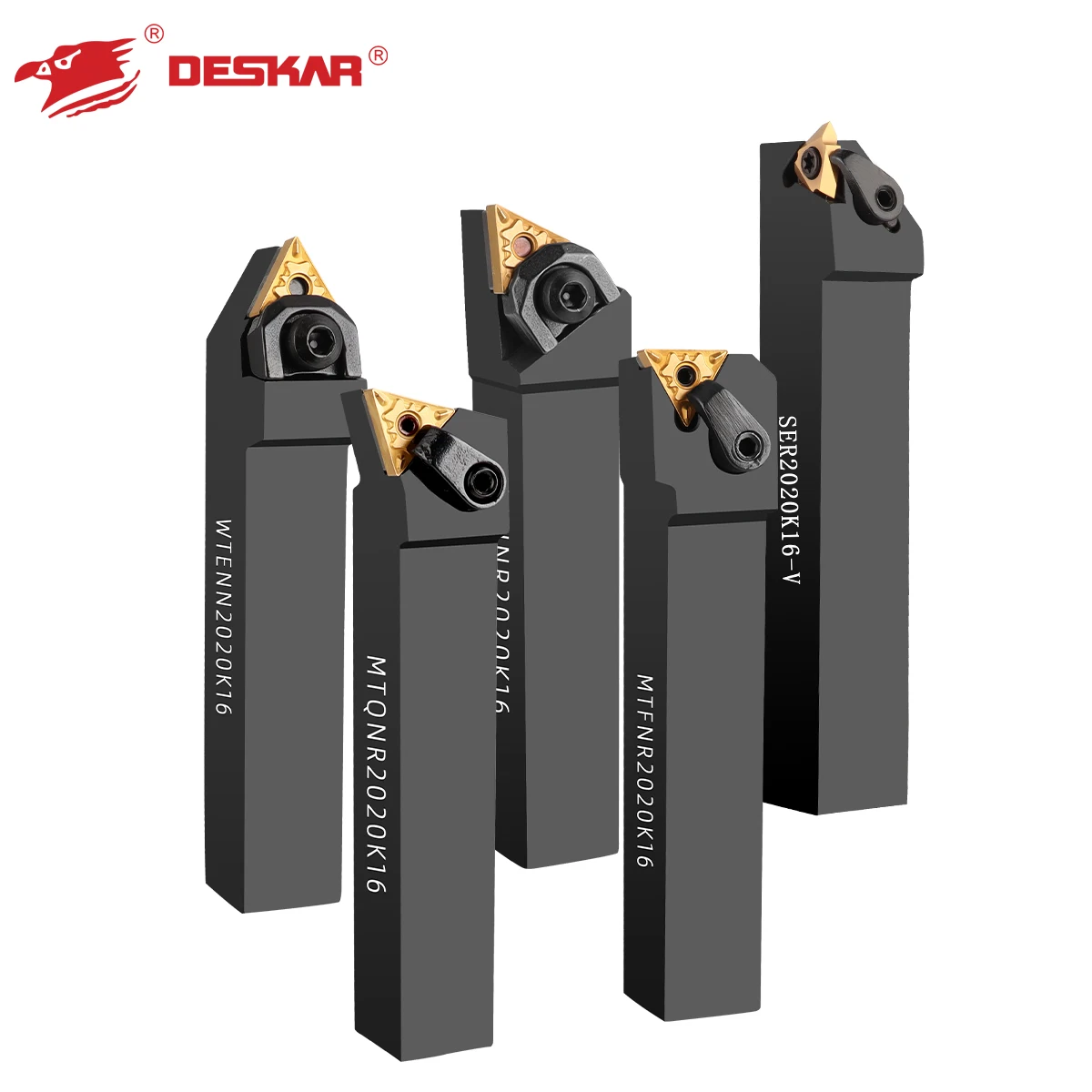
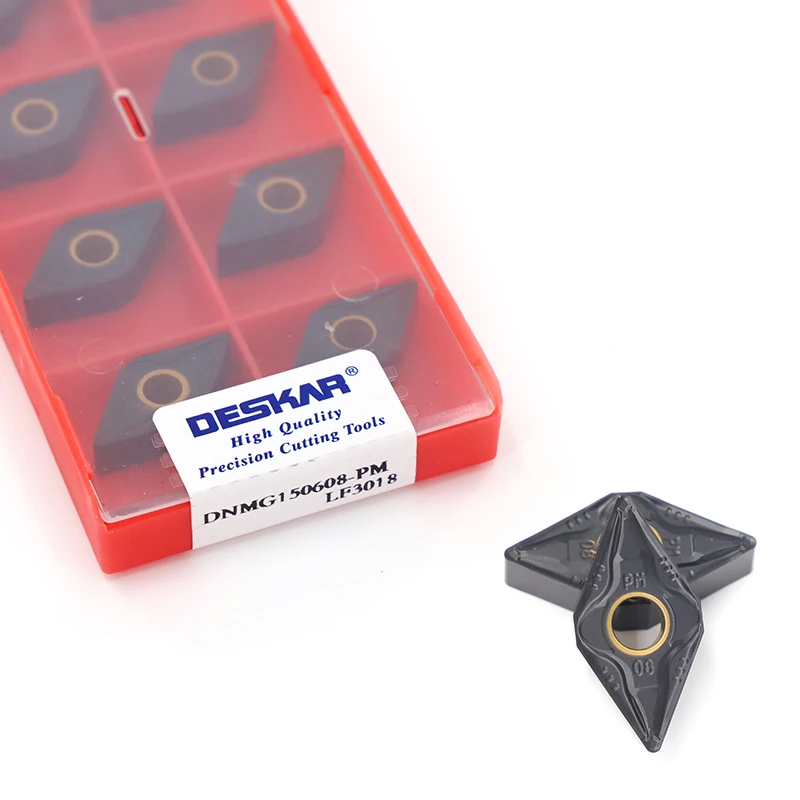
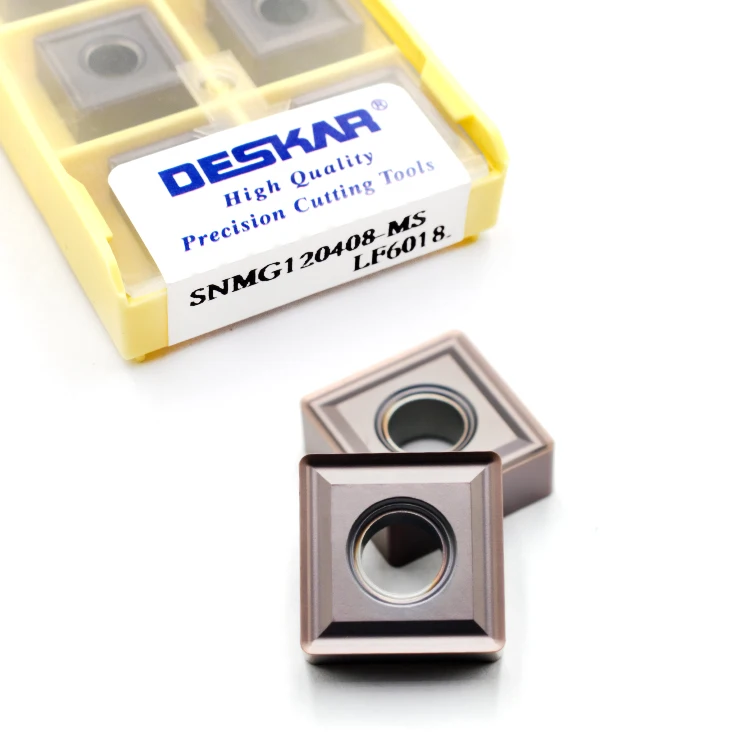
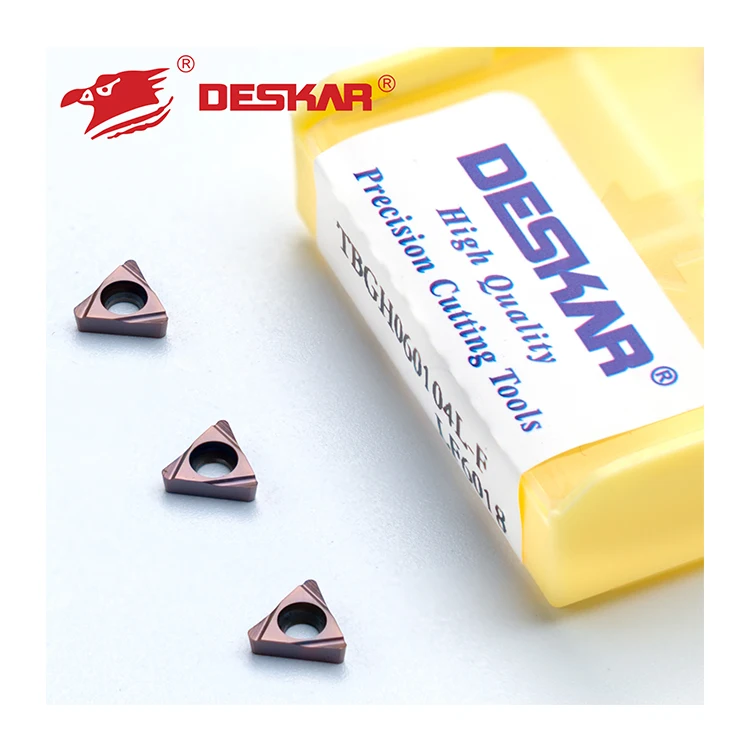
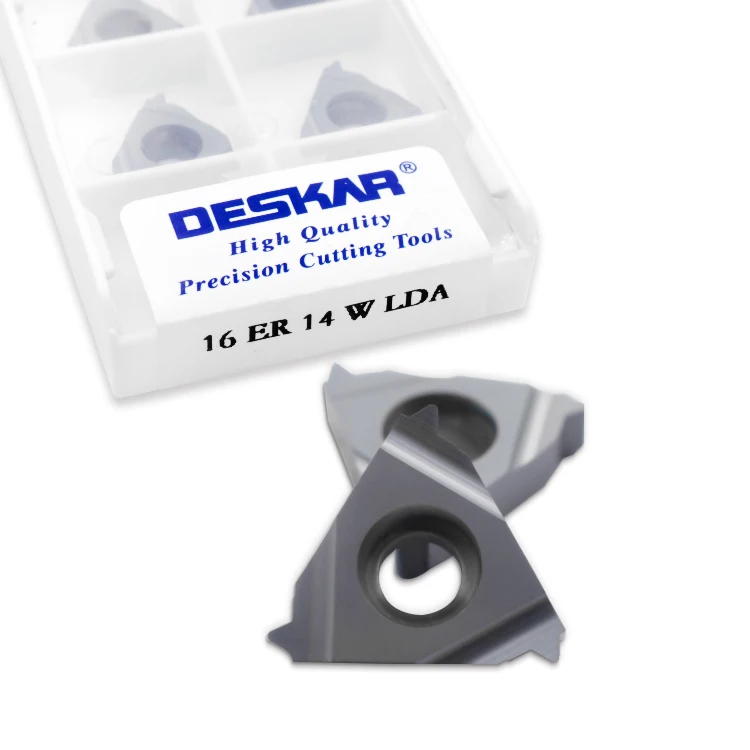
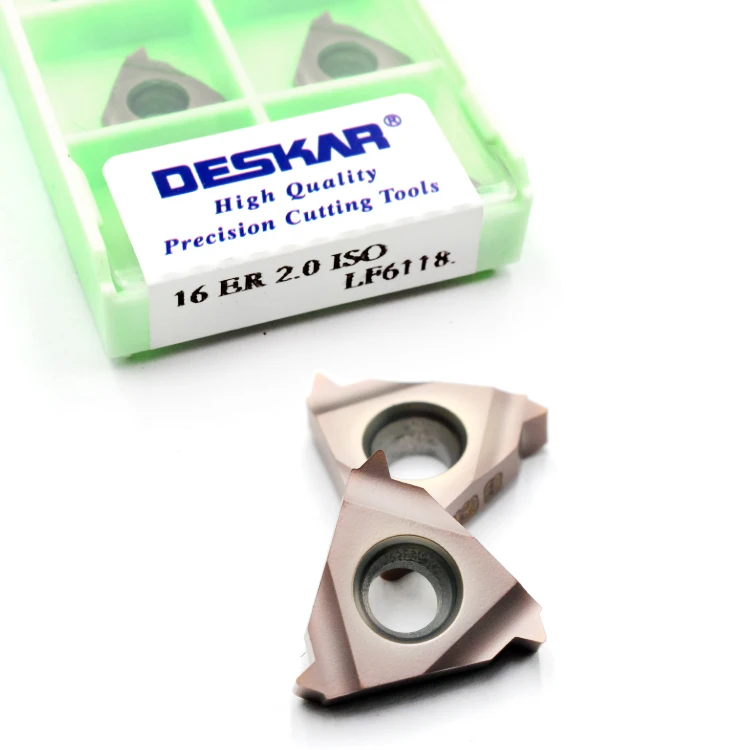
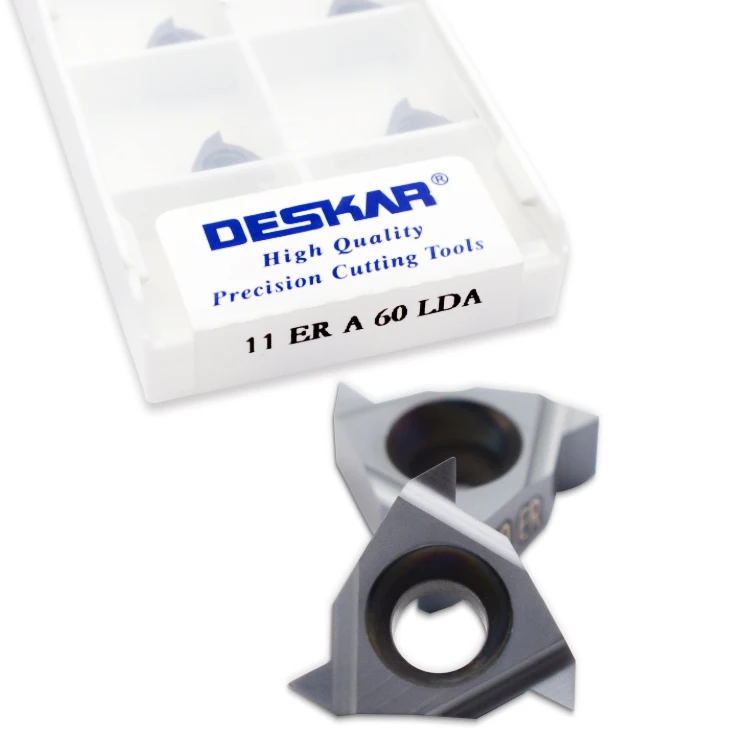
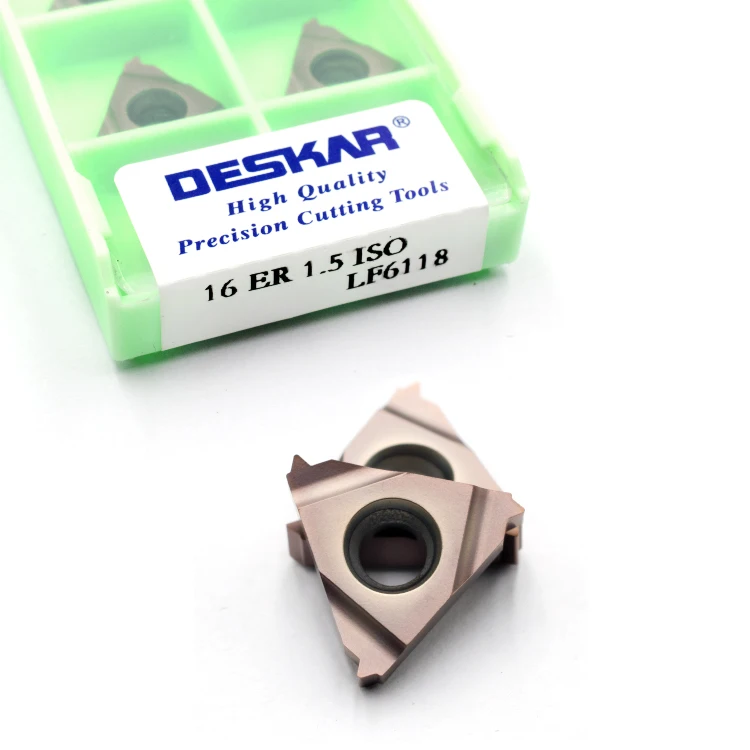
CNC milling cutters are essential tools used in precision machining to shape and finish materials such as metal, plastic, and composites. With their ability to create complex geometries and tight tolerances, these cutters are vital for industries like automotive, aerospace, and mold making. As a B2B buyer, understanding the specifications, quality factors, and cost considerations of DESKAR fly cutter for milling machine will help ensure you select the right tools for your projects. This article will guide you through key specifications, quality evaluation methods, cost factors, common issues, and the differences between standard and custom options.
When selecting CNC milling cutters, several specifications should be carefully considered to ensure optimal performance. Key specifications include:
Material: CNC milling cutters are typically made from high-speed steel (HSS), carbide, or cobalt. Carbide tools offer superior hardness and wear resistance, making them suitable for high-speed applications, while HSS is often more cost-effective for less demanding tasks.
Coatings: PVD (Physical Vapor Deposition) and CVD (Chemical Vapor Deposition) coatings enhance the cutting performance and longevity of milling cutters by reducing friction and increasing hardness. Choosing the right coating can significantly impact tool life and performance under varying conditions.
Geometry: The design of the cutter, including flute shape, helix angle, and cutting edge geometry, affects chip removal, surface finish, and tool stability. Understanding these geometric features will help you match the cutter to the material and application requirements.
Diameter and Length: The size of the cutter is crucial for achieving the desired depth of cut and overall machining efficiency. Ensure that the cutter diameter fits the specific tolerances and dimensions of the parts being produced.
Shank Type: CNC milling cutters come with various shank configurations, including straight, tapered, and threaded types. The shank type should be compatible with the machine tool holder to ensure proper fit and stability during operation.
Evaluating the quality of CNC milling cutters is essential to ensure they meet your project's requirements. Here are some factors to consider:
Manufacturer Reputation: Research the manufacturer’s history, experience, and customer reviews. Reputable manufacturers, like LIFENG PRECISION TOOLS (ZHEJIANG) CO., LTD, often have established quality control processes and certifications that ensure reliable product quality.
Quality Assurance Processes: Ask about the supplier's quality control measures, such as inspection protocols, testing procedures, and certification standards. Tools should be subjected to rigorous quality checks to prevent defects and ensure performance of the DESKAR milling machine cutters.
Sample Testing: Before placing a large order, request samples to evaluate their performance under actual machining conditions. Testing samples allows you to assess the cutter’s durability, precision, and suitability for your specific applications.
Feedback from Other Users: Seek feedback from other industry professionals who have used the same tools. Real-world experiences can provide valuable insights into the performance and longevity of the milling cutters.
Pricing for CNC milling cutters can vary significantly based on several factors:
Material and Coating: Cutters made from high-end materials like carbide or those with advanced coatings typically come at a higher price point. Assess whether the added cost aligns with your performance requirements.
Quantity: Bulk purchasing often leads to discounts. Consider your usage rate and whether ordering larger quantities can reduce overall costs.
Customization: Custom CNC milling cutters tailored to specific applications may incur additional design and manufacturing costs. However, these can lead to better performance and efficiency, justifying the investment.
Lead Time: Emergency orders or expedited deliveries might result in higher costs. Plan your purchases to allow for optimal lead times and avoid rush charges.
Supplier Terms: Evaluate payment terms, warranty options, and return policies as they can significantly influence the total cost of ownership.
CNC milling cutters can encounter several issues during operation, which can impact productivity. Here are some common problems and their solutions:
Tool Wear: Over time, milling cutters can dull, leading to poor finish quality and dimensional inaccuracies. Regular monitoring of tool condition and implementing a proactive replacement schedule can mitigate wear issues.
Chipping or Breakage: This is often caused by excessive cutting force, improper speeds, or inadequate cooling. Ensure that the cutting parameters are optimized for the material being machined and use appropriate coolant to prevent overheating.
Poor Surface Finish: A rough finish can result from dull cutters or incorrect feed rates. Regularly inspect cutter sharpness and adjust feed rates and speeds to achieve the desired surface quality.
Vibration: Excessive vibration can lead to poor machining accuracy and increased tool wear. Ensure that the workpiece is securely clamped, and consider using vibration-damping tools or fixtures.
When choosing between standard and custom CNC milling cutters, it is important to weigh the benefits and limitations of each option:
Standard Cutters: These are readily available and typically less expensive, making them suitable for general machining tasks. They are designed to meet common requirements and can be an excellent choice for high-volume production where uniformity is essential.
Custom Cutters: For specialized applications, custom CNC milling cutters offer tailored solutions that can enhance performance. These cutters are designed to meet specific geometries or material requirements, potentially improving efficiency and reducing cycle times. However, they may come with a higher price tag and longer lead times.
Application Suitability: Consider the complexity of your machining tasks. If standard cutters do not meet your precision or performance needs, investing in custom solutions may be worthwhile.
Cost vs. Benefit Analysis: Assess the total cost of ownership, including potential savings in material waste and machining time when opting for custom cutters. A well-designed custom tool can lead to better ROI in the long run.
By understanding the various specifications, evaluating quality, being mindful of cost factors, recognizing common issues, and comparing standard versus custom options, you will be better equipped to make informed decisions regarding DESKAR milling cutter for your manufacturing needs.