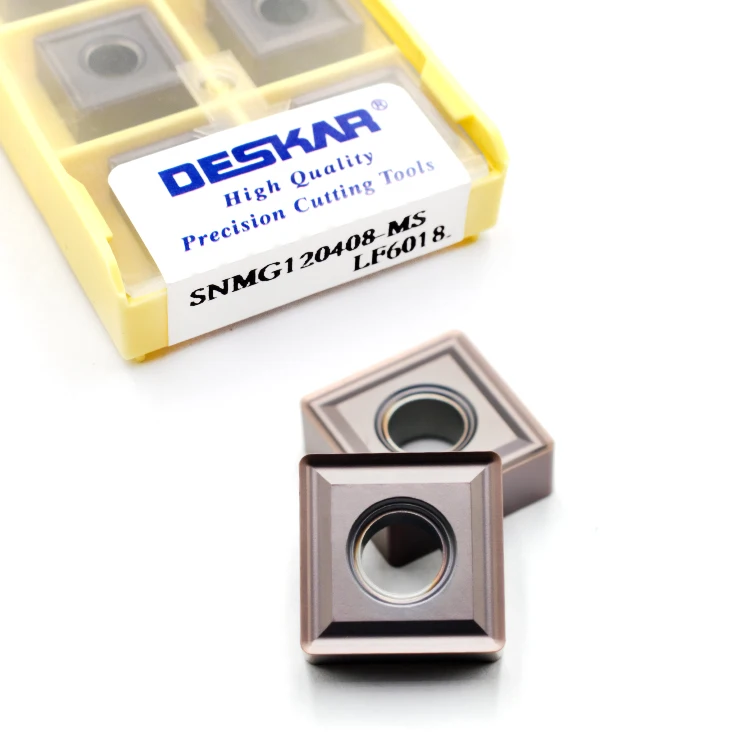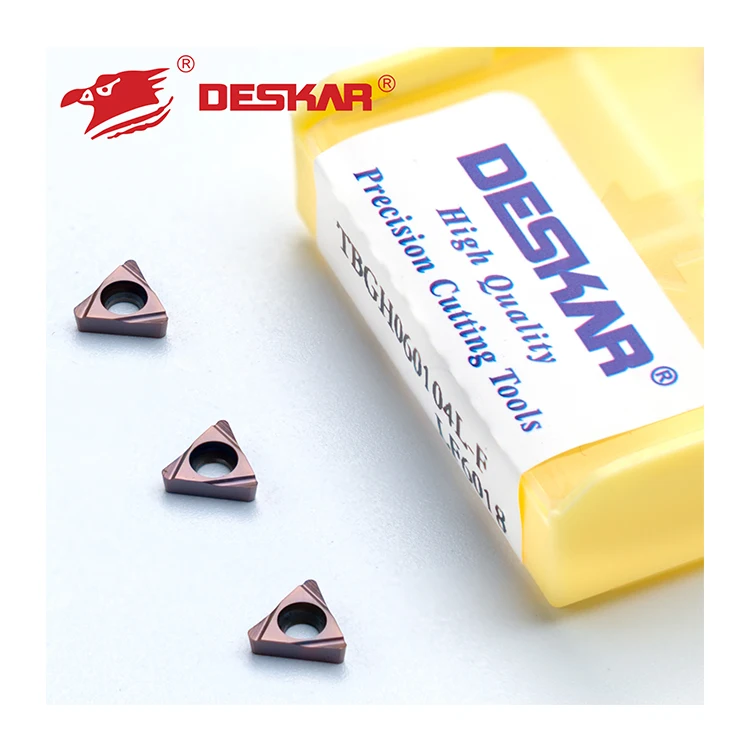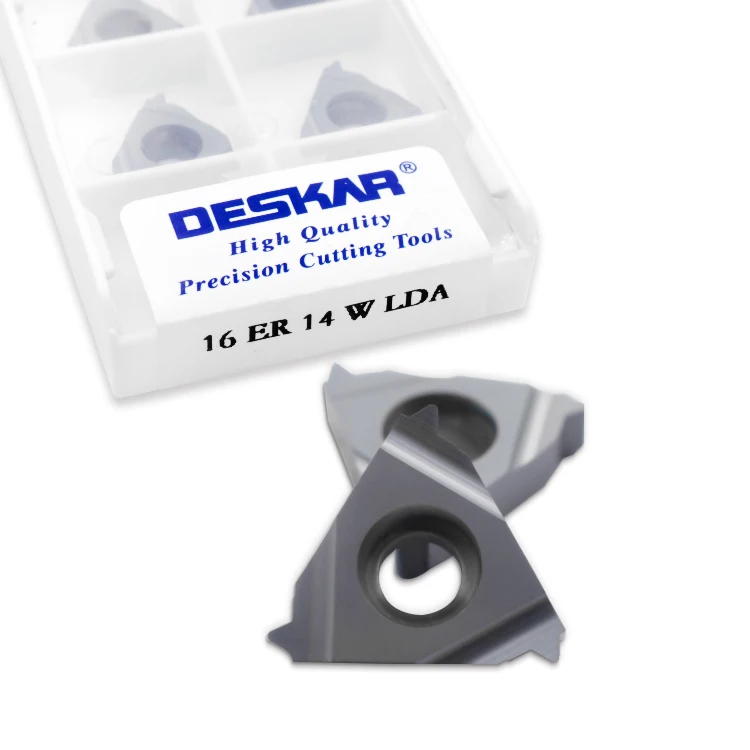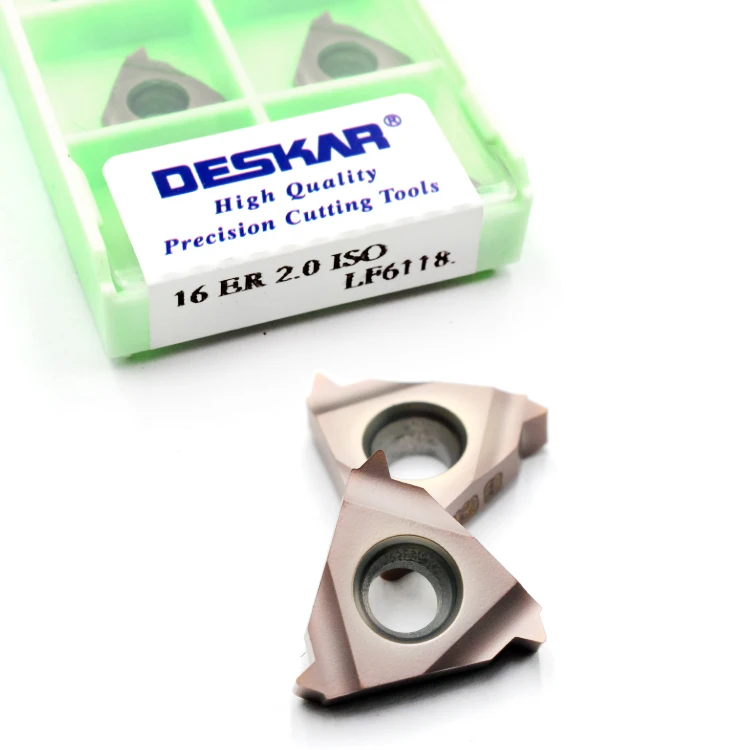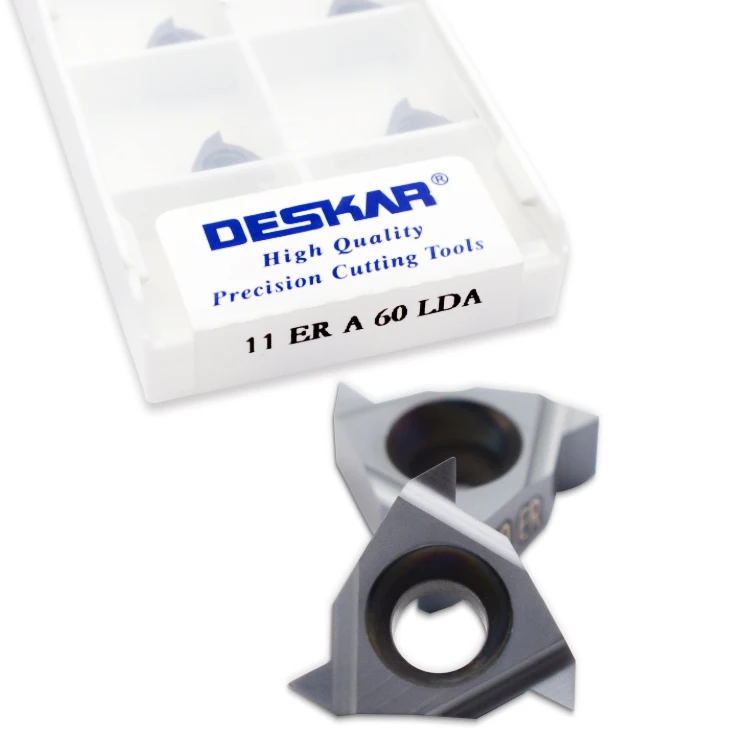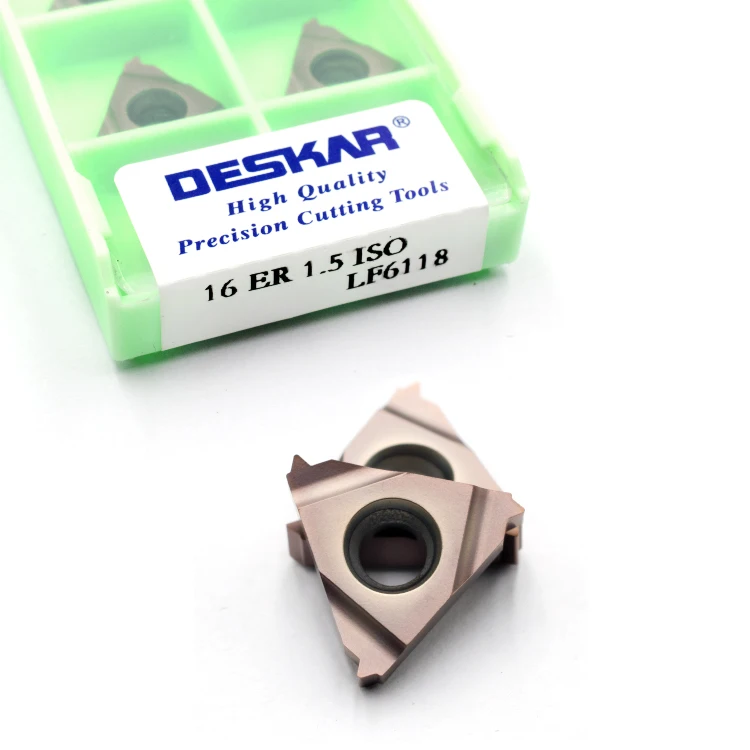
High-precision lathe tools are essential components in various manufacturing processes, playing a crucial role in turning and milling operations. For B2B buyers, understanding the intricacies of selecting the right tool for lathe applications is vital, as this decision impacts both production efficiency and output quality. This article provides insights into essential considerations when choosing lathe tools, key material advantages, installation guidance, common issues and solutions, and the applications of these DESKAR lathe cutting tools in industries like aerospace and automotive.
Selecting the appropriate tool for lathe operations involves various factors, including material compatibility, design specifications, and application requirements. Buyers should begin by assessing the specific needs of their projects, such as the type of material being machined (eg., steel, aluminum, or composites) and the desired finish quality.
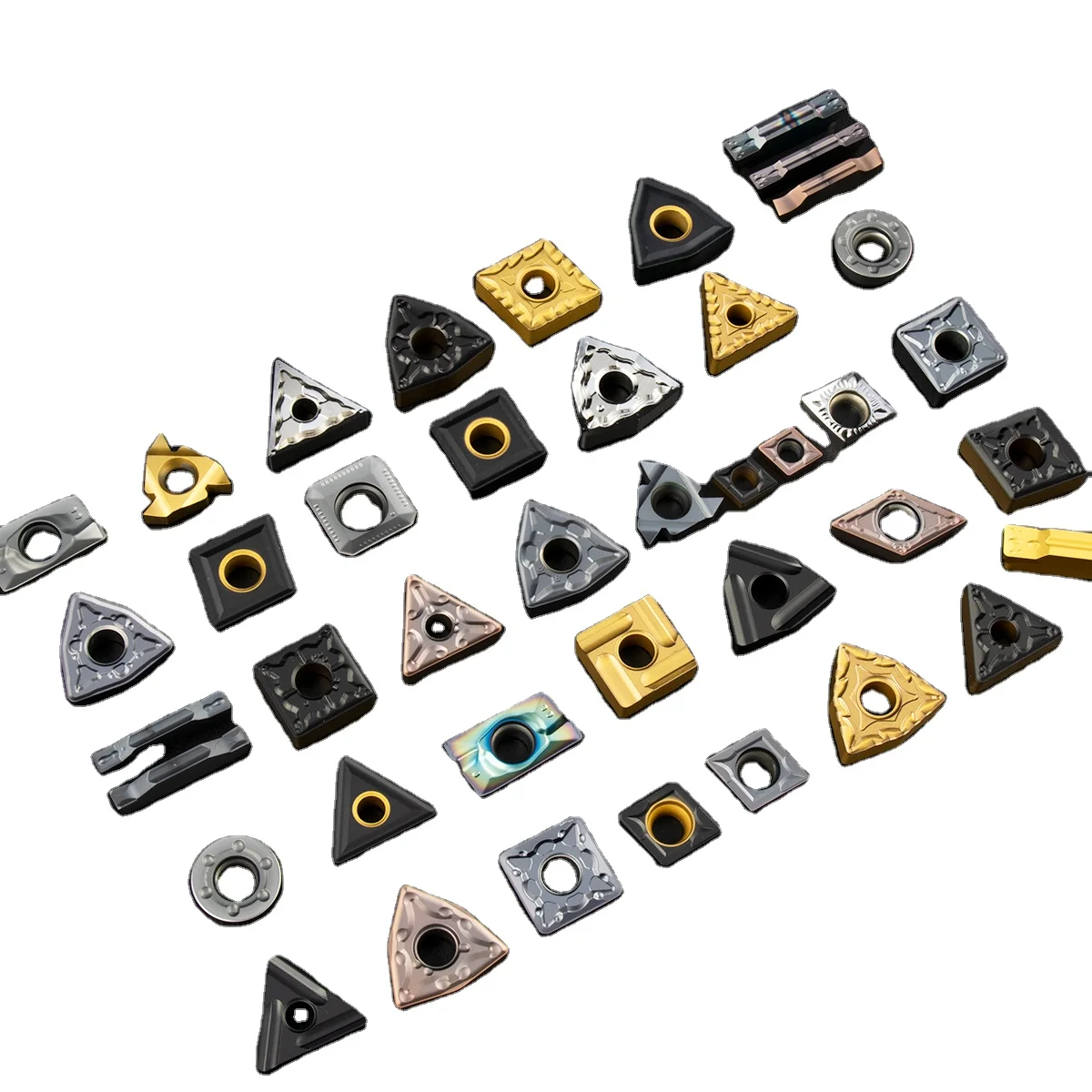
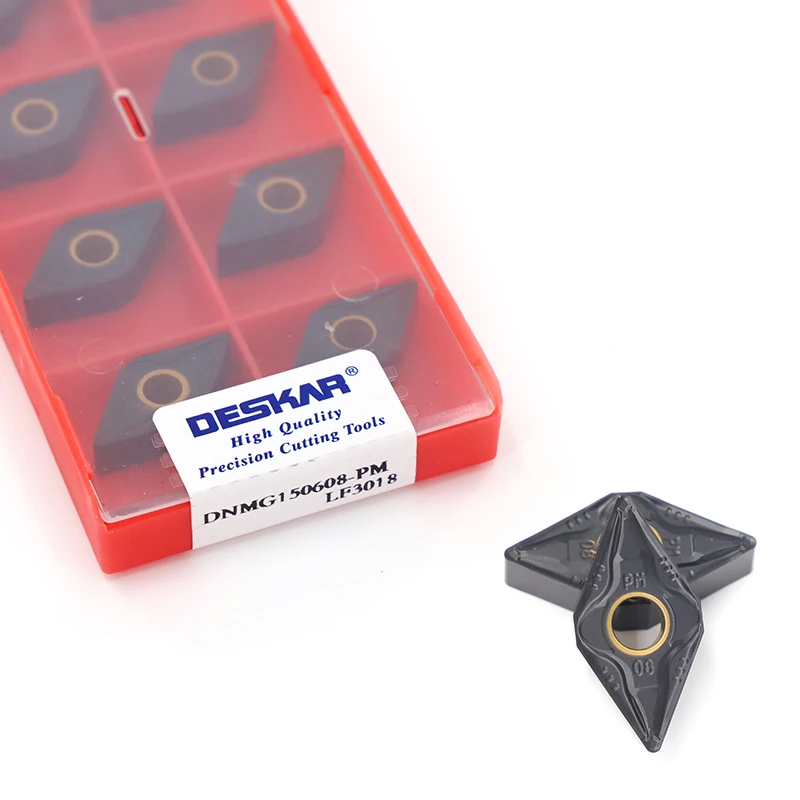
Tool geometry is another critical consideration. Different cutting tools, like indexable CNC blades or NC Arbors, offer various geometrical advantages tailored for specific tasks. For instance, a tool with a sharp cutting edge may be ideal for softer materials, while a more robust tool is necessary for harder materials to withstand wear and tear.
Moreover, considering customization options from manufacturers, such as LIFENG PRECISION TOOLS, can provide tailored solutions that enhance machining performance. Customers should request detailed specifications and, if possible, samples to ensure the selected tools meet their operational requirements.
The choice of materials for lathe tools significantly influences their performance, durability, and suitability for different applications. Common materials include high-speed steel (HSS), carbide, and ceramic, each offering unique advantages.
High-Speed Steel (HSS): While HSS tools are cost-effective and easy to sharpen, they tend to wear out faster than carbide counterparts. They are best suited for low to moderate-speed applications.
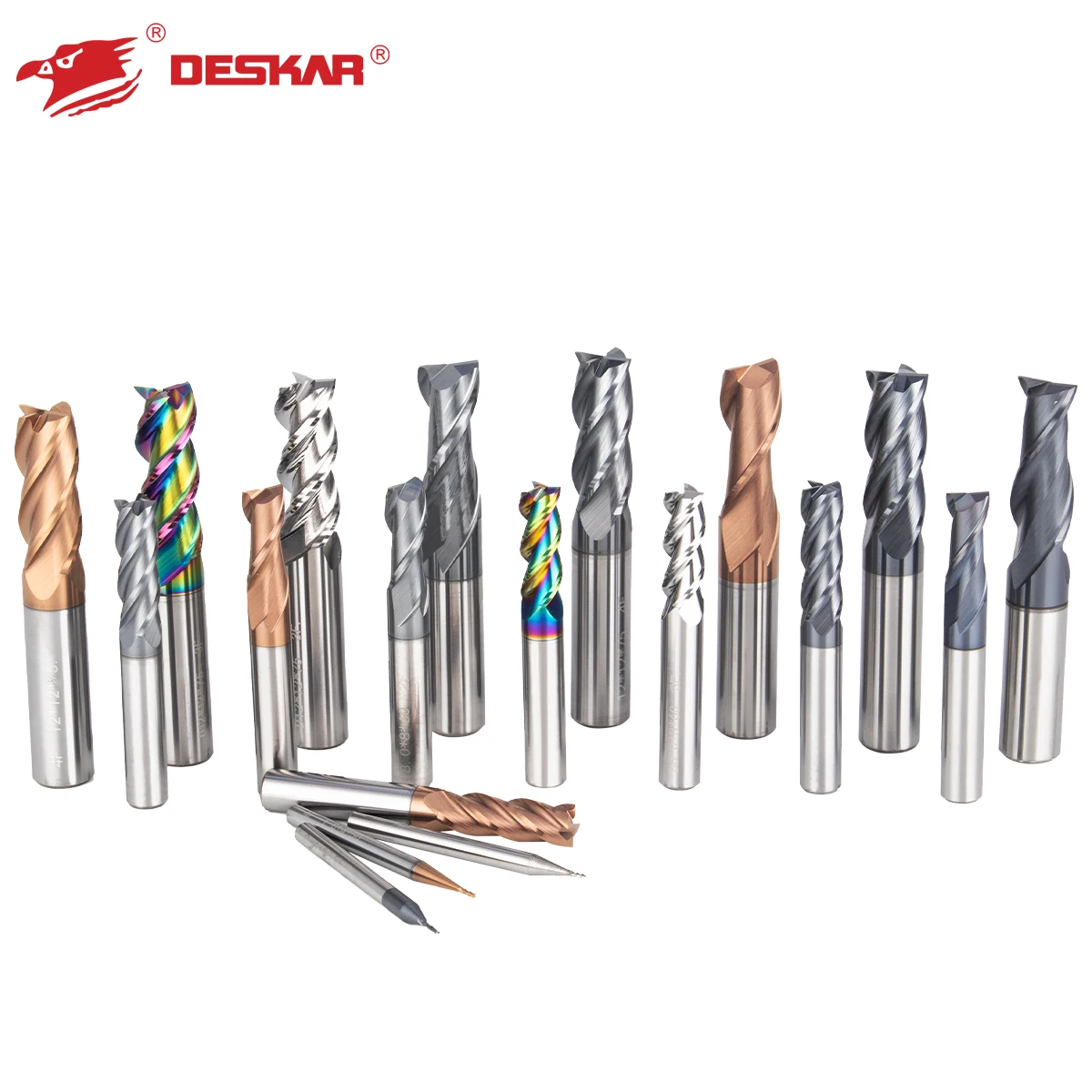
Carbide: Often preferred for high-precision operations, carbide tools can withstand higher temperatures and provide excellent wear resistance. Their ability to maintain sharpness longer makes them ideal for high-volume production runs, particularly in industries like aerospace and automotive where precision is paramount.
Ceramic Tools: Although more brittle, ceramic tools are advantageous for high-speed machining of hard materials. They can operate at higher temperatures, making them suitable for specific applications where thermal stability is critical.
When evaluating materials, buyers should consider the specific machining conditions, including the type of material being processed, cutting speed, and temperature requirements to select the best tool for their needs.
Proper installation and setup of lathe tools are essential for maximizing performance and minimizing downtime. Buyers should follow these guidelines:
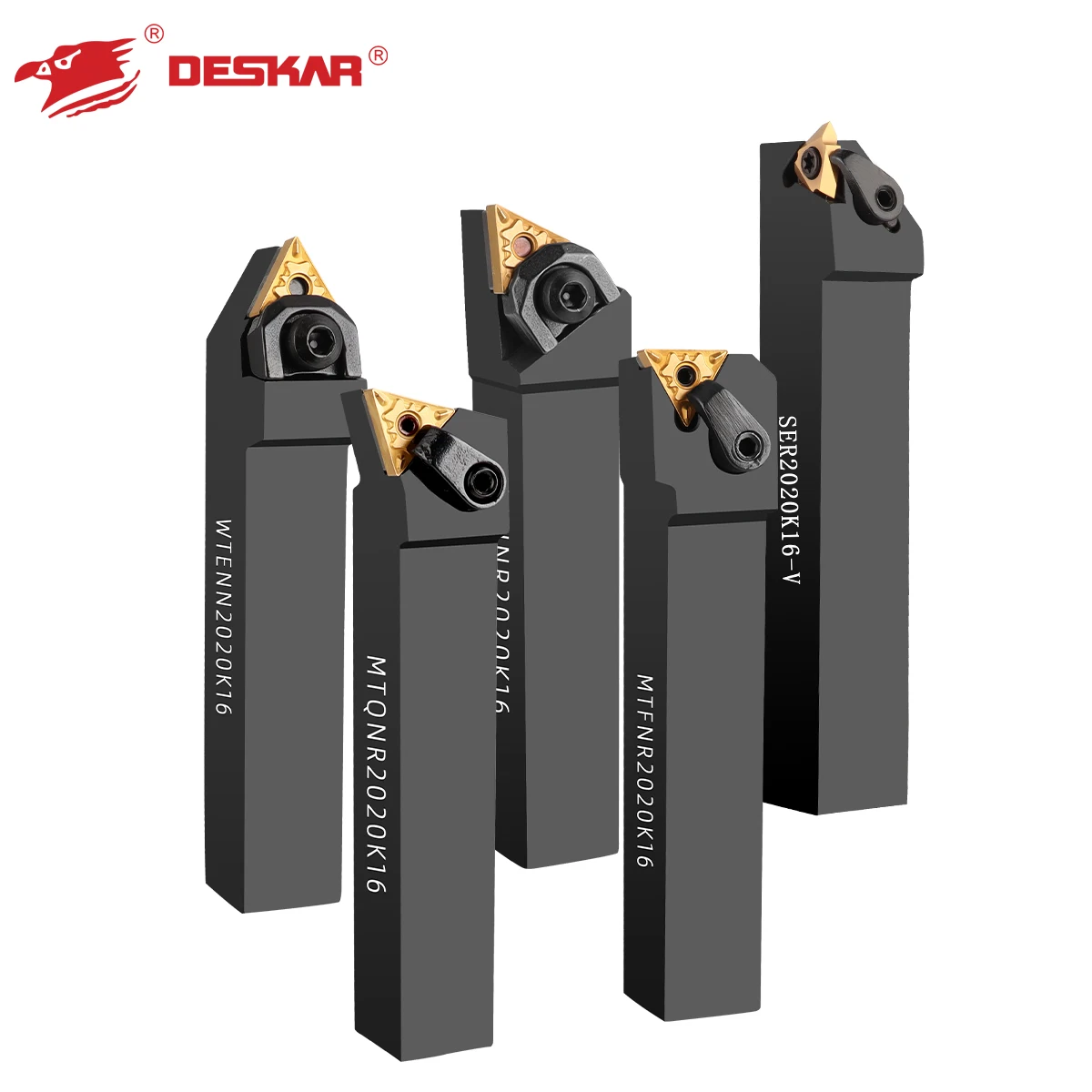
Tool Holder Compatibility: Ensure that the tool holder is compatible with the DESKAR wood lathe tools machine. The holder must securely fit the tool and maintain alignment during operation to prevent vibration and ensure accuracy.
Tightening Procedures: Use the correct tightening torque specified by the tool manufacturer. Over-tightening can damage the tool or holder, while under-tightening may lead to tool slippage during operation.
Alignment Checks: Before commencing machining operations, verify that the tool is properly aligned. Misalignment can lead to poor surface finishes and increased wear.
Test Runs: Conduct a test run with the newly installed tool to identify any potential issues. Monitor the performance closely to ensure that the tool operates as intended.
By following these installation practices, buyers can enhance tool performance and extend tool life.
Lathe tools can encounter several issues that may affect machining efficiency. Some common problems include:
Chatter: This vibration during machining can lead to poor surface finishes and dimensional inaccuracies. Solutions include adjusting cutting parameters, ensuring proper tool alignment, and maintaining machine rigidity.
Tool Wear: Excessive wear can result from improper material selection or inadequate cooling. To address this, buyers should evaluate the cutting tool's material and consider using cooling lubricants to extend tool life.
Chip Formation: Poor chip removal can cause tool blockage and overheating. It is essential to select the right cutting speed and feed rate to ensure efficient chip evacuation during machining.
Buyers should conduct regular inspections of their lathe tools and implement preventive maintenance to minimize these issues and ensure consistent production quality.
Lathe tools play a pivotal role in the aerospace and automotive sectors, where precision and reliability are non-negotiable.
In the aerospace industry, lathe tools are used for machining critical components such as turbine blades, engine casings, and structural parts. The need for high precision and the ability to work with exotic materials, like titanium and high-strength alloys, necessitates the use of advanced cutting tools designed for specific applications.
In the automotive industry, lathe tools are instrumental in producing components such as crankshafts, camshafts, and valve seats. The ability of the DESKAR lathe tools to achieve tight tolerances and high surface finishes is crucial for performance and compliance with industry standards. Custom tools tailored to specific automotive applications can enhance productivity and part quality.
By understanding the applications and requirements specific to these industries, buyers can make informed decisions when selecting the right lathe tools for their projects.
selecting the right tool for lathe operations is crucial for achieving high precision and efficiency in manufacturing processes. By considering material advantages, installation practices, common issues, and specific applications, buyers can enhance their machining operations and drive productivity.