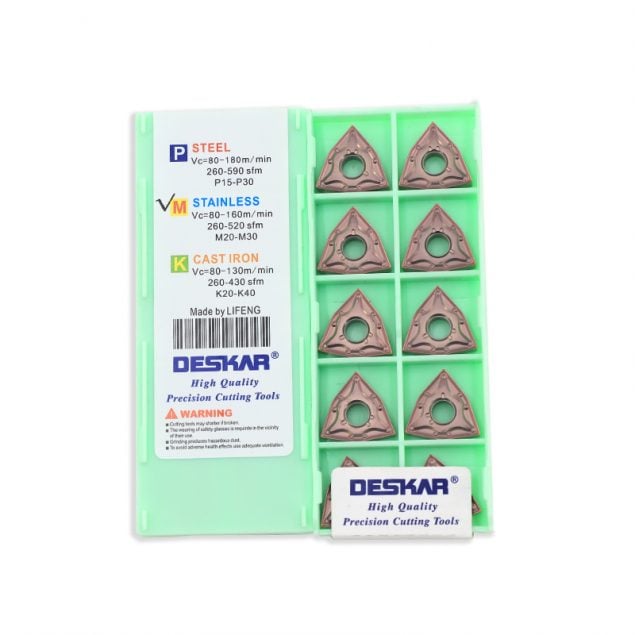
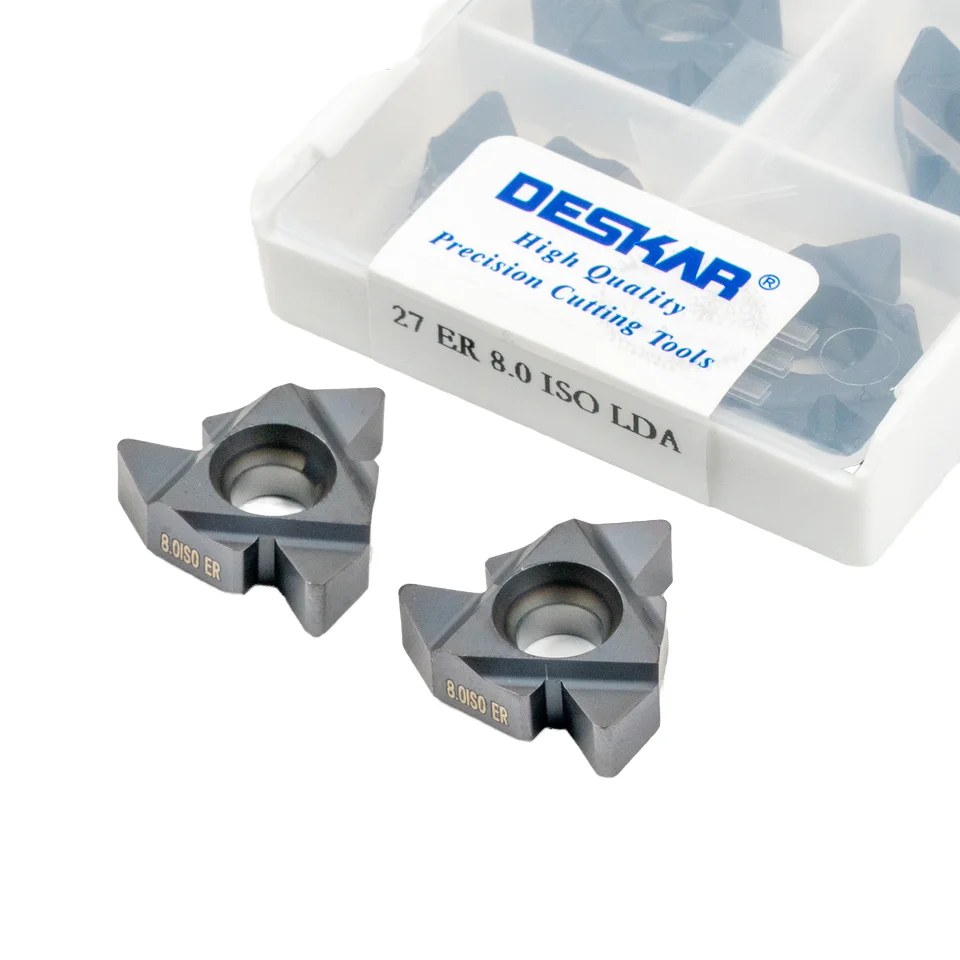
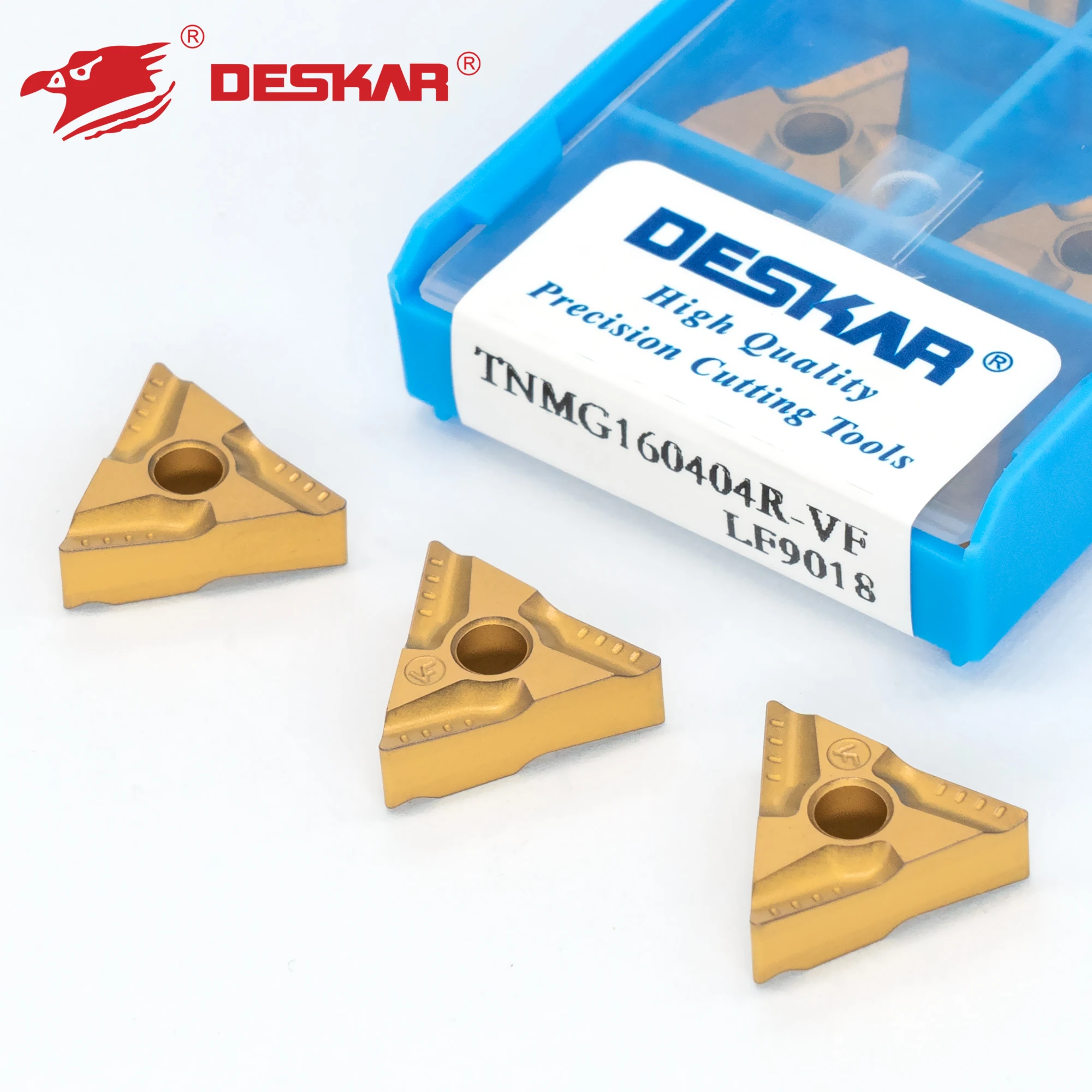
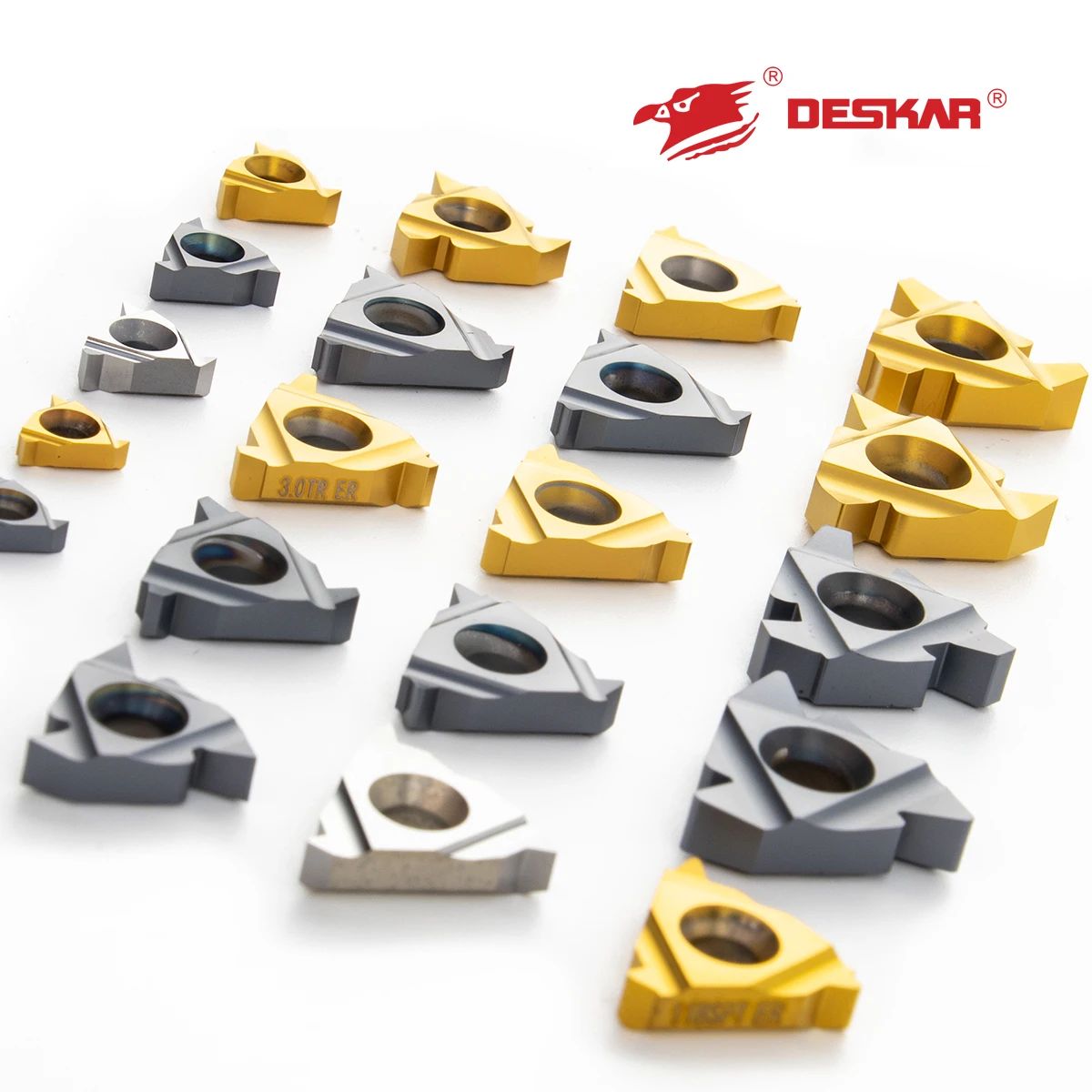
Stainless steel inserts are precision-engineered components designed to enhance the strength and durability of various machined products. As buyers in the manufacturing and industrial sectors like DESKAR seek reliable solutions, they often have concerns regarding material quality, application suitability, and performance specifications. This article will provide a comprehensive overview of stainless steel inserts, addressing key features, best practices for contractors, applications across industries, performance comparisons, and the material advantages that make these components indispensable in modern manufacturing.
Stainless steel inserts are designed to provide superior strength and resistance to corrosion and wear, making them ideal for demanding applications. Key features include:
Material Composition: Typically made from high-grade stainless steel, these inserts offer excellent mechanical properties, including tensile strength and ductility. The most common grades used are 304 and 316 stainless steel, which are known for their resistance to oxidation and corrosion.
Precision Engineering: Manufactured with tight tolerances, stainless steel threaded inserts for wood ensure a perfect fit within the host material, which is crucial for maintaining structural integrity. This precision helps in applications where load-bearing and stress distribution are critical.
Versatile Design: Available in various shapes and sizes, stainless steel inserts can be customized to meet specific application requirements. This flexibility allows manufacturers like DESKAR to optimize their designs for performance and cost-effectiveness.
Surface Treatments: Many stainless steel inserts undergo surface treatments, such as passivation or PVD/CVD coatings, to enhance their durability and performance. These treatments help reduce friction, improve wear resistance, and extend the lifespan of the inserts.
Understanding these features helps buyers make informed decisions regarding the suitability and application of stainless steel inserts in their projects.
For contractors working with stainless steel inserts, adhering to best practices can significantly enhance project outcomes:
Material Selection: Ensure that the selected grade of stainless steel aligns with the environmental conditions of the application, such as exposure to chemicals or high temperatures. For instance, grade 316 is preferred for marine applications due to its superior corrosion resistance.
Proper Installation: Follow manufacturer guidelines during installation to avoid misalignment or damage. Ensuring that the insert is securely fitted can prevent premature failure and ensure optimal performance.
Quality Inspection: Conduct thorough quality inspections of stainless steel threaded screw inserts before use. Check for dimensional accuracy, surface finish, and any signs of corrosion or defects. This step is crucial for ensuring the reliability of the components in critical applications.
Requesting Samples: Before committing to large orders, request samples of the stainless steel inserts to evaluate their performance under actual operating conditions. This practice helps in confirming that the inserts meet the necessary specifications.
By following these best practices, contractors can mitigate risks and enhance the reliability of their projects using stainless steel inserts.
Stainless steel inserts are utilized across a wide range of industries, including:
Aerospace: In aerospace applications, stainless steel inserts are used in structural components and assemblies where weight reduction and strength are paramount. Their resistance to corrosion is vital in ensuring the longevity of parts exposed to harsh environmental conditions.
Automotive: The automotive industry employs stainless steel inserts in engine components, transmission systems, and chassis assemblies. These inserts enhance durability and performance, contributing to the overall safety and reliability of vehicles.
Mold Making: In mold manufacturing, stainless steel inserts are crucial for creating intricate designs and ensuring precise dimensions. Their ability to withstand high temperatures and pressures makes them suitable for various molding processes.
Construction: Stainless steel inserts are widely used in construction for anchoring and reinforcing applications. They provide additional strength to structures, ensuring stability and safety in buildings and infrastructure.
Understanding these applications allows buyers to appreciate the versatility of stainless steel inserts and select the right type for their specific needs.
When considering stainless steel inserts, it is essential to compare different types based on their intended use:
Threaded Inserts: Designed for providing strong, reusable threads in softer materials, threaded stainless steel inserts are ideal for applications where frequent assembly and disassembly are necessary. They are often used in composite materials and plastics.
Press-Fit Inserts: These inserts are designed to be pressed into a hole in the base material, providing a strong bond without the need for additional fastening methods. They are commonly used in applications requiring high load-bearing capabilities.
Self-Tapping Inserts: Suitable for use in softer materials, self-tapping inserts cut their own threads during installation. This feature simplifies assembly but may not provide the same level of strength as threaded or press-fit inserts.
Custom Inserts: Manufacturers like DESKAR can provide custom stainless steel inserts tailored to specific application requirements, including unique dimensions, shapes, and performance characteristics. This customization is essential for specialized applications in various industries.
By comparing these types, buyers can select the optimal stainless steel insert that aligns with their performance requirements and application conditions.
The material properties of stainless steel contribute significantly to the performance of inserts in various applications:
Corrosion Resistance: Stainless steel's inherent resistance to rust and corrosion makes it suitable for use in environments exposed to moisture, chemicals, and extreme temperatures. This property extends the lifespan of inserts and reduces the need for frequent replacements.
Strength and Durability: Stainless steel woodworking threaded inserts exhibit high tensile strength, allowing them to withstand significant loads and stresses. This durability is critical for maintaining the integrity of components in high-performance applications.
Ease of Maintenance: Stainless steel surfaces are relatively easy to clean, making them ideal for applications in industries such as food processing and pharmaceuticals, where hygiene is a priority.
Recyclability: Stainless steel is fully recyclable, making it an environmentally friendly choice for manufacturers looking to reduce their carbon footprint.
By understanding these material advantages, buyers can better assess the long-term value and performance of stainless steel inserts in their projects.
Stainless steel inserts are critical components for enhancing performance and durability in various industries. By understanding their features, best practices, applications, types, and material advantages, buyers can make informed decisions that lead to successful project outcomes.