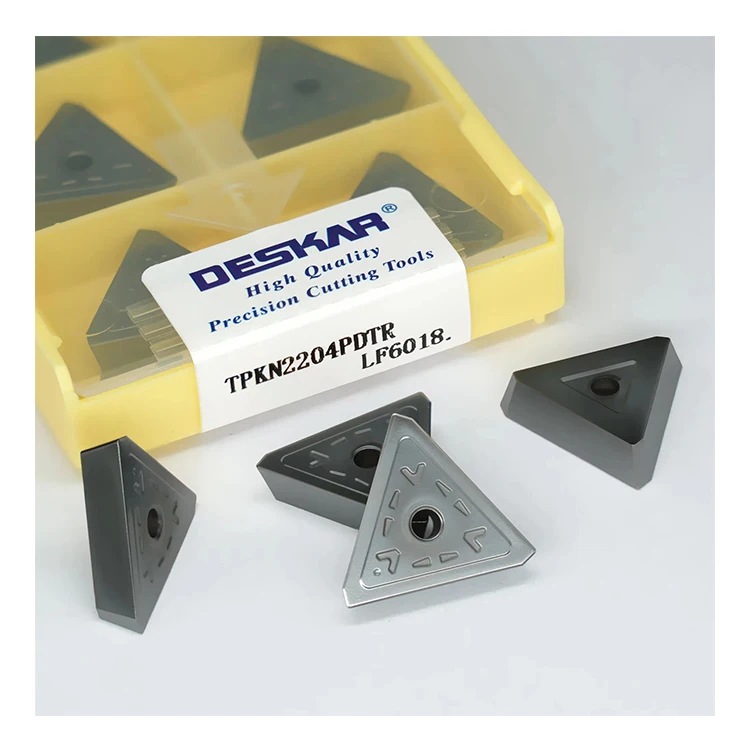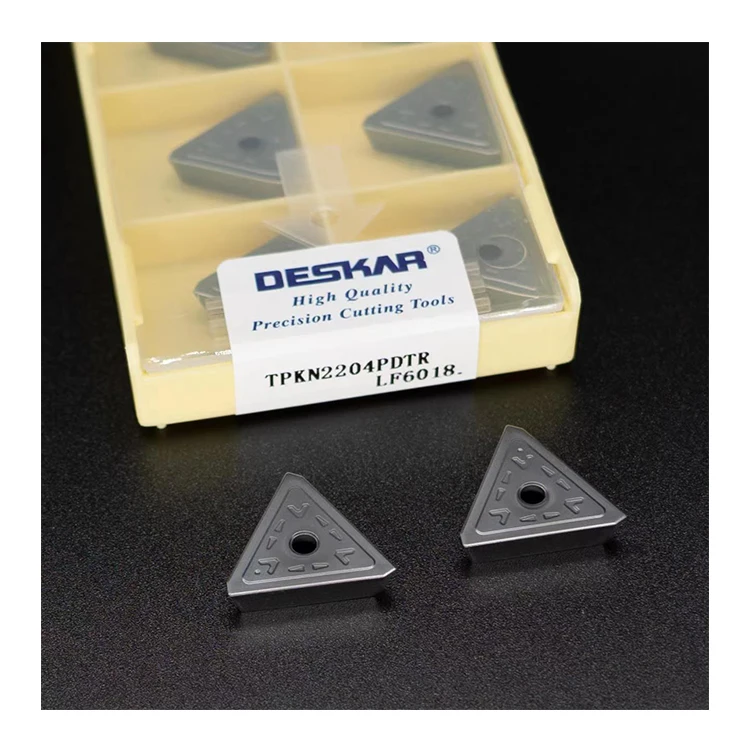
Solid carbide end mill cutters are precision cutting tools designed for high-performance machining applications. These tools are essential for industries such as mold-making, automotive, and aerospace due to their durability and ability to produce intricate shapes and finishes. B2B buyers often face concerns regarding material quality, specifications, and supplier reliability when sourcing these tools. This article will provide insight into key specifications, quality evaluation, reliable suppliers, common issues, and installation guidance for solid carbide end mill cutters, ensuring that buyers are well-informed for their purchasing decisions.
When considering solid carbide end mill cutters for bulk orders, several key specifications must be evaluated to ensure they meet your production needs. These specifications include:
Material Composition: Solid carbide is known for its hardness and wear resistance, making it ideal for high-speed machining. The grade of carbide can significantly affect tool performance, so selecting the right grade based on the specific application is crucial.
Coating Type: Many end carbide end mill cutter feature PVD (Physical Vapor Deposition) or CVD (Chemical Vapor Deposition) coatings, which enhance tool longevity and reduce friction. Buyers should consider the coating type based on the materials being machined and the expected tool life.
Diameter and Length: The diameter of the cutter directly affects the size of the cut and the tool's rigidity. Length specifications are also important for determining the cutter’s reach and applicability for different machining setups.
Flute Design: The number and configuration of flutes impact chip removal and cutting efficiency. A higher number of flutes can improve surface finish but may reduce chip clearance, which should be matched to the material being machined.
Tolerance Levels: Precision is critical in many applications. Buyers should confirm the tolerance levels required for their specific projects to ensure compatibility with their machinery.
By understanding these specifications, buyers can make informed decisions that align with their machining requirements and production capabilities.
Evaluating the quality of solid carbide end mill cutters is essential for ensuring optimal performance and tool longevity. Here are some practical steps for quality assessment:
Supplier Reputation: Research the manufacturer’s experience, production capabilities, and customer reviews. A supplier like LIFENG PRECISION TOOLS (ZHEJIANG) CO., LTD, known for its advanced manufacturing lines and precision tools, can provide more assurance of quality.
Material Verification: Request documentation that verifies the material properties of the carbide used in the cutters. This includes grade specifications and information on any coatings applied.
Sample Testing: Before committing to bulk orders, request samples to evaluate performance under actual machining conditions. Testing a sample allows buyers to assess tool life, cutting precision, and overall performance.
Quality Control Processes: Inquire about the quality control measures in place at the manufacturing facility. This includes inspections during production, testing of finished products, and adherence to industry certifications.
Conformance to Standards: Verify if the cutters comply with relevant industry standards and specifications. This is crucial for ensuring that the tools meet operational requirements and can withstand the demands of specific applications.
By following these evaluation steps, buyers can ensure they are investing in high-quality solid carbide end thread mill cutter that will meet their production standards.
Finding a reliable supplier for solid carbide end mill cutters is key to maintaining production efficiency. Here are effective strategies for identifying trustworthy suppliers:
Industry Directories: Utilize industry-specific directories and platforms that list manufacturers and suppliers. Websites like ThomasNet or industry trade associations can provide vetted options based on your location and needs.
Trade Shows and Exhibitions: Attending industry trade shows provides opportunities to meet suppliers in person, evaluate their products, and discuss your requirements directly. Events focused on manufacturing and machining often showcase leading tool manufacturers.
Online Research: Search for suppliers online, focusing on those with a strong online presence and positive customer feedback. Look for case studies or testimonials that demonstrate their expertise in producing solid carbide end mill cutters.
Networking: Leverage industry contacts and networks to gain recommendations. Colleagues in the manufacturing sector may have experiences with specific suppliers that can guide your decision.
Initial Inquiries: Reach out to potential suppliers with specific questions about their products, lead times, and custom manufacturing capabilities. A professional and timely response can indicate their reliability.
By exploring these avenues, buyers can establish relationships with suppliers who are capable of providing high-quality solid carbide end mill cutters tailored to their specific needs.
While solid carbide end mill cutters are known for their durability, users may encounter several common issues. Here are some problems and potential solutions:
Chipping and Wear: Chipping can occur due to improper machining parameters or material hardness. To mitigate this, ensure that the cutting speed and feed rate are optimized for the specific material being machined. Additionally, using the appropriate coating can enhance durability.
Tool Breakage: Unexpected breakage is often caused by excessive load or incorrect tool selection. To prevent this, confirm that the cutter's size and type are appropriate for the application and that the machine settings are correctly calibrated.
Poor Surface Finish: An unsatisfactory surface finish may result from dull tools or inadequate chip removal. Regularly inspect tools for wear and replace them as needed. Additionally, consider increasing the coolant flow to improve chip clearance and reduce heat buildup.
Inconsistent Performance: Variability in tool performance can arise from manufacturing inconsistencies. It’s advisable to establish a relationship with a reputable supplier known for strict quality control processes, such as LIFENG PRECISION TOOLS.
By being aware of these potential issues and implementing preventive measures, buyers can enhance the reliability and performance of their solid carbide end mill cutters.
Proper installation of solid carbide end mill cutters is vital for achieving optimal performance. Here are key steps and considerations for installation:
Tool Holder Compatibility: Ensure that the end mill cutter is compatible with the tool holder being used. Check specifications for shank diameter and length to avoid fitting issues.
Secure Mounting: Properly secure the cutter in the tool holder to prevent vibration or movement during machining. This can be achieved by following the manufacturer’s guidelines for tightening and using the appropriate torque settings.
Alignment Check: After installation, check the alignment of the cutter with the workpiece. Misalignment can lead to poor cutting performance and increased wear. Use precise measuring tools to confirm alignment before beginning machining operations.
Initial Test Cuts: Conduct initial test cuts on scrap material to assess performance. Monitor for any irregularities in cutting or excessive noise, which may indicate installation issues.
Follow Manufacturer Instructions: Always refer to the specific installation guidelines provided by the manufacturer. These instructions often contain critical information regarding tool orientation, recommended speeds, and feed rates.
By adhering to these installation guidelines, buyers can maximize the effectiveness of their solid carbide end FACEMILL cutter and minimize the risk of complications during machining operations.