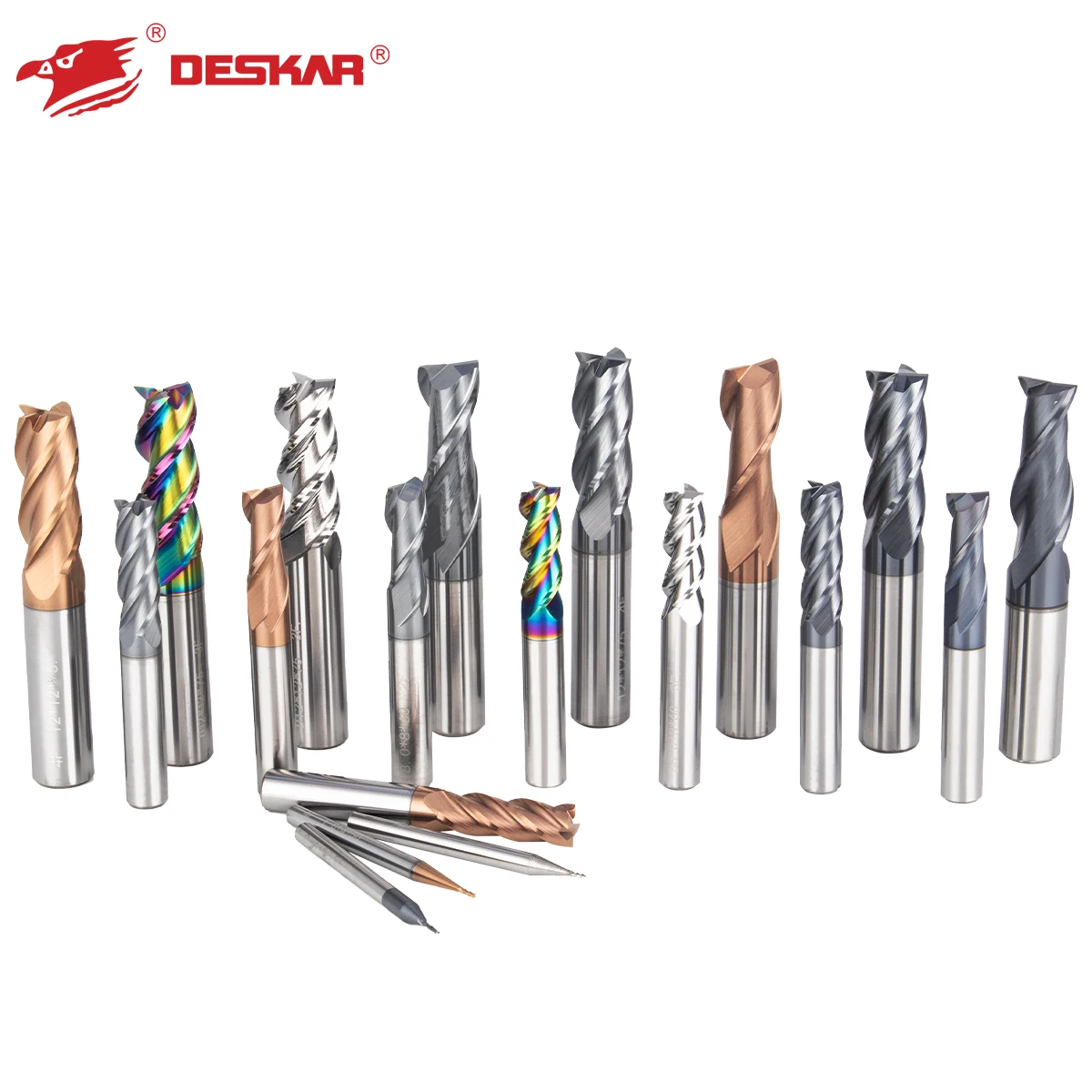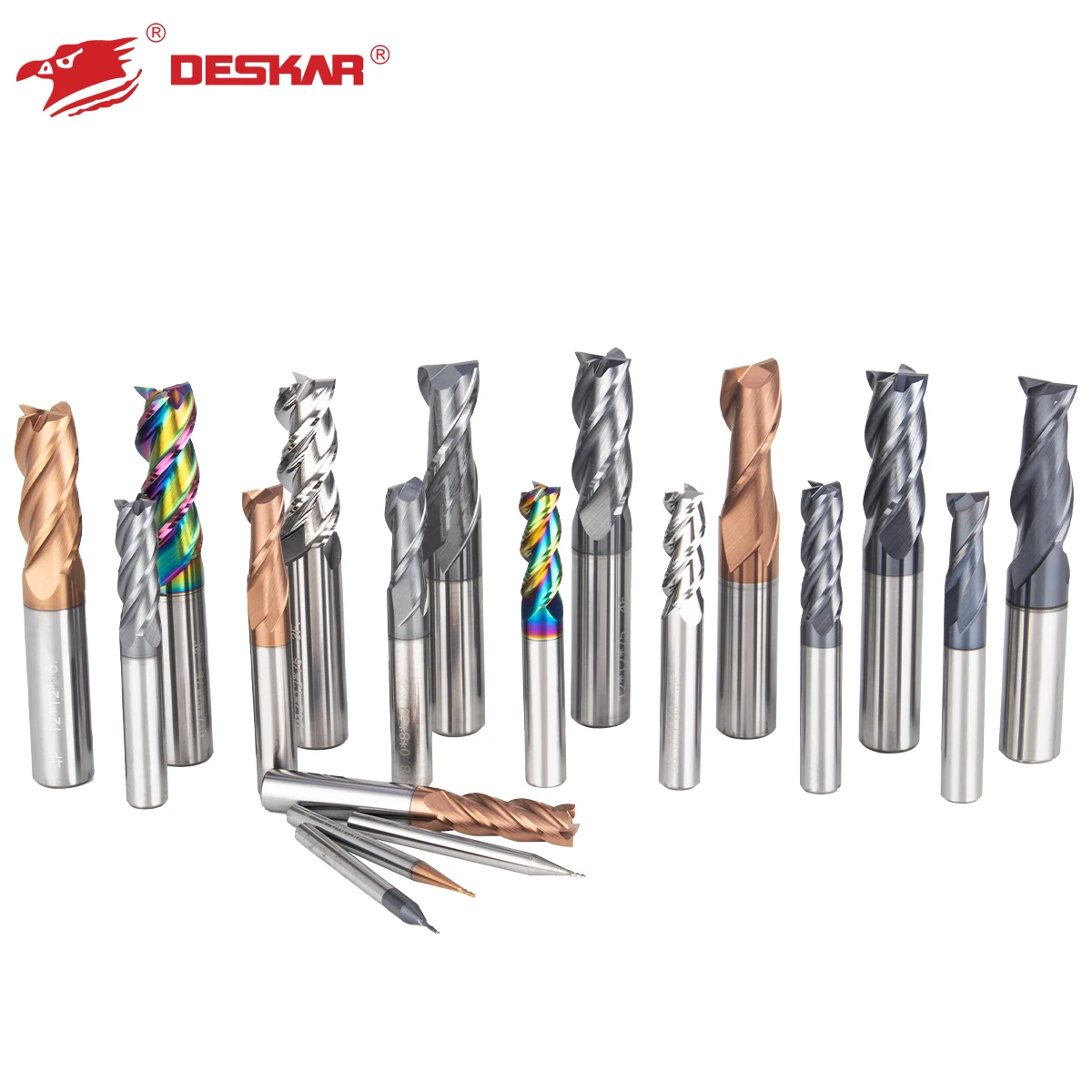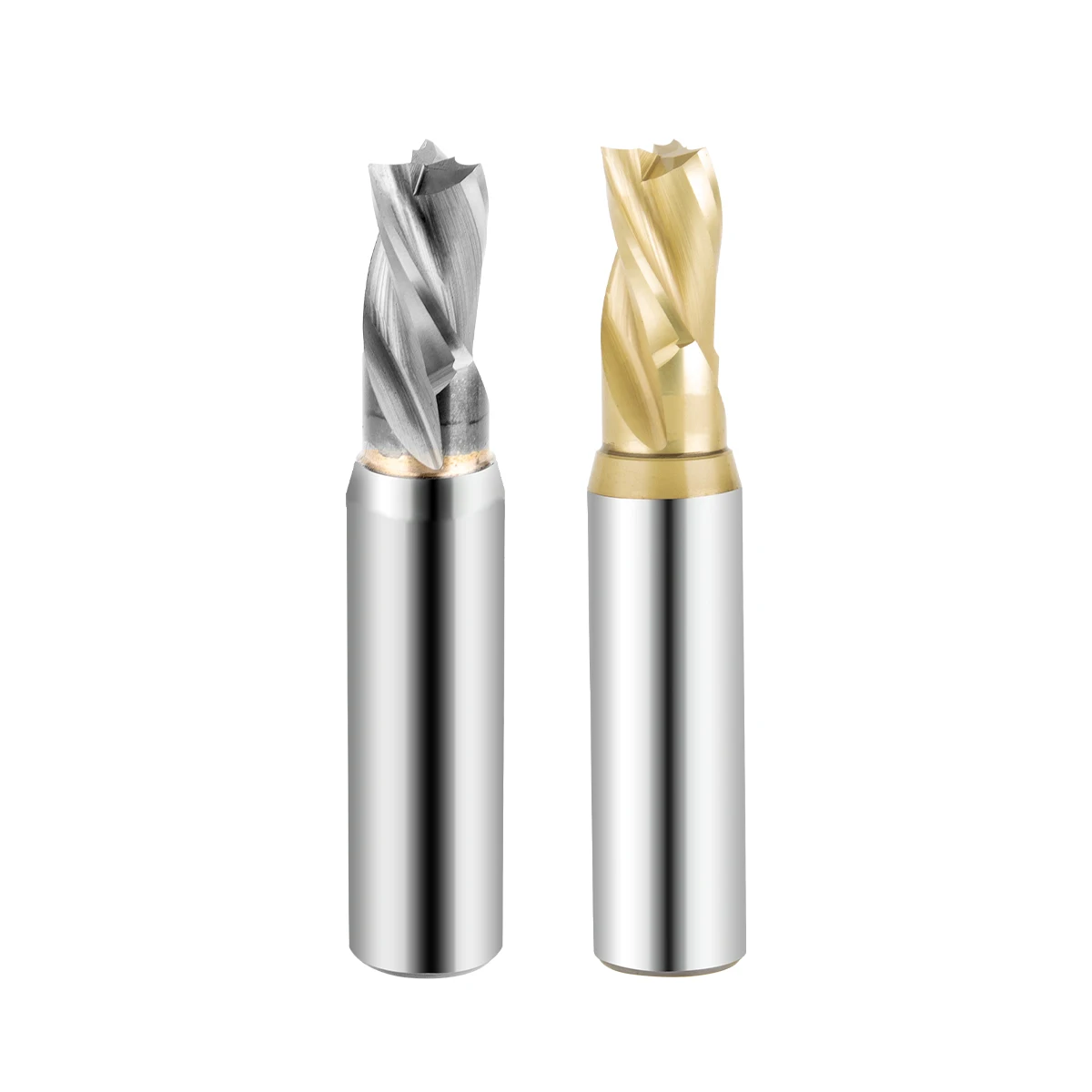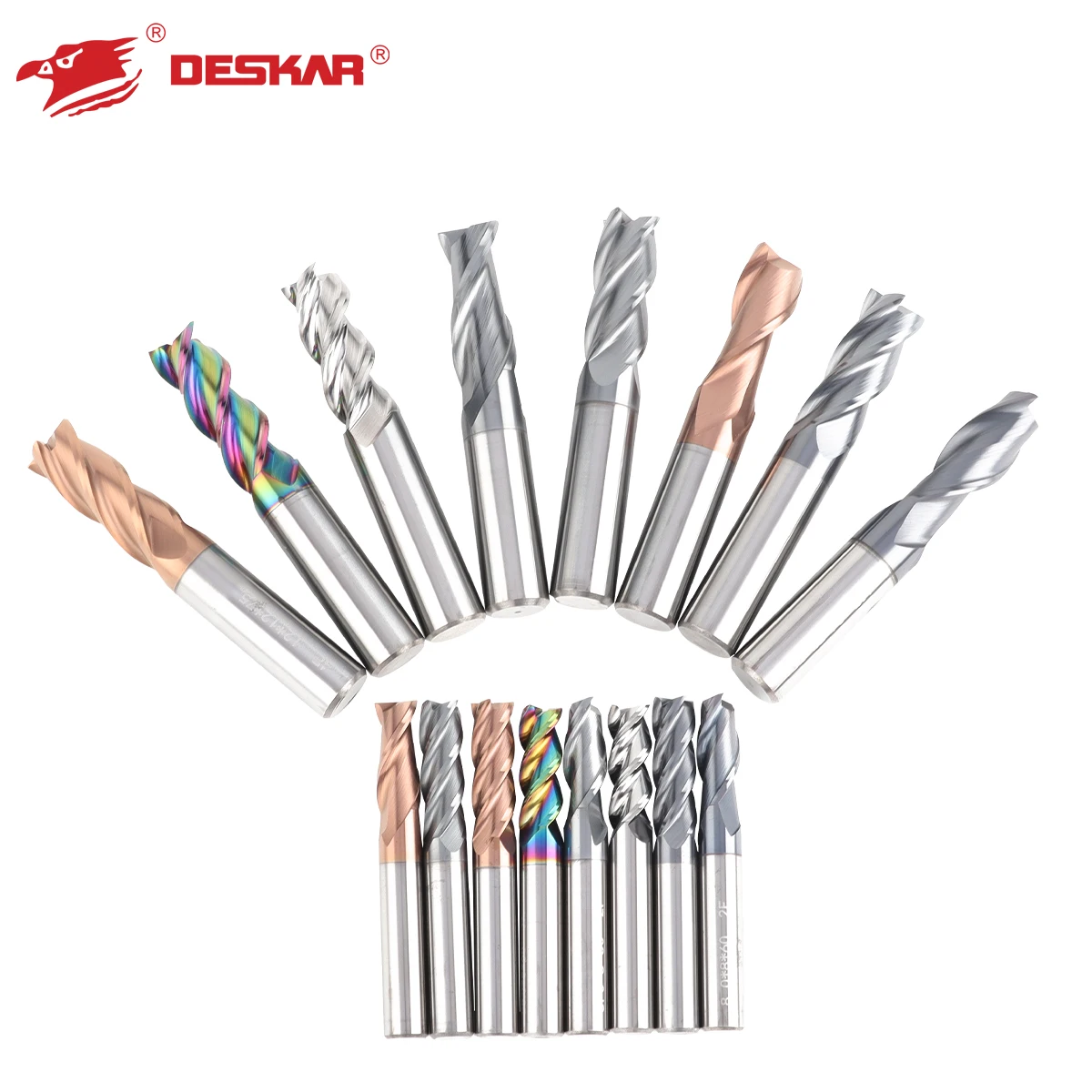
Milling end mill cutters are essential tools in precision machining, designed to remove material from a workpiece to create desired shapes and finishes. As a B2B buyer, understanding the key specifications, cost factors, and applications of these tools is crucial for making informed purchasing decisions. This article will provide insights into the various aspects of milling end mill cutters, helping you navigate through the complexities of selection, application, and problem-solving in your industrial operations.
When evaluating milling end mill cutters, several key specifications should be considered to ensure optimal performance and suitability for your specific applications:
Material Composition: Milling cutters are typically made from high-speed steel (HSS) or carbide. HSS cutters offer good toughness and are suitable for lower-speed applications, while carbide cutters provide excellent hardness and wear resistance, making them ideal for high-speed machining and tougher materials.
Coating: The presence of coatings such as PVD (Physical Vapor Deposition) or CVD (Chemical Vapor Deposition) can significantly enhance the performance of end mill. Coatings reduce friction, increase tool life, and improve chip flow, which is particularly beneficial in high-speed applications or when machining difficult materials.
Flute Design: The number and design of flutes affect the cutting action and chip removal. More flutes can provide a smoother finish, but may also reduce chip clearance, which can be a limiting factor in certain applications. Choosing the right flute design is critical to maintaining productivity and ensuring the cutter operates effectively in your machining environment.
Diameter and Length: The diameter of the cutter determines the cutting area and is critical for achieving the desired dimensions of the workpiece. Similarly, the overall length of the cutter should be chosen based on the depth of cut required and the machine setup.
Shank Type: Shank configurations, such as straight or tapered, influence the compatibility with different types of collets and holders. Ensure that the shank type matches your milling machine setup for proper installation and stability during operation.
By thoroughly evaluating these specifications, you can select milling end mill cutters that align with your operational needs and material requirements.
Cost considerations for milling end mill cutters can vary significantly based on several factors. Understanding these can help you make informed purchasing decisions, especially for bulk orders:
Material and Manufacturing Process: The choice of material directly affects the cost. Carbide tool inserts typically have a higher upfront cost than HSS tools, but their longevity and performance in high-stress environments can lead to lower overall costs over time. Additionally, manufacturing processes, such as precision grinding and coating applications, can add to the cost.
Order Volume: Bulk orders often come with discounts. Suppliers, like LIFENG PRECISION TOOLS, may offer tiered pricing based on the quantity ordered. It is beneficial to discuss your requirements with suppliers to explore potential cost savings associated with larger orders.
Customization: If standard products do not meet your specific needs, custom milling cutters can be developed. Customization may involve design modifications, specific coatings, or unique sizes, which can increase costs. However, the investment can lead to enhanced performance tailored to your applications.
Shipping and Lead Times: Consider the logistics involved in receiving your order. Shipping costs can vary based on the destination and order size. Additionally, longer lead times for specialized products can impact your overall project timelines, making it essential to factor these into your cost analysis.
Quality Assurance and Inspection Costs: Ensure that the supplier has robust quality control measures in place. Investing in high-quality tools can minimize issues during production, reducing the need for inspections and adjustments later on.
By understanding these cost factors, you can better negotiate with suppliers and make strategic purchasing decisions that align with your budget and project timelines.
Milling end mill cutters are pivotal in both the aerospace and automotive industries, where precision and reliability are paramount. Here are some key applications:
Aerospace Component Manufacturing: In the aerospace industry, milling end mills are used to manufacture intricate components such as turbine blades, housings, and structural components. These parts often require tight tolerances and the ability to machine high-strength materials like titanium and aluminum alloys. The right milling cutter can improve efficiency and ensure compliance with strict industry standards.
Automotive Parts Production: The automotive sector relies heavily on carbide end mill cutter for producing engine blocks, transmission housings, and other critical components. Here, the ability to achieve precise dimensions and surface finishes is essential for performance and safety. End mills designed for high-speed machining can significantly reduce cycle times, offering a competitive edge in production.
Prototype Development: Both industries frequently engage in the prototyping of new components. End mill cutters enable rapid iterations and testing of designs, ensuring that any adjustments can be made quickly without extensive retooling.
Tooling for Mold Making: In addition to direct component machining, milling end mills are vital in mold making for both aerospace and automotive applications. The ability to create complex geometries in molds allows for the efficient production of parts via injection molding or die casting.
Understanding these applications will help you select the appropriate milling end mill cutter that meets the specific requirements of your industry, enhancing operational efficiency and product quality.
To effectively select and procure milling end mill cutters, follow this step-by-step guide:
Identify Your Requirements: Determine the materials you will be machining, the types of cuts required, and the desired tolerances. This information is crucial in selecting the right cutter specifications.
Research Suppliers: Look for manufacturers like LIFENG PRECISION TOOLS with a solid reputation and experience in producing high-precision cutting tools. Review their product offerings, customization options, and quality assurance processes.
Request Samples: Before placing a bulk order, request samples of the milling end mill cutters that meet your specifications. Testing samples in your production environment can provide insights into performance and compatibility.
Evaluate Costs: Consider all cost factors, including material, customization, shipping, and quality assurance. Compare quotes from multiple suppliers to find the best value.
Confirm Specifications: Before finalizing your order, confirm all specifications with your supplier, including material, coatings, and dimensions. This step minimizes the risk of receiving incorrect products.
Place Your Order: Once all details are confirmed, place your order and ensure that you discuss lead times and shipping arrangements.
Monitor Performance: After receiving your cutters and integrating them into your operations, monitor their performance. Keep track of tool life and any issues that arise for future procurement decisions.
By following these steps, you can streamline the procurement process and ensure that you select the right milling end mill cutter for your applications.
Despite their effectiveness, users may encounter several common issues with milling end mill cutters. Understanding these can help mitigate downtime and production delays:
Tool Wear: Over time, milling cutters can experience wear, impacting performance. To combat this, choose the right cutter material and coating for the specific application. Regularly monitoring tool wear can also help schedule timely replacements before they affect production.
Chipping and Breakage: This often occurs due to improper cutting parameters, such as feed rate and spindle speed. Ensure that you are using the appropriate settings for the material and cutter type. Conducting tests and adjustments can help find the optimal balance.
Poor Surface Finish: A rough surface finish can indicate issues with cutter condition or machining parameters. Ensure that the cutter is sharp and in good condition. Additionally, adjust the feed rate and cutting speed to achieve a smoother finish.
Chip Removal Problems: If chips are not being removed efficiently, it can lead to overheating and tool damage. Consider the flute design and ensure that the cutter is suitable for the material being machined. Increasing the spindle speed or reducing the feed may assist in better chip evacuation.
Inconsistent Dimensions: Variability in the final dimensions of the workpiece can arise from tooling issues or setup errors. Always verify that the cutter is properly aligned and that the machine is calibrated. Utilizing precision measuring tools during setup can help maintain consistency.
By proactively addressing these common issues, you can enhance the longevity and performance of your milling end mill cutters, ultimately improving your machining processes and product quality.