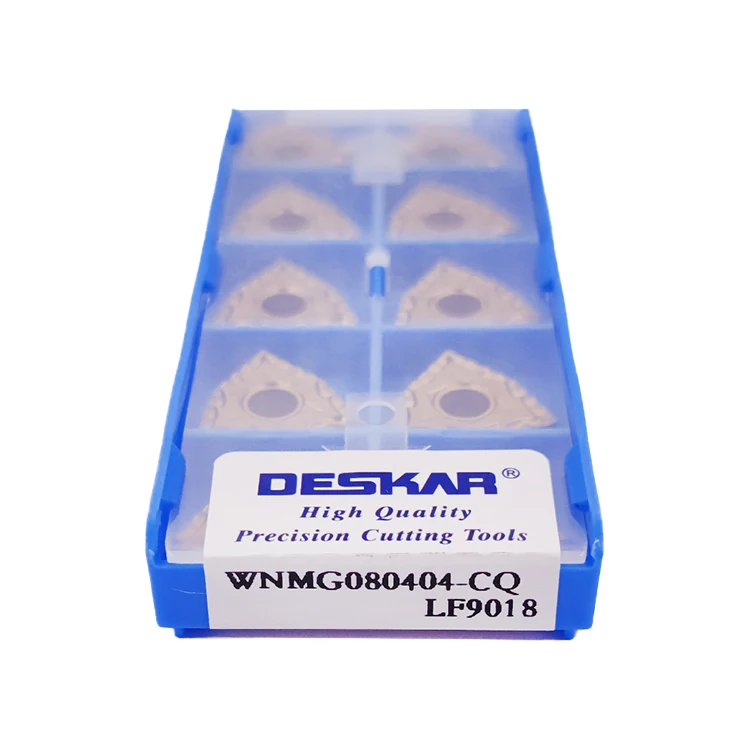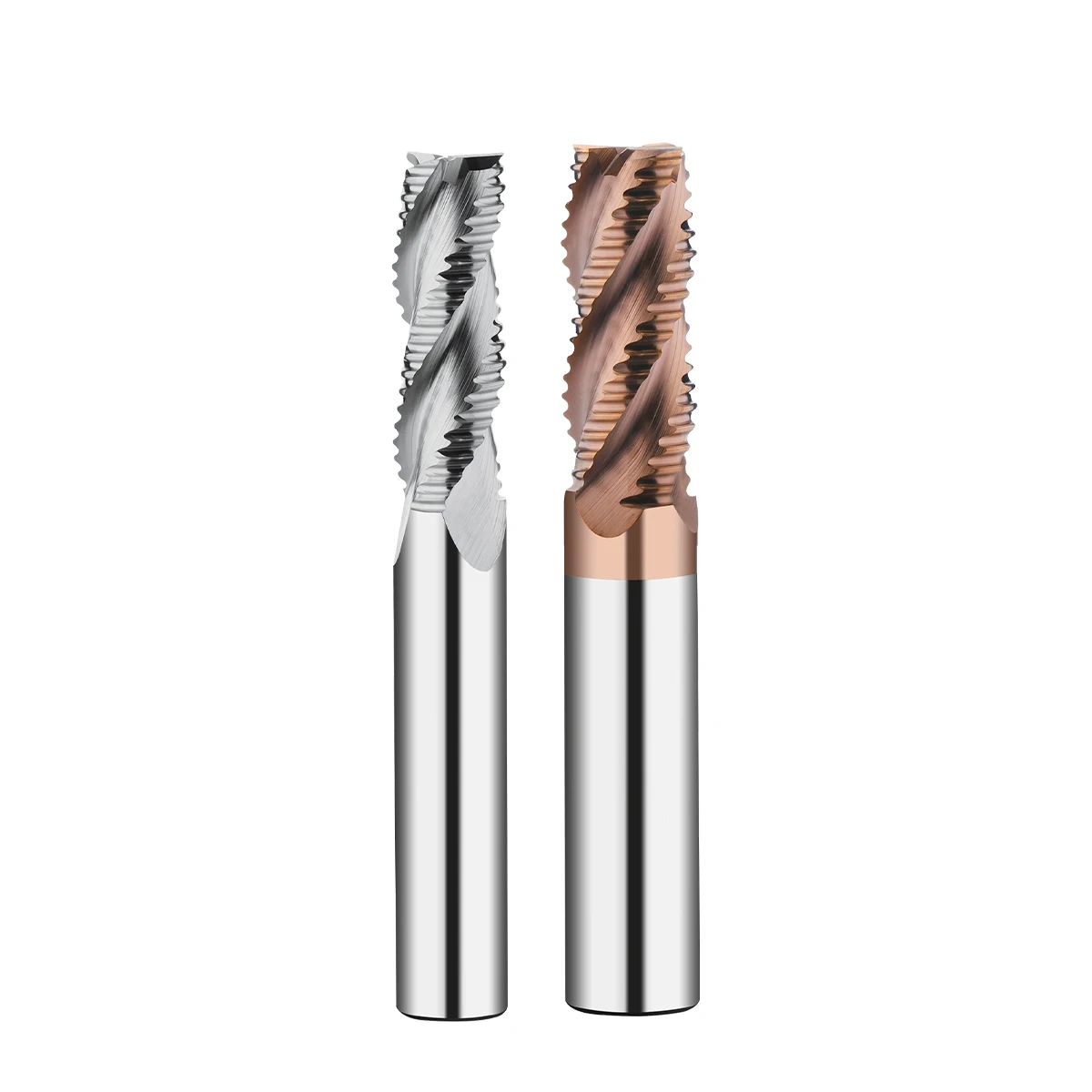
Machine taps are precision cutting tools designed for creating internal threads in various materials. As a critical component in manufacturing processes, they are essential for industries such as automotive, aerospace, and mold-making. B2B buyers, including purchasing managers and engineers, often seek high-quality machine taps that meet specific requirements for performance and durability. This article will provide insights into essential specifications, quality control measures, cost factors, common issues, and the various applications of machine taps, helping you make informed decisions when sourcing these tools.
When sourcing milling machine cutters, several specifications must be evaluated to ensure compatibility with your manufacturing processes. Key considerations include: Thread Type: Machine taps are available in various thread configurations, such as metric, UNC, and UNF. It's vital to choose the correct type that matches the intended application and existing machinery. Material Composition: The material of the tap significantly affects its performance and lifespan. Common materials include high-speed steel (HSS) and cobalt, with coatings like TiN (Titanium Nitride) or TiAlN (Titanium Aluminum Nitride) enhancing durability and reducing friction. Dimensions: Specifications such as tap diameter and length must be precise. The dimensions should align with the hole size and the required thread depth to ensure proper fit and function. Flute Design: The flute design impacts chip removal and coolant flow. Taps with deeper flutes may perform better in materials that produce larger chips, while those with shallower flutes may be more suitable for finer applications. Tolerance Levels: Tolerance is critical for ensuring that the machined threads meet industry standards. Confirming the acceptable tolerances based on your application will help maintain quality control in production. Understanding these specifications will enable you to select the most suitable machine taps for your needs.
Quality control is paramount in the manufacturing of machine taps to ensure they meet performance standards and customer expectations. At LIFENG PRECISION TOOLS, we implement several quality control measures: Material Inspection: Every batch of raw materials is inspected for compliance with specified standards. This step ensures that only high-quality material is used in production. Dimensional Verification: Before production, a detailed inspection of the tap dimensions is conducted using precision measuring instruments. This process helps to maintain tight tolerances that are crucial for the proper functioning of the taps. Performance Testing: Each type of machine tap undergoes rigorous performance testing under controlled conditions. This includes assessing cutting efficiency, wear resistance, and durability to ensure they meet industry standards. Batch Tracking and Traceability: A thorough tracking system is in place for all production batches, allowing for easy identification of any defective products and enabling prompt corrective action. Final Inspection: After production, a final inspection ensures that each tap meets the required specifications before packaging and shipment. Investing in robust quality control processes minimizes the risk of defects and ensures that customers receive reliable products that perform optimally.
When purchasing milling machine face cutter, understanding the cost structure is essential for making informed decisions. Key factors influencing costs include: Material Costs: The choice of material directly affects the price. HSS taps are generally less expensive than cobalt-coated taps, but the latter may offer better performance in high-stress applications. Coating Options: Taps with advanced coatings, such as TiAlN, typically come at a premium. However, these coatings can extend tool life and reduce production downtime, potentially offsetting higher upfront costs. Quantity Discounts: Many manufacturers, including LIFENG PRECISION TOOLS, offer bulk pricing. Evaluating your expected usage can lead to significant savings through volume discounts. Customization Costs: If you require non-standard sizes or specific custom features, be prepared for additional costs. Customization can enhance performance but may impact lead time and pricing. Shipping and Logistics: Consider shipping costs and timelines, especially if you are sourcing from overseas. Efficient logistics can help reduce overall costs and ensure timely delivery. By evaluating these factors, you can better understand the total cost of ownership and make more strategic purchasing decisions.
Machine taps can encounter various issues during use that may affect their performance. Here are some common problems and their solutions: Chipping or Breakage: This often occurs due to excessive feed rates or incorrect tap material for the application. To prevent this, ensure that the tap is suitable for the material being machined, and adjust the feed rate according to the manufacturer's recommendations. Thread Misalignment: Misalignment can lead to poor thread quality and functionality. Before use, ensure that the tap is properly aligned with the workpiece, using guiding tools if necessary. Inadequate Chip Removal: Insufficient chip removal can cause overheating and tap wear. To address this, ensure the use of appropriate cutting fluids and consider taps designed with deeper flutes for better chip evacuation. Wear and Tear: Over time, taps will wear out, affecting their cutting efficiency. Regularly inspect taps for signs of wear and replace them as needed to maintain production quality. Poor Surface Finish: A rough surface finish may result from dull taps or incorrect machining parameters. Regularly sharpen taps and adjust cutting speeds to improve surface quality. By proactively addressing these common issues, manufacturers can enhance the longevity and performance of machine taps.
Machine taps find extensive applications across multiple industries due to their versatility and precision. Here are some significant applications: Automotive Industry: In automotive manufacturing, machine taps are used for creating threads in engine components, transmission parts, and body panels. Their precision ensures that assembled components fit securely, maintaining safety and performance standards. Aerospace Sector: The aerospace industry demands high-quality fly cutter for milling machine for producing lightweight yet durable components. Taps are used for threading components in aircraft engines, fuselages, and landing gear, where reliability is paramount. Mold Making: In mold production, machine taps create internal threads for securing parts during the molding process. Precision taps are essential to ensure the molds produce accurate and consistent parts. General Manufacturing: Many general manufacturing operations use machine taps for various applications, including creating threaded holes in machinery, fixtures, and equipment. Their adaptability makes them suitable for a wide range of materials and designs. Electronics Industry: In the electronics sector, machine taps are used to create threads for mounting components on circuit boards or enclosures, ensuring secure and reliable connections. Understanding these applications will help buyers select the right type of machine taps suited for their specific industry needs, ensuring optimal performance and reliability in their operations.