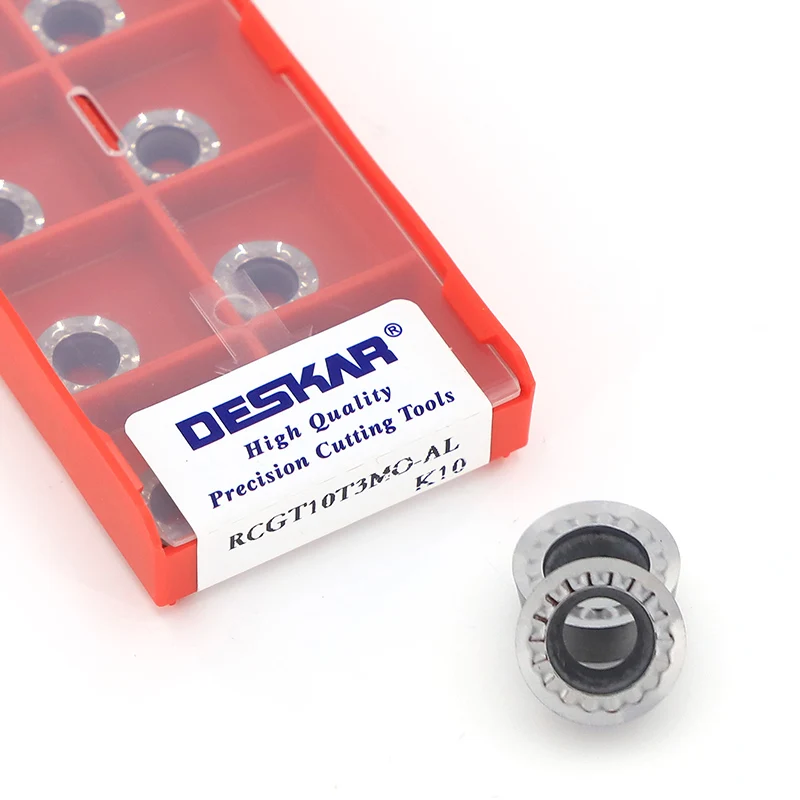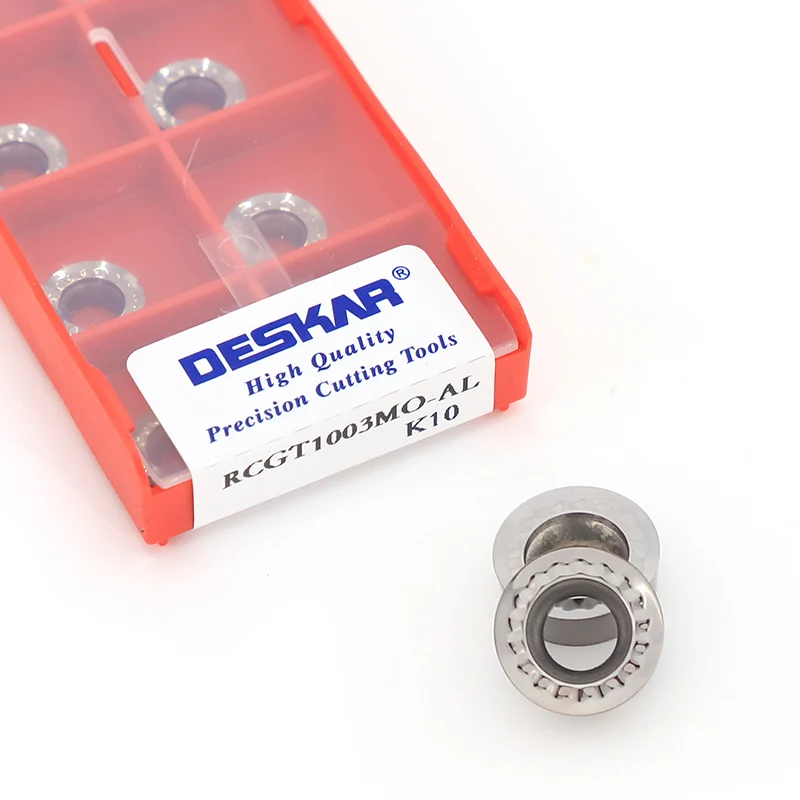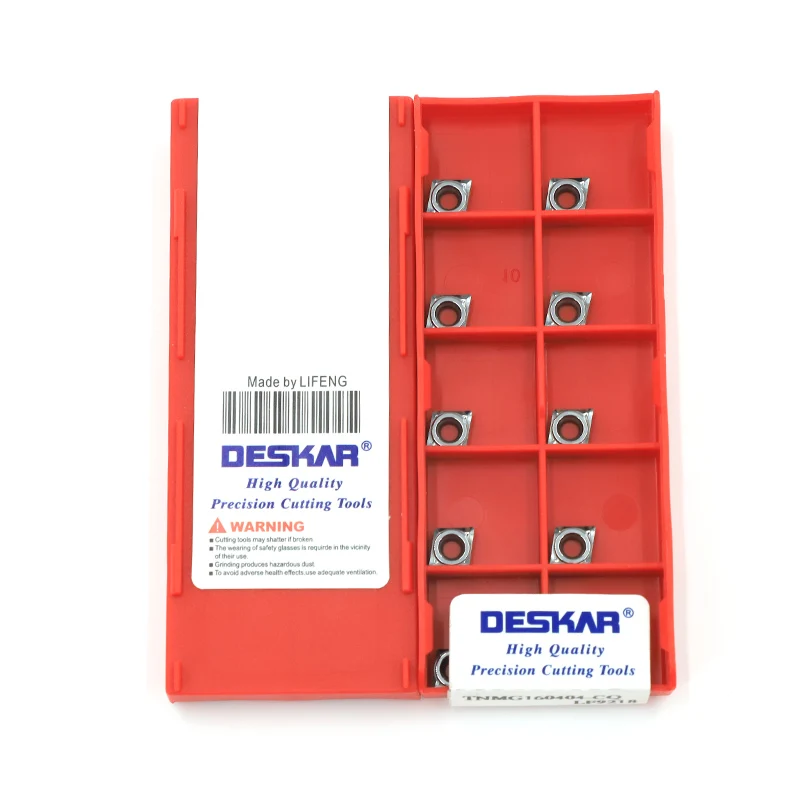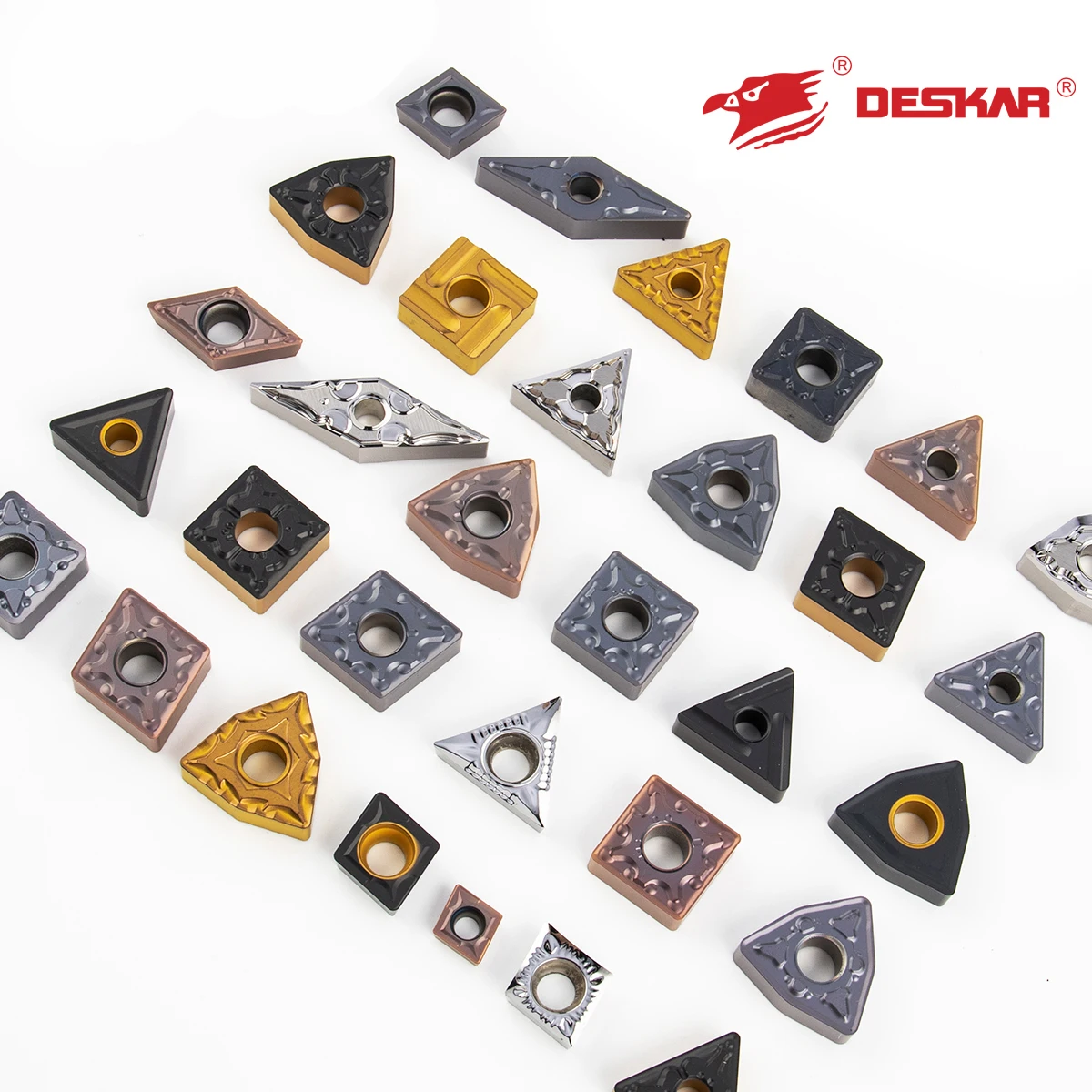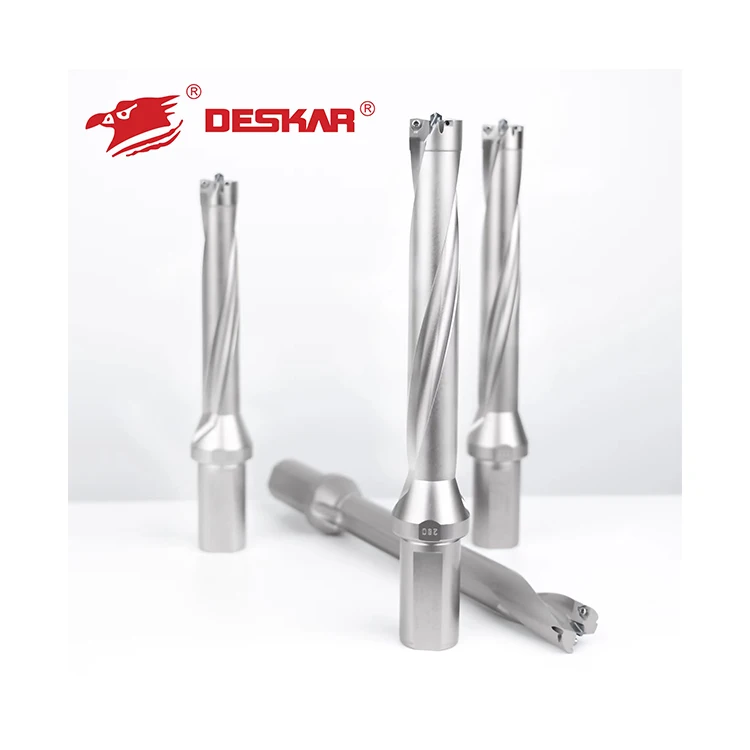
Lathe tool holders and inserts are essential components in machining operations, providing the means to securely hold cutting tools while allowing for precise and efficient material removal. For manufacturing professionals, purchasing managers, and engineers, selecting the right lathe tools holders and inserts can significantly impact productivity and quality. This article will explore key considerations in choosing these tools, common problems faced during their use, and their applications across various industries.
When sourcing lathe tool holders and inserts, reliability in the supplier's capabilities is crucial. A reputable manufacturer should have a strong research and development (R&D) department and state-of-the-art production facilities. For instance, LIFENG PRECISION TOOLS (ZHEJIANG) CO., LTD is known for its advanced manufacturing lines, including indexable CNC blades and NC Arbors. Such capabilities ensure that the products meet high precision standards and are suitable for various applications, including mold making, automotive, and aerospace industries.
Buyers should also consider the supplier's quality control processes and certifications. A robust quality assurance system helps ensure that the products consistently meet industry standards. Engaging with suppliers who offer customization options can also be advantageous, enabling buyers to obtain tools tailored to specific machining requirements.
Several key specifications must be evaluated when selecting lathe tool holders and inserts:
Material: The choice of material affects durability, performance, and compatibility with different workpieces. Common materials include high-speed steel (HSS) for standard applications and carbide for high-performance tasks. PVD and CVD coatings can enhance wear resistance and extend tool life.
Size and Compatibility: The dimensions of the tool holders must match the lathe machine's specifications. Buyers should ensure that the shank size and length are compatible with their equipment to avoid issues during operation.
Insert Geometry: The geometry of the inserts impacts cutting performance. Factors such as rake angle, relief angle, and insert shape can significantly influence chip removal, surface finish, and tool life. Understanding the specific machining application can help buyers select the optimal insert geometry.
Clamping Mechanism: Different clamping systems, such as mechanical or hydraulic, offer varying levels of stability and ease of use. Buyers should consider which mechanism best suits their operational needs.
Tolerance Levels: Precision requirements vary across applications. It is essential to confirm that the metal lathe tools holders and inserts can meet the tolerance levels needed for the specific machining process.
Despite their critical role, lathe tool holders and inserts can encounter several common issues during use:
Tool Wear: Rapid tool wear can lead to decreased machining efficiency and poor surface quality. To mitigate this, buyers should select high-quality materials and coatings that enhance wear resistance. Regular monitoring and timely replacement of inserts can also prevent production delays.
Vibration and Chatter: Excessive vibration can affect machining accuracy and surface finish. Ensuring proper lathe cutting tools alignment and selecting appropriate cutting parameters can help minimize vibrations. Additionally, using vibration-damping tool holders can provide stability during operation.
Insert Breakage: Insert breakage often occurs due to improper setup, incorrect cutting speeds, or excessive feed rates. It is crucial to adhere to the manufacturer's recommendations regarding cutting parameters and to perform thorough inspections of the setup before starting operations.
Inadequate Chip Removal: Poor chip removal can lead to tool overheating and reduced productivity. Buyers should consider inserts with geometries designed for effective chip evacuation, and ensure that cutting fluid is used when necessary to facilitate cooling and lubrication.
Lathe tool holders and inserts find applications across multiple industries, demonstrating their versatility:
Manufacturing: In general manufacturing, lathe tools are used for producing components with precise dimensions and surface finishes. Their reliability and adaptability make them ideal for a wide range of products.
Automotive: The automotive industry relies on lathe tool holders for machining engine components, transmission parts, and other critical elements. The need for high precision and durability in these applications makes quality tool holders essential.
Aerospace: Aerospace components often require tight tolerances and high-performance materials. Lathe tool holders play a vital role in producing parts that meet stringent safety and performance standards.
Mold Making: Tool holders are crucial in mold making, where precision and surface finish are paramount. Custom solutions can be developed to fit unique mold designs, enhancing overall production efficiency.
When preparing to purchase lathe tool holders and inserts, buyers should gather comprehensive information to facilitate an effective RFQ (Request for Quotation). Key details to consider include:
Product Type and Model: Specify the required tool holder type and insert model based on application needs.
Dimensions: Provide accurate dimensions to ensure compatibility with existing machinery.
Material Requirements: Indicate any specific material preferences based on the intended application.
Quantity: Determine the order quantity, considering minimum order quantities (MOQ) set by suppliers.
Customization Needs: If tailored solutions are required, detail specific customization requests to the supplier.
Delivery Requirements: Specify delivery timelines and locations to ensure timely receipt of goods.
Understanding the specifications, potential problems, and applications of lathe tool holders and inserts is essential for making informed purchasing decisions. By selecting reliable suppliers like LIFENG PRECISION TOOLS (ZHEJIANG) CO., LTD, buyers can ensure they receive high-quality products that meet their unique machining needs.