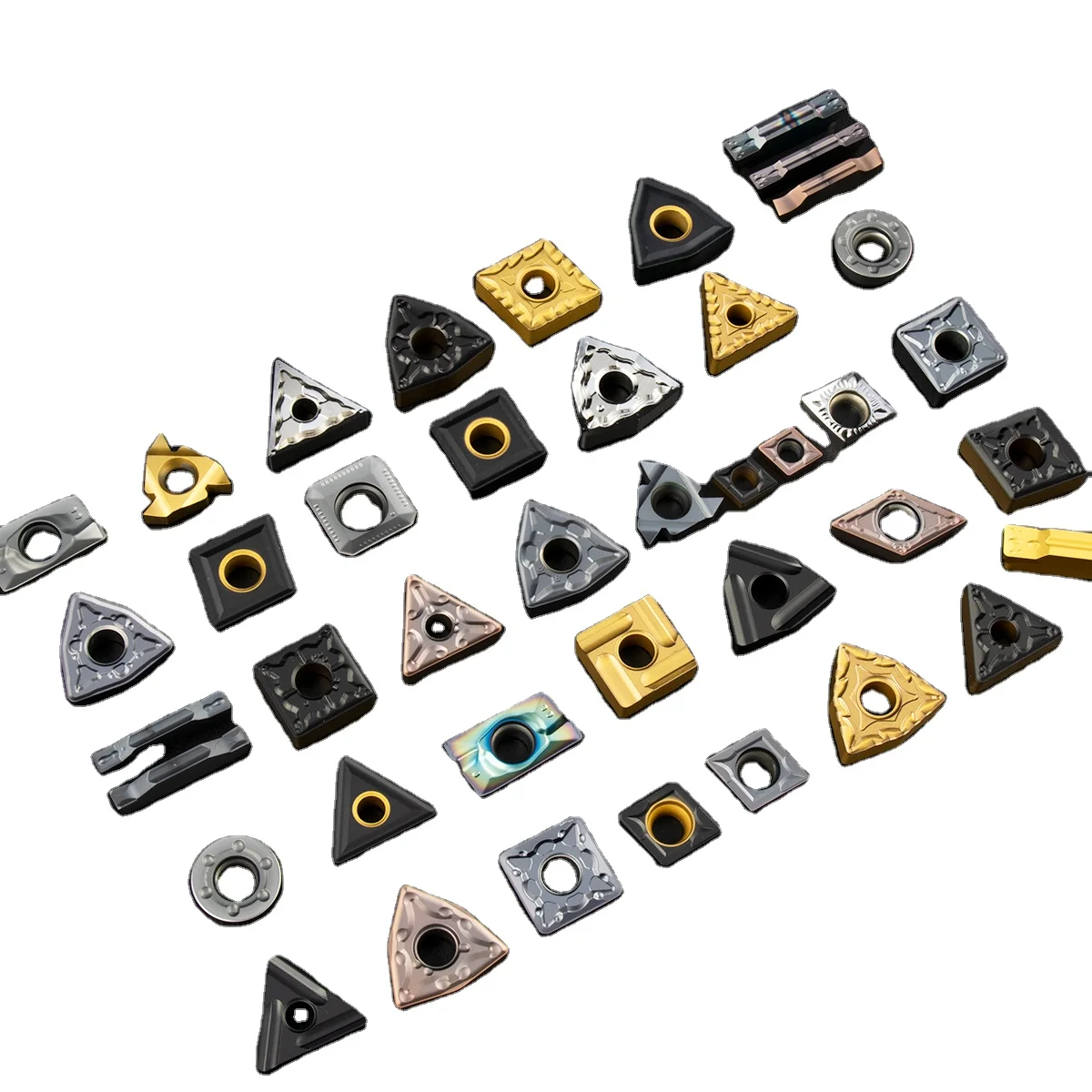
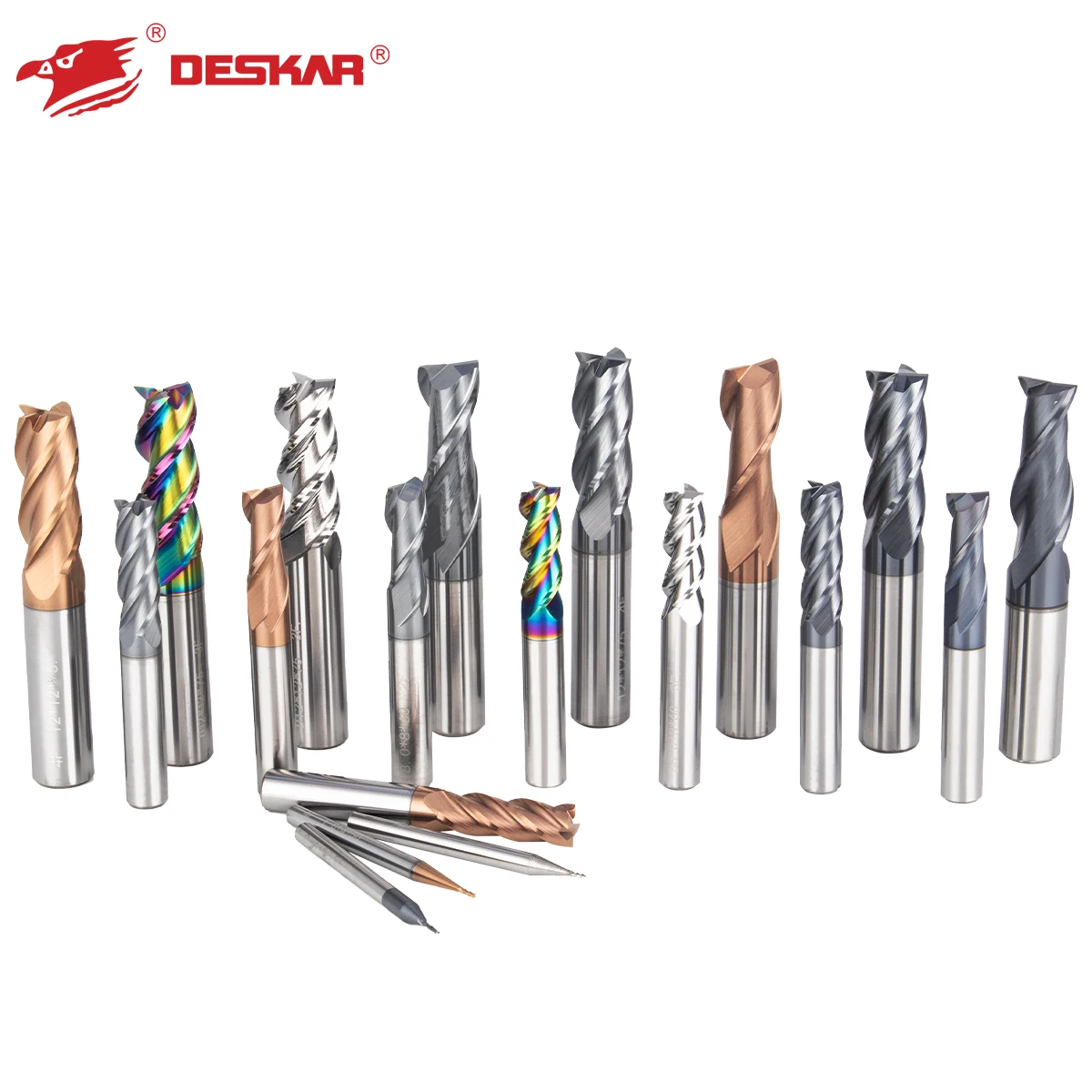
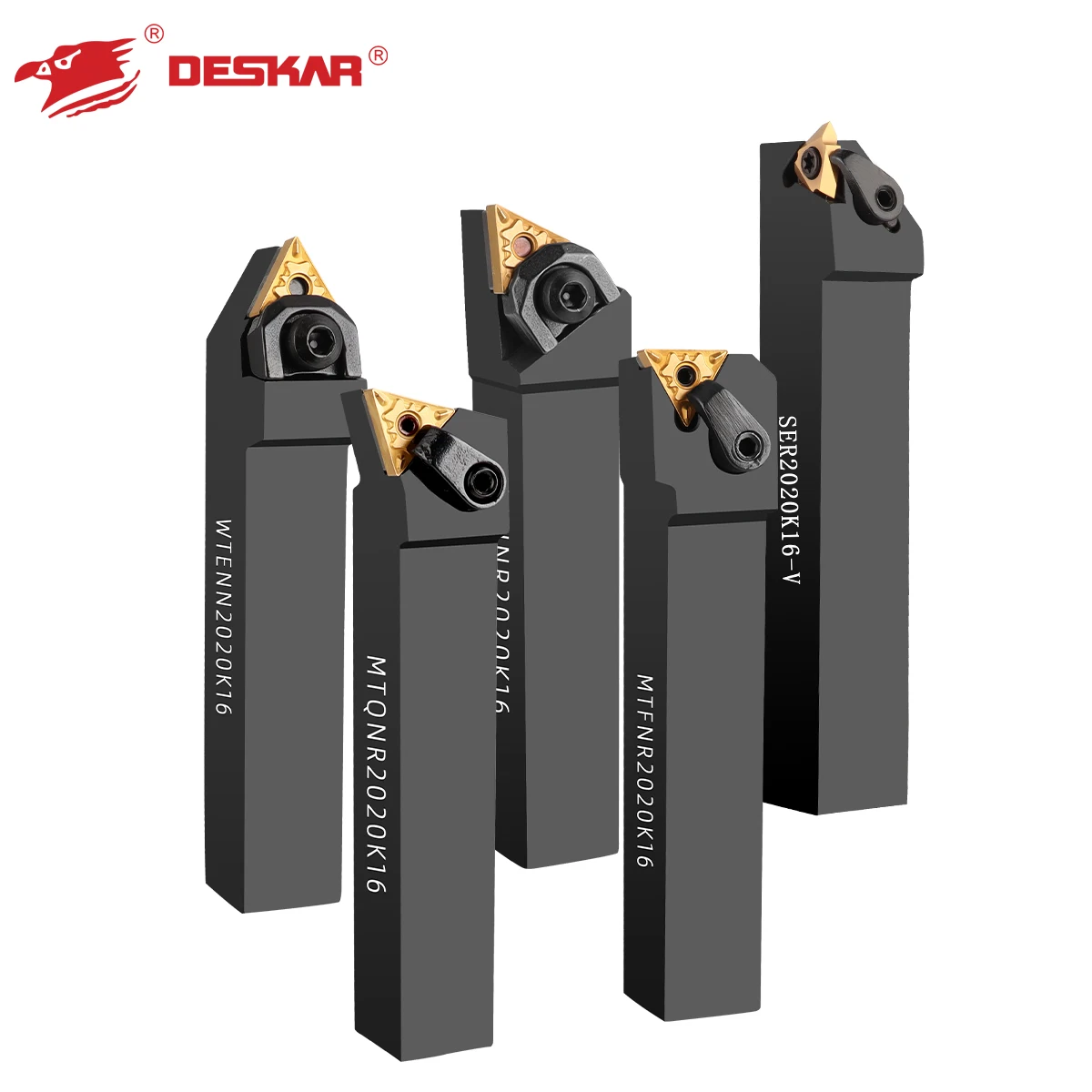
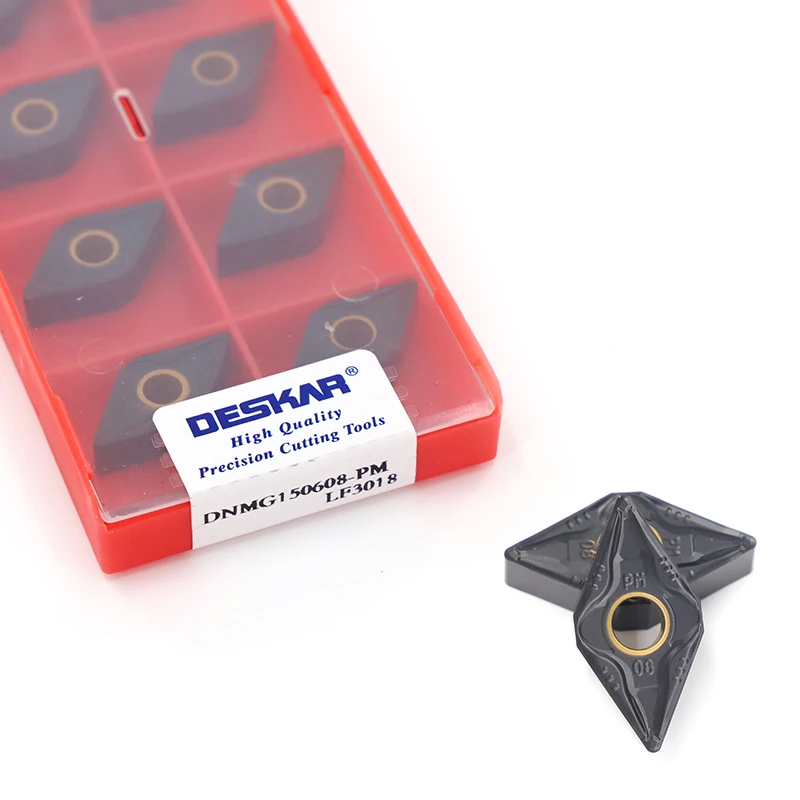
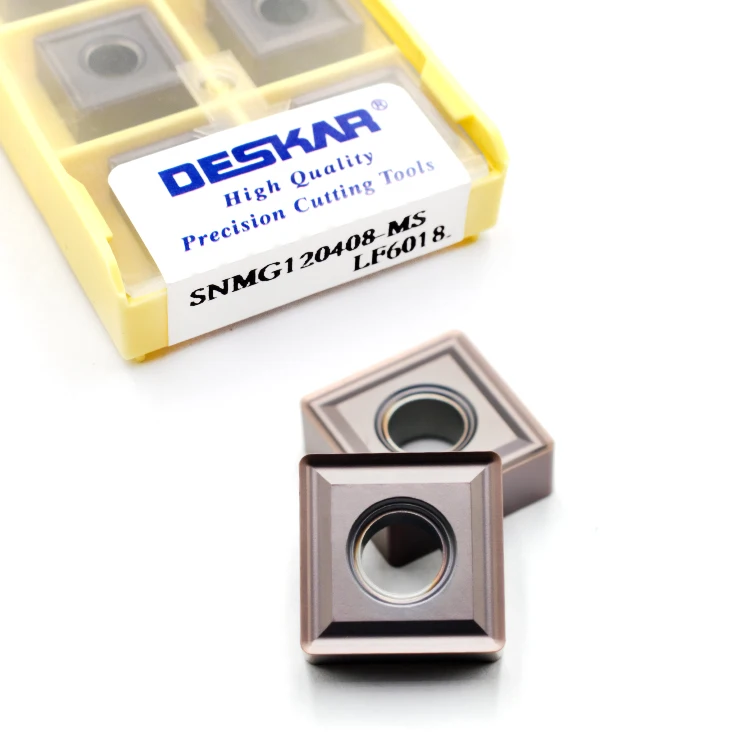
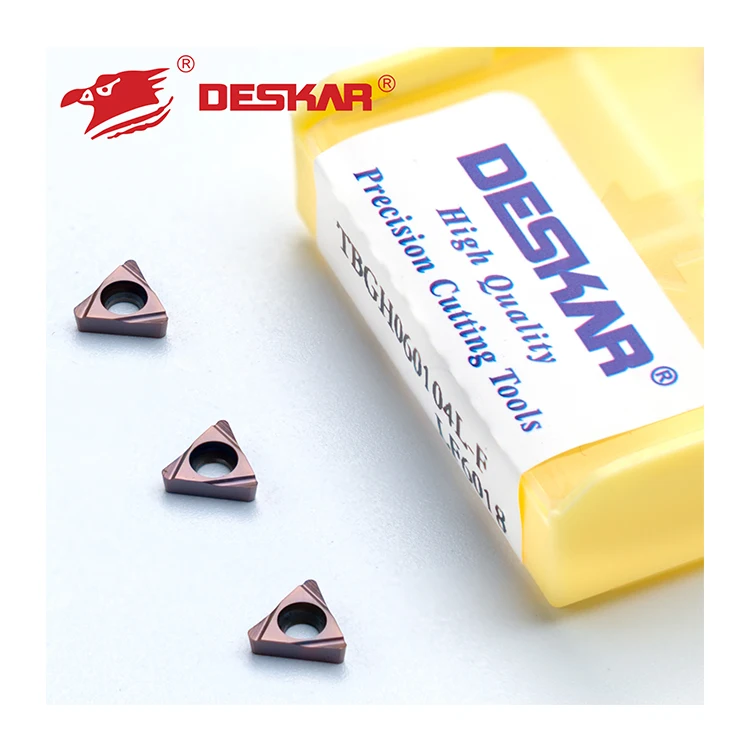
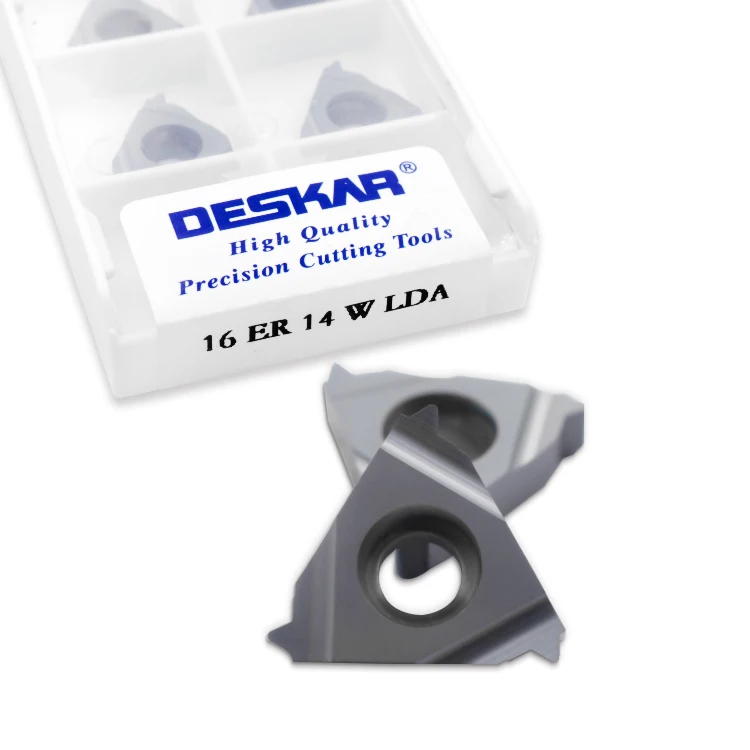
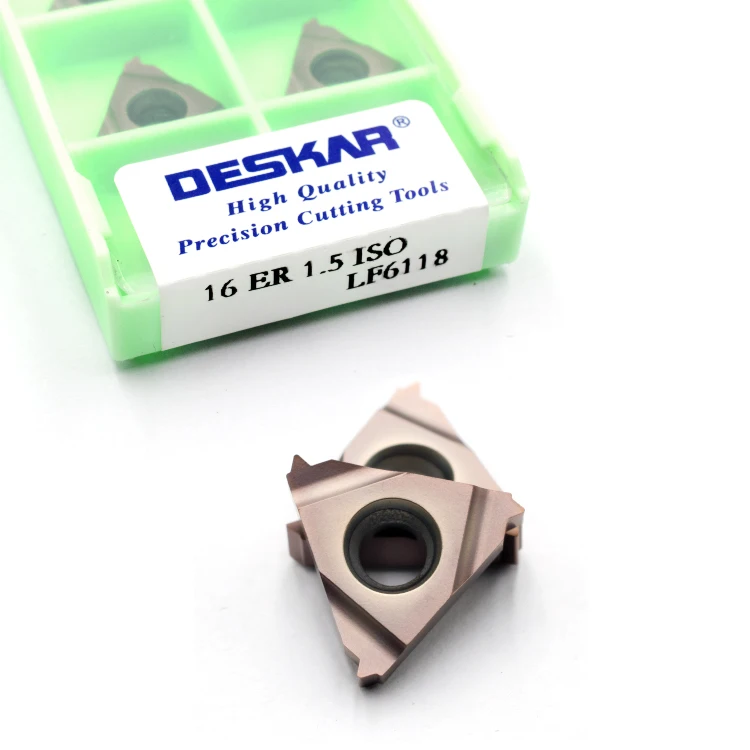
Carbide 4-flute end mills are precision cutting tools essential for milling operations in various industries, including mold-making, automotive, and aerospace. Understanding their specifications and capabilities is crucial for B2B buyers, such as purchasing managers and engineers, who need to ensure they select the right tools for their production needs. This article will guide you through the selection process, specifications, cost considerations, common installation issues, and applications of carbide 4-flute end mills to help you make informed purchasing decisions. DESKAR, a brand of LIFENG PRECISION TOOLS (ZHEJIANG) CO., LTD, provides precision cutting tools for different machining and manufacturing applications. The company has a research and development team and production lines for Indexable CNC inserts, CNC tool holders, solid carbide end mills, and PVD coatings. Its product range includes standard and non-standard cutting tools using materials and coatings such as PVD and CVD coatings, cemented carbide, cermet, and aluminum. DESKAR also provides cutting tools for milling, turning, drilling, cutting, grooving, and Indexable thread machining, with solutions for applications in mold-making, automotive, and aerospace manufacturing. The company states that it operates under an ISO 9001:2008 quality management system and exports its products to international markets.
Selecting the appropriate carbide 4 flute end mill begins with understanding your specific application requirements. Considerations include the type of material being machined, the desired finish quality, and the cutting conditions. For instance, harder materials may require end mills with tougher carbide grades and specialized coatings to enhance tool life and performance
When evaluating options, assess the flute design and geometry. A 4-flute design typically provides a good balance between cutting speed and chip removal, making it suitable for a variety of applications. However, if you're working with softer materials, a higher flute count might be advantageous for faster feed rates. Additionally, compatibility with your CNC machinery is crucial; ensure the end mill dimensions align with your machine's capabilities to avoid operational issues.
The specifications of carbide four flute end mills encompass several key factors that impact their performance:
Material Composition: Carbide tools are made from tungsten carbide, which offers superior hardness and wear resistance. The specific mix, including cobalt content, can affect toughness and brittleness
Coating: PVD (Physical Vapor Deposition) and CVD (Chemical Vapor Deposition) coatings can enhance the tool’s performance by providing higher wear resistance and reducing friction. Selecting the right coating based on your machining environment is essential
Diameter and Length: The diameter affects the material removal rate and the depth of cut. Consider the requirements of your application and the capabilities of your machinery when determining the appropriate sizes
Flute Design: The shape and number of flutes affect chip removal and cutting efficiency. A 4-flute design generally offers a good balance between speed and stability
Helix Angle: The helix angle influences the cutting action and surface finish. A higher angle can facilitate faster cutting but may cause more vibration, which can affect precision
Understanding these specifications helps buyers ensure they select the most effective carbide 4-flute end mills for their applications, reducing the risk of operational inefficiencies.
When purchasing carbide 4-flute end mills in bulk, several cost factors come into play. While unit prices typically decrease with higher quantities, other considerations may influence the total cost:
Material and Coating: The choice of carbide grade and coating can significantly impact the price. Higher-grade materials and advanced coatings increase the initial cost but can lead to longer tool life and lower replacement frequency
Customization: If your project requires custom tools, be prepared for additional costs related to design and production. Customization can enhance performance for specific applications but will also affect the lead time
Shipping and Packaging: Ensure you account for shipping costs, especially if ordering from overseas. In addition, packaging methods can affect costs; bulk packaging may be more economical but could increase handling time on your end
Quality Control: Investing in tools from reputable manufacturers, like LIFENG PRECISION TOOLS (ZHEJIANG) CO., LTD, ensures quality control processes are in place, which can save costs associated with tool failures and production downtime
By understanding these factors, buyers can better navigate the pricing landscape and make informed decisions on bulk orders
Installation of carbide 4-flute end mill sets can pose several challenges. Being aware of common issues can help mitigate risks and ensure optimal performance:
Improper Tool Alignment: Misalignment during installation can lead to uneven wear and potential tool breakage. Always verify that the end mill is seated correctly in the collet and that the collet is tightened according to the manufacturer's specifications
Incorrect Speed and Feed Rates: Using the wrong cutting parameters can result in poor surface finishes or tool damage. Refer to manufacturer guidelines or calculate optimal speeds and feeds based on the material and tool specifications
Vibration and Chatter: Excessive vibration during machining can lead to premature tool wear and inaccurate cuts. Ensure that your machine setup is rigid, and consider using tools with dampening features if vibration persists
Chip Build-up: Inadequate chip removal can lead to overheating and tool failure. Regularly check that your cooling systems are functioning and adjust the feed rate as necessary to ensure efficient chip evacuation
By preemptively addressing these issues, buyers can enhance tool performance and reduce downtime.
Carbide 4-flute end mills are versatile tools widely used across several industries due to their adaptability and performance. Here are some common applications:
Mold Making: In mold manufacturing, precision and surface finish are critical. Carbide 4-flute end mills provide the necessary stability and cutting performance for complex geometries, ensuring high-quality molds
Automotive Industry: These end mills are employed for machining various automotive components, including engine blocks and transmission housings. Their durability and ability to maintain tight tolerances make them ideal for high-volume production
Aerospace: The aerospace sector demands stringent quality and performance standards. Carbide end mills excel in machining materials like titanium and aluminum alloys, providing the required precision and surface finish for critical components
General Manufacturing: Beyond specialized applications, carbide 4-flute end mills are used in general machining processes for cutting a range of materials, making them a staple in many manufacturing environments
Understanding these applications allows buyers to select the right tools that meet the specific demands of their projects, ensuring efficient and effective machining operations
By integrating knowledge of specifications, cost factors, installation issues, and industry applications, buyers will be better equipped to make informed decisions regarding carbide 4-flute end mills, enhancing their production capabilities and overall operational efficiency.