
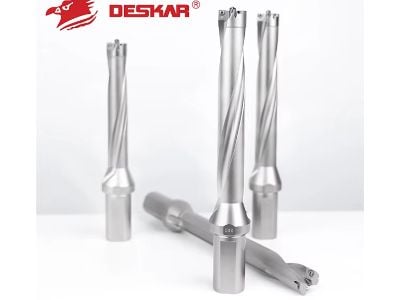
How to Choose the Right Reduced Shank End Mills for Your Projects
Selecting the correct reduced shank end mill is essential for achieving precise cuts, improving productivity, and extending tool life. These cutting tools are widely used in machining operations to shape and remove material from metal, plastic, and other workpieces. Choosing the right size and specification can significantly improve performance, whether you are handling small custom projects or large-scale manufacturing runs.
In addition to traditional milling tools, manufacturers often work with related cutting solutions such as endmill carbide tools, carbide blade products, and specialized carbide scraper applications to achieve optimal machining results.
What Should You Consider When Choosing Reduced Shank End Mills?
Several important factors should be evaluated before selecting a reduced shank end mill.
Material Being Machined
The material you are cutting plays a major role in tool selection. Different materials require different cutting characteristics. For example, machining hardened steel often requires durable endmill carbide tools that can withstand high temperatures and maintain sharp cutting edges. Softer materials such as aluminum or plastics may require different geometries and coatings.
Project Size and Complexity
The size of the workpiece and the level of detail required should also influence your choice. Smaller end mills are ideal for precision work, intricate profiles, and tight corners. Larger tools are better suited for removing material quickly and efficiently on bigger projects.
Cutting Depth Requirements
If your application requires deep cuts, ensure that the selected end mill has sufficient cutting length and rigidity. Using a tool that is too short may limit performance, while an excessively long tool can increase vibration and reduce accuracy.
Machine Compatibility
Reduced shank end mills are designed with smaller shank diameters that fit machines with limited collet capacities. Before purchasing, verify that the tool is compatible with your machine's spindle, collet system, and operating specifications.
Cutting Speed and Feed Rate
Different tools perform best at different speeds and feed rates. Matching the tool specifications to your machine's capabilities helps maximize tool life and machining efficiency.
How to Select the Right Sizes for Bulk Orders
When purchasing reduced shank end mills in larger quantities, careful planning can help improve productivity and reduce costs.
Review Machine Specifications
Start by identifying the tool sizes supported by your equipment. Ordering incompatible sizes can lead to operational issues and unnecessary expenses.
Analyze Production Requirements
Evaluate the types of projects you complete most frequently. If specific sizes are used regularly, maintaining larger inventories of those tools can help minimize downtime and improve workflow efficiency.
Consider Tool Length
Longer end mills are useful for deeper machining operations, while shorter tools typically offer greater rigidity and stability. Choosing the appropriate length based on application requirements can improve cutting performance and accuracy.
Balance Inventory Levels
Avoid overstocking rarely used sizes. Instead, focus on maintaining sufficient quantities of the tools most commonly used in production.
Prioritize Quality
While bulk purchasing can reduce costs, tool quality should never be compromised. High-quality endmill carbide tools often deliver longer service life, greater precision, and improved overall value compared to lower-cost alternatives.
Where Can You Find High-Quality Reduced Shank End Mills?
There are several reliable sources for purchasing reduced shank end mills and related cutting tools.
Online Industrial Suppliers
Many industrial tooling suppliers offer extensive online catalogs with detailed product specifications, technical data, and customer reviews. This allows buyers to compare options and identify suitable tools efficiently.
Local Industrial Tool Distributors
Visiting local distributors provides the opportunity to inspect products in person and consult with knowledgeable staff regarding specific applications.
Trade Shows and Manufacturing Events
Industry exhibitions often showcase the latest cutting technologies, including advanced carbide blade products, innovative carbide scraper designs, and high-performance milling solutions. These events provide valuable opportunities to evaluate products and connect directly with manufacturers.
Wholesale Purchasing Programs
Many suppliers offer discounted pricing for larger orders. Before committing to a bulk purchase, review warranty policies, return options, and technical support services.
How to Maximize Performance with the Right Reduced Shank End Mill
Choosing the correct tool size is only part of achieving optimal machining performance.
Match the Tool to the Material
Different materials require specific cutting geometries and coatings. Selecting the correct endmill carbide tool helps improve surface finish, reduce wear, and maintain dimensional accuracy.
Use the Appropriate Tool Diameter
Smaller end mills excel at precision work and intricate features, while larger diameters improve material removal rates and machining efficiency on larger components.
Verify Machine Capacity
Always confirm that the selected tool is compatible with the machine's spindle power, speed range, and collet system.
Optimize Cutting Parameters
Proper speed and feed settings are critical for maximizing productivity and tool life. Excessive cutting speeds can accelerate wear, while overly conservative settings may reduce efficiency.
Monitor Tool Condition
Regular inspections help identify wear before it affects part quality. Replacing worn tools promptly prevents costly machining errors and production delays.
Common Mistakes When Choosing Reduced Shank End Mills
Selecting the Wrong Size
A common misconception is that larger tools always perform better. In reality, oversized tools may create rough finishes, reduce precision, and potentially damage workpieces. Always select a size appropriate for the application.
Ignoring Material Requirements
Different materials require specific tooling solutions. Using the wrong tool can lead to premature wear, poor surface quality, and increased machining costs.
Overlooking Machine Compatibility
Not all reduced shank end mills are suitable for every machine. Always verify compatibility before purchasing.
Neglecting Tool Maintenance
Even premium-quality tools require proper care. Cleaning tools after use, storing them correctly, and replacing worn cutting edges helps maintain performance and extend service life.
Failing to Consider Alternative Cutting Solutions
In some applications, a carbide blade or carbide scraper may provide a more effective solution than a standard milling cutter. Understanding the full range of available cutting tools can improve production efficiency and product quality.
Conclusion
Selecting the right reduced shank end mill requires careful consideration of material type, project requirements, machine compatibility, and cutting parameters. High-quality endmill carbide tools offer excellent durability and precision, while complementary solutions such as carbide blade and carbide scraper products can further enhance machining performance. By avoiding common selection mistakes and focusing on quality tooling, manufacturers can improve efficiency, reduce costs, and consistently achieve superior machining results.