
How to Choose the Right Carbide Milling Cutter for Hardened Steel
Milling cutters are essential tools in metalworking, and they come in different types for machining various materials. One of the best options is the carbide milling cutter. These cutters are made from a hard material called carbide, making them strong, durable, and long-lasting. They are ideal for cutting tough metals such as stainless steel, aluminum, and hardened steel. At DESKAR, we understand the importance of using the right tools for every project. Carbide milling cutters help produce clean and precise cuts, which can make a significant difference in your work.
How to Choose the Right Carbide Milling Cutter for Hardened Steel?
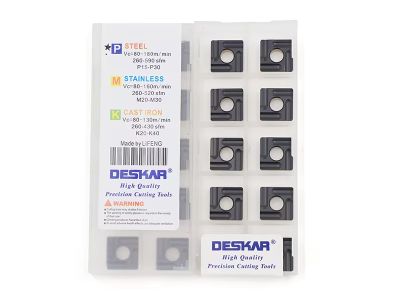
When choosing the right carbide milling cutter for hardened steel, there are several important factors to consider. First, think about the hardness of the steel you are machining. Hardened steel is much tougher than standard steel, so you need a cutter that can handle the material without breaking or wearing out quickly. CNC blade
Look for a cutter with a higher tooth count, as it provides smoother cutting performance and better surface finishes. The cutter geometry also matters. A well-designed cutting edge reduces cutting forces, helping extend tool life and improve machining efficiency.
The coating on the cutter is another important factor. Coatings such as titanium nitride (TiN) reduce friction and heat, allowing the cutter to last longer while maintaining cutting performance.
Cutting speed and feed rate should also be carefully selected. For hardened steel, slower cutting speeds are generally recommended, but finding the right balance between speed and feed will provide the best results. Finally, make sure the cutter is compatible with your milling machine, as some machines require specific tool types or sizes.
Benefits of Using Carbide Milling Cutters in Metalworking
Carbide milling cutters offer many advantages in metalworking. One of the biggest benefits is their durability. Carbide is much harder than high-speed steel (HSS), allowing the cutters to last significantly longer, even when machining tough materials. This means fewer tool changes and less machine downtime.
Another major advantage is precision. Carbide cutters produce highly accurate cuts, making them ideal for components that require tight tolerances. They also create smoother surface finishes, reducing the need for additional finishing operations and saving both time and labor.
Carbide cutters also improve productivity. They can cut at higher speeds while maintaining excellent performance, allowing manufacturers to complete more work in less time. Although carbide milling cutters typically cost more upfront, their longer lifespan and higher efficiency make them a worthwhile investment. At DESKAR, we provide high-quality carbide cutting tools designed to help professionals work more efficiently and achieve outstanding machining results. Carbide milling cutter
In summary, choosing the right carbide milling cutter is essential, especially when machining hardened steel. The advantages of carbide cutters including durability, precision, and efficiency make them an excellent choice for demanding metalworking applications. With quality tools from DESKAR, you can improve your machining performance and achieve consistently excellent results.
How to Maximize Efficiency with Carbide Milling Cutters for Stainless Steel?
When machining stainless steel, carbide milling cutters are an excellent choice because they are strong, durable, and capable of delivering consistent performance. To maximize efficiency, begin by ensuring that the cutter is sharp. A sharp cutter slices through stainless steel more easily, reducing cutting resistance and preventing premature tool wear. A dull cutter requires more force, increases heat, and may even break. Nc turning tool lever
Choosing the correct cutting speed is equally important. Running the cutter too fast can cause excessive wear, while cutting too slowly may produce poor surface finishes and reduce productivity. Finding the proper balance between speed and feed rate is key to achieving optimal performance.
Using the right amount of coolant is also essential. Coolant keeps both the cutter and the workpiece cool, preventing overheating that can damage the tool and the material. Maintaining a steady coolant flow improves cutting performance and extends tool life.
Pay attention to the depth of cut as well. Deep cuts place more stress on the cutter, increasing the risk of breakage. Instead, make lighter passes to reduce cutting pressure and improve tool longevity.
Finally, clean both the cutter and the work area after machining. Keeping equipment clean makes it easier to spot wear or damage before it becomes a larger problem. By following these practices and using DESKAR carbide milling cutters, you can achieve excellent results when machining stainless steel.
Common Mistakes to Avoid When Using Milling Cutters for Hardened Steel
Machining hardened steel can be challenging, and many users make mistakes that affect cutting performance. One common mistake is using the wrong type of milling cutter. Because hardened steel is extremely tough, carbide milling cutters are the preferred choice. Standard cutters wear out quickly or may even break under heavy cutting conditions.
Another common error is using an incorrect feed rate. Some operators increase the feed too much in an attempt to save time, but this often results in poor surface finishes or damaged cutters. Maintaining a steady, moderate feed rate generally produces better results.
Many users also overlook the importance of coolant. Proper coolant application reduces heat buildup and prevents excessive tool wear. Without adequate cooling, carbide cutters may overheat and lose performance.
Inspecting the cutter before machining is another important step. Check the cutting edges for chips, cracks, or signs of wear. Even minor damage can negatively affect machining quality and may lead to tool failure. Replace damaged cutters before beginning a new job.
Finally, avoid taking cuts that are too deep. Excessive cutting depth places unnecessary stress on the tool and increases the likelihood of breakage. Start with shallower cuts and gradually increase depth if appropriate.
By avoiding these common mistakes and using high-quality DESKAR carbide milling cutters, you can achieve smoother machining operations, longer tool life, and better overall results.
How to Improve Cutting Performance by Choosing the Right Carbide Milling Cutter?
Selecting the right carbide milling cutter is one of the most important factors in achieving excellent machining performance. The first consideration should be the material being machined. For aluminum, choose cutters specifically designed for soft metals, as they feature sharper cutting edges and optimized geometries. For stainless steel or hardened steel, stronger carbide cutters are required to withstand higher cutting forces. DESKAR offers carbide milling cutters designed for a wide range of materials.
Cutter size is another important factor. Larger cutters remove material more quickly on bigger workpieces, while smaller cutters provide greater precision for detailed machining operations.
The number of flutes also affects cutting performance. More flutes generally produce smoother finishes but provide less chip clearance. Fewer flutes remove chips more efficiently and allow for faster material removal but may leave a rougher surface. Select the flute count based on your machining requirements.
Tool coatings should not be overlooked. Advanced coatings reduce friction and heat buildup, extending tool life and improving cutting efficiency.
Finally, ensure the cutter is compatible with your milling machine's spindle speed, power, and tool holder. By carefully selecting the right DESKAR carbide milling cutter, you can significantly improve machining efficiency, cutting quality, and overall productivity.
Table of Contents
- How to Choose the Right Carbide Milling Cutter for Hardened Steel?
- Benefits of Using Carbide Milling Cutters in Metalworking
- How to Maximize Efficiency with Carbide Milling Cutters for Stainless Steel?
- Common Mistakes to Avoid When Using Milling Cutters for Hardened Steel
- How to Improve Cutting Performance by Choosing the Right Carbide Milling Cutter?