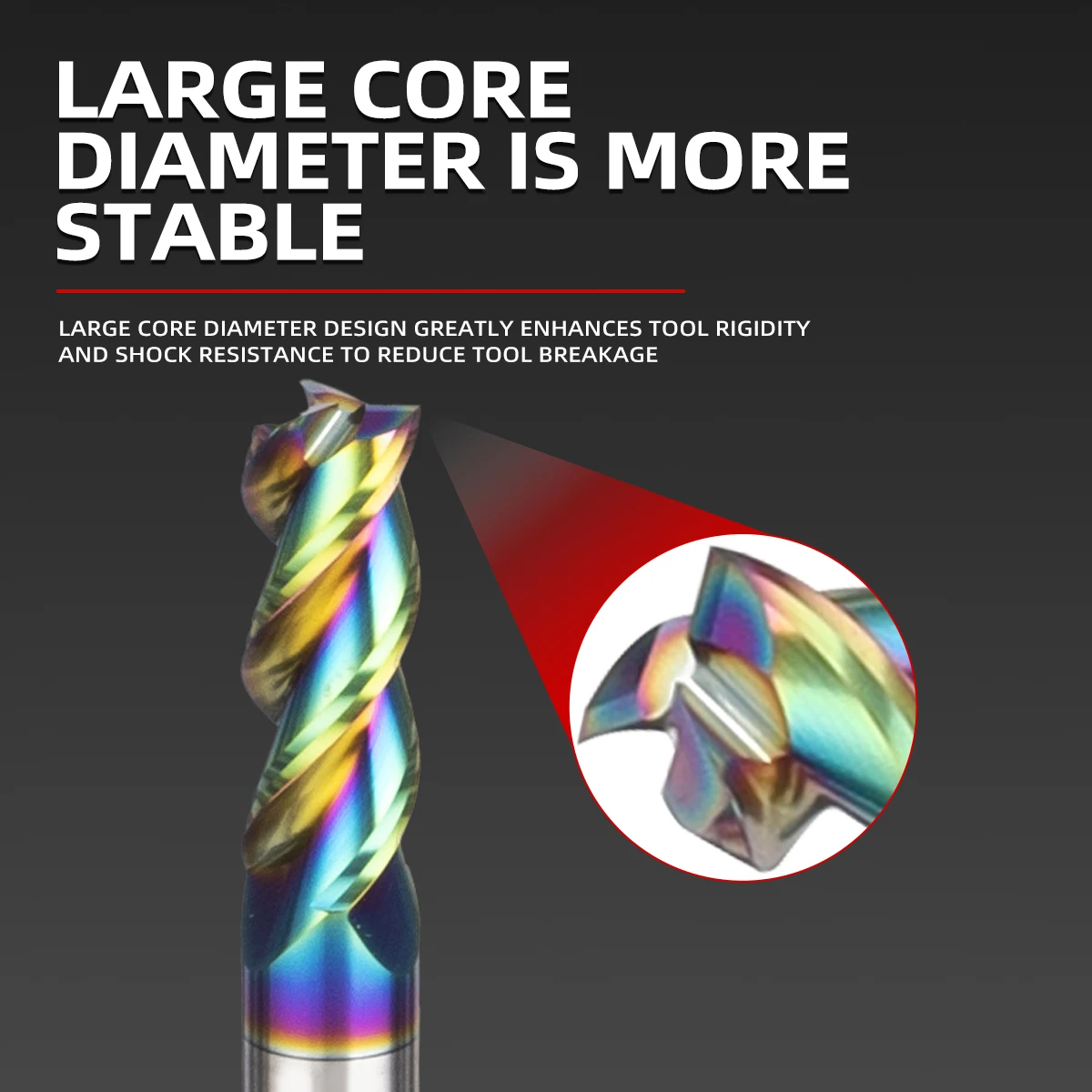
Bull nose end mills is special tools that help shape and cut materials in lots of ways. At DESKAR, we know how key it are to choose right tools for the job. Knowing which materials work good with bull nose end mills can make big difference in your projects outcome. These tools has rounded edges that's great for corners and smooth finishes. Whether metals, plastics, or wood, get material compatibility right can improve results and make your tools last longer.
What Materials Work with Bull Nose End Mills?
Bull nose end mills are versatile and works on many materials. They does best on metals like aluminum and steel. Aluminum being soft makes it easy to cut, so you get smooth edges and exact cuts. Steel is tougher, but right speed and feed rate let bull nose end mills give clean finishes. Softer metals like brass or copper also works good, helping make details without harm.
And plastics too, bull nose end mill handle them well. Stuff like acrylic and PVC shapes easy with these. For plastics, lower speed prevent melting that's important. Woodworkers likes them for curves and rounded edges on wood. Great for furniture or smooth finish projects. Right tool depends on your project and material, but bull nose end mills usually good choice.
How to Get Best Performance from Bull Nose End Mills on Different Materials
To max performance with bull nose end mills, think about few things. Speed of the mill matters a lot. For hard stuff like steel, run slower to avoid overheat and keep tool sharp longer. Softer like aluminum, you can speed up, but adjust feed rate so it don't stuck.
Coolant type is another factor. For metals, coolant keeps cool and boost tool life, plus cleaner cuts. Plastics better dry cut as to not melt. For wood, good feed and clean tool stops splintering.
Last, keep tools sharp and good shape. Dull ones causes rough edges or breaks. Checks and maintenance helps most out your bull nose end mills. At DESKAR, we see right techniques lead better projects. Pay attention, work gets easier.
Best Practices for Bull Nose End Mills
Proper use of bull nose end mill changes projects a lot. First, pick right cutting speed, how fast it spins on material. Too fast heats up and wears quick. Too slow don't cut well. Start medium and adjust as tool and material works together.
Next, feed rate, how fast it moves thru material. Too high breaks tool, too low cuts poor. Balance is key. In addition, right coolant cuts friction, special for tough materials.
With DESKAR bull nose end mill, keep clean. Wipe chips after use, prevent damage next time. Check for wear or chips, replace if dull. This give clean cuts and smooth. Practice help understand materials better. Follow this, get great results.
Top Brands for Bull Nose End Mills
Looking for bull nose end mills, best brands help choose. DESKAR is most reliable. Their tools known for quality and good performance. Users like how it cuts aluminum, steel, plastic.
Why DESKAR popular? Durability. Good one lasts long on tough stuff. Made strong, handle heavy without quick wear. So more projects, less replace.
Also, variety in sizes and shapes. Flexible for your project, small for delicate or big for heavy. DESKAR updates with new tech too. Makes work easier. Choose DESKAR, get quality and happy.
Troubleshoot Problems with Bull Nose End Mills
Even good tools has issues sometimes. If bull nose end mill not right, common problems easy fix. Dull edge most often, cuts rough? Sharpen or replace for best.
Chatter, that vibration making uneven cuts and damage tool. Check if tight in machine, tighten helps. Adjust feed slower if too fast.
Material sticks? Lack coolant cause it. Use right amount regular, reduces friction.
If breaks often, maybe not compatible with material. Check first. Watch these, DESKAR ball end end mill works great every time.