
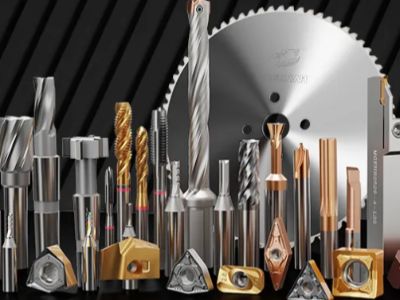
Choosing the right angle for a tapered end mills bit is important to get the best results in projects. Tapered ball nose bits are special tools used in machining and woodworking. They help make curved shapes and smooth surfaces. The angle of a tapered bit affects how it cuts and shapes materials. If you pick the right angle, it makes the work easier and gives a better finish. This guide helps you understand how to choose the right angle and find the best bits for your needs. We will also talk about some common issues that come with using these bits
When to Buy the Best Tapered Ball Nose Bits for Wholesale
When buying the best tapered ball end mill for wholesale, focus on quality and reliability. At DESKAR, we have a wide range of these bits for different tasks. You can get bits with various angles and sizes for your projects. Buying in bulk saves money and keeps your tools ready. Look for suppliers that provide detailed product specifications. This helps you make informed decisions. In addition, check customer reviews to see real performance. It is also important to consider the bit material. High-speed steel and carbide are popular choices because they last longer and can handle heat. Choosing the right supplier ensures you get quality tapered ball nose bits that meet your needs
Common Problems When Using Tapered Ball Nose Bits
Using tapered ball nose bits can sometimes cause problems if you are not careful. One common issue is chatter, which happens when the bit vibrates while cutting. This can create rough edges and poor-quality finishes. To avoid this, set up the machine properly and secure the bit firmly. Another problem is overheating, which happens when you cut too fast or apply too much pressure. Overheating can damage both the bit and the material. To prevent this, reduce the feed rate and use proper lubrication. Lastly, pay attention to the cutting angle. If it is too steep for the task, cutting performance can suffer. Always match the angle to the material and the type of cut. By paying attention to these factors, you can achieve smoother and more consistent results
How to Choose the Right Angle for Different Materials
It is important to choose the right angle for a tapered ball nose bit because it changes how the tool performs on different materials. For soft materials like wood or plastic, a larger angle may be the better choice. A larger angle helps the bit cut smoothly without getting stuck. On the other hand, harder materials like metal or stone require a smaller angle because it allows the bit to penetrate tough surfaces more effectively. To find the best angle, consider the material first because each one has different properties. For soft materials, a 30- to 45-degree angle usually works well because it allows the bit to glide smoothly. For hard materials, a 10- to 20-degree angle provides better penetration. You should also consider the type of project. Carving requires a different angle than drilling. By understanding both the material and the task, you can choose the most suitable bit. At DESKAR, our selection of bits makes it easier to find the perfect option
How the Right Angle Improves Tool Lifespan
Choosing the right angle is not only important for cutting performance but also for extending tool life. The ideal angle reduces wear and keeps the bit sharper for longer. For example, using a very small angle on soft materials can wear the bit out quickly because it rubs against the surface instead of cutting efficiently. On the other hand, using a large angle on hard materials can cause the bit to chip. To improve tool life, always match the angle to the material and the application. For general use, a 30-degree angle provides a good balance between cutting performance and durability. If your bit becomes dull too quickly, consider adjusting the angle. At DESKAR, we also recommend cleaning bits regularly. Removing debris helps maintain sharpness and extends the life of the tool. Checking the angle and condition of your bits regularly will help you get the best performance
How to Solve Angle-Related Problems with Tapered Ball Nose Bits
Sometimes, angle-related problems can be frustrating and lead to wasted material. A bit may not cut evenly if the angle is too steep or too shallow. For example, using a large angle on a hard surface can cause the bit to slip instead of cutting properly. The solution is to switch to a sharper angle that better matches the material. Fast bit wear is another common issue caused by using the wrong angle. A bit can become dull quickly if it is not suited to the application. Try using a different angle based on the project requirements. A 30-degree angle is a good starting point for many tasks. If problems continue, inspect the bit for damage or determine if it needs sharpening. At DESKAR, we are committed to helping customers find effective solutions. Understanding the correct angle and addressing common issues will help your tapered ball nose bits perform better and make every project more successful.