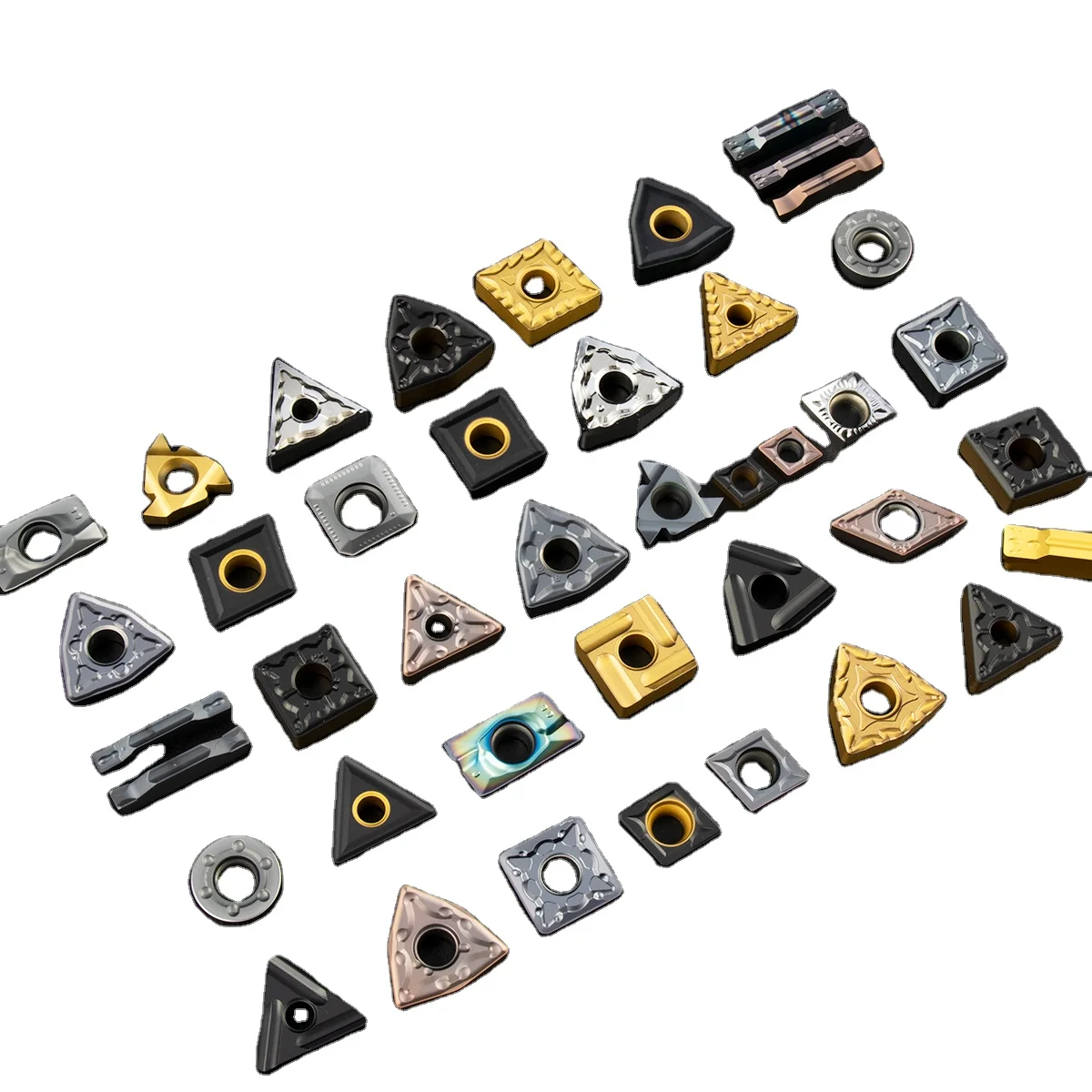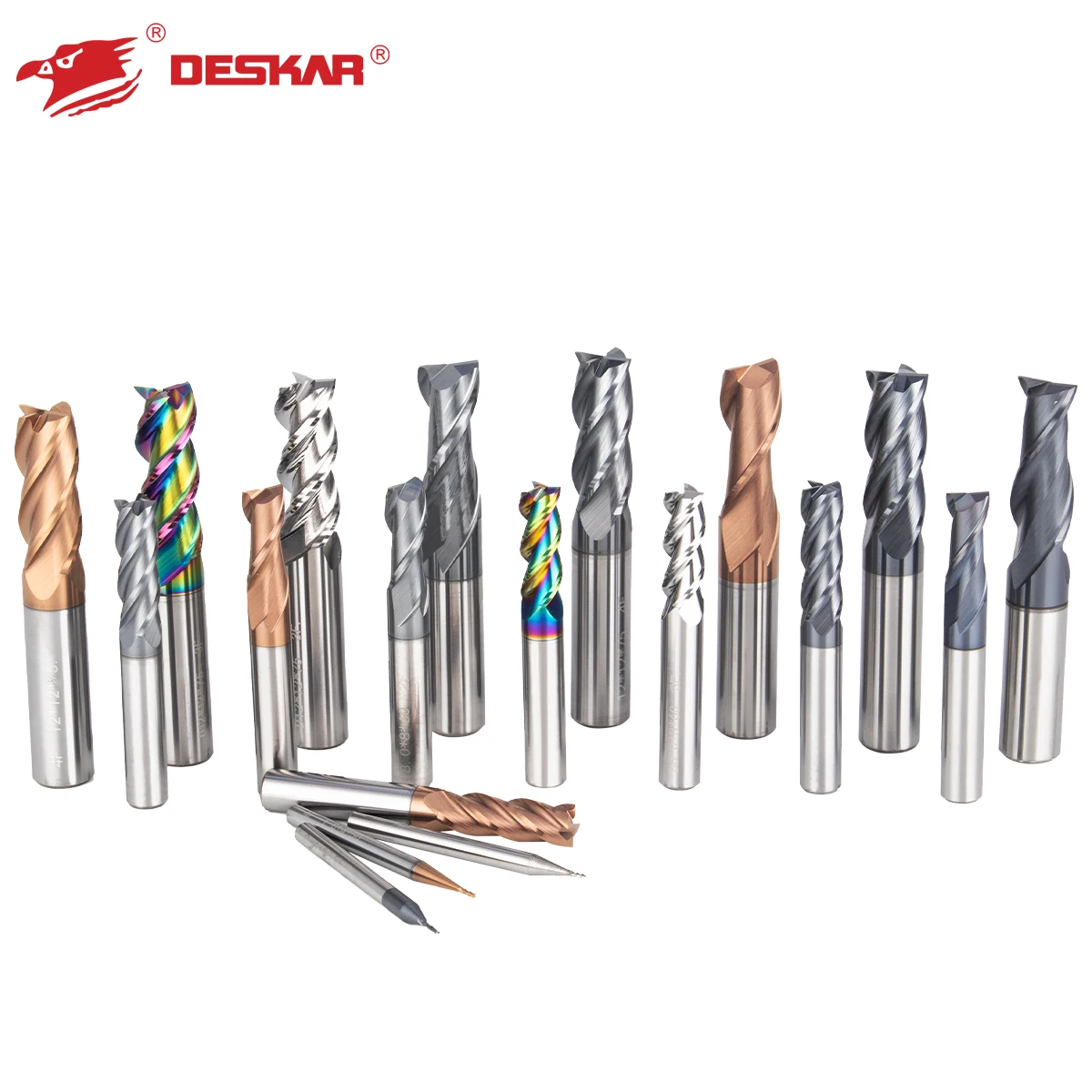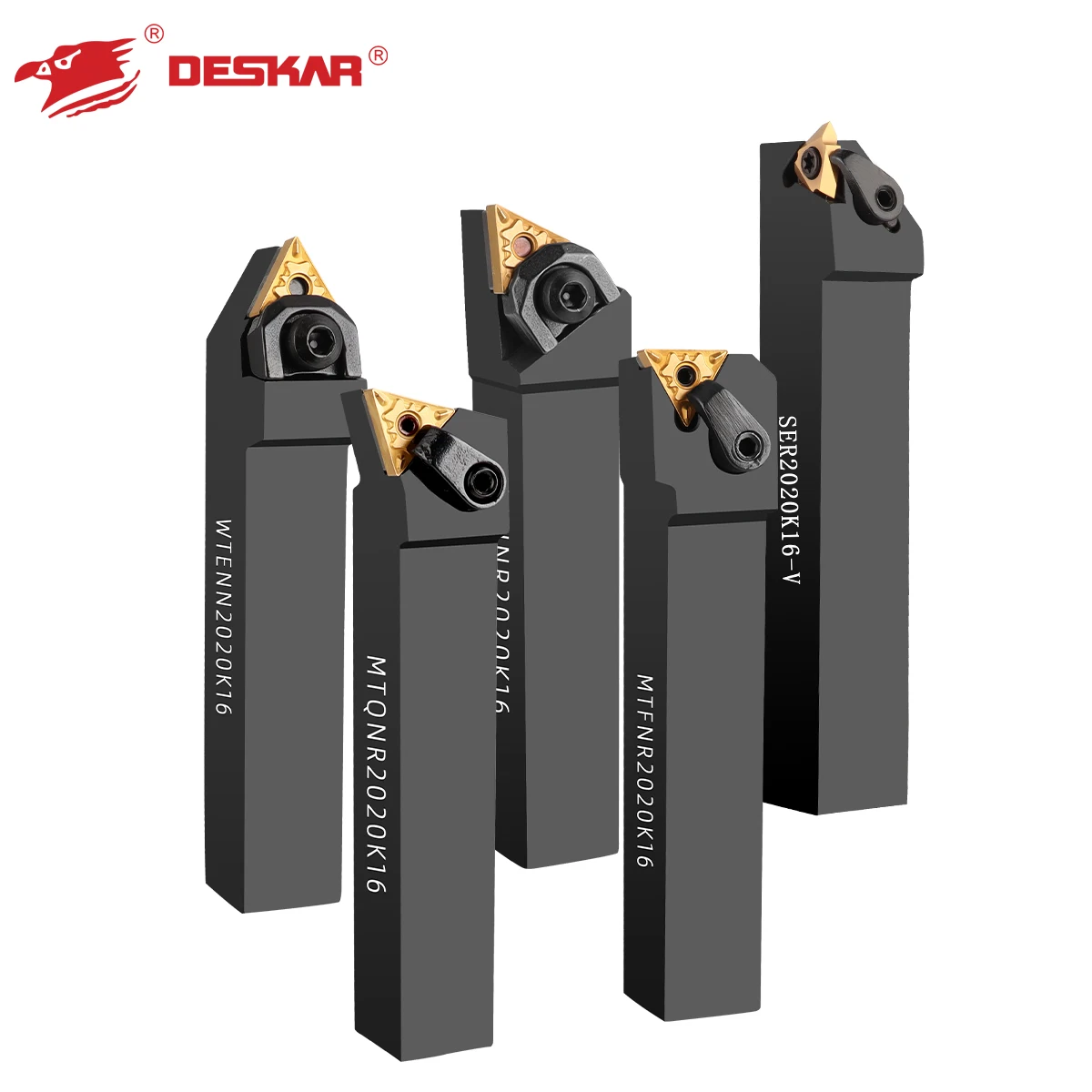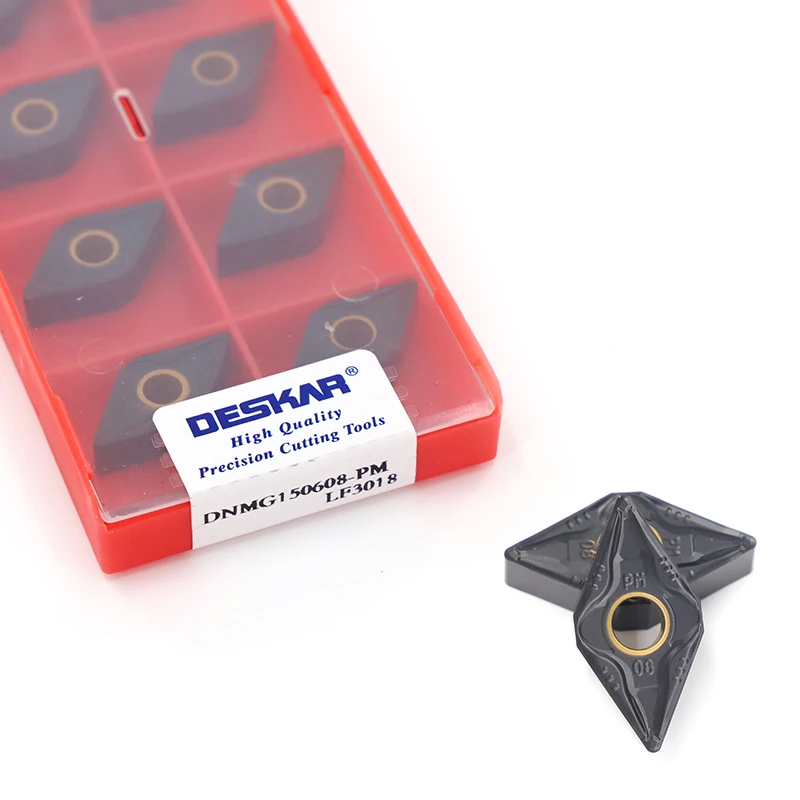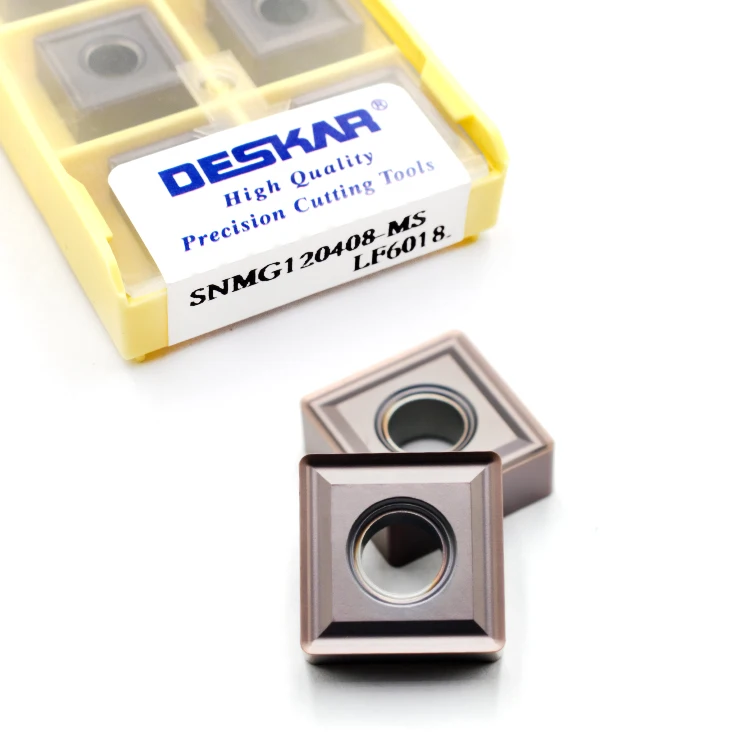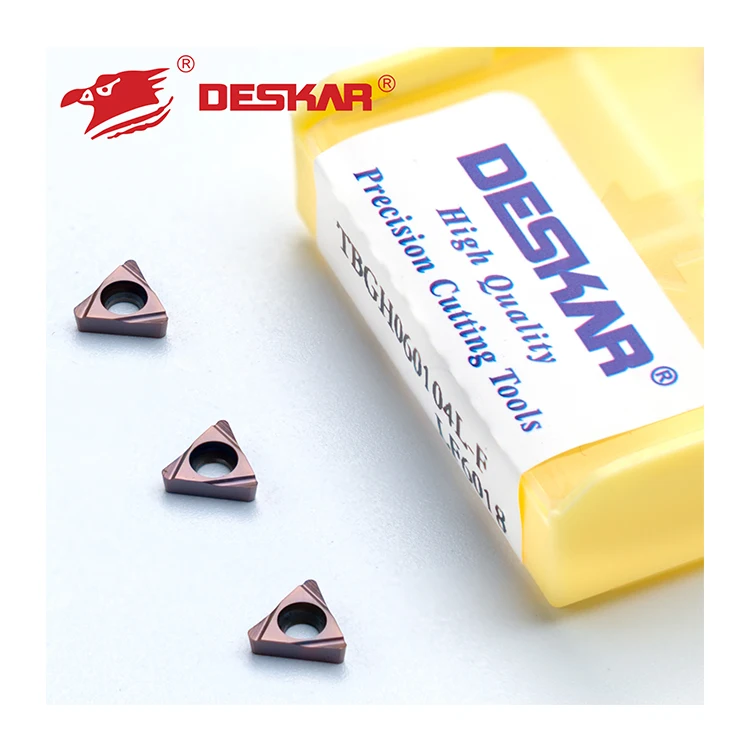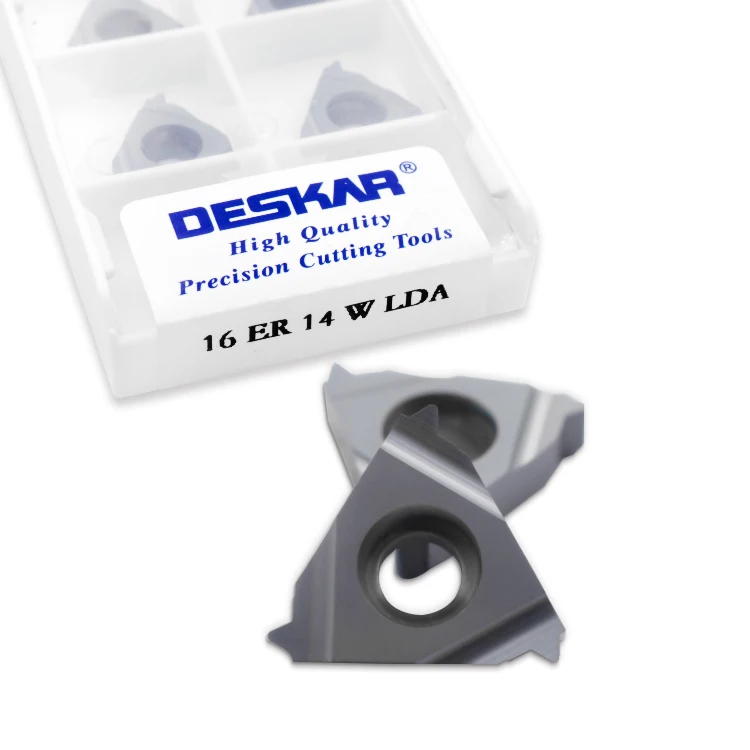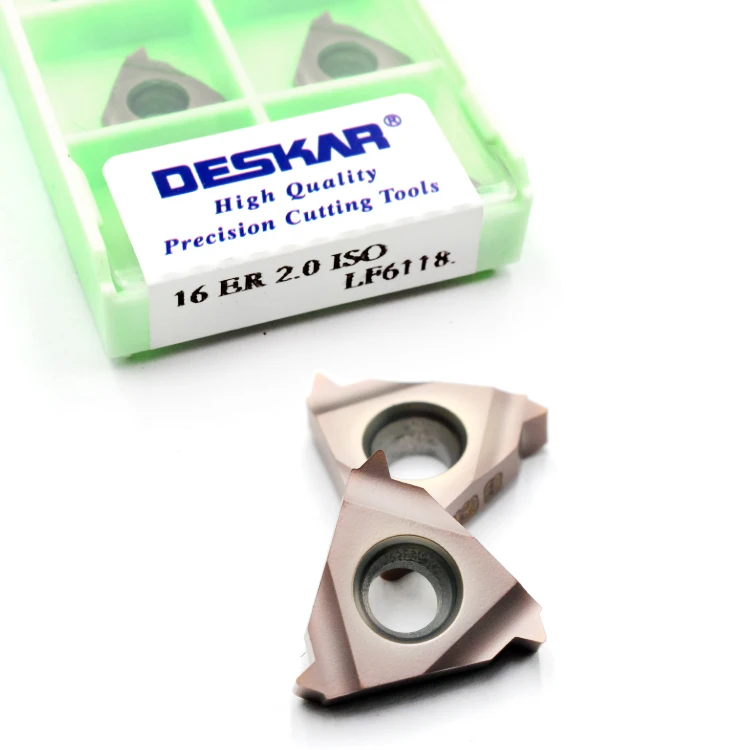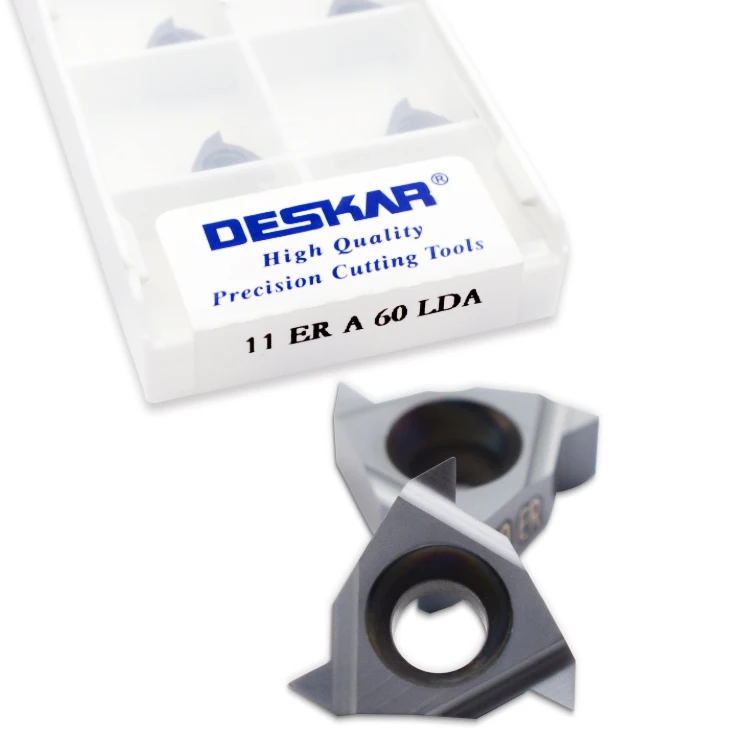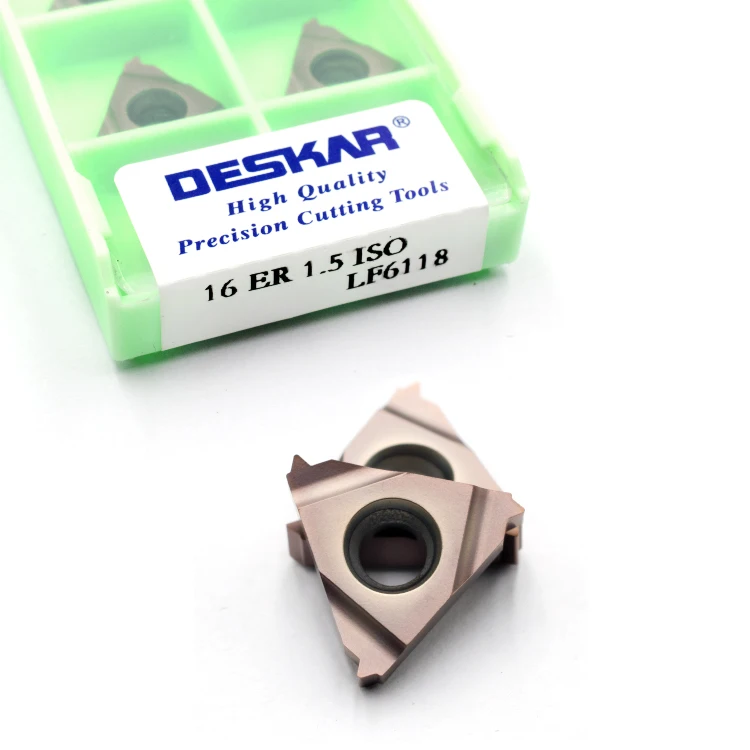
Turning tools are essential components in the manufacturing process, particularly for industries such as mold-making, automotive, and aerospace. These DESKAR aluminium turning inserts are designed to shape and cut materials, ensuring precision and quality in production. As a purchasing manager or engineer, understanding the right turning tool for your specific project needs is crucial. This article will provide insights into selecting the appropriate turning tool, the specifications that affect performance, cost considerations, installation guidance, and the benefits of advanced coating technologies like PVD and CVD.
Selecting the right turning tool involves assessing various factors that align with your project requirements. Consider the material you will be working with—different materials require specific types of cutting tools for optimal performance. For example, high-speed steel tools may be suitable for softer materials, while carbide or ceramic tools are better for harder materials due to their durability.
Next, evaluate the geometry of the tool. The shape and angle of the cutting edge will influence the cutting action and surface finish. Tools with a positive rake angle are often used for softer materials, while a negative rake angle may be advantageous for harder materials that require strength and stability.
Additionally, consider the machine compatibility and the specific turning operation (such as roughing or finishing) you intend to perform. Custom solutions may also be available, allowing for tools to be tailored to unique specifications, which can enhance productivity and reduce waste.
Turning tools come with a range of specifications that are critical for achieving the desired performance. Key specifications include the tool's diameter, length, and material type. For instance, the diameter affects the tool's cutting capacity and the depth of cut you can achieve, while the length influences reach and stability during operation.
The material composition of the tool is also crucial. Tools made from high-speed steel (HSS) are versatile and cost-effective but may wear out faster compared to carbide tools, which offer greater hardness and wear resistance. PVD (Physical Vapor Deposition) or CVD (Chemical Vapor Deposition) coatings can further enhance the tool's performance by providing a harder surface that reduces friction and improves durability.
Buyers should ensure that the specifications match the intended application. For example, if the turning tool is to be used in high-speed machining, selecting a tool with an appropriate coating and geometry is vital for maintaining efficiency and extending tool life.
When purchasing high-precision turning tools, several cost factors must be considered. The initial purchase price is often just one aspect of the overall cost. It's essential to evaluate the tool's lifespan, which can significantly impact your total cost of ownership. DESKAR carbide turning tools with higher-quality materials and advanced coatings may have a higher upfront cost but can provide better performance and longer life, leading to lower replacement and operational costs over time.
Additionally, consider the volume of tools needed for your production runs. Manufacturers may offer discounts for bulk orders, which can help reduce per-unit costs. Be sure to also inquire about the Minimum Order Quantity (MOQ) and lead times, as these factors can affect your production schedule.
Finally, factor in the costs associated with tool maintenance and any required training for your staff to ensure proper usage and care of the tools. A well-informed team can reduce mistakes and prolong the life of your turning tools.
Proper installation of turning tools is critical to their performance and longevity. Before installation, ensure that the machine tool is set correctly and that all components are clean and free from debris. When inserting the tool into the turning machine, follow the manufacturer's guidelines for torque specifications to avoid damaging the tool or the machine.
It's also important to check the alignment and ensure that the tool is positioned at the correct angle for the intended cutting operation. Misalignment can lead to uneven wear and poor surface finishes. For complex setups, consider conducting a test run with scrap material to verify that the tool is functioning as expected before commencing production.
Additionally, proper handling and storage of turning tools can prevent damage. Store tools in designated holders or cases to protect cutting edges from nicks and impacts, which can compromise their effectiveness.
PVD (Physical Vapor Deposition) and CVD (Chemical Vapor Deposition) coatings are advanced surface treatments that enhance the durability and performance of turning tools. These coatings create a thin, hard layer on the tool's surface that significantly improves wear resistance, reducing the frequency of tool replacements and downtime.
One of the primary advantages of these coatings is their ability to withstand high temperatures and resist oxidation, which is particularly beneficial in high-speed machining applications. The reduced friction provided by these coatings leads to cooler cutting conditions, promoting better tool performance and improved surface finishes on the workpiece.
Moreover, tools with PVD or CVD coatings typically exhibit better resistance to chipping and cracking, translating to consistent performance over extended periods. When selecting DESKAR carbide woodturning tools, consider those with these advanced coatings to enhance tool life and operational efficiency, ultimately contributing to lower overall production costs.
By understanding the nuances of turning tools, their specifications, installation requirements, and the benefits of advanced coatings, B2B buyers can make informed decisions that lead to improved productivity and cost savings in their manufacturing processes.