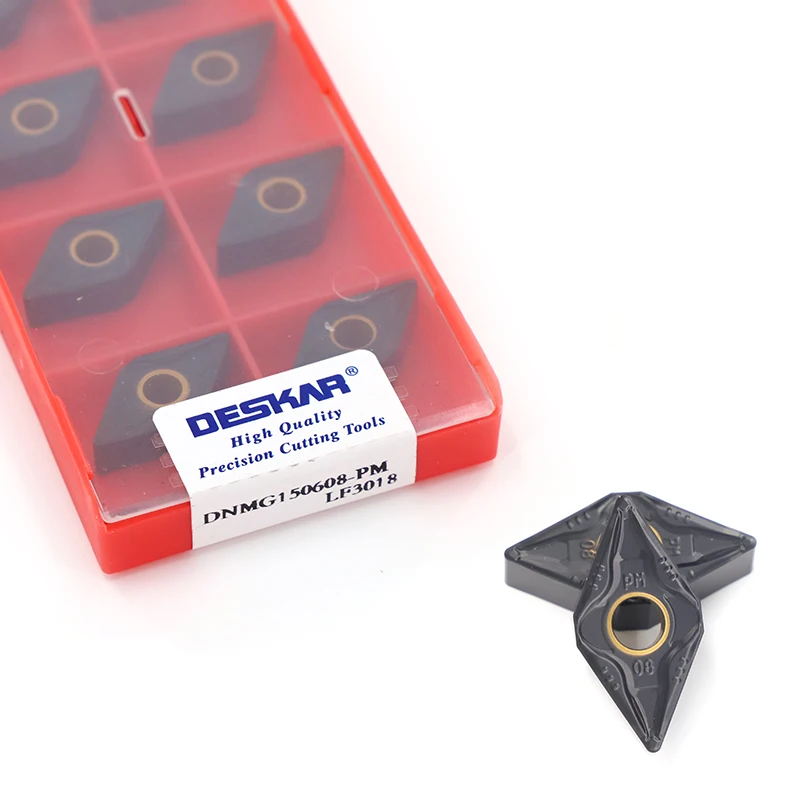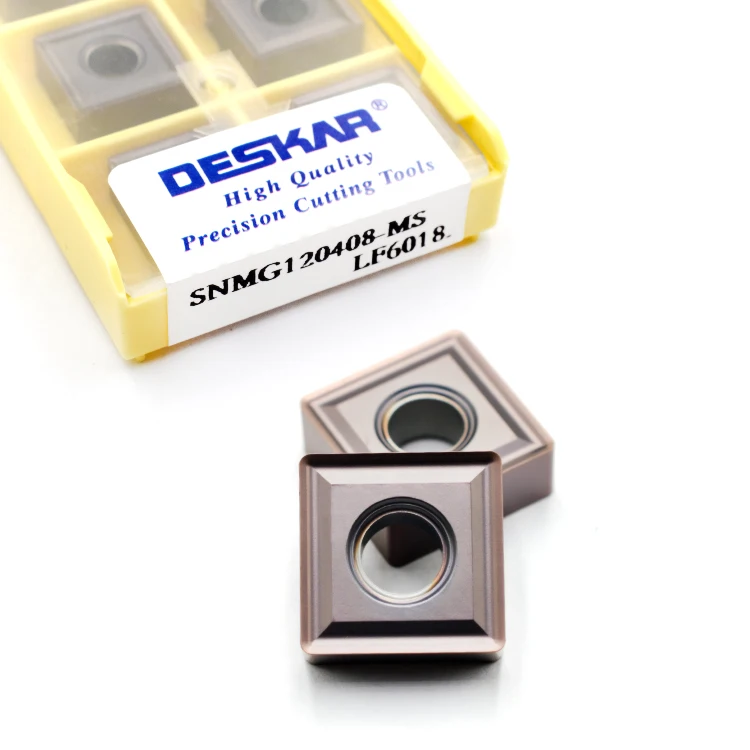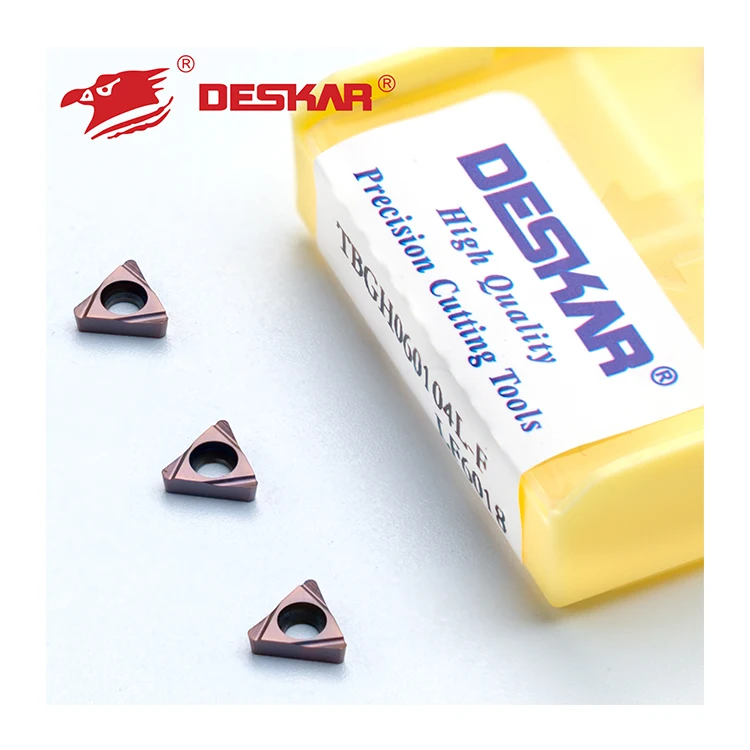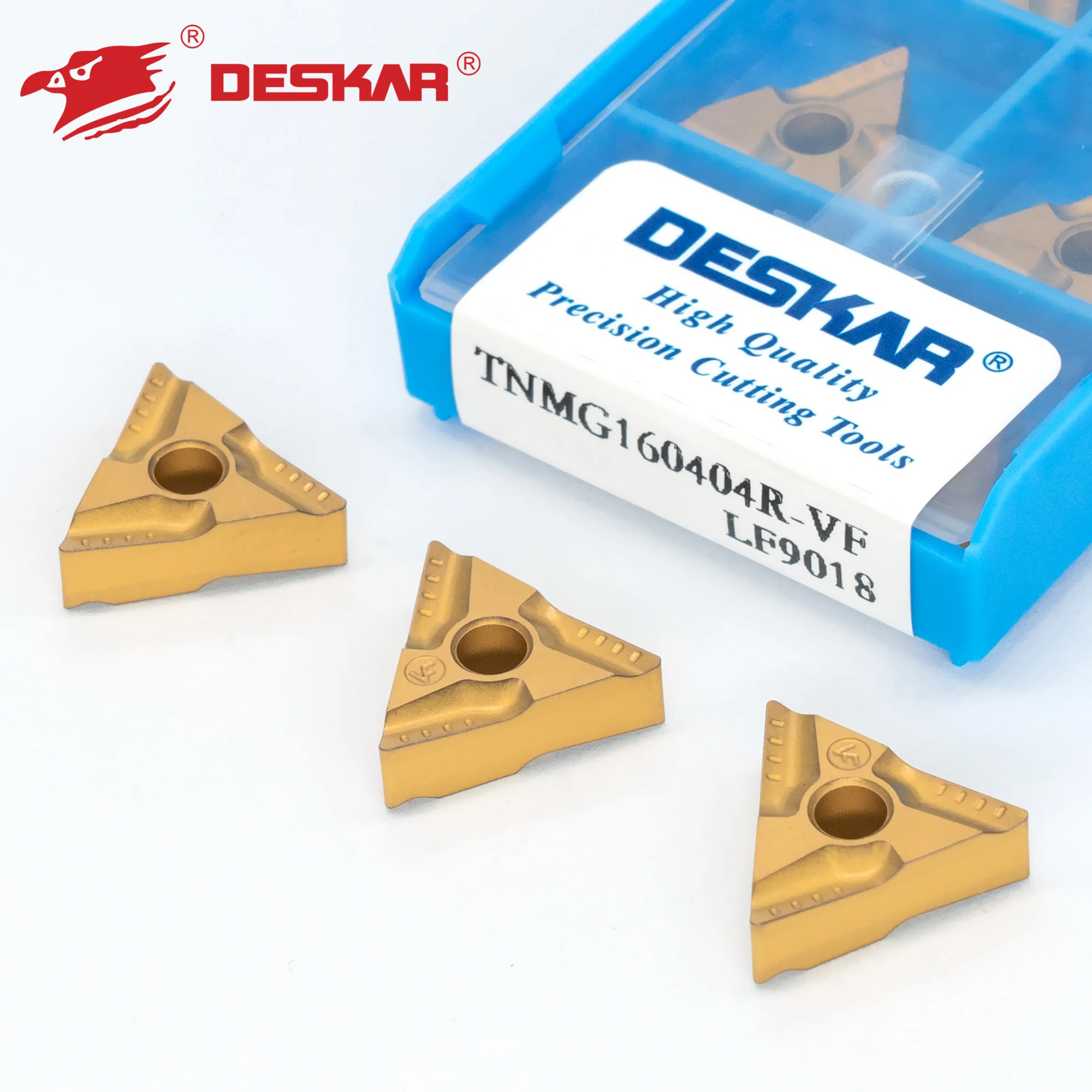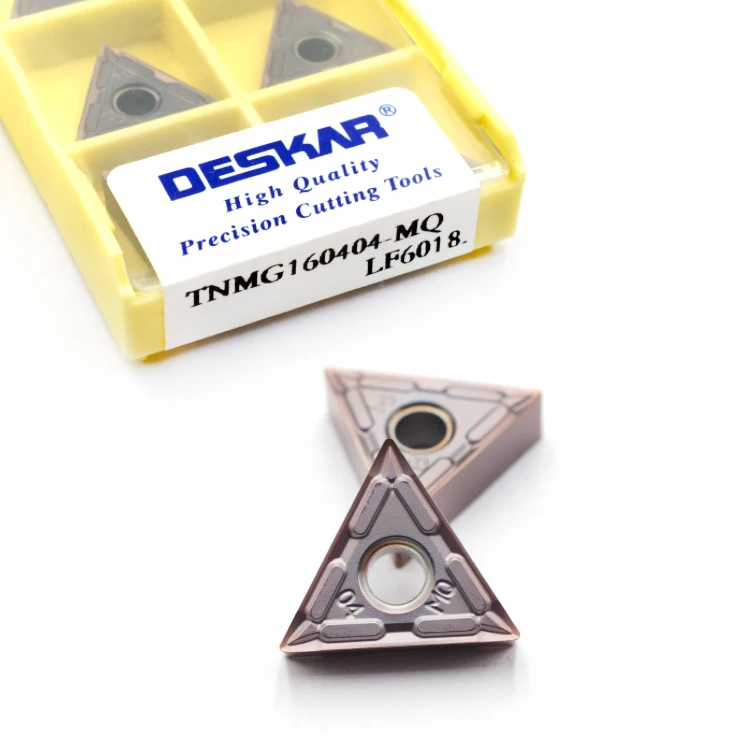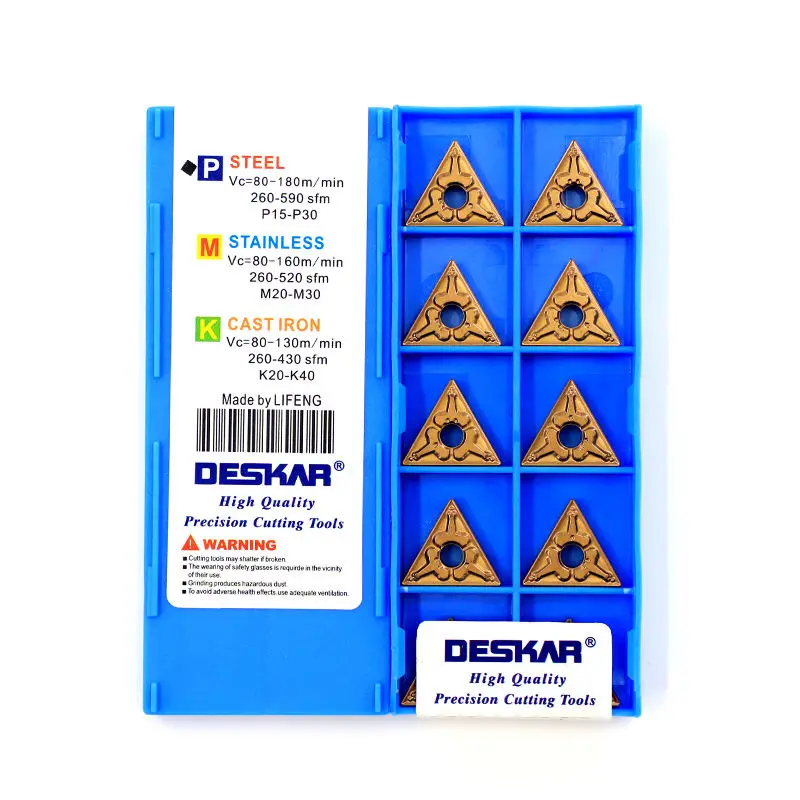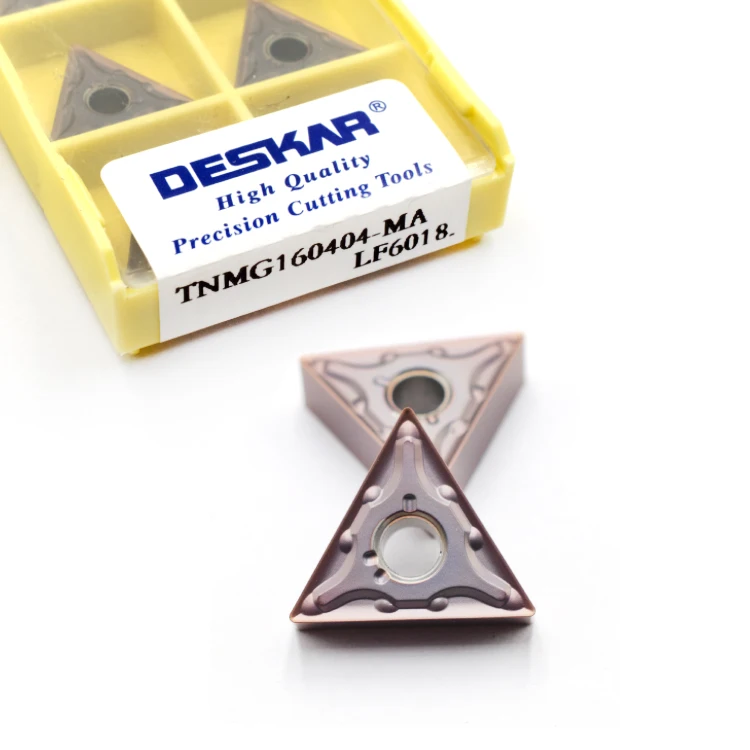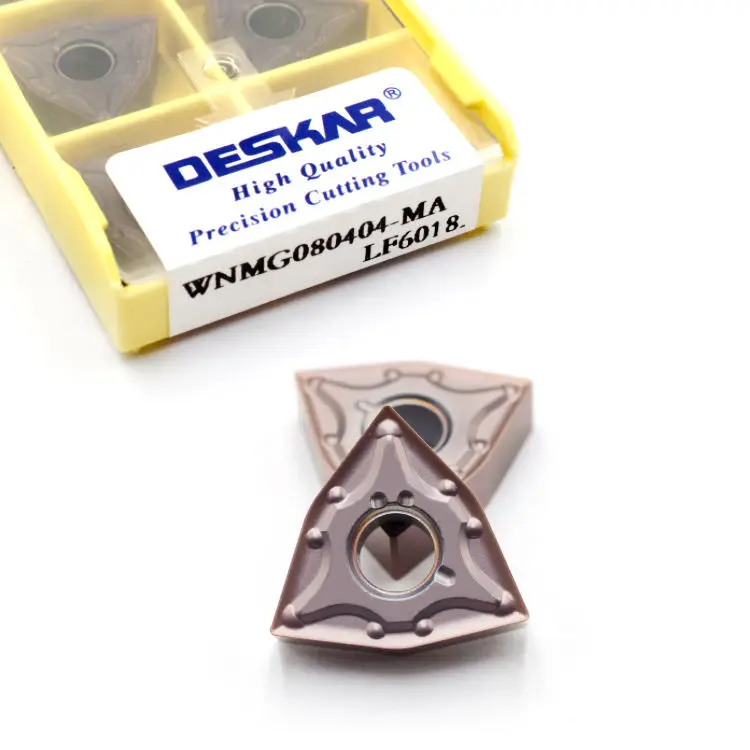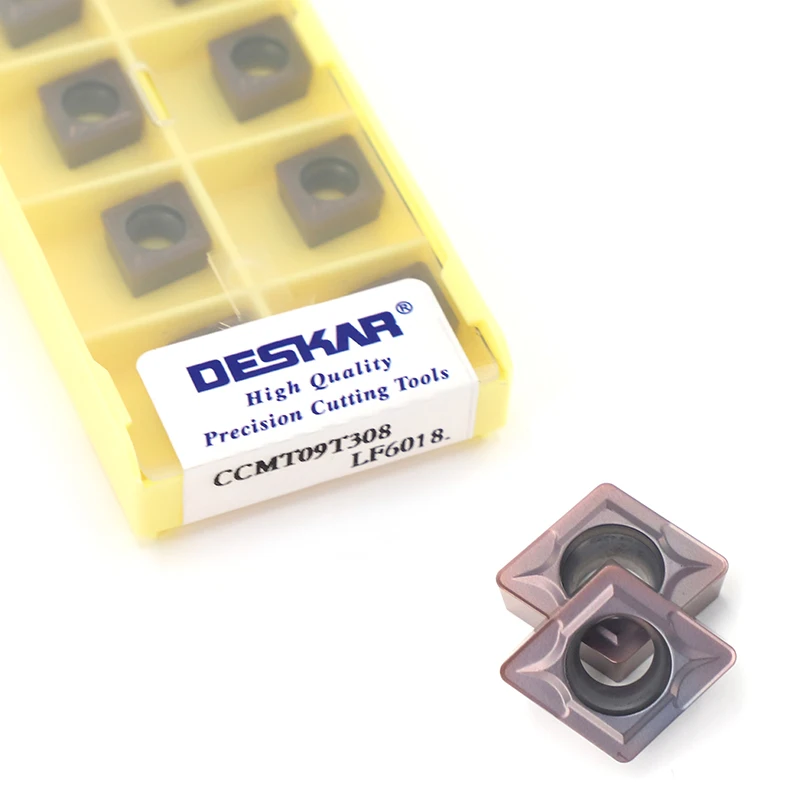
Machinists, have you ever used turning insert in your work? If not, perhaps you should consider giving it a try! A turning insert is a small cutting tip used in metalworking and usually located in a "groove" on the tip of a workpiece. They range in shapes and sizes and are designed for different cutting purposes. In this guide, we are going to discuss the advantages of working with the turning inserts and also suggest some tips on how to select the right turning insert for your project.
Turning inserts can aid greatly in your metalworking applications. For one, turning inserts are great at cutting and shaping metal. They are manufactured to be durable and long lasting, potentially saving you time and money. Plus, turning inserts offer fast cutting speeds compared with standard cutting tools, resulting in faster and more precise cuts made by you. Get smooth, accurate cuts from your metal workpieces with the right turning insert.
There are a few major things that you need to take into consideration when deciding on a turning insert for your job. The first step is identifying what you're dealing with. There are several turning inserts to make, for example, for steel, aluminum and titanium. Next, consider turning insert shape and size. The shape should conform to what you want to cut, and the size should be compatible with your lathe’s cutting tool holder. Finally, verify cutting recommendations from the manufacturer to ensure your insert works best.
I you want to get the most out of your turning inserts you need to take care of them. After each use, keep your turning inserts clear of chips and dirt. If you want to stop rust, store them somewhere cool and dry. Also, heed the manufacturer’s recommended cutting speeds and depths to keep them from wearing out too quickly. They also need to be changed regularly to not only ensure they are not damaged, but that you are maintaining good cutting.
In precision cutting, some extra tricks can really make turning inserts work better yet. One method involves the use of cutting fluids or lubricants. Coolant cools down the part and reduces friction, which can make the tool last longer and improve the finish. One such way is to coat the turning inserts, such as with titanium nitride or diamond-like carbon, which can extend their lives and performance. Machinists will be able to produce metal parts in higher quality and shorter time spans with the test of these advanced techniques.