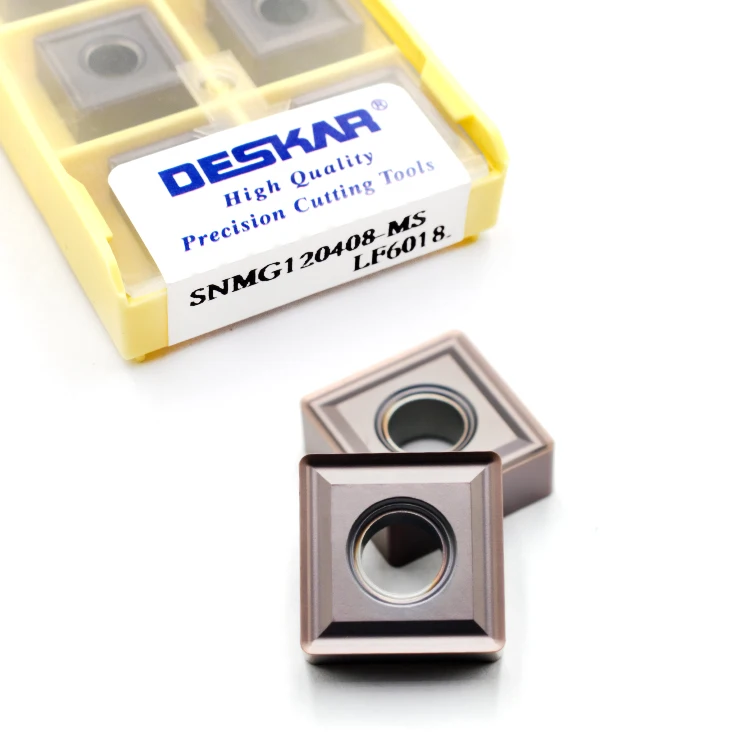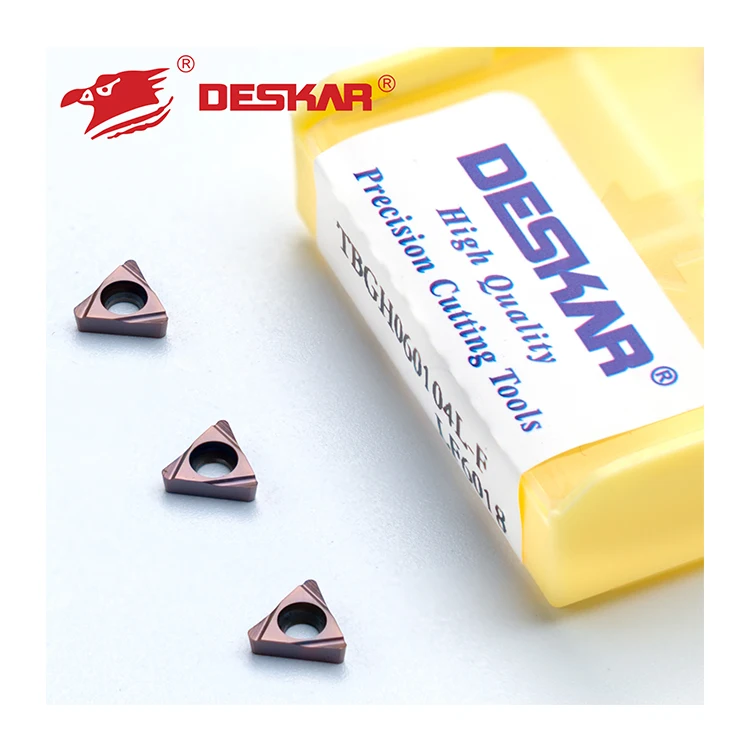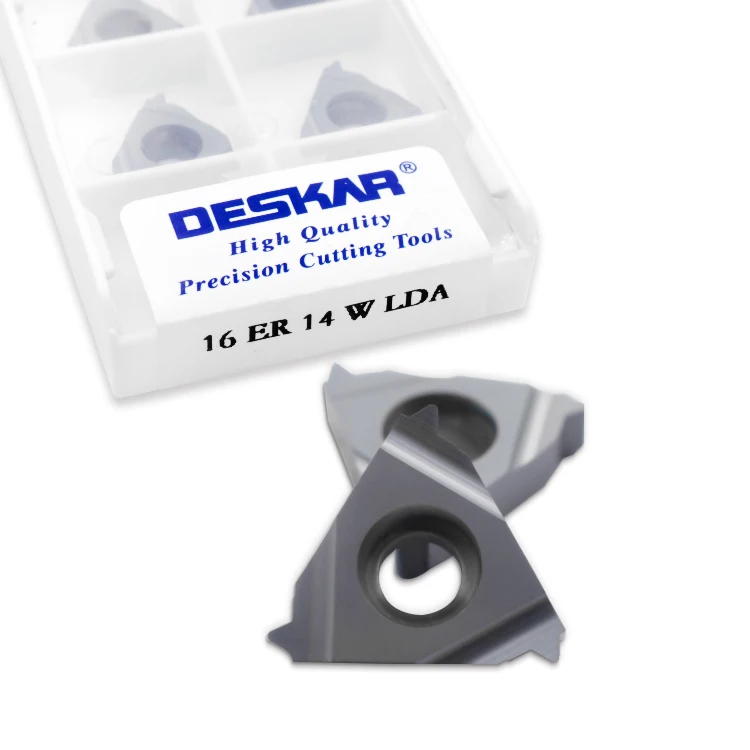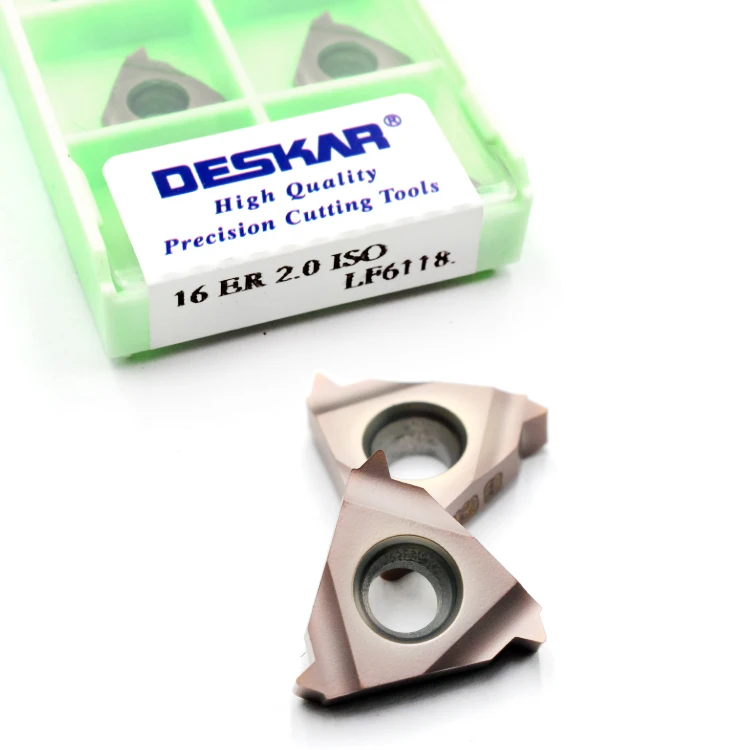
Choosing the right TNMG inserts is crucial for achieving optimal performance in various machining applications. These versatile cutting tools are essential in the manufacturing sector, particularly for turning and milling operations. B2B buyers often seek high precision, reliability, and cost-effectiveness when selecting TNMG inserts. This article will guide you through the key considerations in choosing TNMG inserts, common challenges, best practices for success, and provide a comprehensive overview of the product.
When selecting TNMG inserts, several factors must be considered to ensure compatibility with your specific machining needs. Key aspects include:
Material Composition: The material of the TNMG insert affects its cutting performance and durability. Common materials include carbide, ceramic, and high-speed steel. For example, carbide inserts are ideal for high-speed applications due to their hardness and wear resistance.
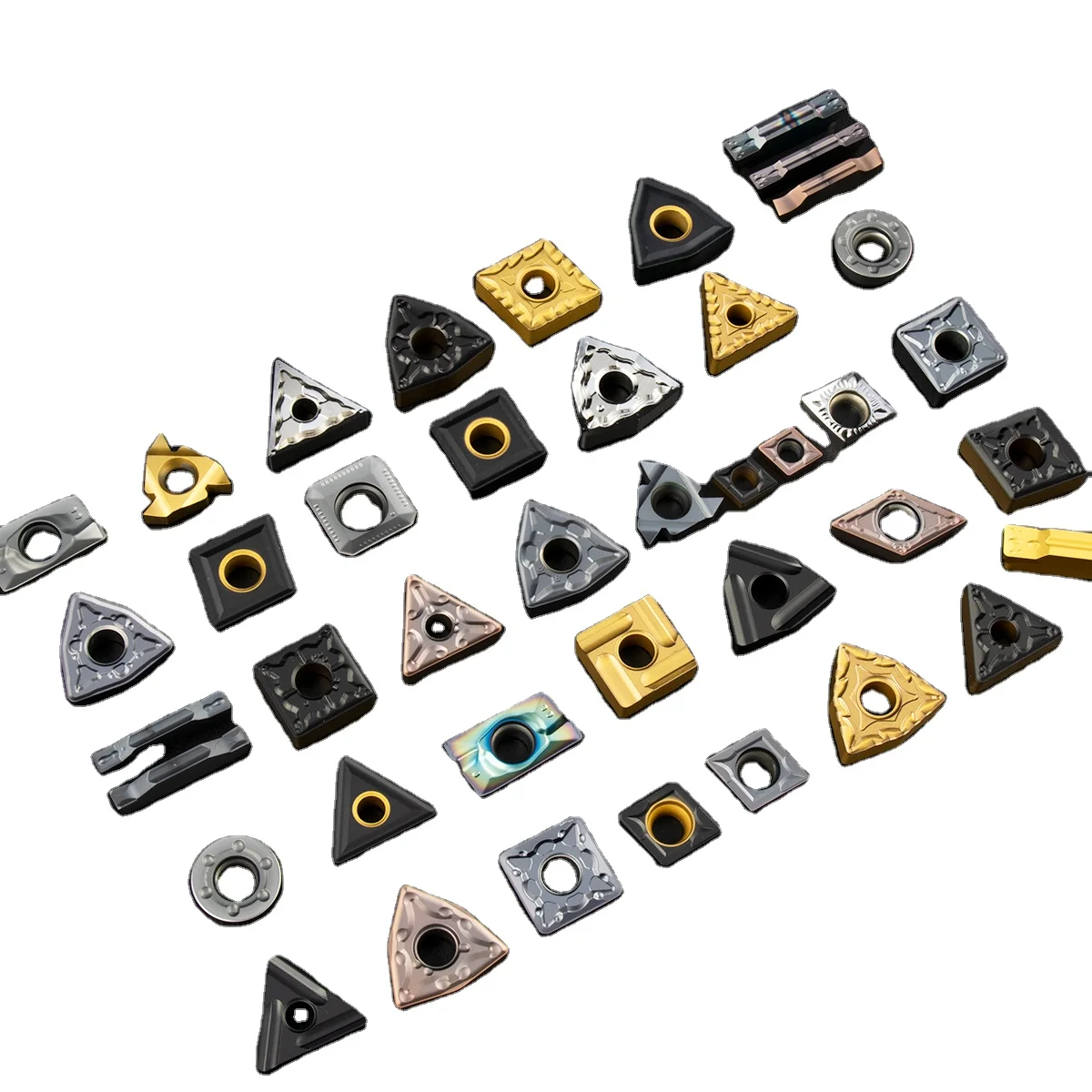
Geometry and Coating: The insert's geometry, which includes the shape and cutting edge design, influences how it interacts with the material being machined. Additionally, PVD (Physical Vapor Deposition) and CVD (Chemical Vapor Deposition) coatings can enhance performance by providing better wear resistance and reducing friction.
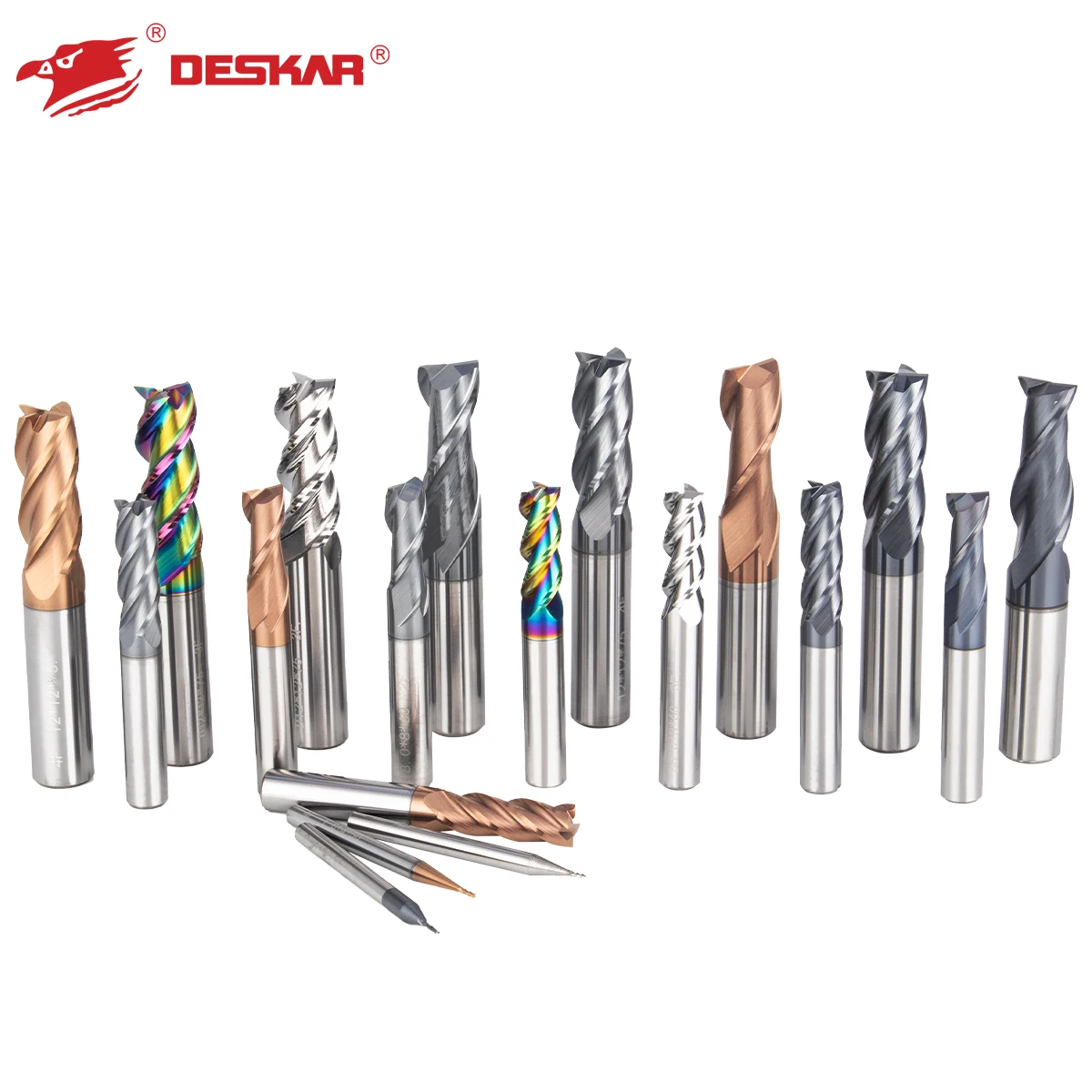
Cutting Conditions: Understanding the specific cutting conditions—such as speed, feed rate, and material type—is essential. milling bits The right TNMG insert should be selected based on these parameters to optimize cutting efficiency and tool life.
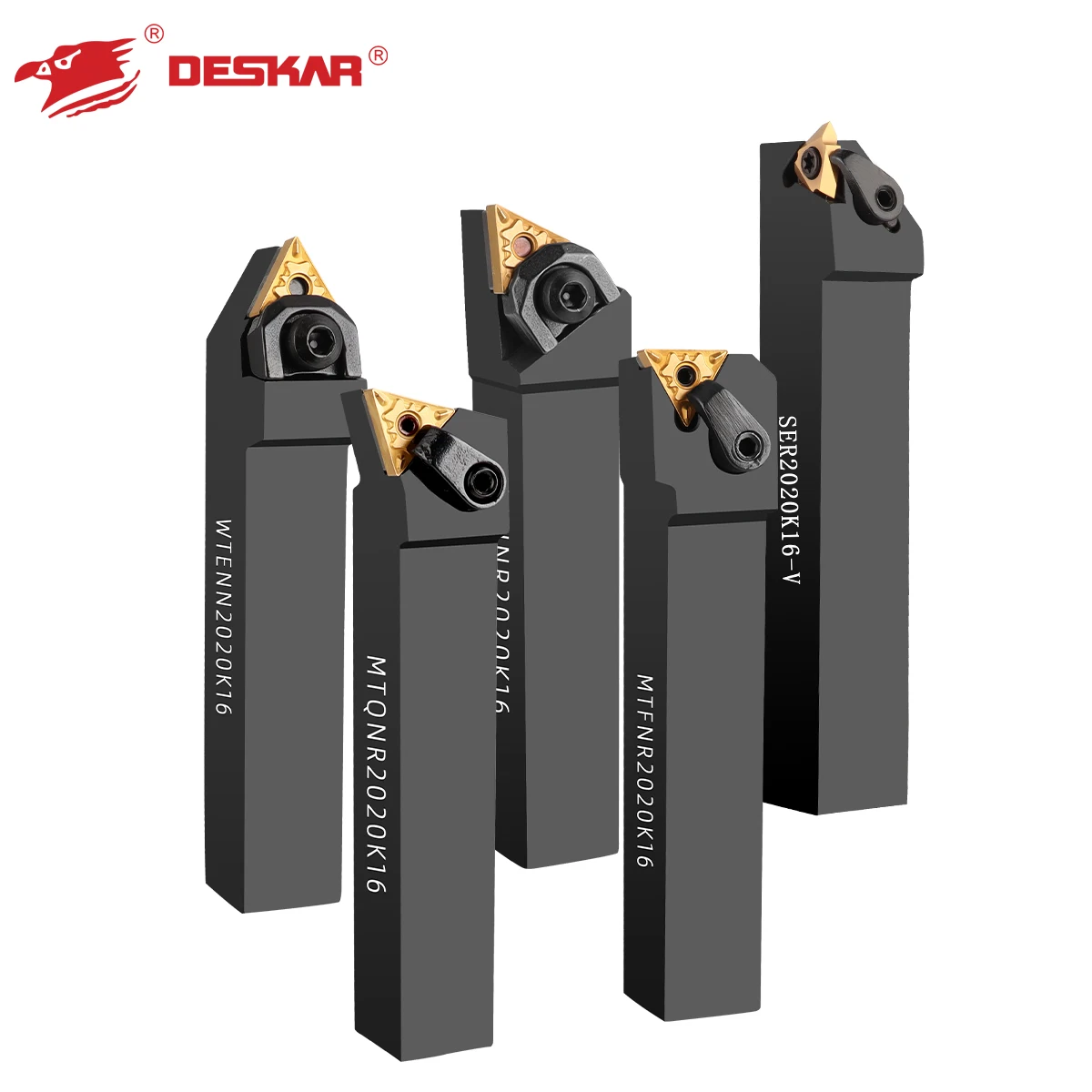
Compatibility with Machines: Ensure that the TNMG inserts you choose are compatible with your CNC machines and tooling systems. may involve checking the insert's dimensions and the holder specifications.
By taking these factors into account, buyers can make informed decisions that align with their machining requirements and production goals.
For purchasing managers and engineers, understanding the specifications and application of TNMG inserts is vital for making effective procurement decisions. Here are essential points to consider:
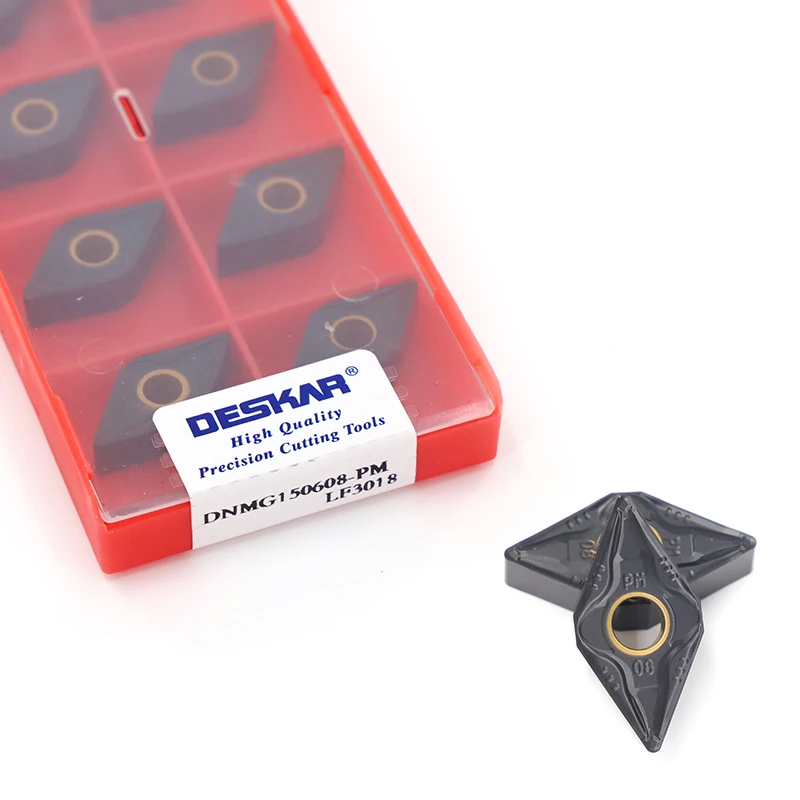
Product Specifications: Review technical specifications such as insert size, shape, and grade. Each specification correlates to cutting performance and suitability for various materials, such as steel, aluminum, or composites.
Minimum Order Quantity (MOQ): Many suppliers have a minimum order quantity. Knowing this can help in budgeting and inventory management.
Lead Time: Understand the expected lead times for orders, especially if customization is required. Custom solutions may involve longer production times, so it’s essential to plan accordingly.
Quality Control: Look for manufacturers with stringent quality control processes. milling machine cutters ensures that the TNMG inserts consistently meet performance specifications and standards.
Application Suitability: Different industries, such as automotive, aerospace, and mold-making, may have specific requirements for TNMG inserts. Buyers should ensure the selected inserts are designed for their particular applications.
While TNMG inserts are reliable, several common issues can arise during their use. Here are potential problems and solutions:
Chipping or Fracturing: This often occurs due to excessive cutting speeds or improper insert selection. To mitigate milling tools, evaluate the cutting parameters and ensure they match the insert’s specifications.
Poor Surface Finish: Surface finish issues may arise from dull inserts or incorrect geometry. Regularly inspect inserts for wear and replace them as necessary. Choosing the right grade can also improve surface quality.
Insert Wear: Inserts may wear prematurely if not suited to the machining material. Selecting the correct coating and geometry based on the material being machined can enhance tool life.
Inconsistent Performance: Variability in production can lead to inconsistent performance of TNMG inserts. Establishing a robust quality check process and maintaining consistent machining conditions can help ensure reliability.
By proactively addressing these common problems, buyers can enhance productivity and reduce downtime.
Implementing best practices in the selection and use of TNMG inserts can significantly improve machining outcomes. Consider the following:
Sample Testing: Before committing to a large order, request samples of the TNMG inserts to test in your specific application. Assess their performance under actual working conditions.
Documentation: Maintain thorough documentation of insert performance, including cutting speeds, feed rates, and material types. This data can help optimize future purchases and machining strategies.
Supplier Collaboration: Work closely with your supplier to discuss specific needs and challenges. Manufacturers like Lifeng Precision Tools can provide insights into the best insert types for your applications, ensuring you choose the most effective solution.
Regular Training: Ensure that your machining team is trained on the best practices for insert selection and usage. Regular training can lead to improved efficiency and reduced errors.
By adopting these practices, manufacturers can maximize the potential of their TNMG inserts and enhance overall productivity.
TNMG inserts are a pivotal component in the machining industry, offering versatility and efficiency in various applications. Lifeng Precision Tools specializes in manufacturing high-precision TNMG inserts, featuring advanced coatings and geometries tailored for diverse materials and machining conditions.
Variety of Geometries: TNMG inserts come in multiple geometrical configurations, allowing for flexibility in different machining tasks.
High Precision: Designed for tight tolerances, these inserts ensure consistent performance, crucial in high-stakes industries like aerospace and automotive.
Customization Options: Lifeng Precision Tools offers both standard and custom solutions to meet specific application needs, ensuring that clients can find the right product for their projects.
Global Reach: With strong export capabilities, Lifeng serves various markets, providing cutting tools that meet international standards.
By understanding the specifications, addressing common challenges, and following best practices, buyers can effectively leverage TNMG inserts to improve their machining processes and overall productivity.